

Alta Via 1. Part III: From Lagazuoi to Pelmo - Memories of a Battle
Stage 3. Rifugio Lagazuoi – Rifugio Nuvolau
Distance: 24.61 km · Elevation Gain: +1848 m · Elevation Loss: −2023 m · Technical Difficulty: Difficult
On a clear day in the Dolomites, the sun rises with a clarity that is unlike anything in lower elevations. It’s a little more intense, a little more vibrant. The landscape unfolds in all directions, the horizon stretching farther and farther.
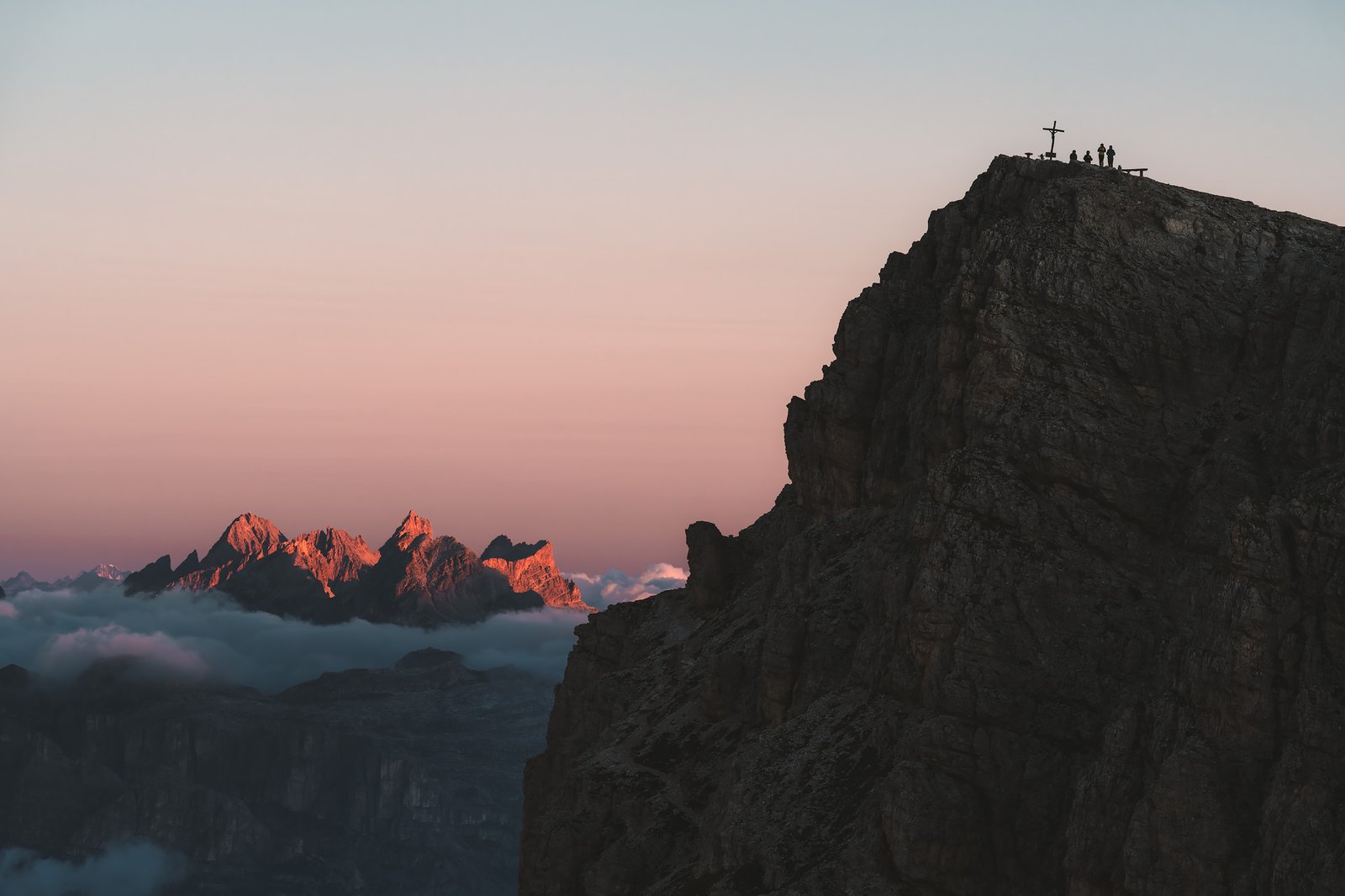
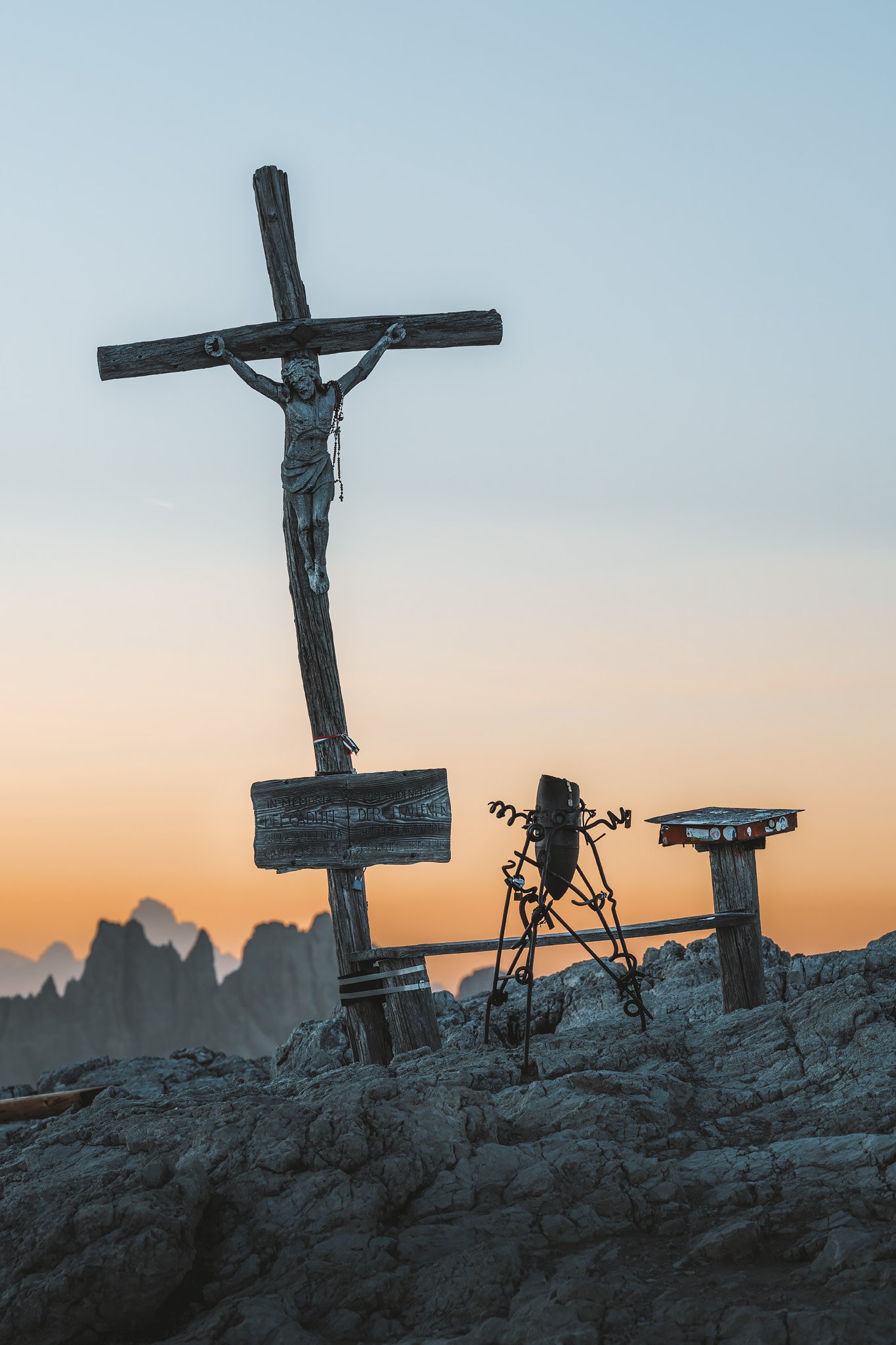
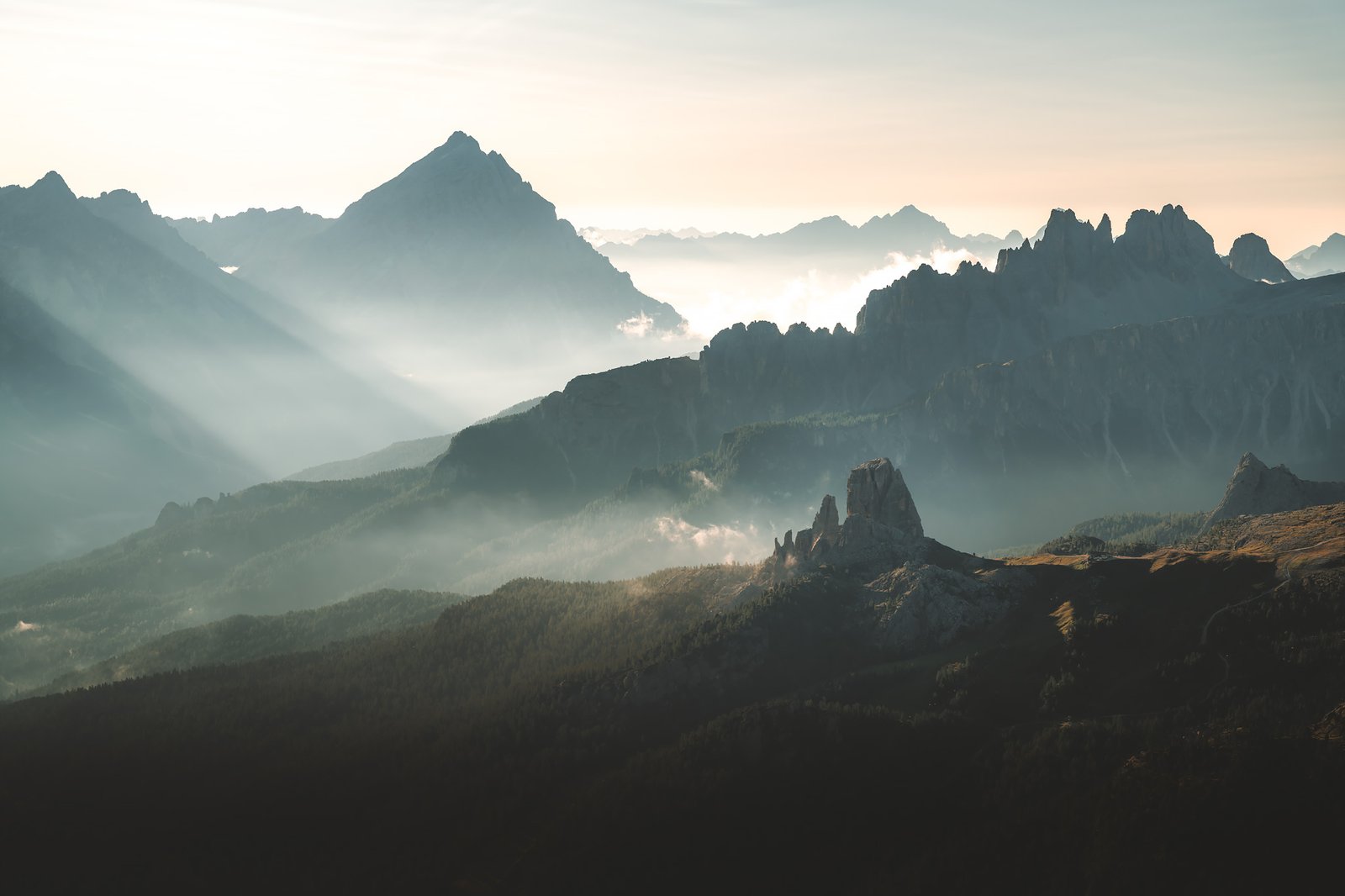
From the cross that sat atop the rifugio, the light spread across the Dolomites with remarkable clarity. It was a clean light, with edges and shadows defined, and the tones were incredible.
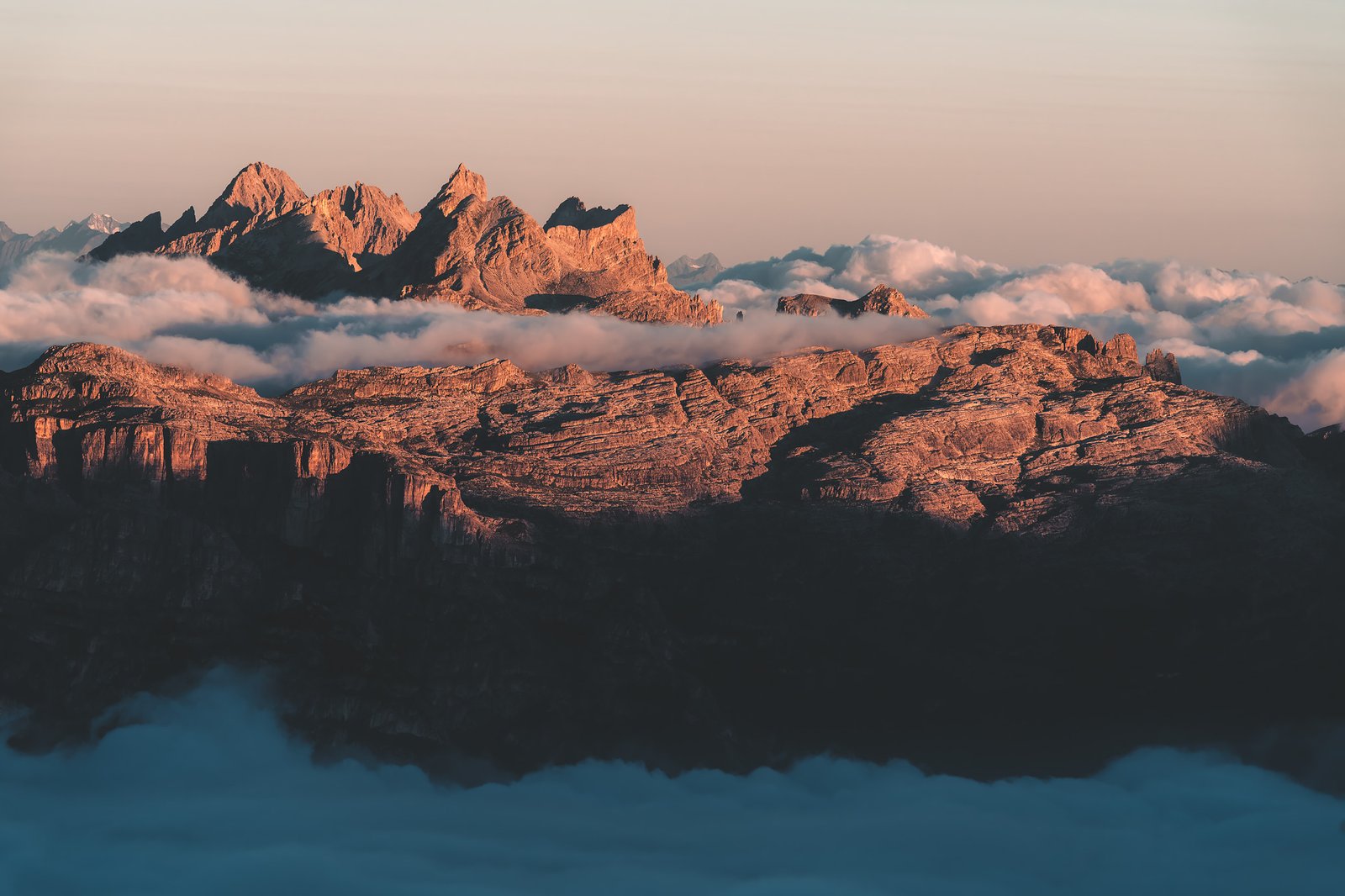
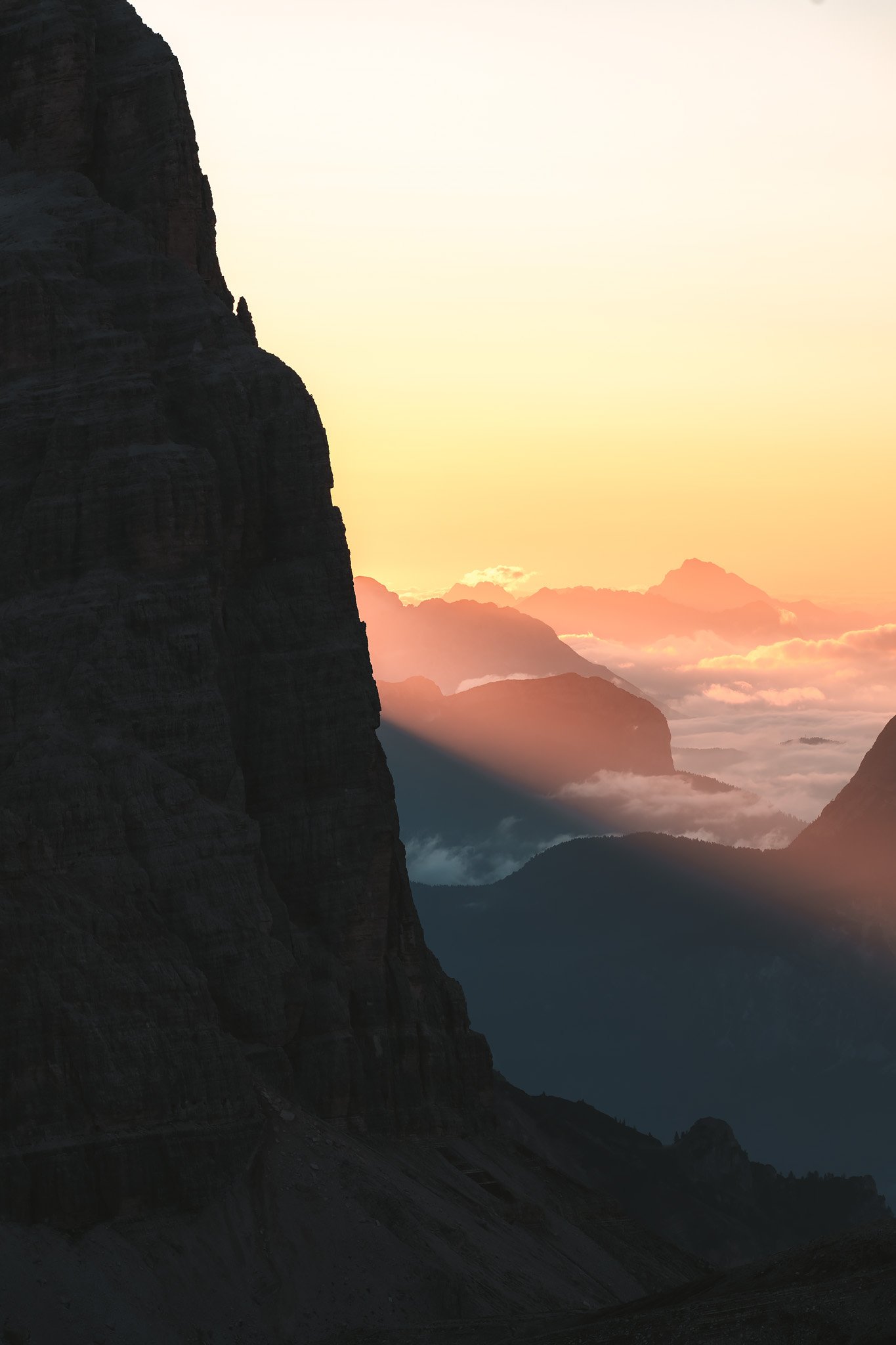
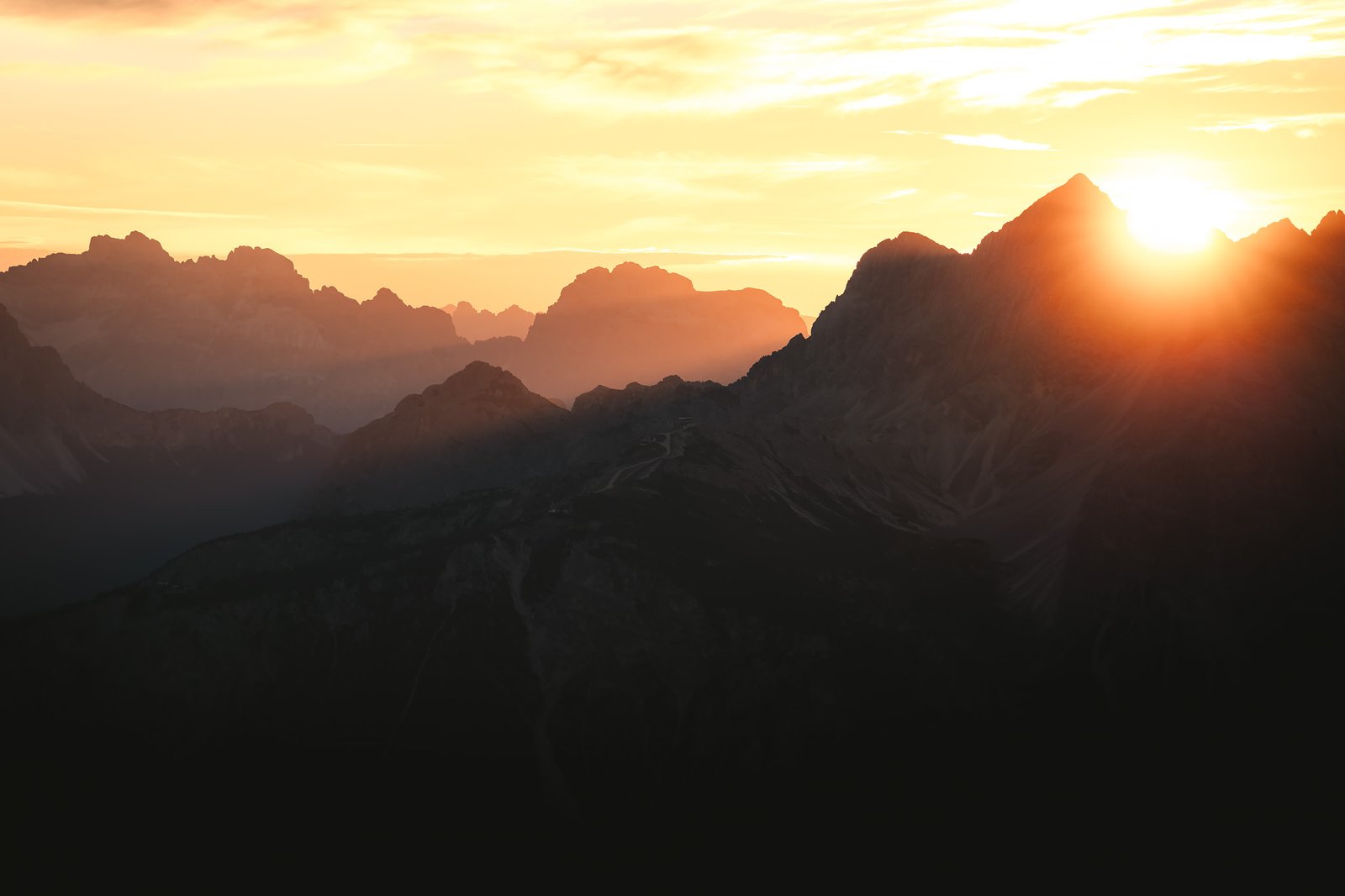
For a brief moment, the peaks in the distance turned a soft pink and orange hue known locally as Enrosadira (alpenglow). This would be followed by a much cooler light.
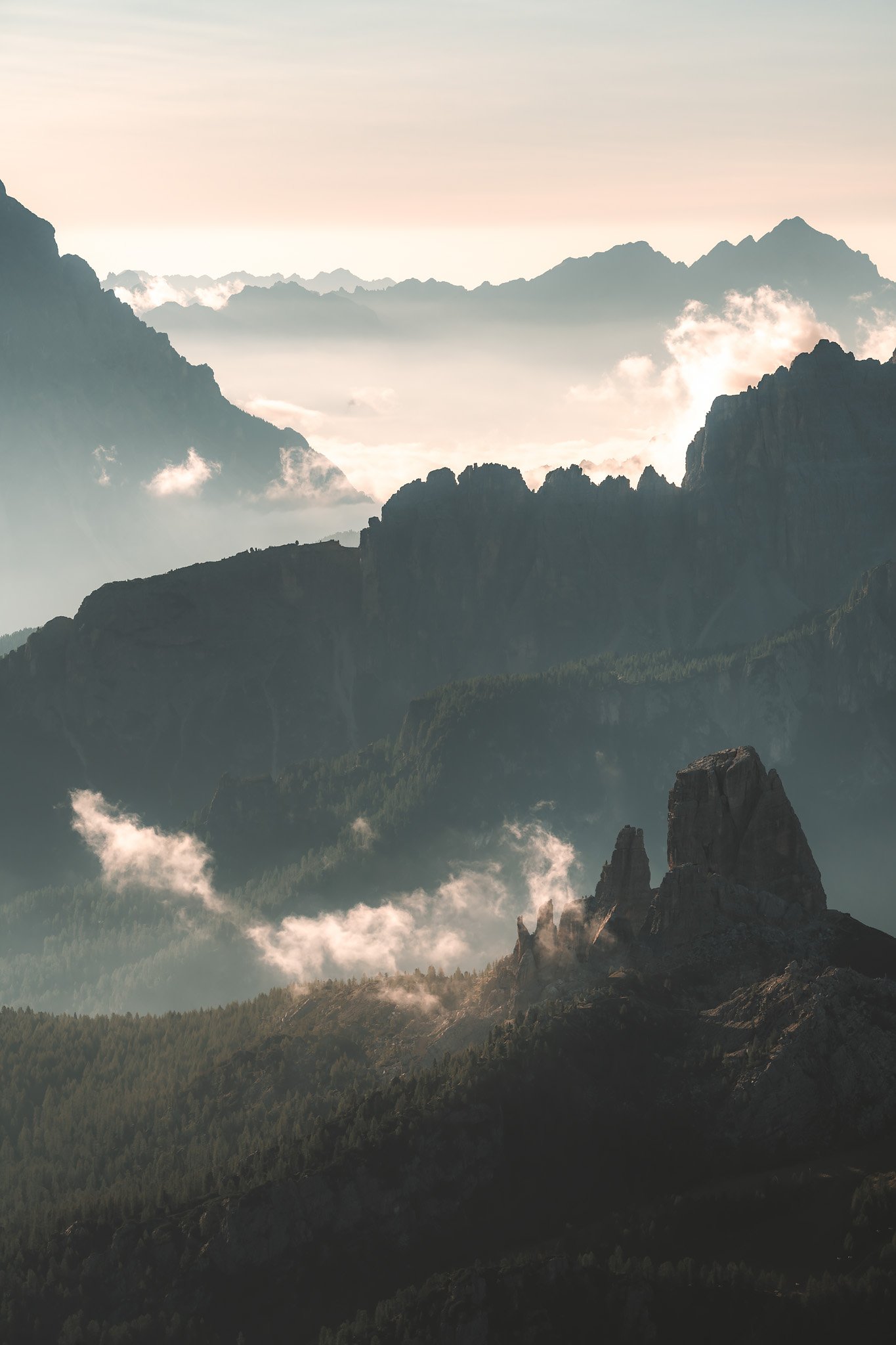
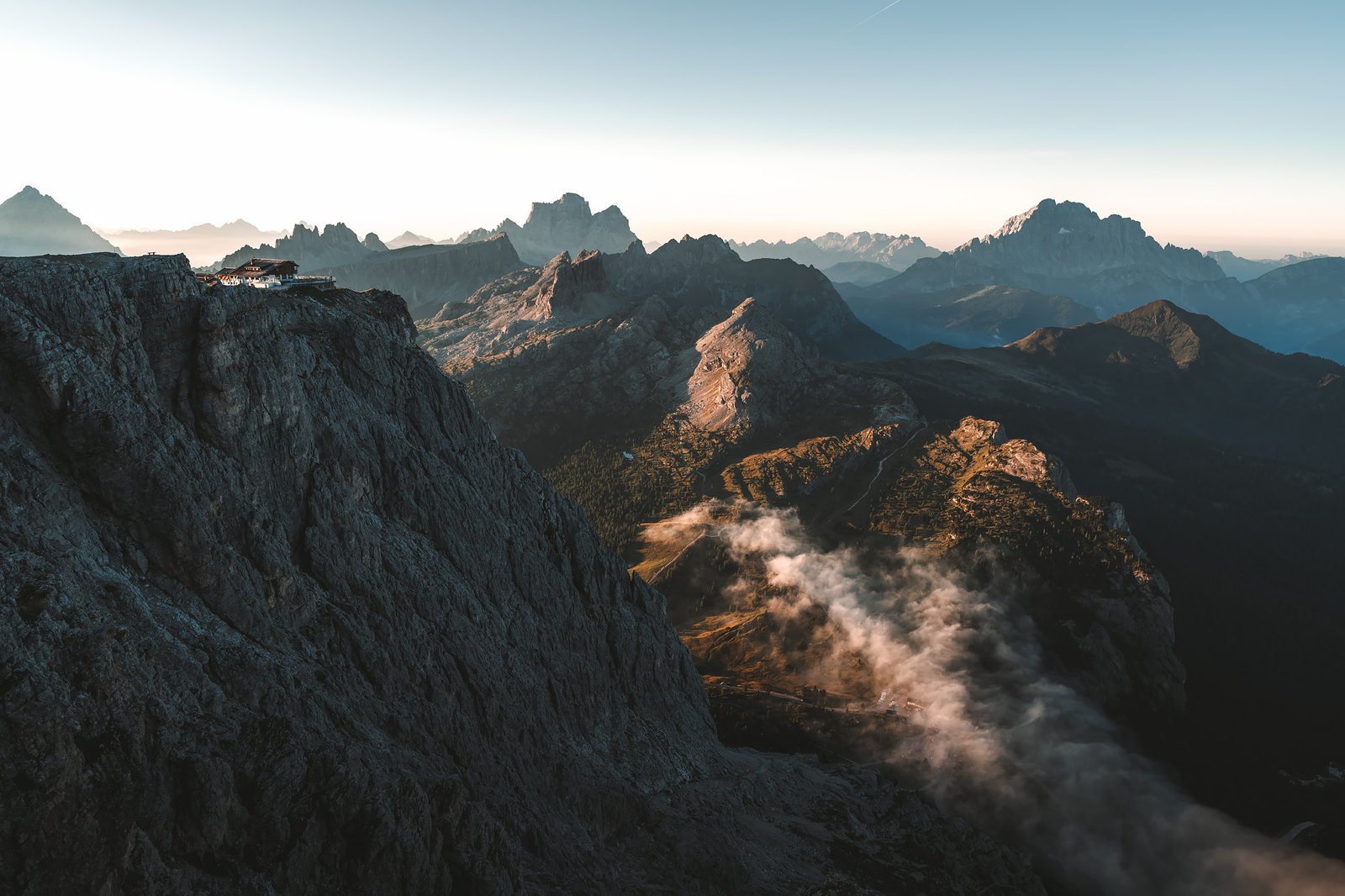
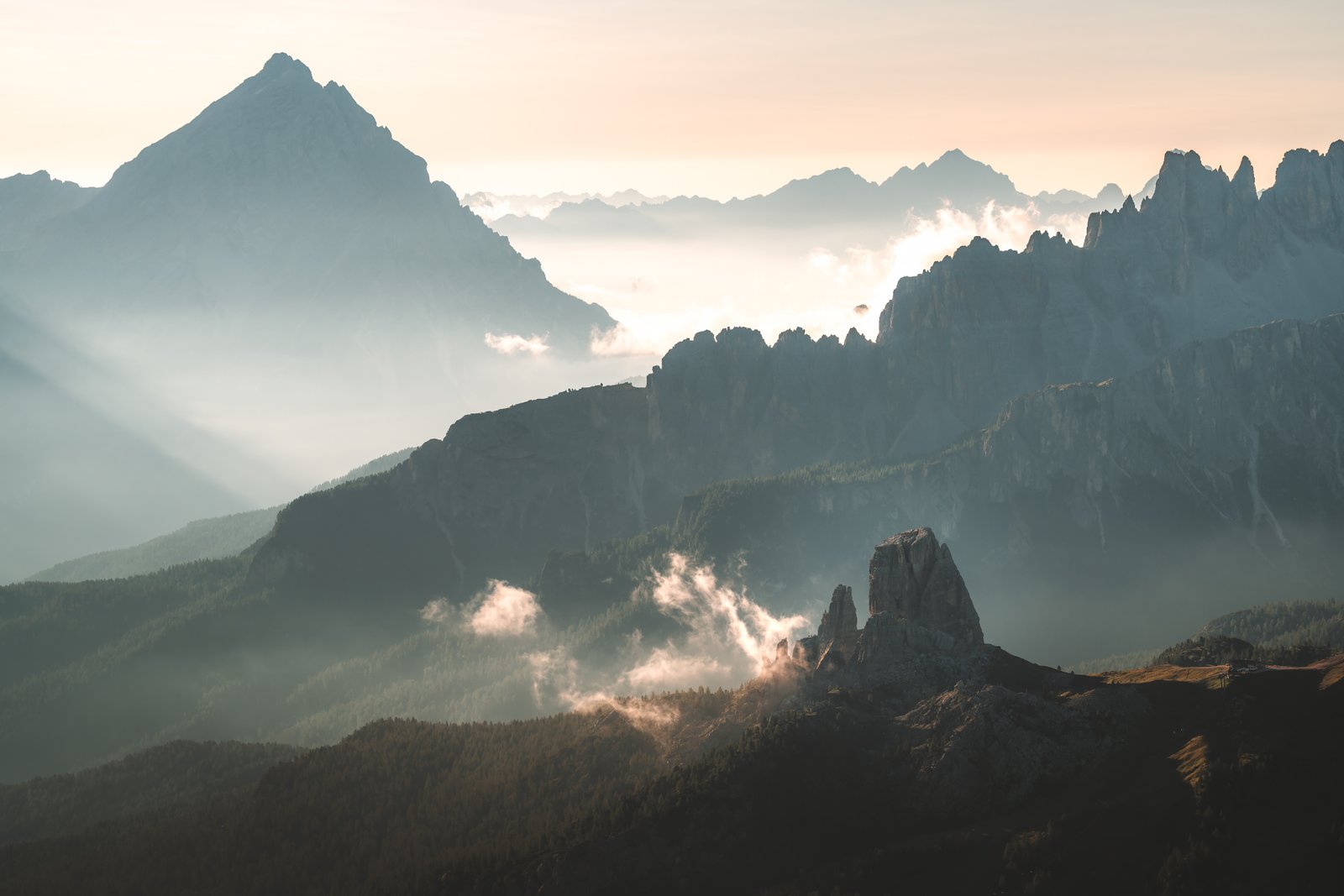
Some of the most recognizable massifs in the Dolomites were visible from the cross on the rifugio. Civetta and Pelmo could be seen in the distance. The Tofane group filled the skyline nearby. Farther away, layers of mountains stretched out endlessly. Also, the Cinque Torri could be seen in the distance, though smaller than elsewhere on the route.
Then, quite quickly, a mass of mist rolled into the valley. It moved with a kind of intention, behind the cliff that sustained the rifugio. The mist came from below and began filling the space between the mountains. It swallowed portions of the landscape while leaving others untouched. The entire scene transformed within minutes.
After one of the most extraordinary breakfasts of the route, filled with options, tasty pastries and a warm capuccino, I left the rifugio.
War in the Mountains
One place cannot be missed before leaving Lagazuoi, the tunnels.
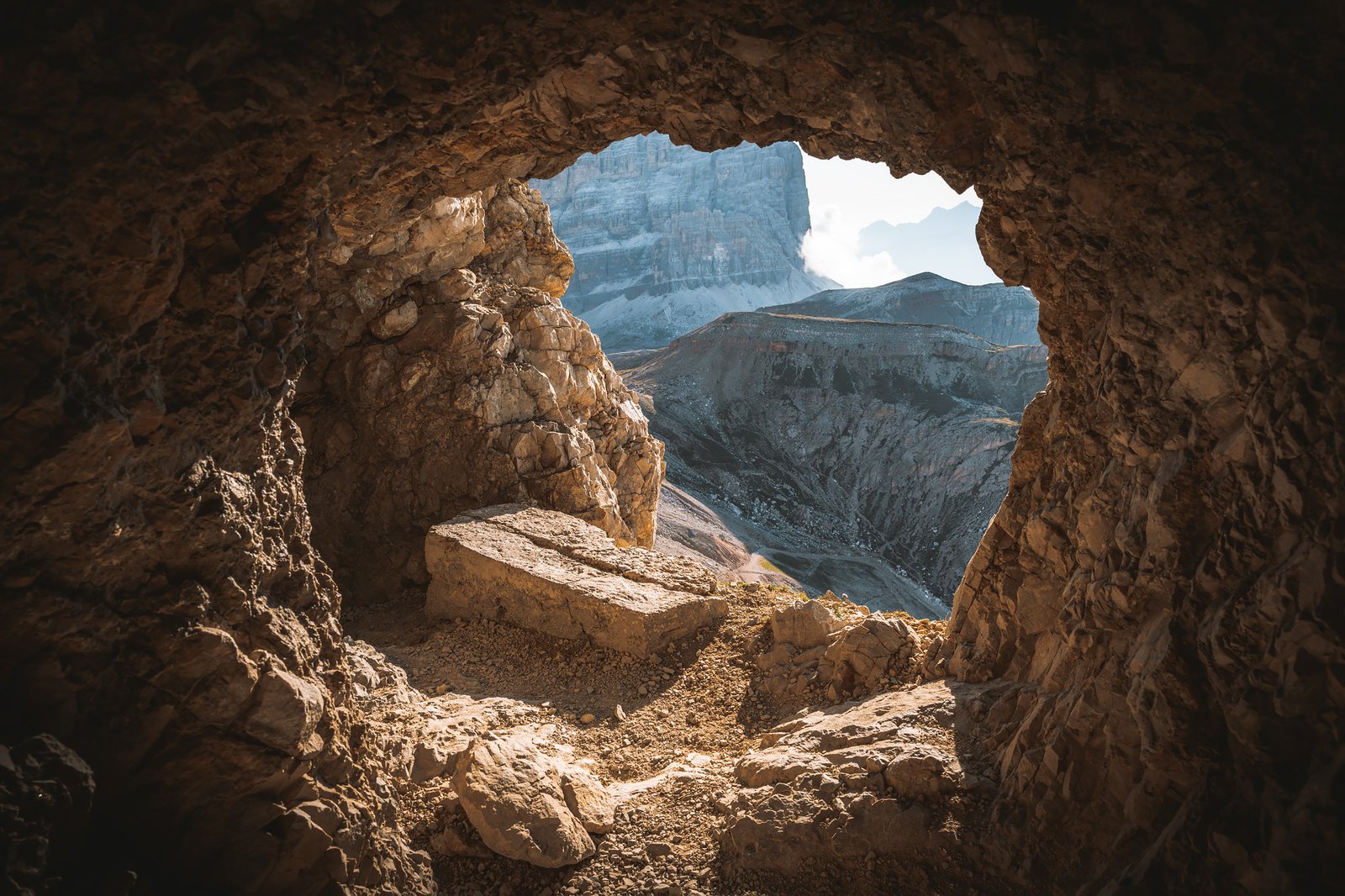
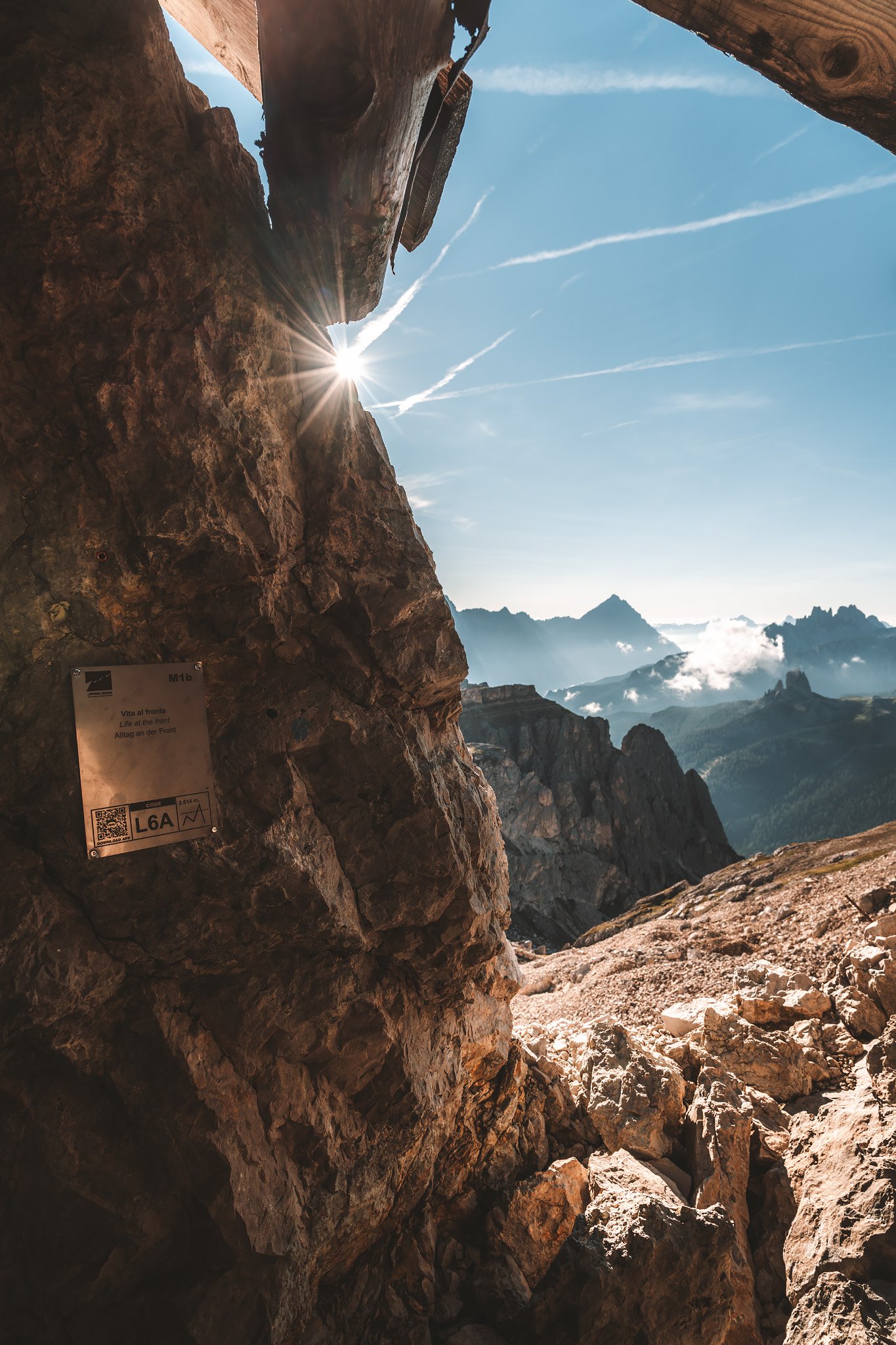
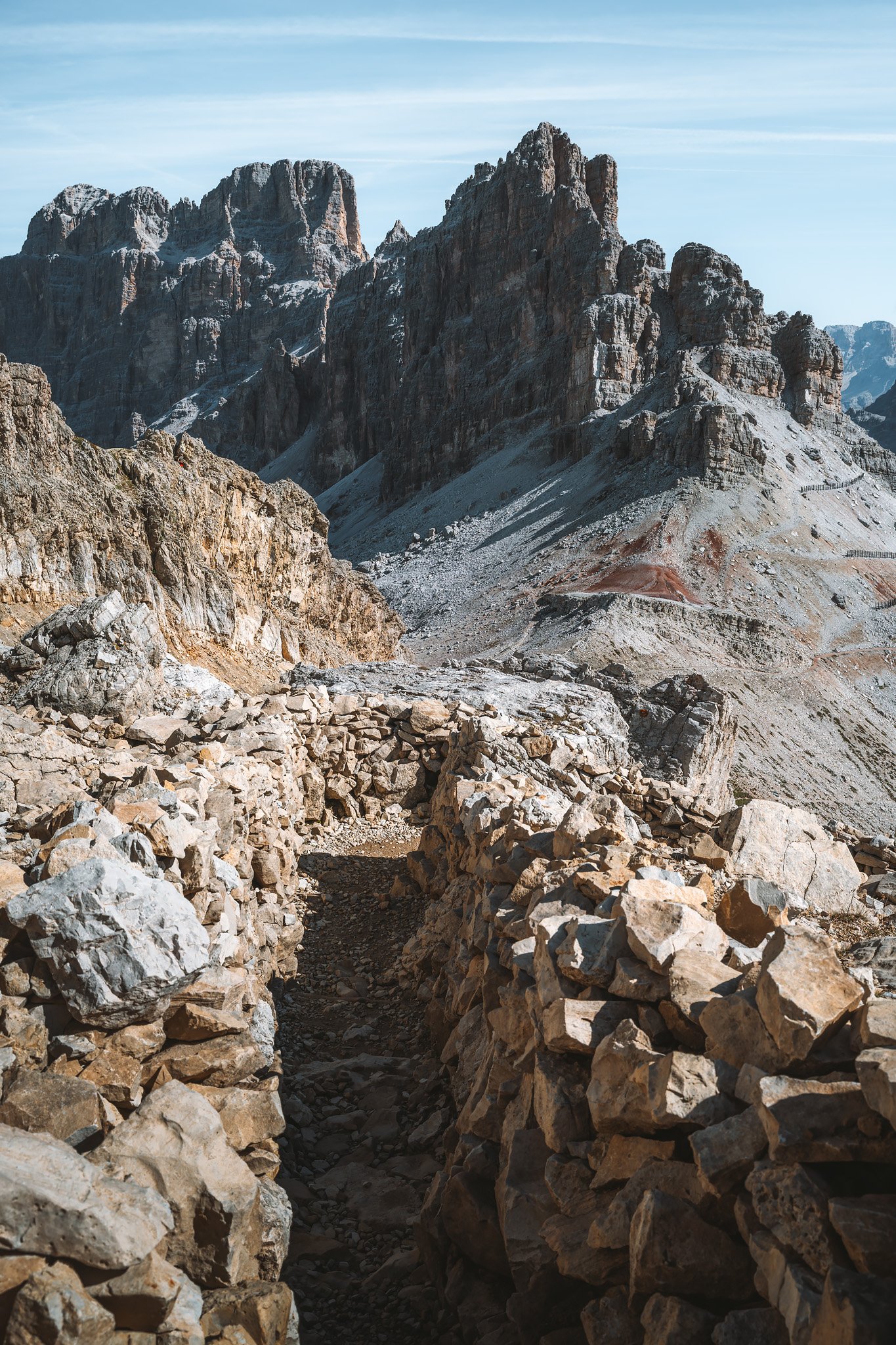
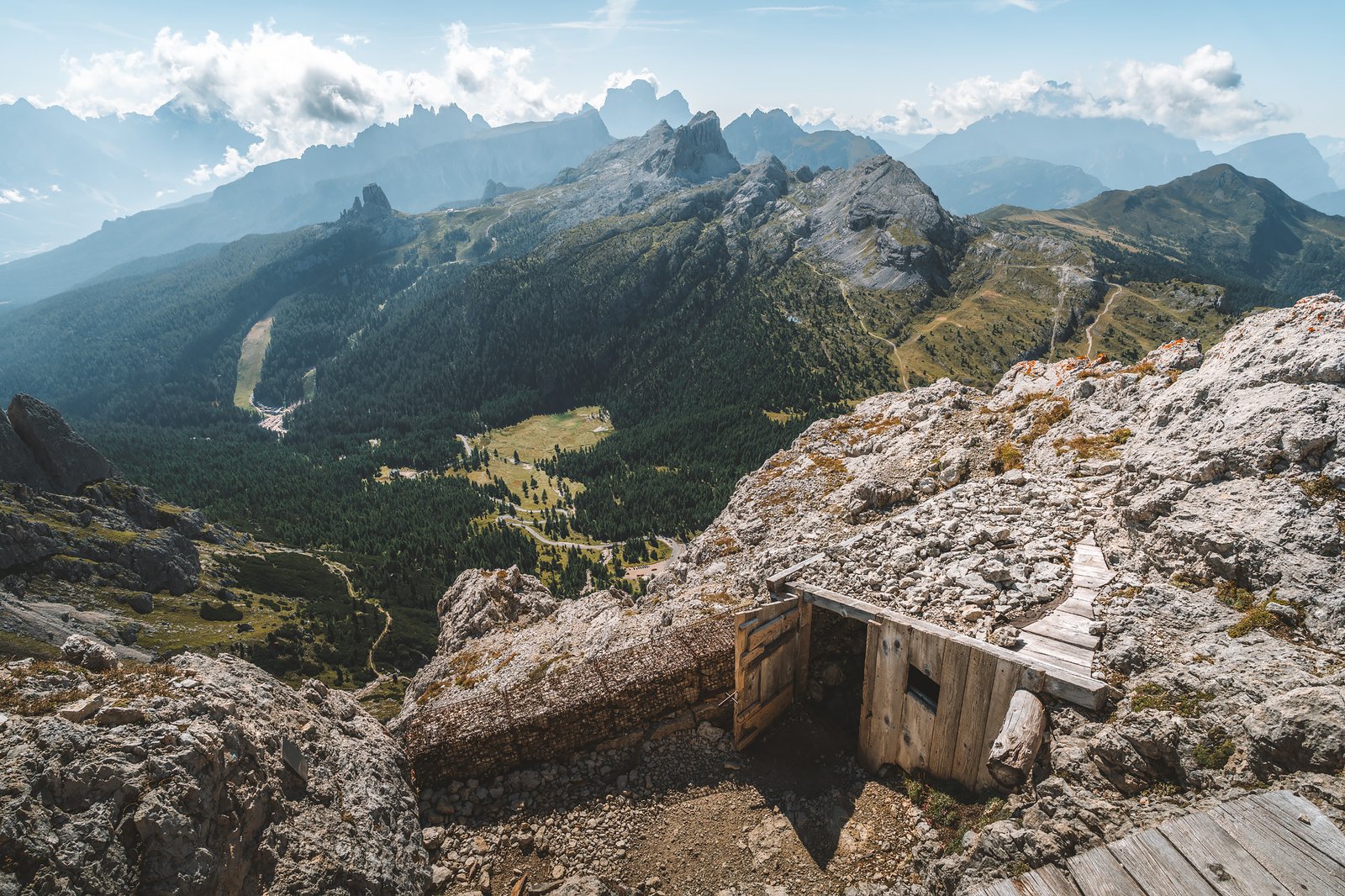
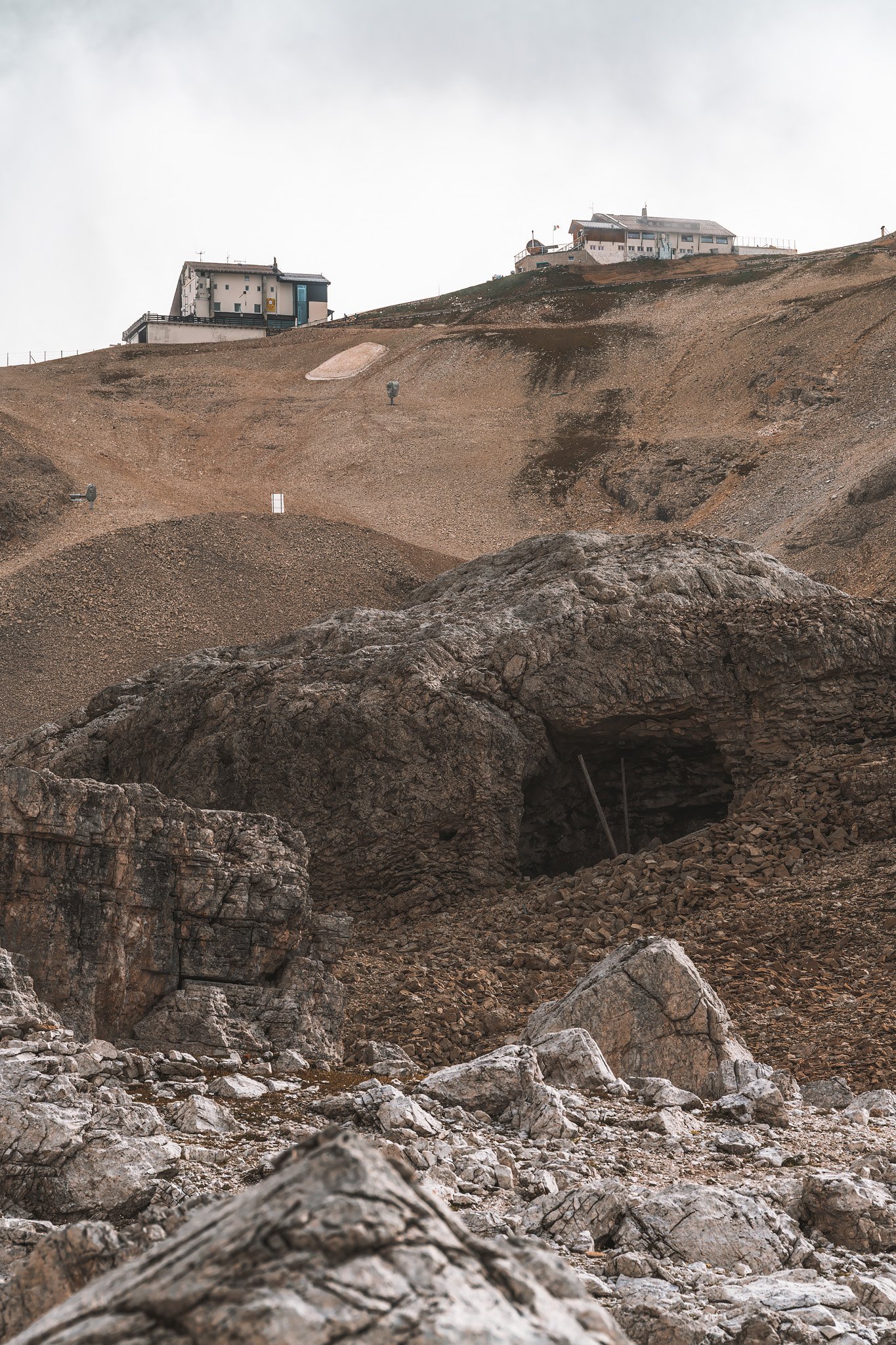
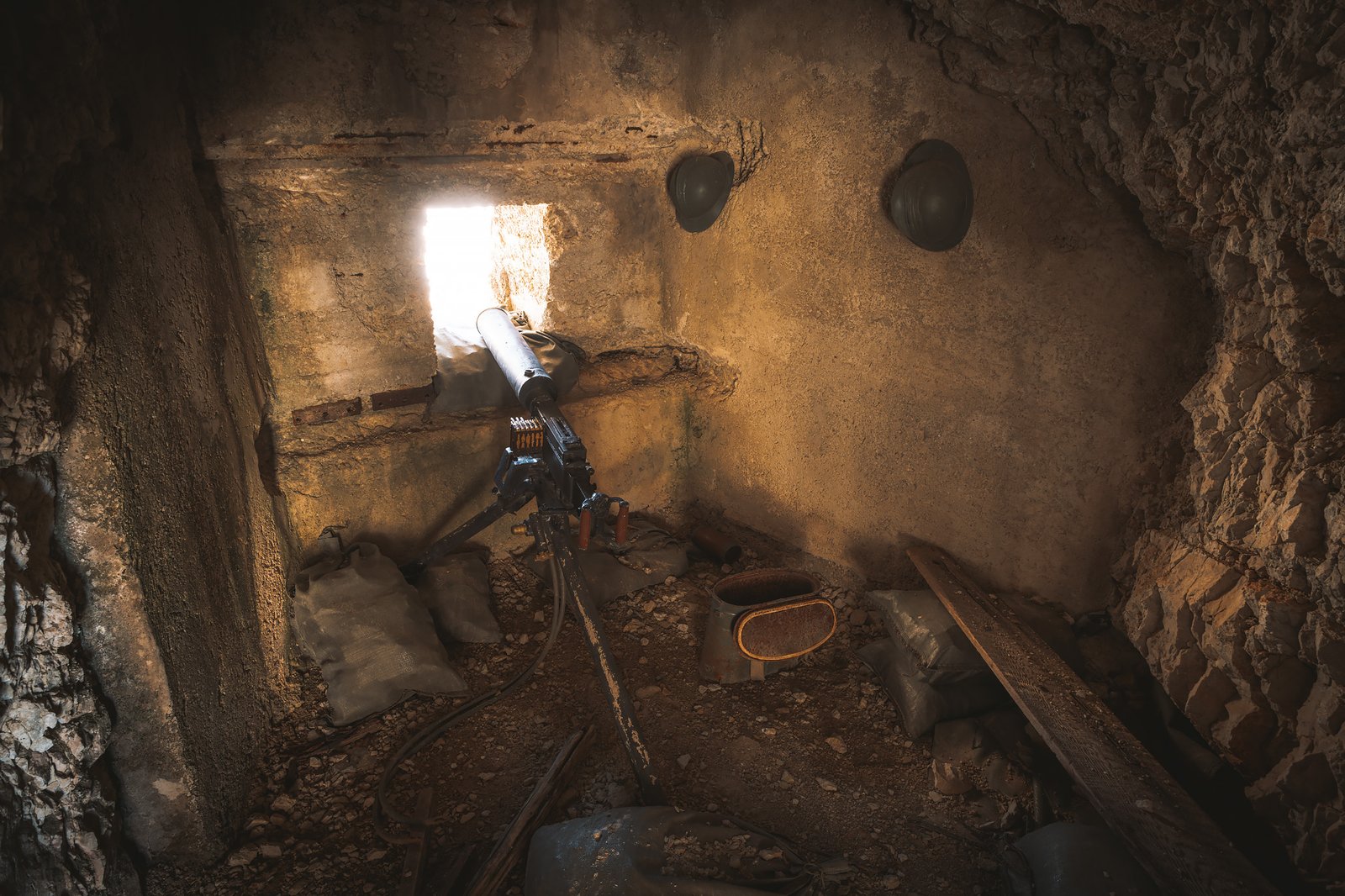
Much of this area was a front line during the Great War. Italian and Austrian troops fought not only across ridges, but inside the mountains themselves. What remains today is an extensive network of tunnels, trenches, and carved passages.
Finding the area was quite straightforward, but locating the correct entrance takes some effort. It is easy to take a longer route than necessary, I did. But that detour led to something unexpected. A marmot emerged cautiously from its burrow. For a brief moment, curiosity overcame fear, and it stepped out just enough to allow for a close encounter before disappearing again.
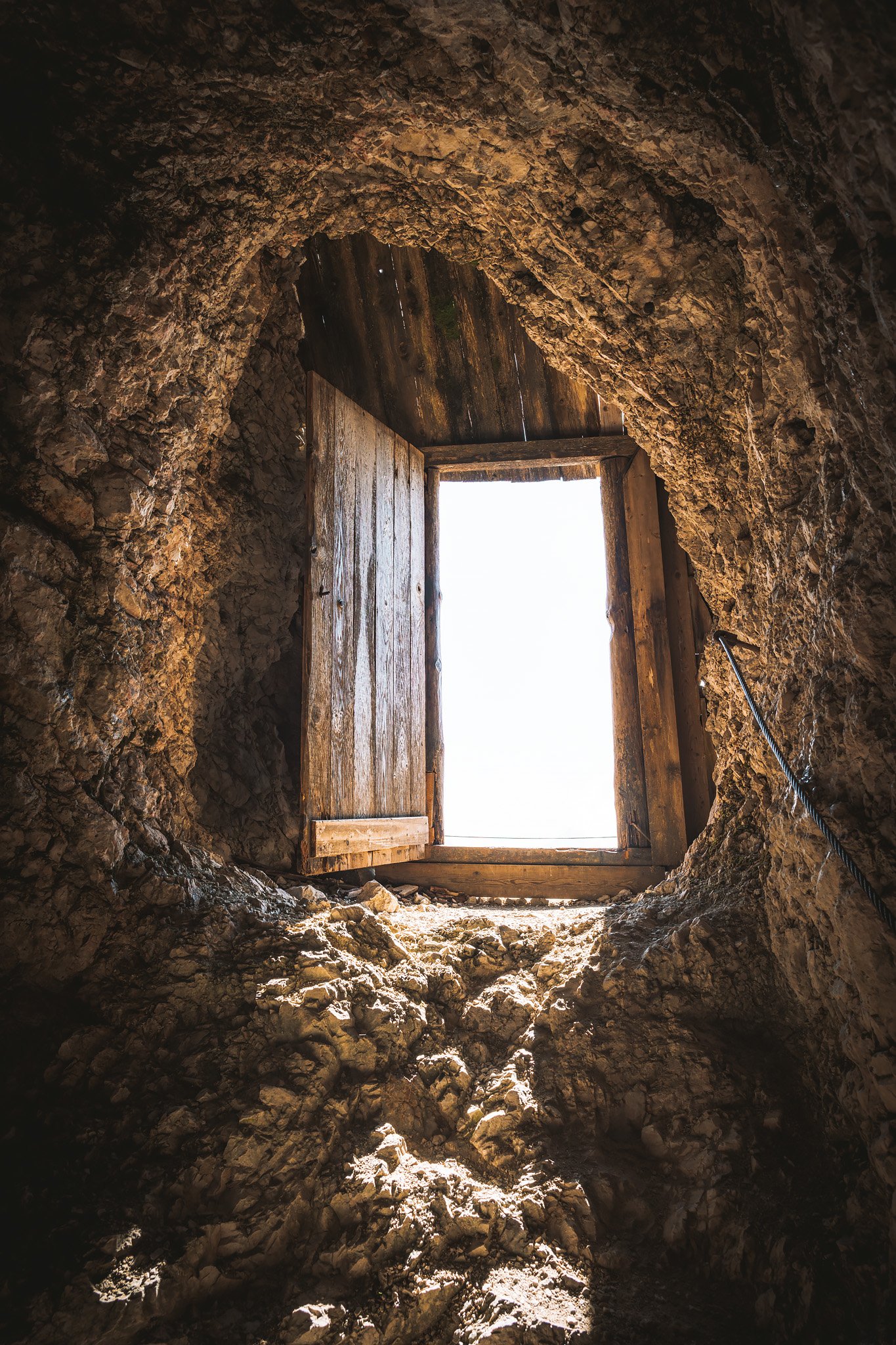
Once inside, the tunnels are cold, wet, steep, and disorienting. Some sections of the floor are submerged, and in places the tunnels feel more like channels than walkable paths.
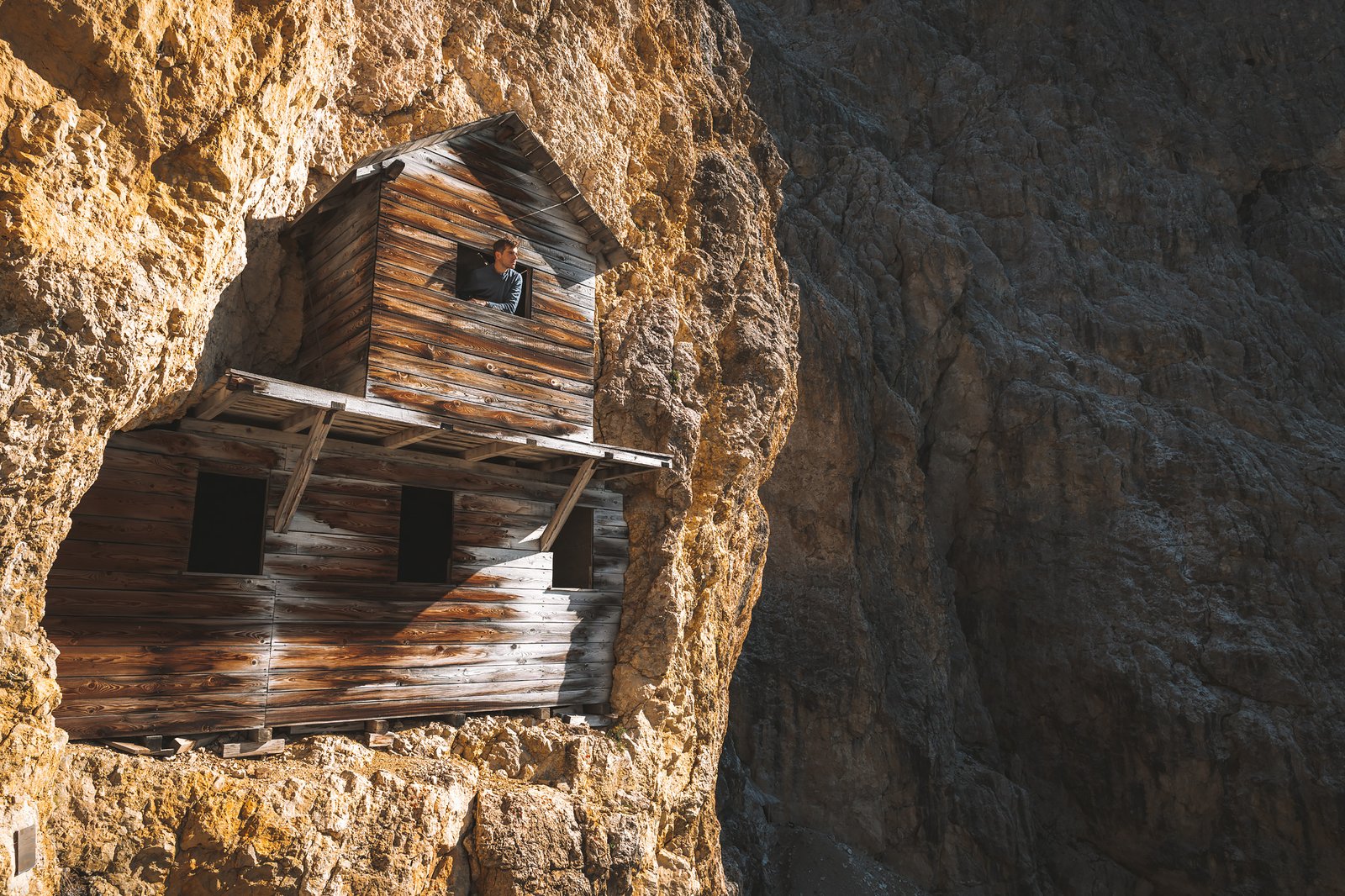
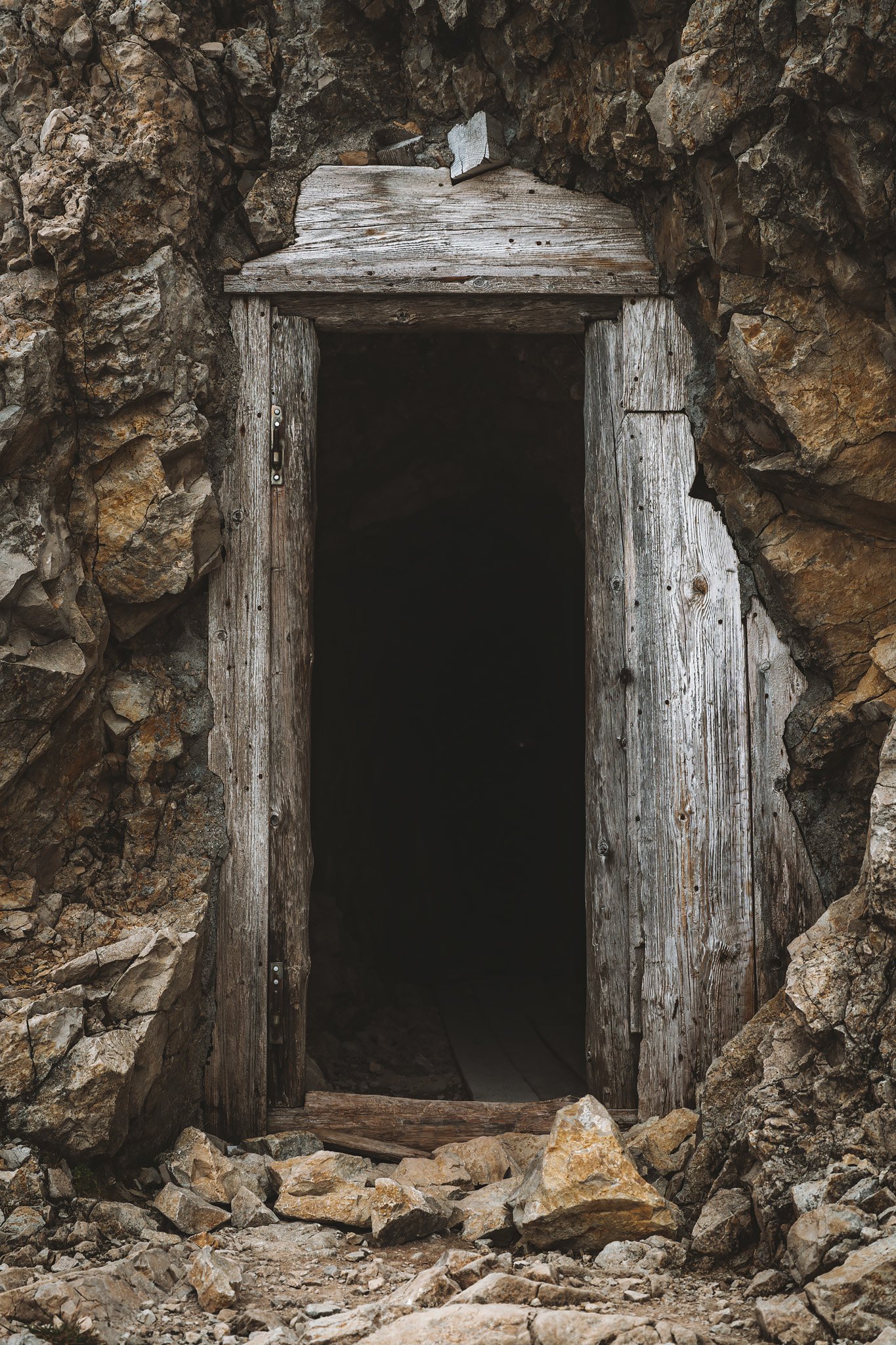
Hundreds of stairs carved into the rock lead upward through narrow corridors, making orientation difficult. Small openings appear along the walls, once used as observation posts or firing positions. In some sections, the tunnels branch into separate spaces, storage areas, living quarters, defensive positions, some still fitted with old machine guns pointing outward.
It is easy to lose your sense of direction. Reaching the lower sections and then making your way back up is physically demanding. The return to Lagazuoi is long and exhausting, especially after navigating the darkness below.
Still, it is worth it. This entire area is also a hub for via ferrata routes, something that feels like a natural extension of the experience, even if left for another time.
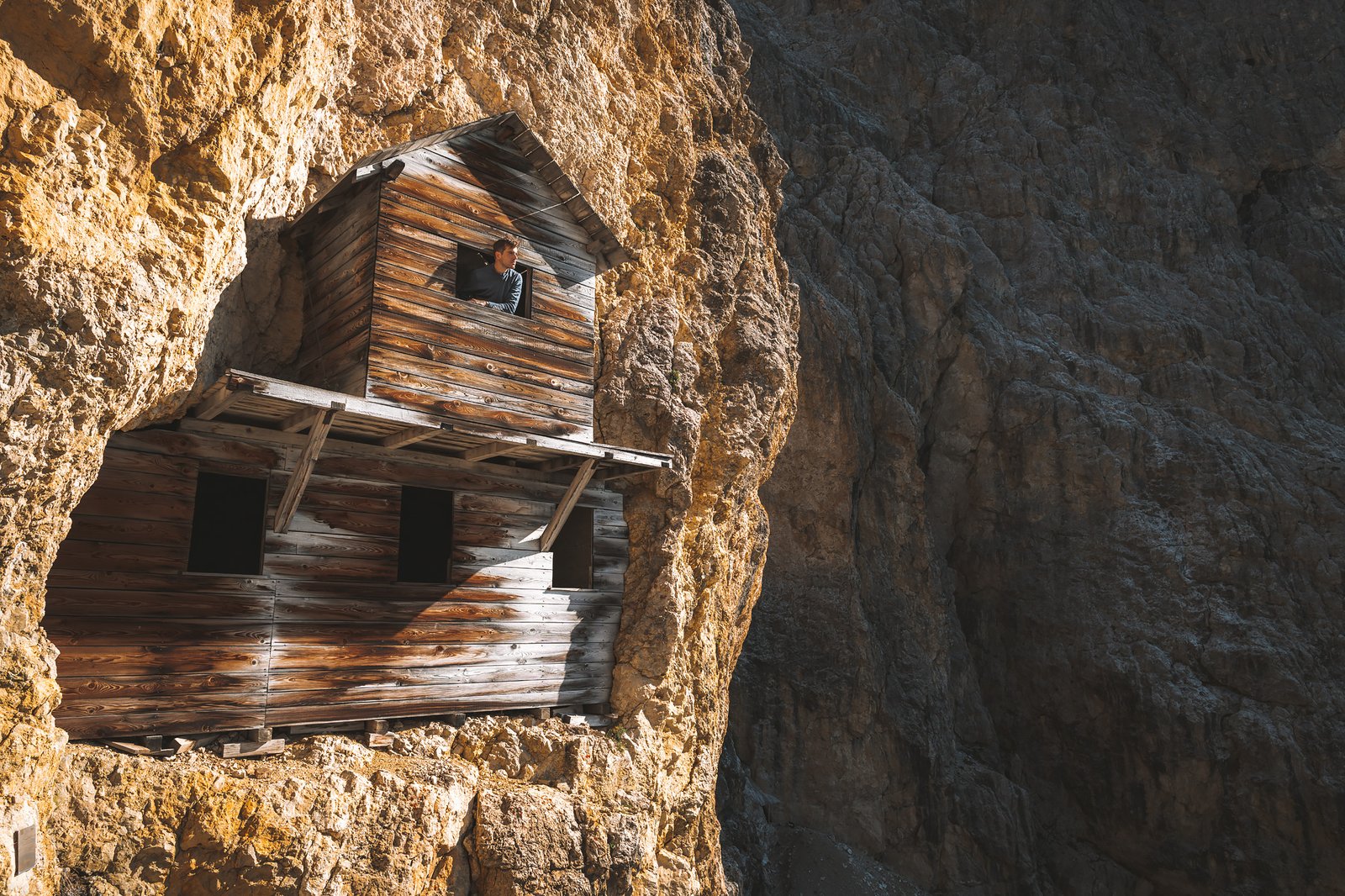
Near the bottom of the tunnel system, after a detour, lies Cengia Martini. From a distance, it is striking, a narrow ledge cutting across a steep rock face. Reaching it is another matter. Parts of the path have collapsed, and other sections are loose and exposed. Still, I managed to get there.
Up close, it reveals something different. The ledge is wider than it appears in places, and carved into the rock are the remains of simple wooden rooms, basic shelters once used by soldiers. Standing inside them changes your perspective entirely.
And then there is the climb itself back to the summit, long, in complete darkness, with no clear sense of distance or direction. The tunnels seem endless, splitting into multiple branches, making it easy to get lost. Eventually, after longer than expected and several attempts, the exit appears, quietly, almost unexpectedly, just behind the rifugio itself, surrounded by rocky trenches.
Toward Cinque Torri
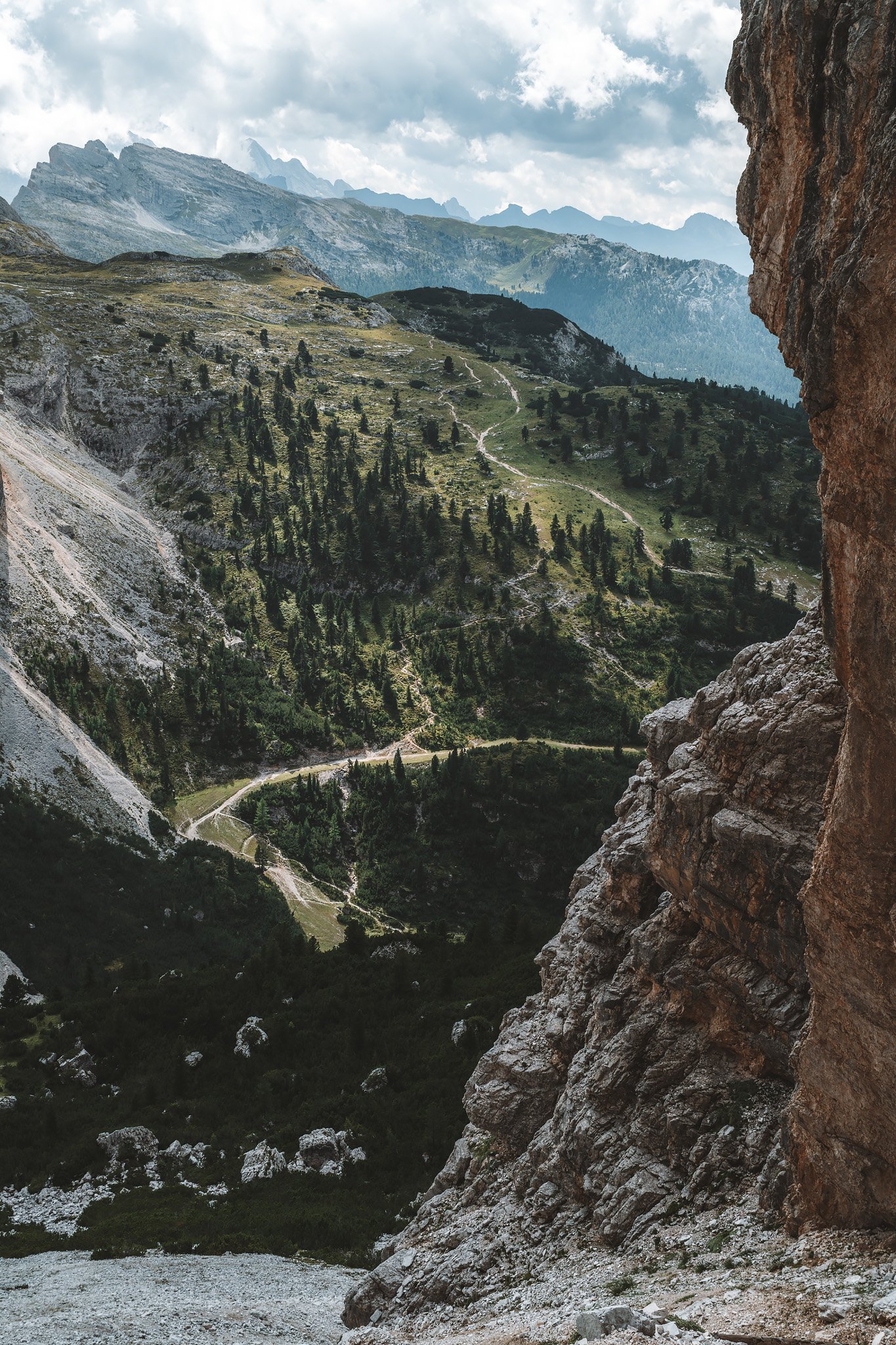
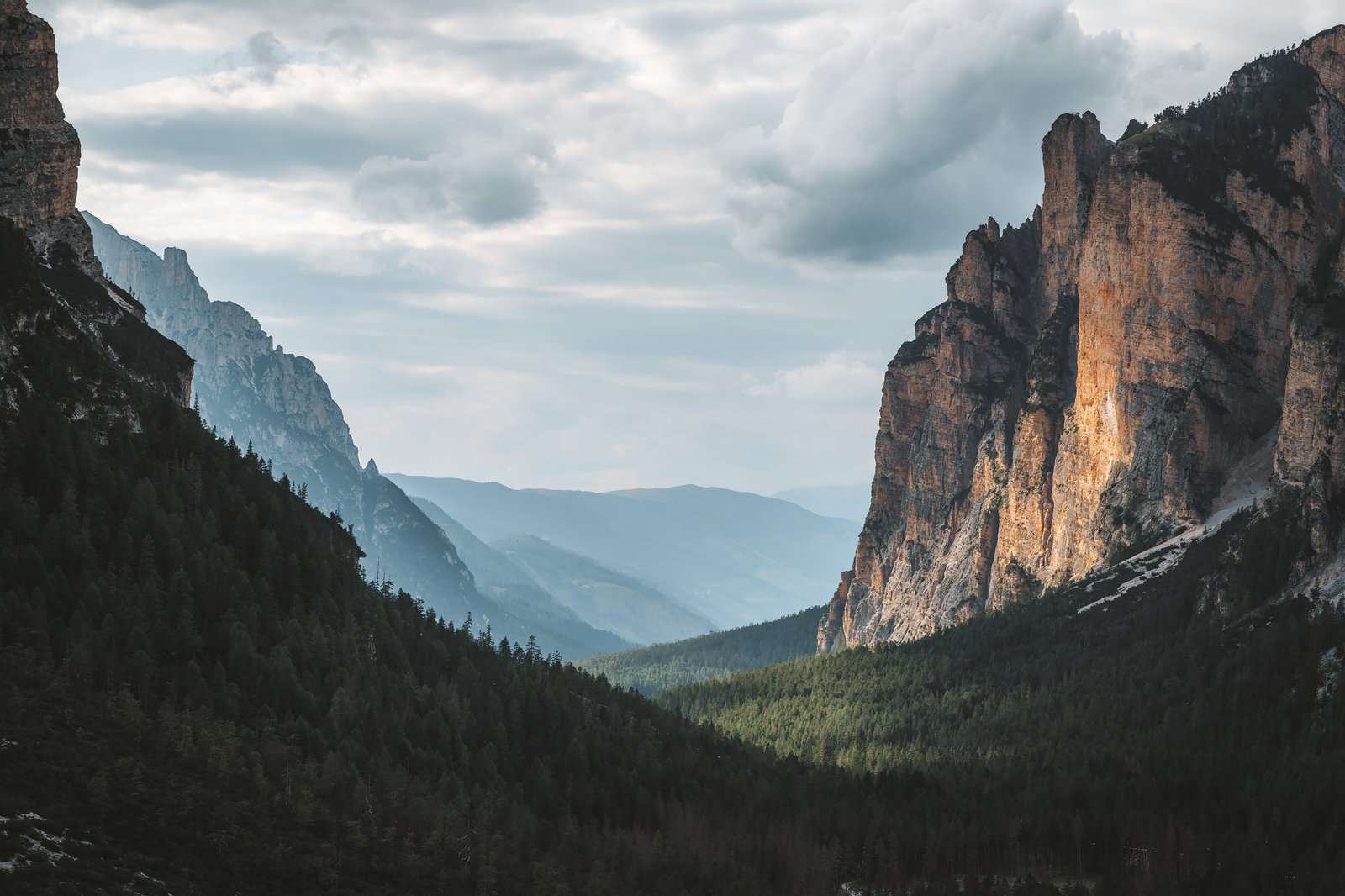
The descent from Lagazuoi is long and continuous. As you go down, the terrain softens. The forest returns.
The transition between the Tofane and Cinque Torri passes through dense woodland, mainly spruce and larch. Light filters unevenly through the canopy, creating alternating bands of brightness and shadow. The ground shifts between soft layers of needles and exposed rock.
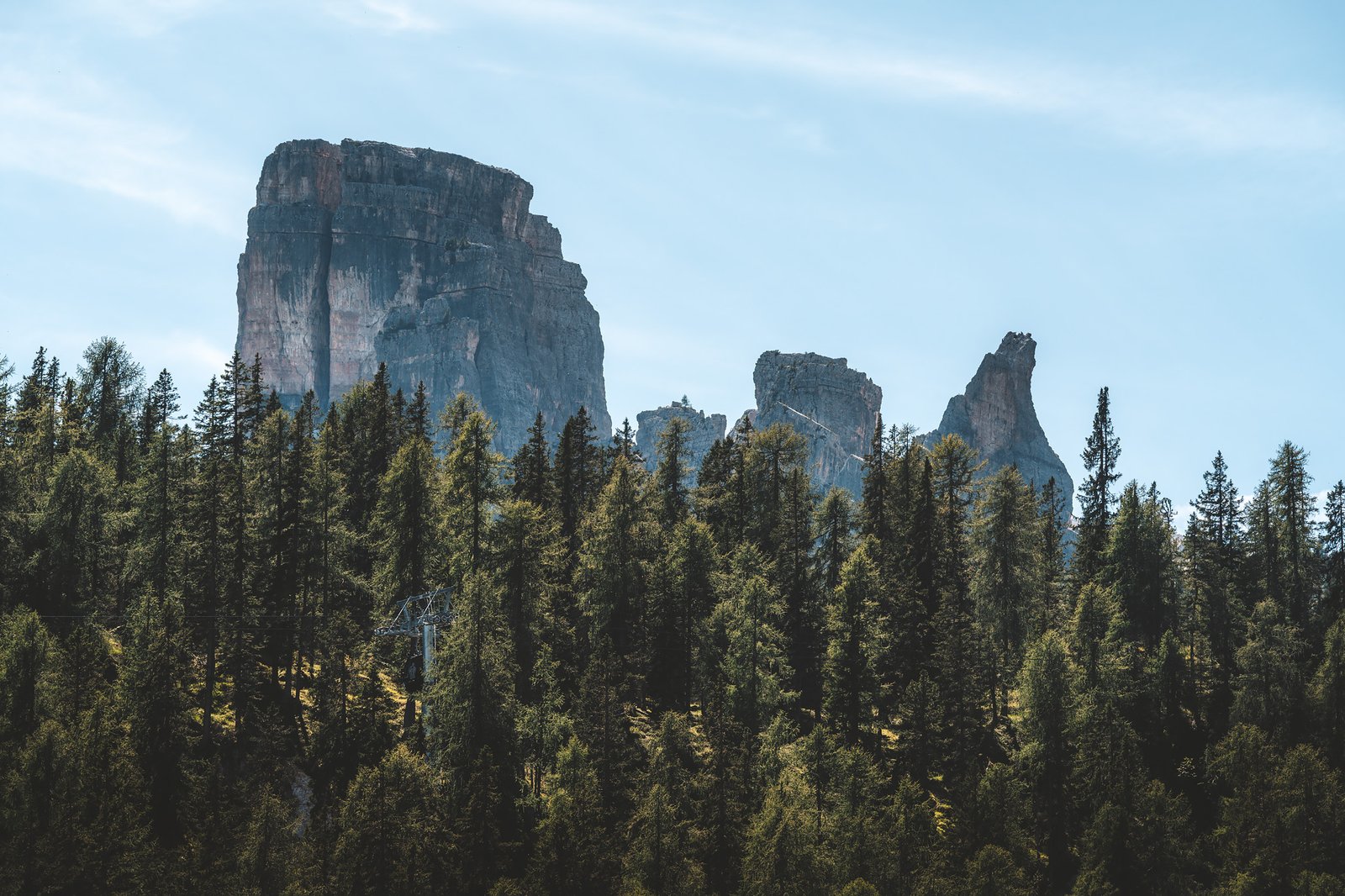
This section feels quieter, more enclosed. And then the landscape opens and Cinque Torri emerges to your right.
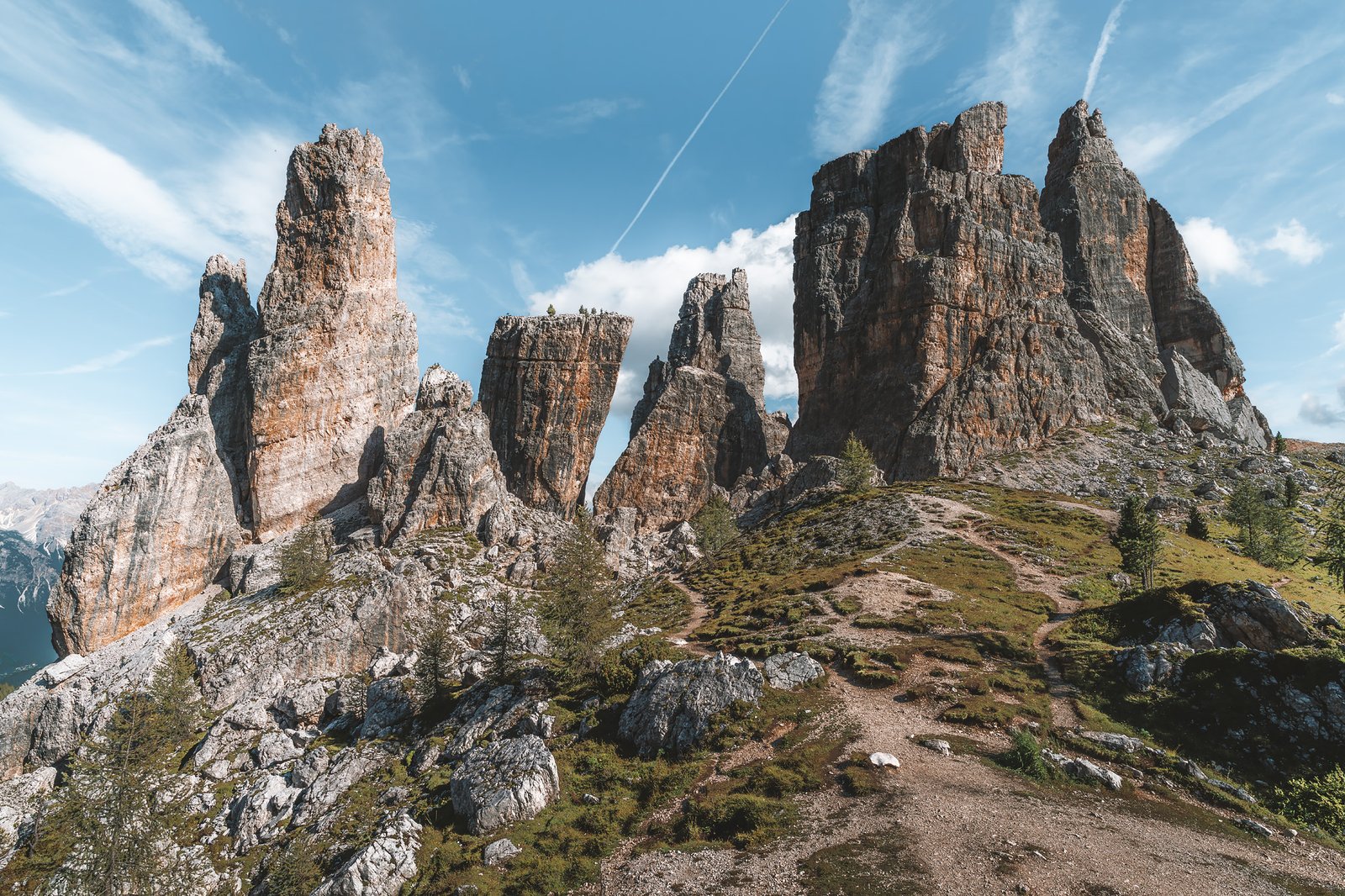
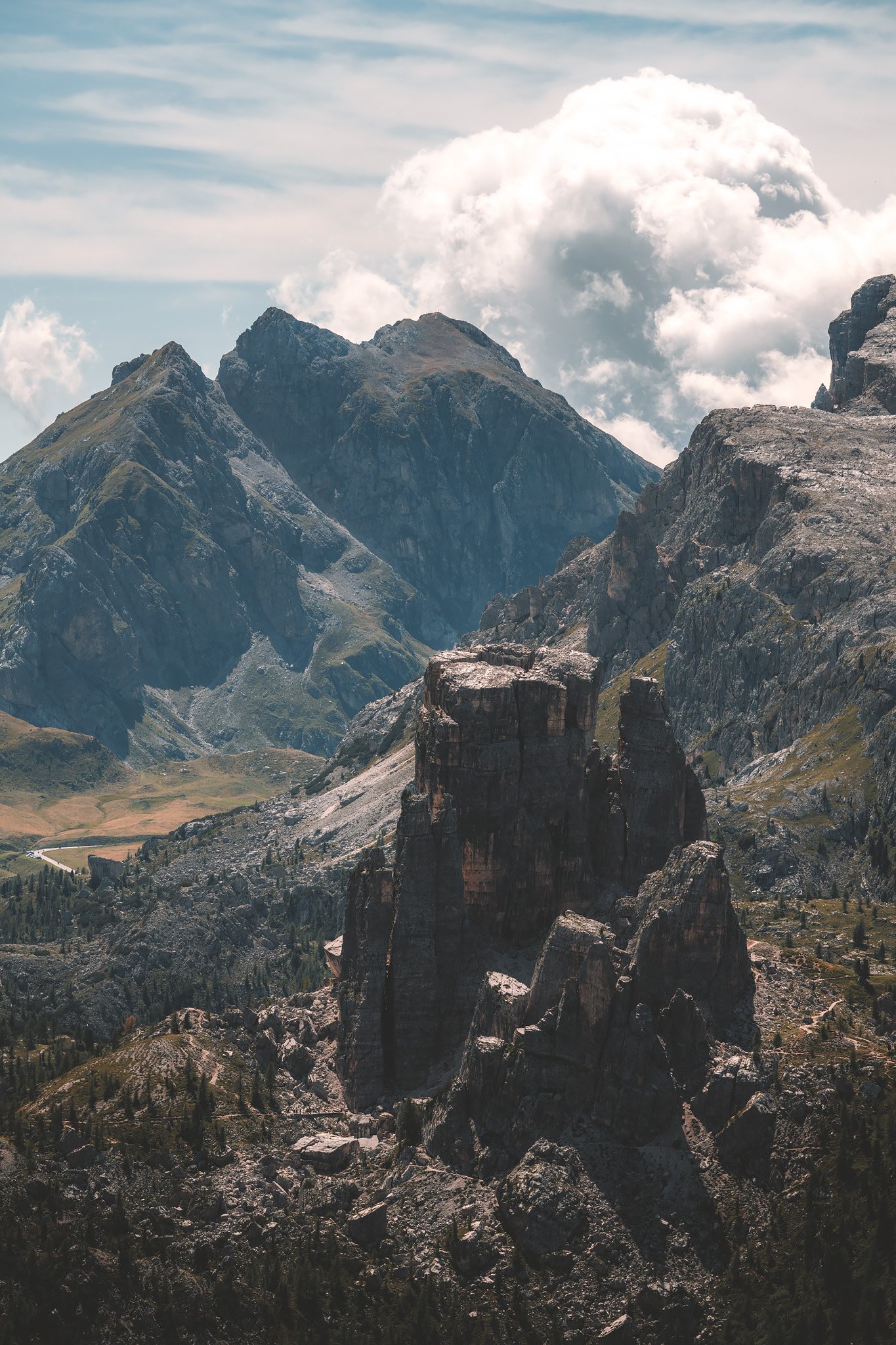
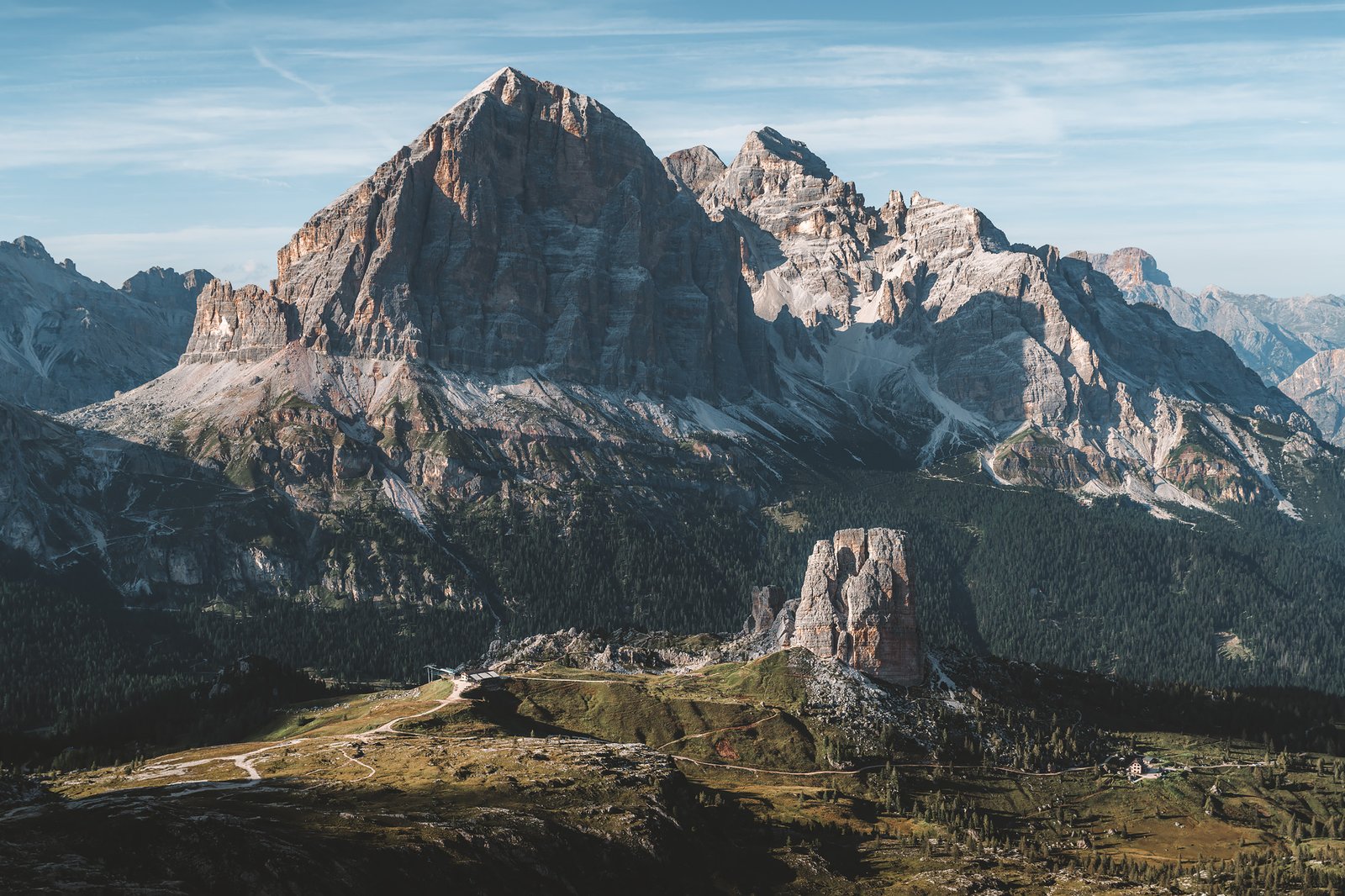
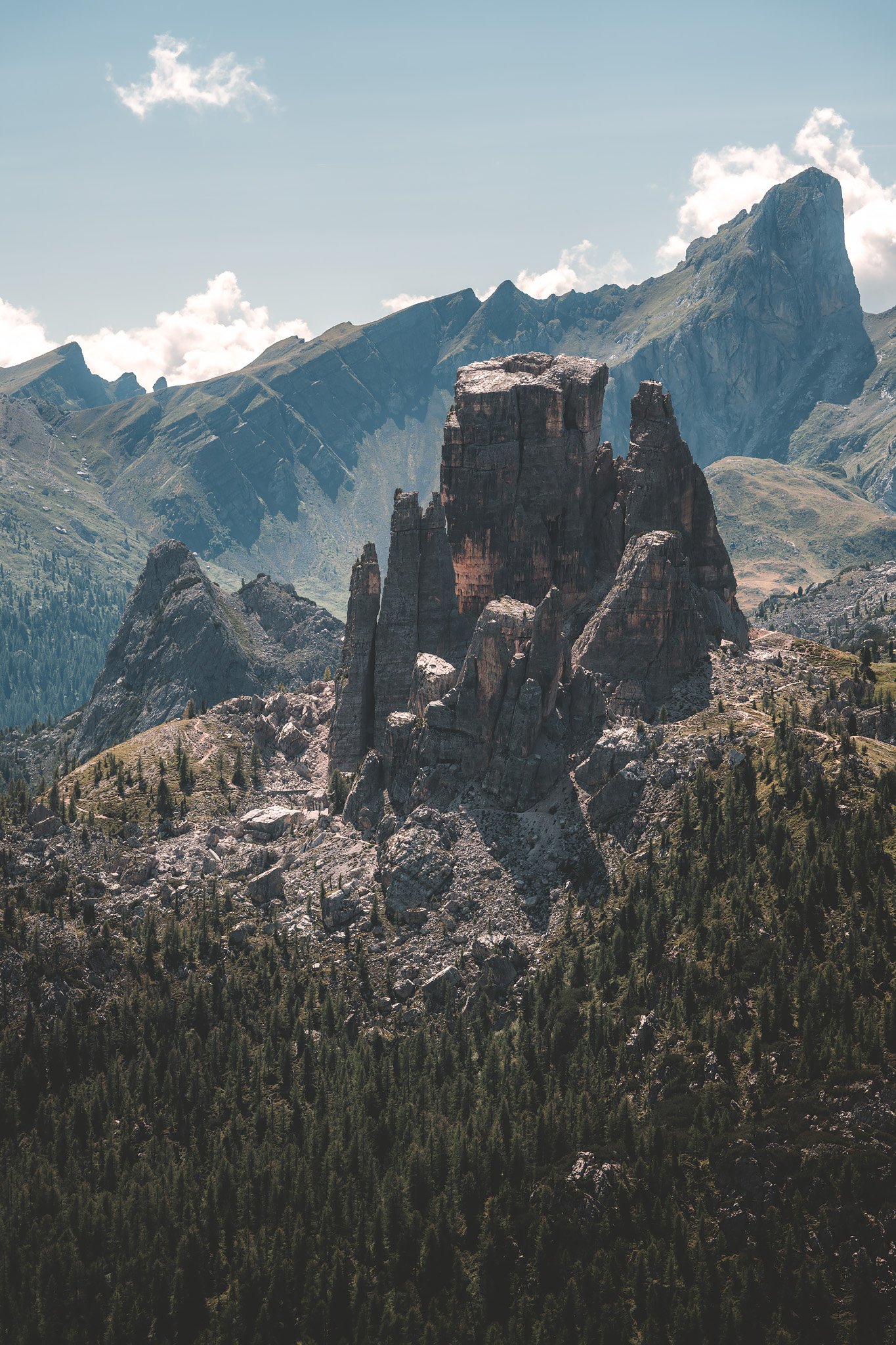
Five vertical towers rise from the ground, each distinct in shape and structure. From below, they are easier to distinguish than in most photographs.
What stands out is how much they change depending on perspective. From one angle, they appear compact. From another, separated and independent. The time of day reshapes them completely, light defines everything here.
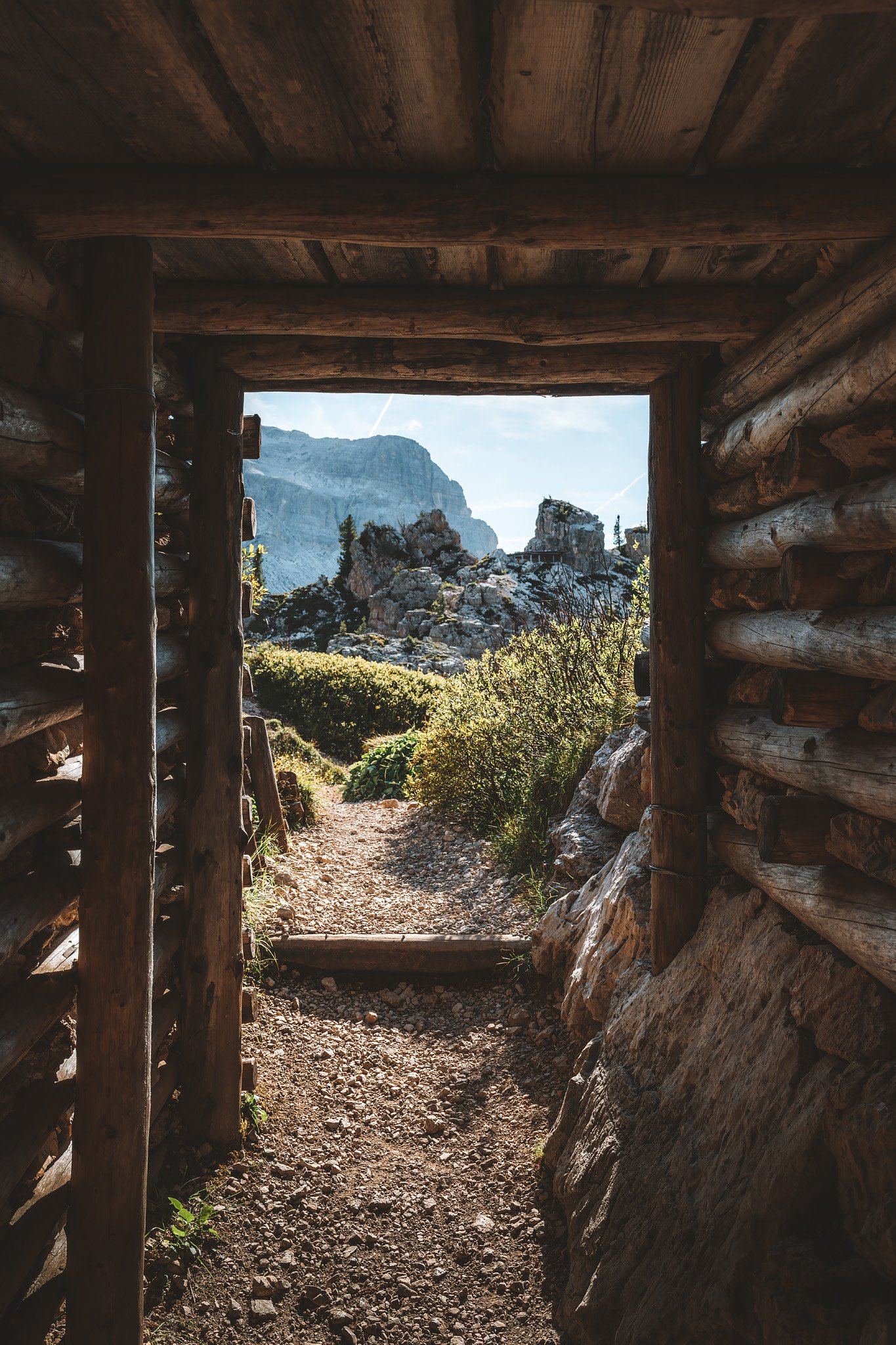
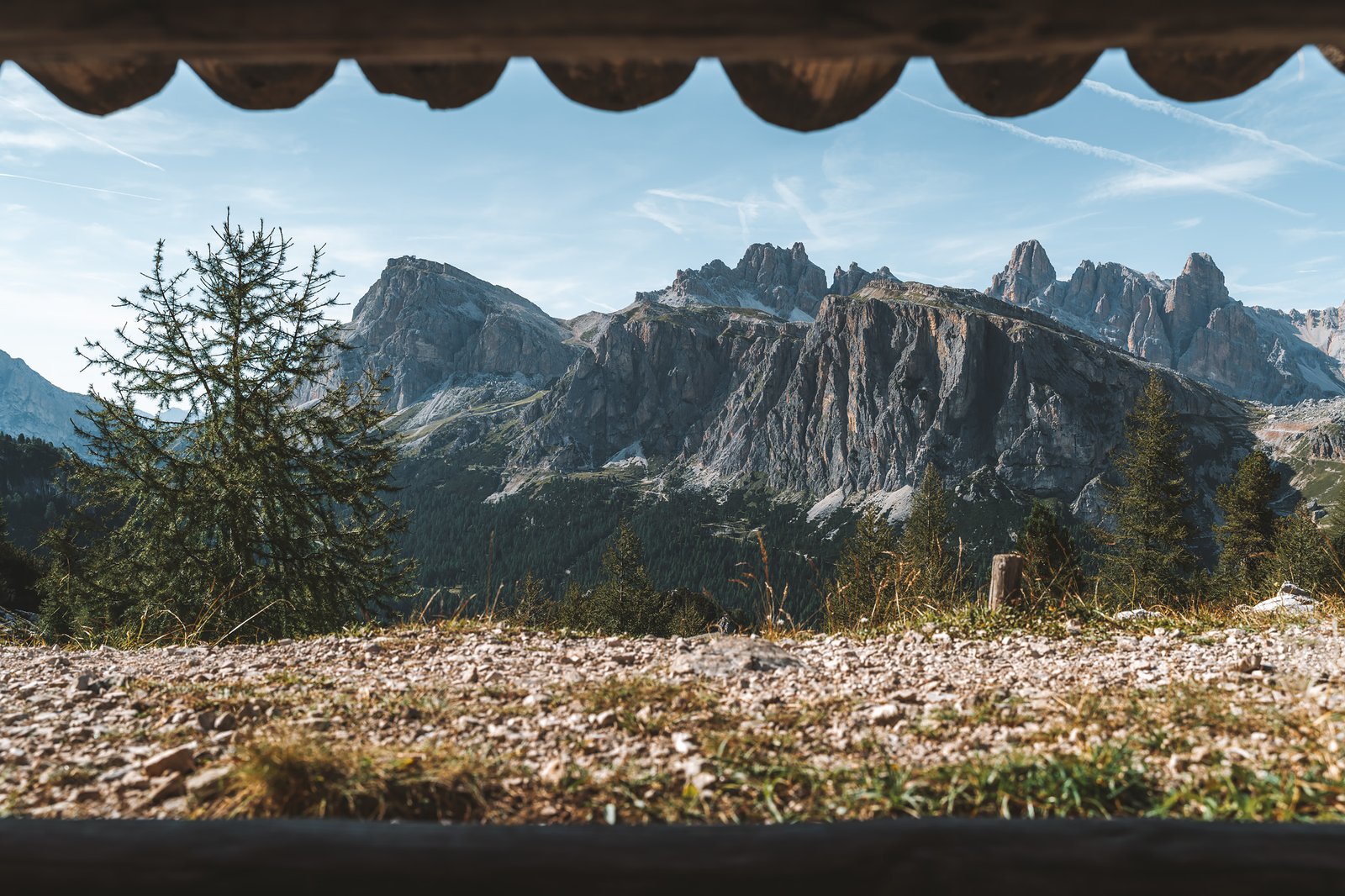
An open-air museum spreads across the slope. You can walk through trenches, wooden structures, and reconstructed positions. You follow the same lines once used in war, understanding how the terrain shaped movement and strategy.
Meanwhile, rock climbers move along the rock faces, giving scale to the towers.
Nuvolau
From Cinque Torri, the trail climbs again, first to Averau, then to Nuvolau. The final stretch is relatively short and exposed.
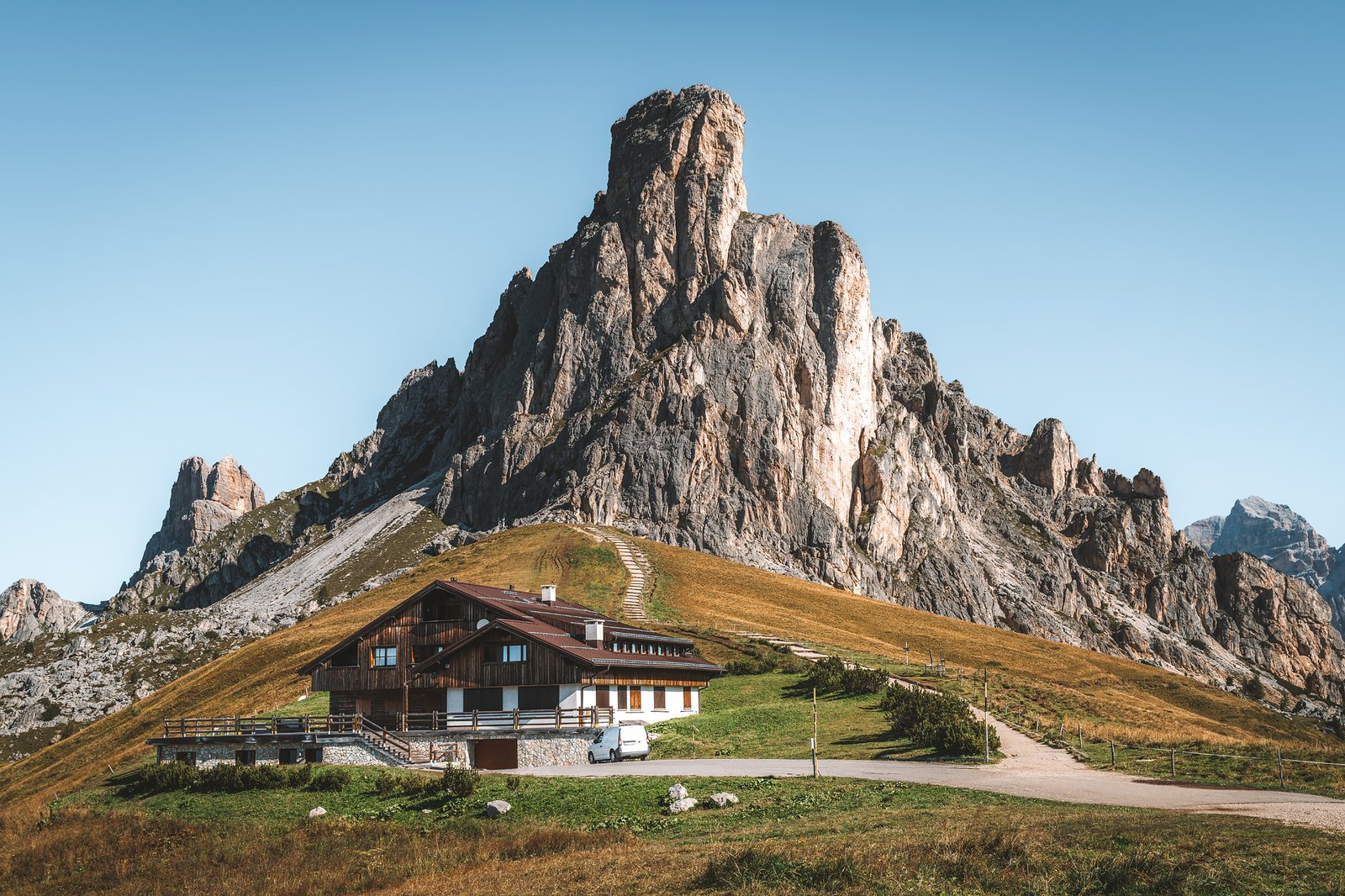
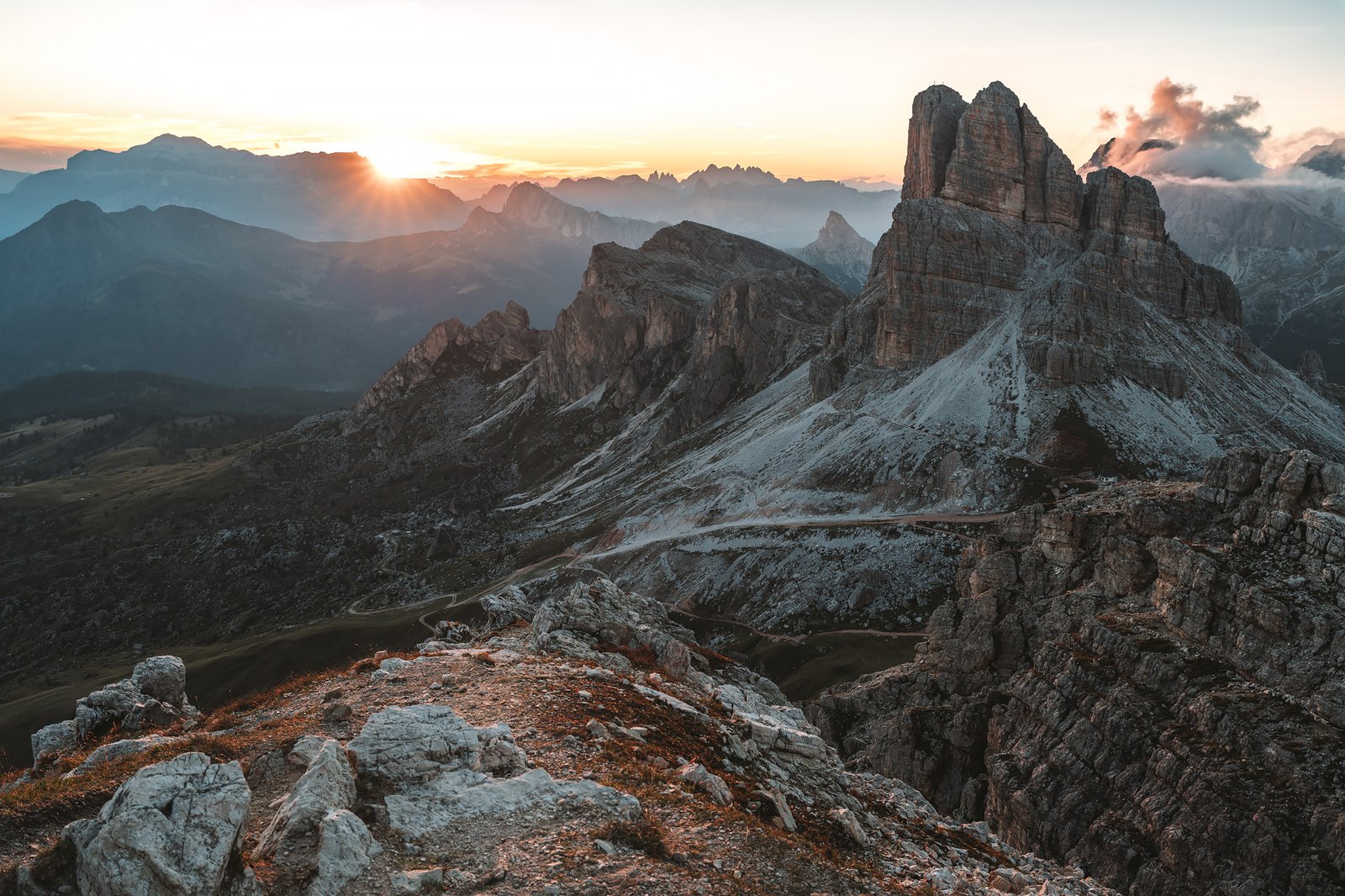
Nuvolau sits on a rocky summit with no gradual transition. One moment you are climbing, the next you are completely exposed to the horizon. The views are overwhelming.
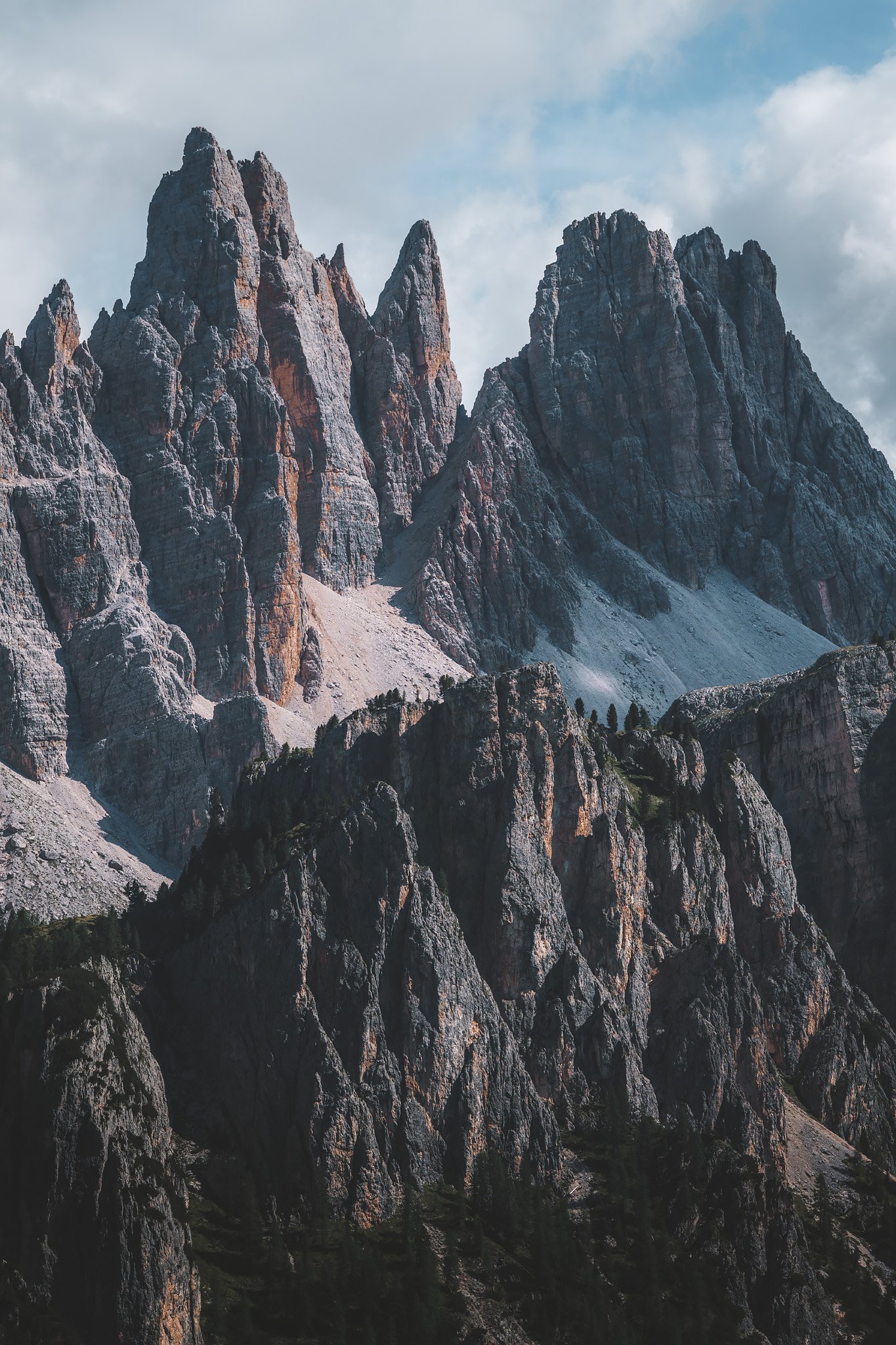
From the terrace, Cinque Torri lies below. Behind, the Tofane dominate. In the distance, opposite to the towers, Civetta and Pelmo appear once again. Mountains extend in layers in every direction.
Once in the rifugio, after yet another fantastic dinner with a great conversation with an Austrian I had met the night before and a Swedish couple on their honeymoon, sunset gathers everyone outside. The light moves constantly across the peaks. There is no single focal point, only shifting compositions depending on where you look.
Stage 4. Rifugio Nuvolau – Rifugio Venezia
Distance: 24.30 km · Elevation Gain: +1076 m · Elevation Loss: −1870 m · Technical Difficulty: Very Difficult
The following morning is just as striking. The sunrise is sharp and clear. Light reveals textures and details of the Averau massif that were hidden the evening before.
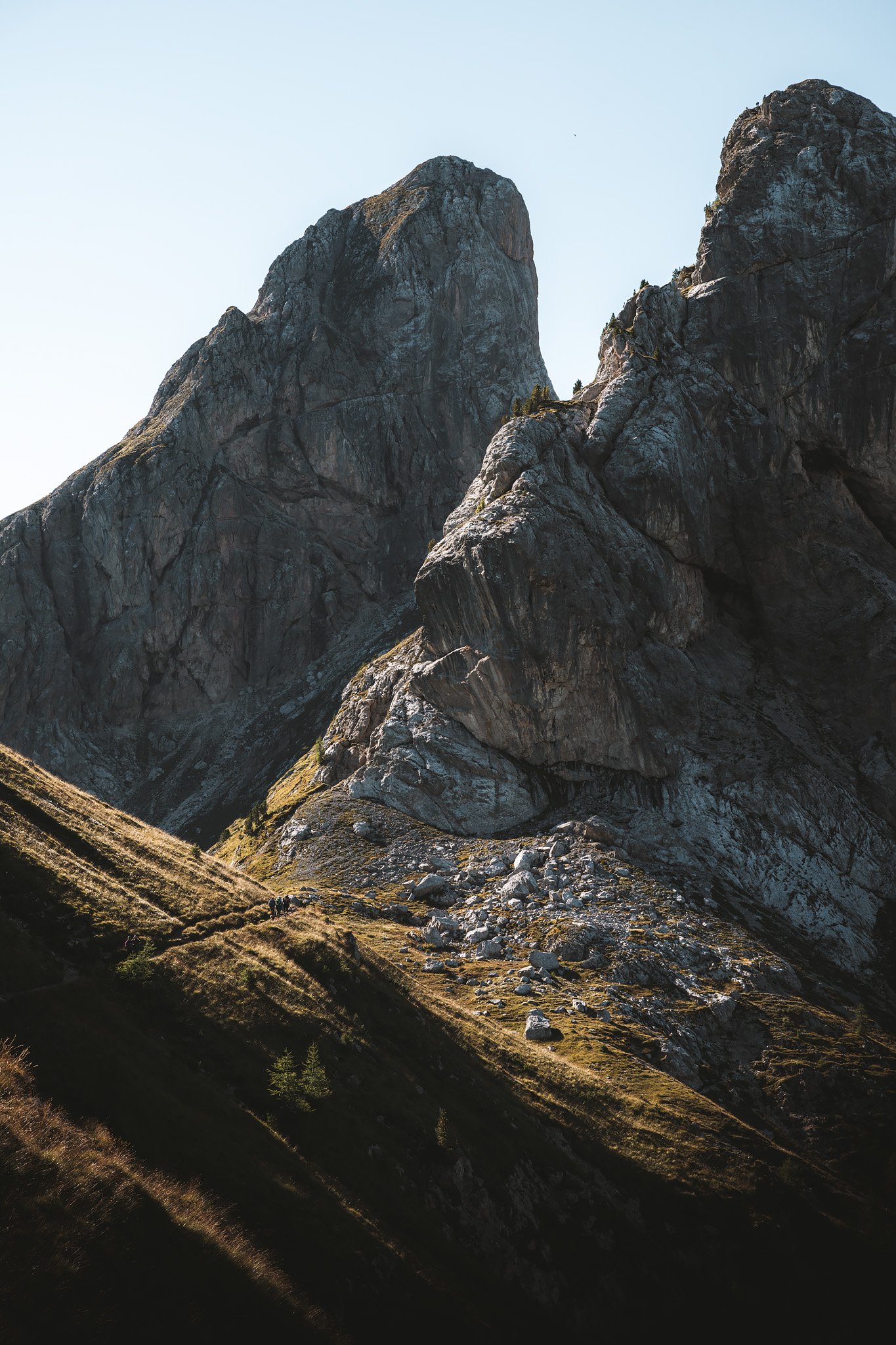
The descent toward Passo Giau is quick but challenging. Rock gives way to open grasslands, with occasional narrow and exposed sections.
Passo Giau is one of the few places along the Alta Via 1 accessible by road. People arrive by car or bicycle, bypassing sections of the trail entirely. And yet, it loses none of its impact.
From here toward Lago Federa, the route crosses one of the most beautiful meadows of the entire journey. Wide open spaces bordered by steep cliffs. Horses grazing freely around Lago delle Baste. There is also a small Neolithic settlement, now largely abandoned and difficult to reach, but another layer of history in the landscape.
A detour leads down to Lago Federa. The lake sits beneath steep slopes and reflects the surrounding peaks with near-perfect clarity when the water is still. The rifugio there serves as a great spot for a quick snack and some rest.
This is also a well-known cycling route, with riders making their way up the rocky tracks.
From above, the entire basin opens up.
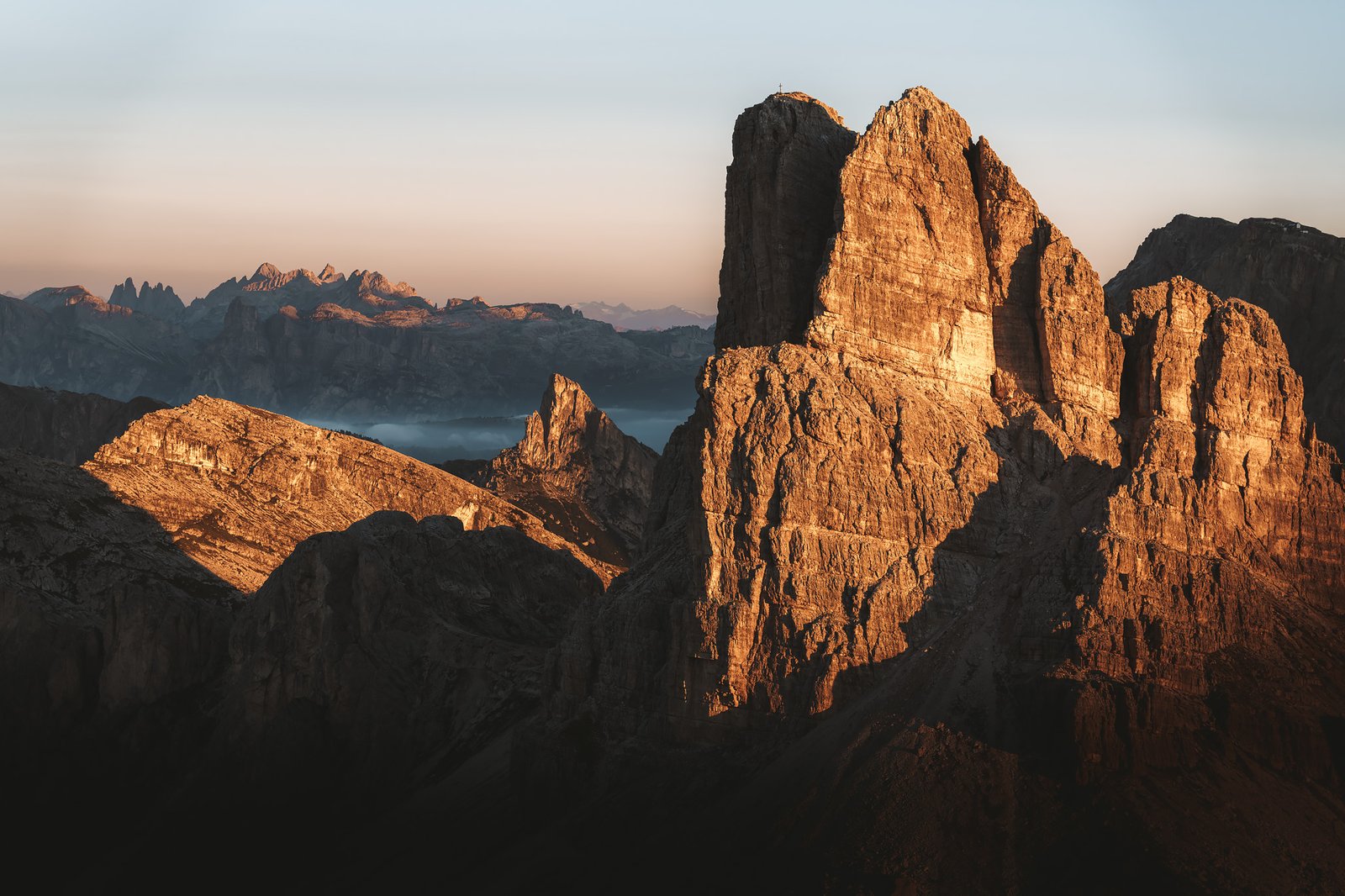
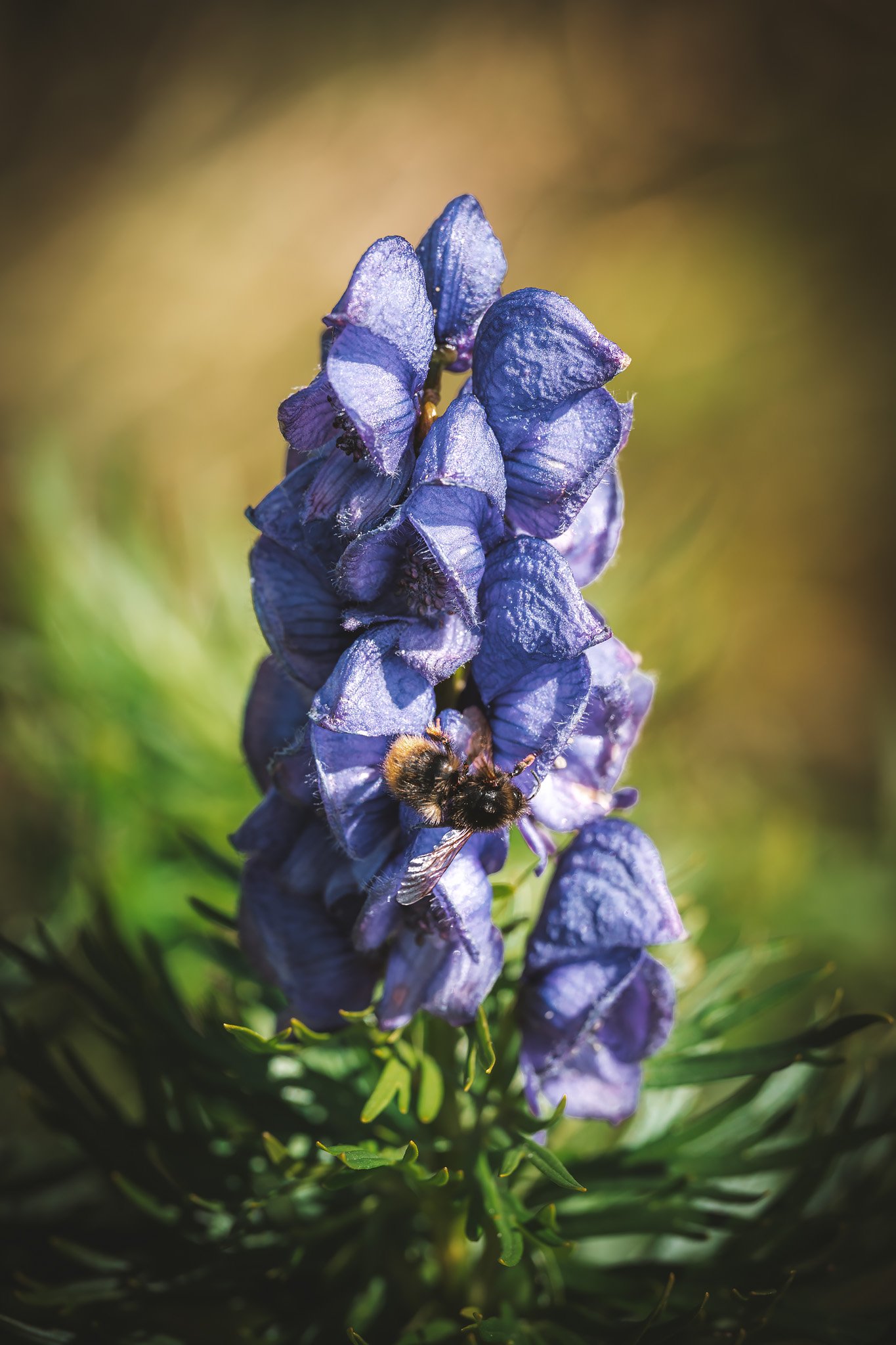
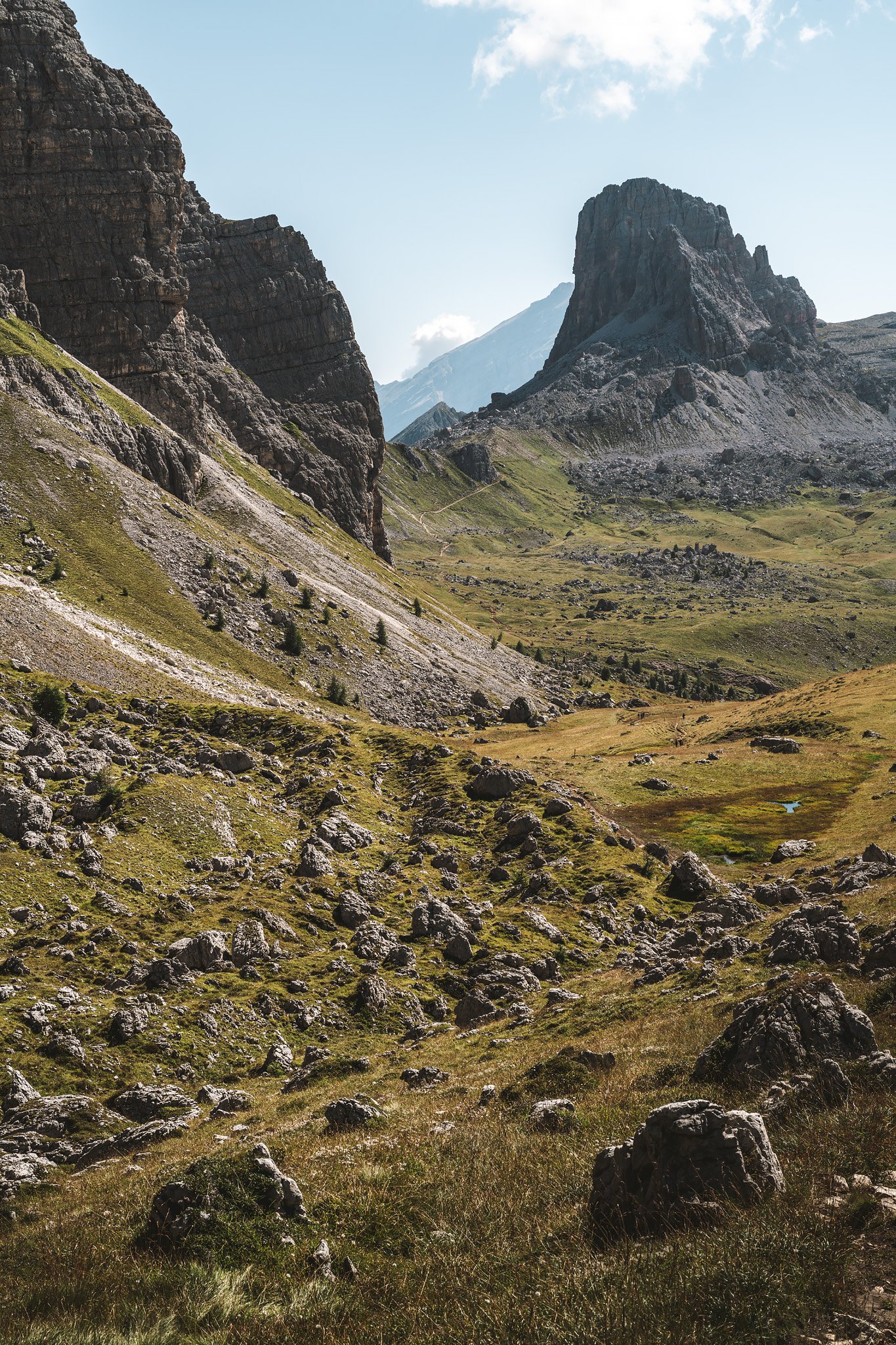
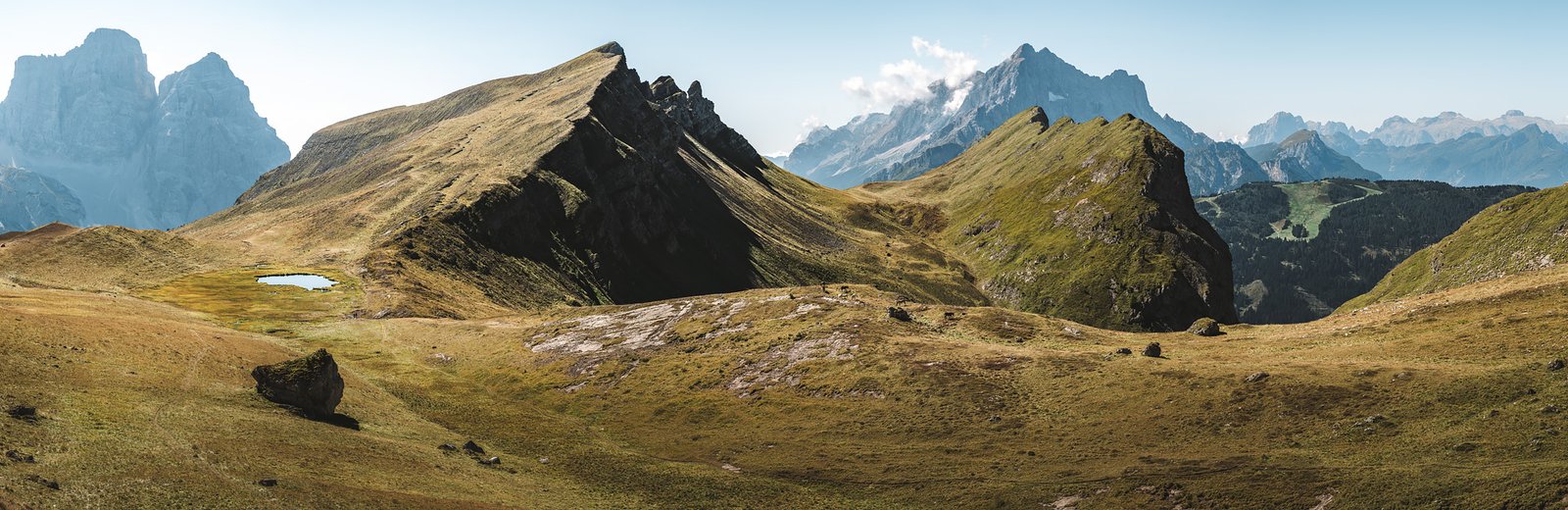
A lunar Landscape – The Trans-Pelmo Route
After coming back from a short hike around Lago Federa, the route changes completely. The Trans-Pelmo AV1 alternative is less traveled, and far more technical.
It begins in forest with a steep initial climb, then quickly turns into unstable terrain. Poles become essential. In some sections, cables provide support, and many hikers use via ferrata gear.
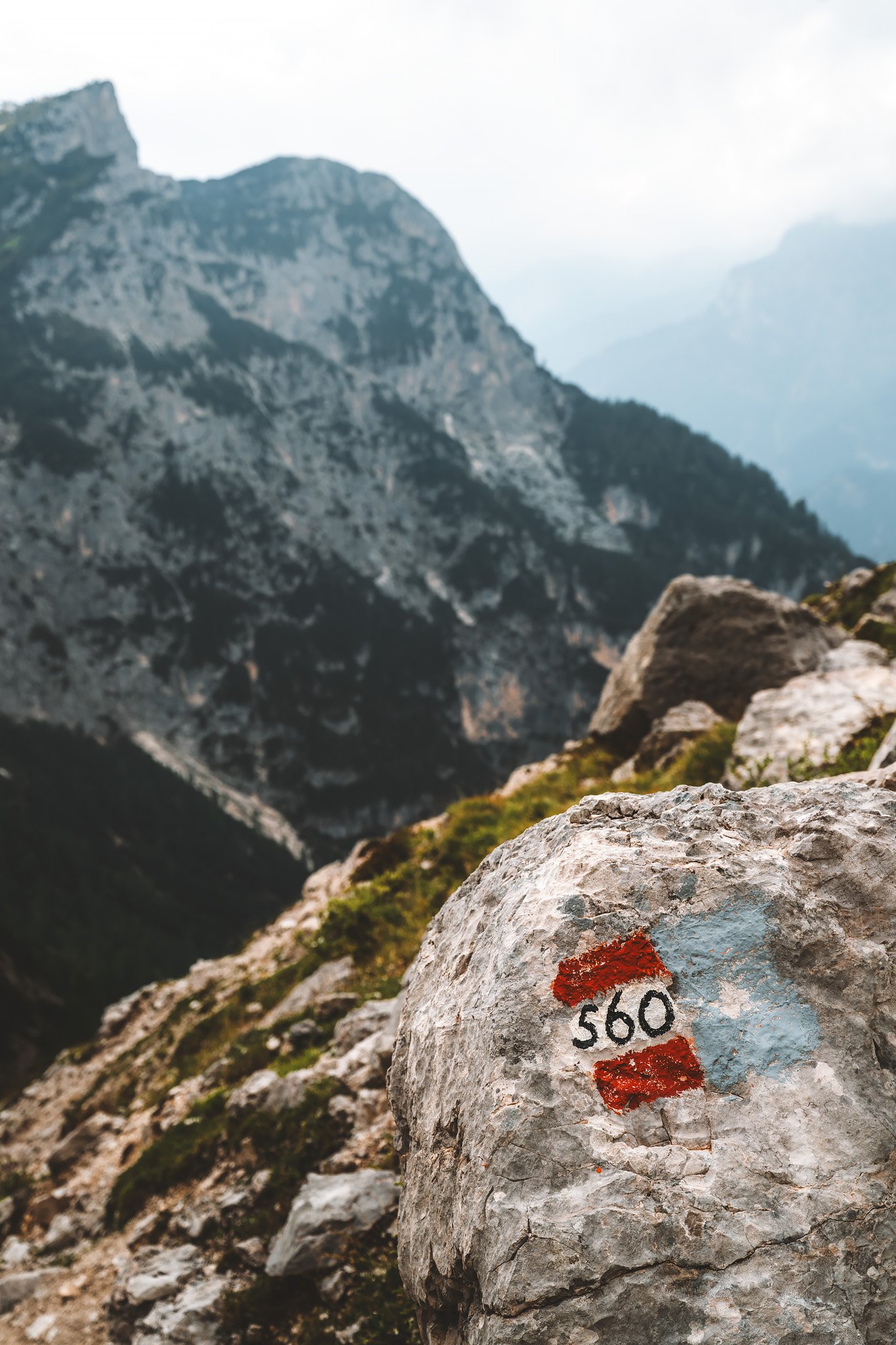
The markings are not always clear. It is easy to miss them, I did, more than once. Even when paying attention, it is possible to lose the path, and sometimes you have to stay calm and focus to minimize risk.
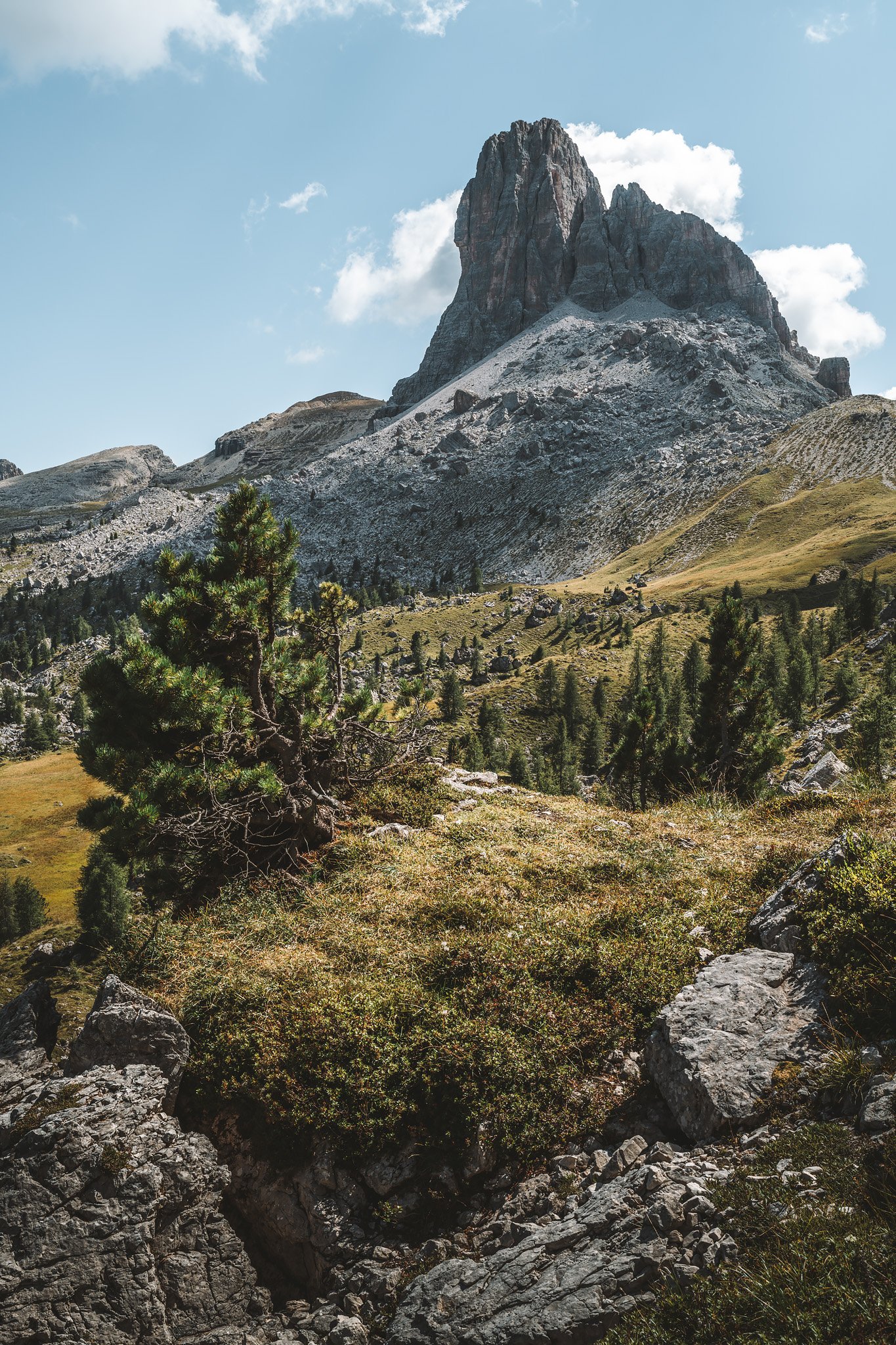
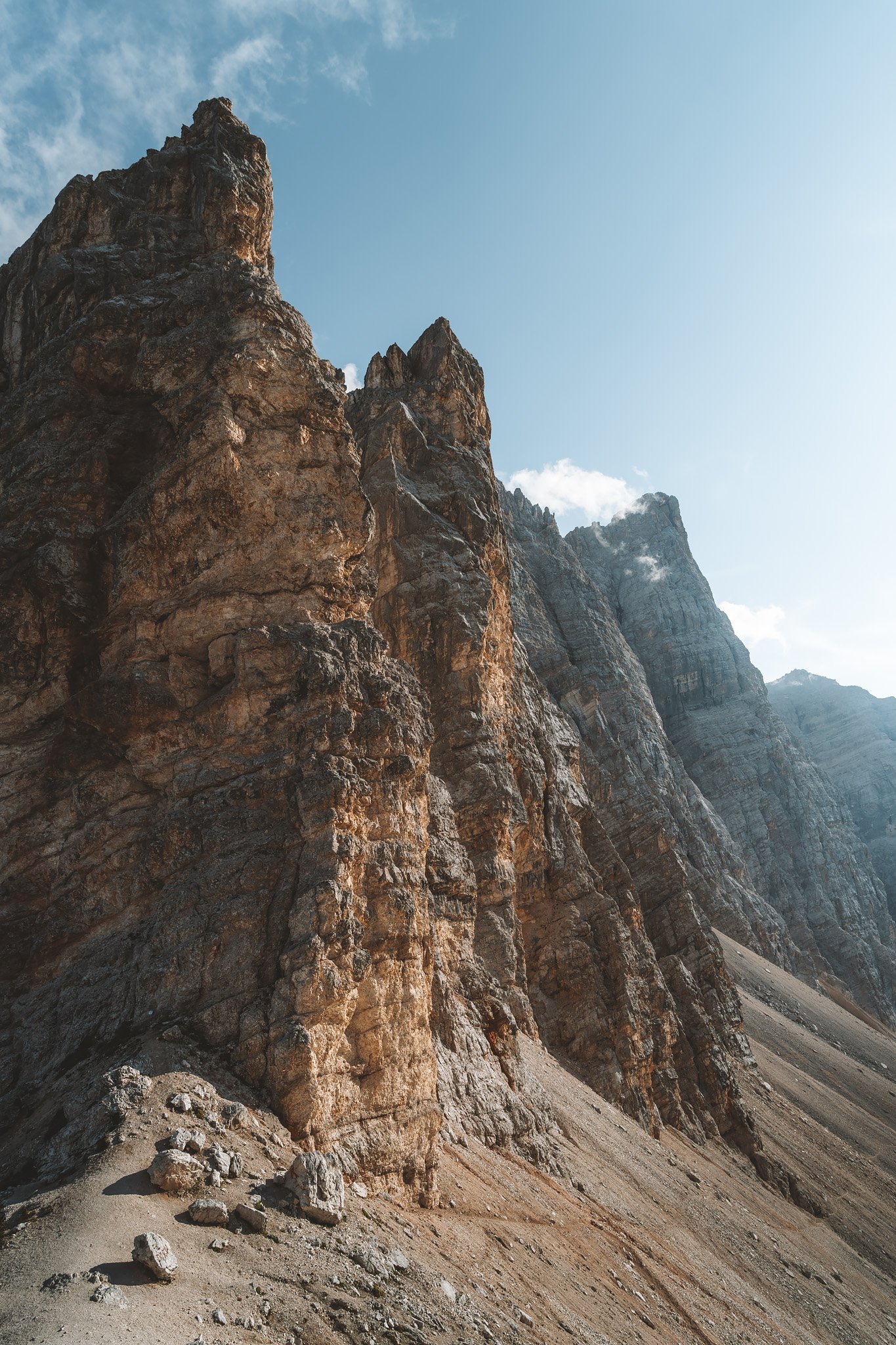
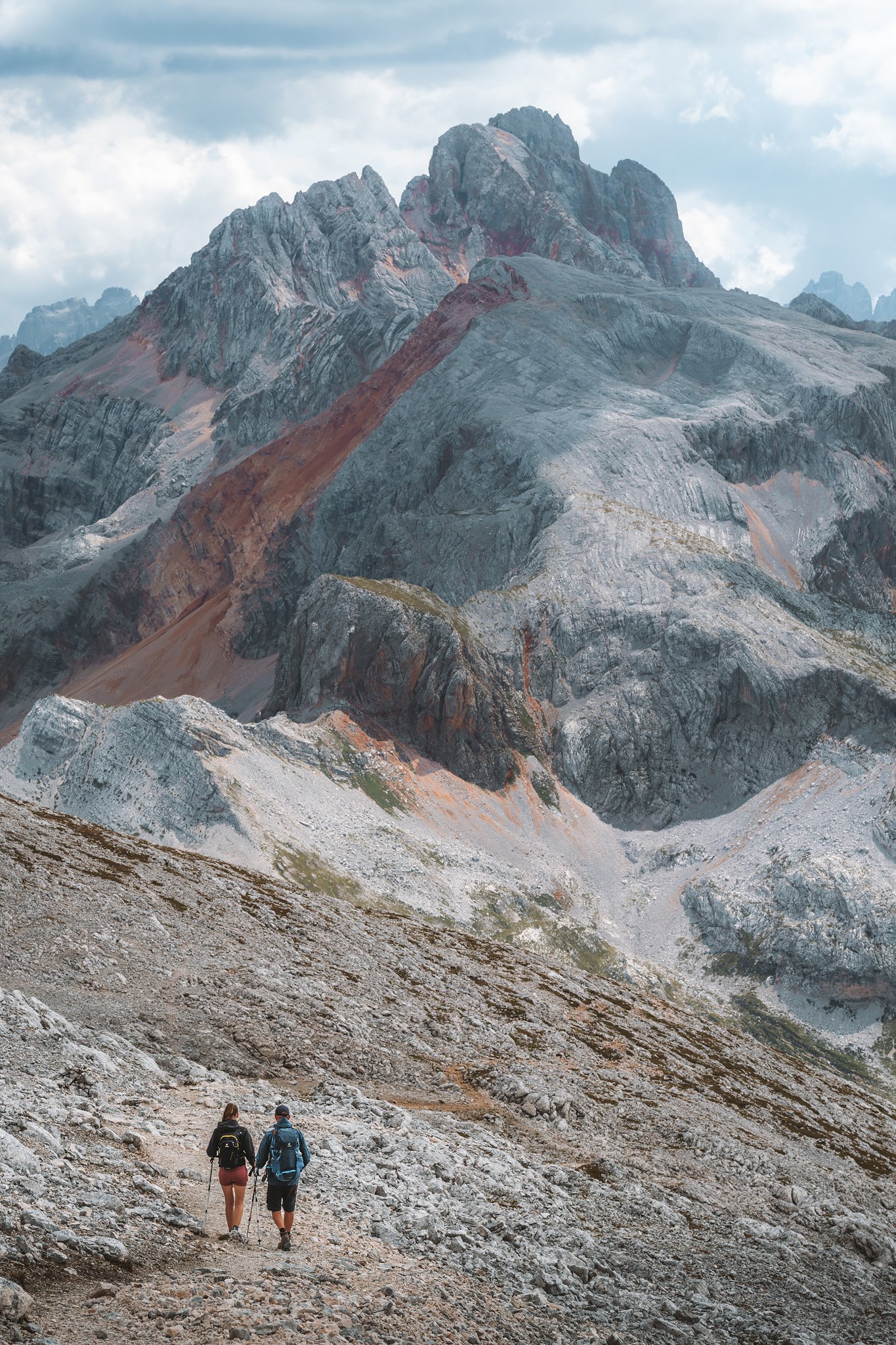
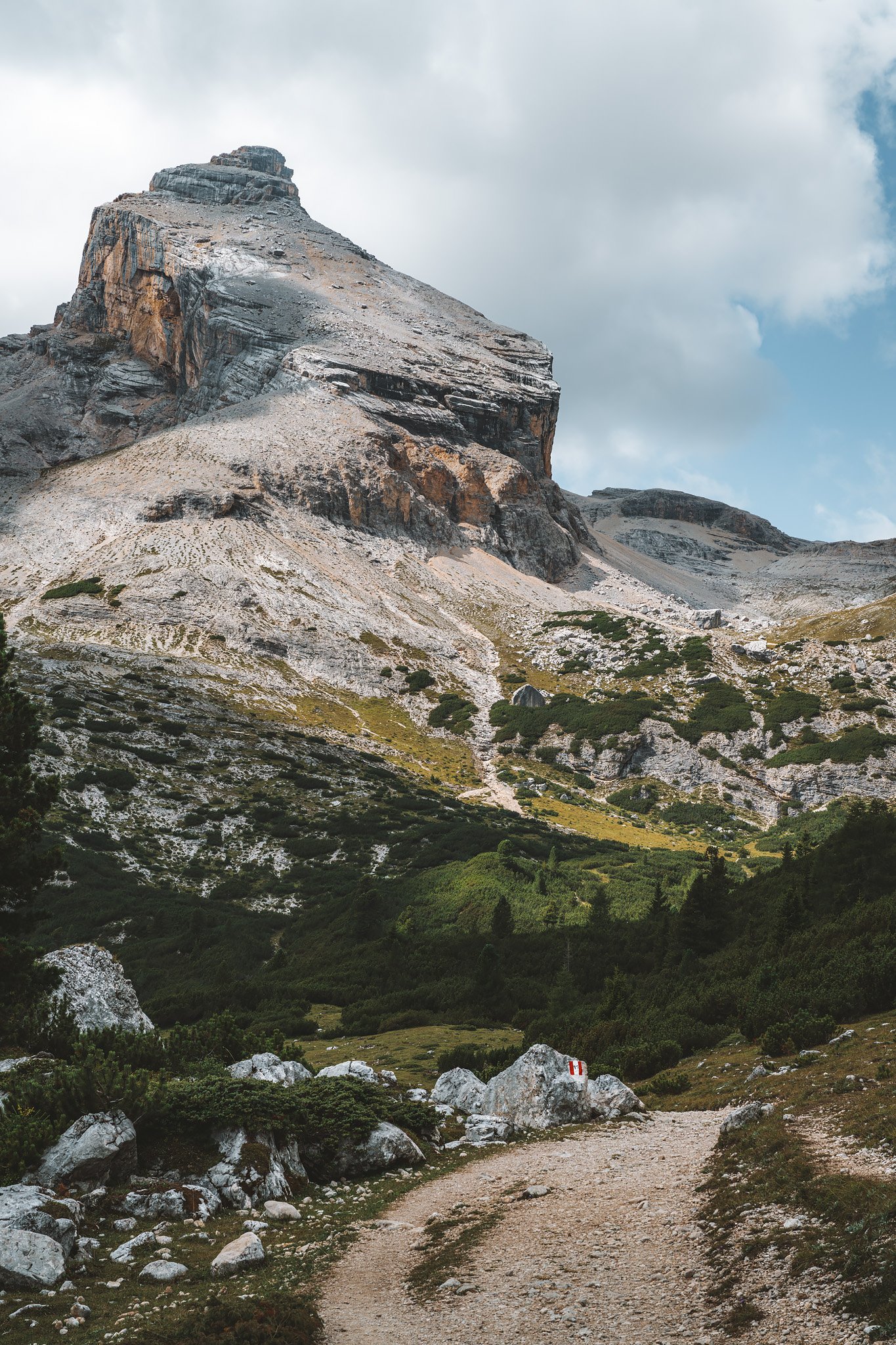
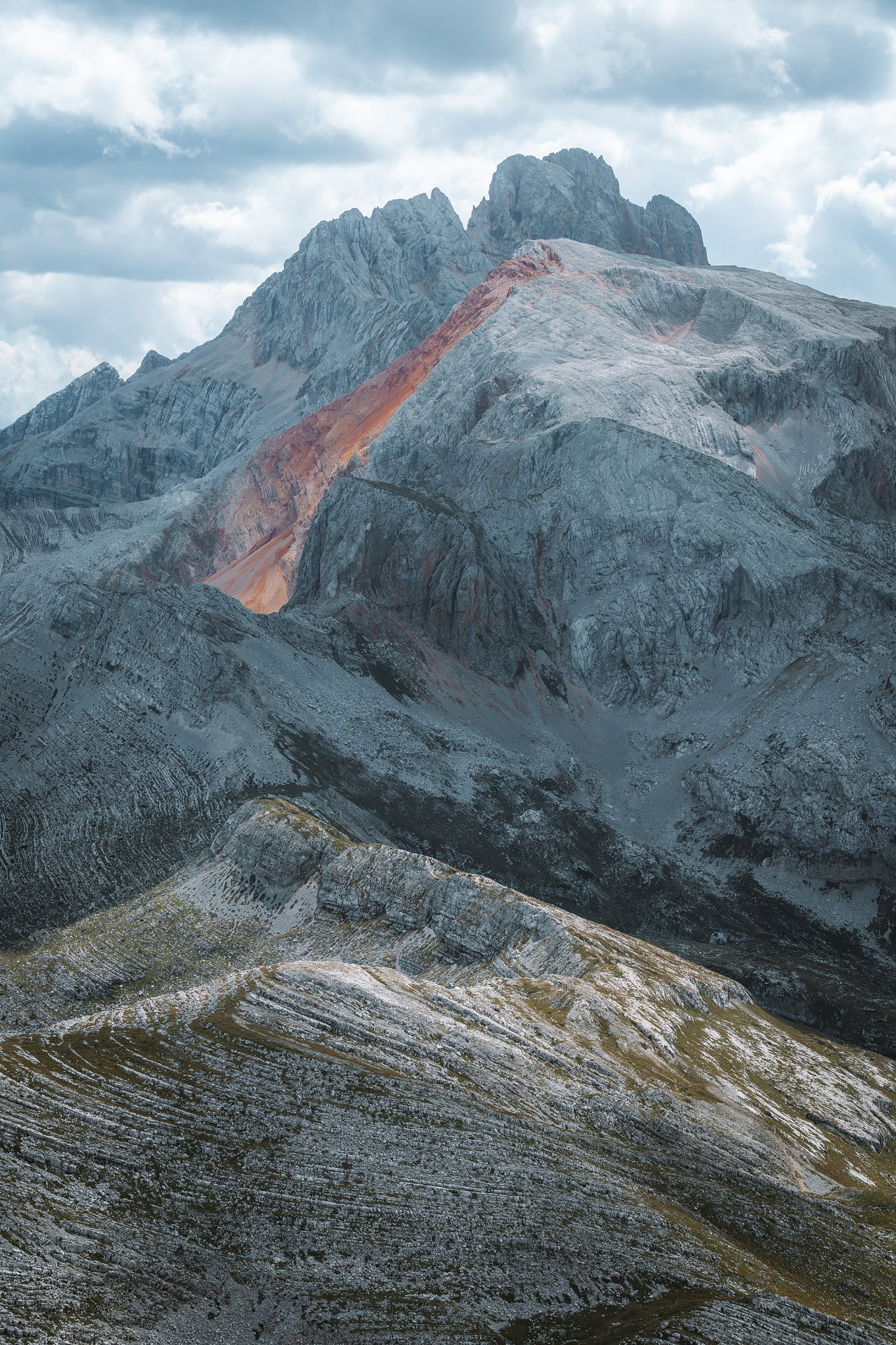
Higher up, the landscape becomes almost entirely rock. Pale, irregular, with almost no vegetation. A lunar terrain where orientation depends entirely on the red and white markings and, if you are lucky, other hikers showing the way.
The highest point is the Passo Val d’Arcia. From there, the descent begins.
The zigzag path to the right, slippery, irregular, and easy to miss, is still the better option. The alternative on the left is more exposed, more technical, and significantly more demanding, despite appearing more direct. Two hikers ahead chose the latter and arrived at the rifugio two hours after me, in complete darkness.
Even on the correct route, the descent is long and physically draining.
The Far Side of Pelmo
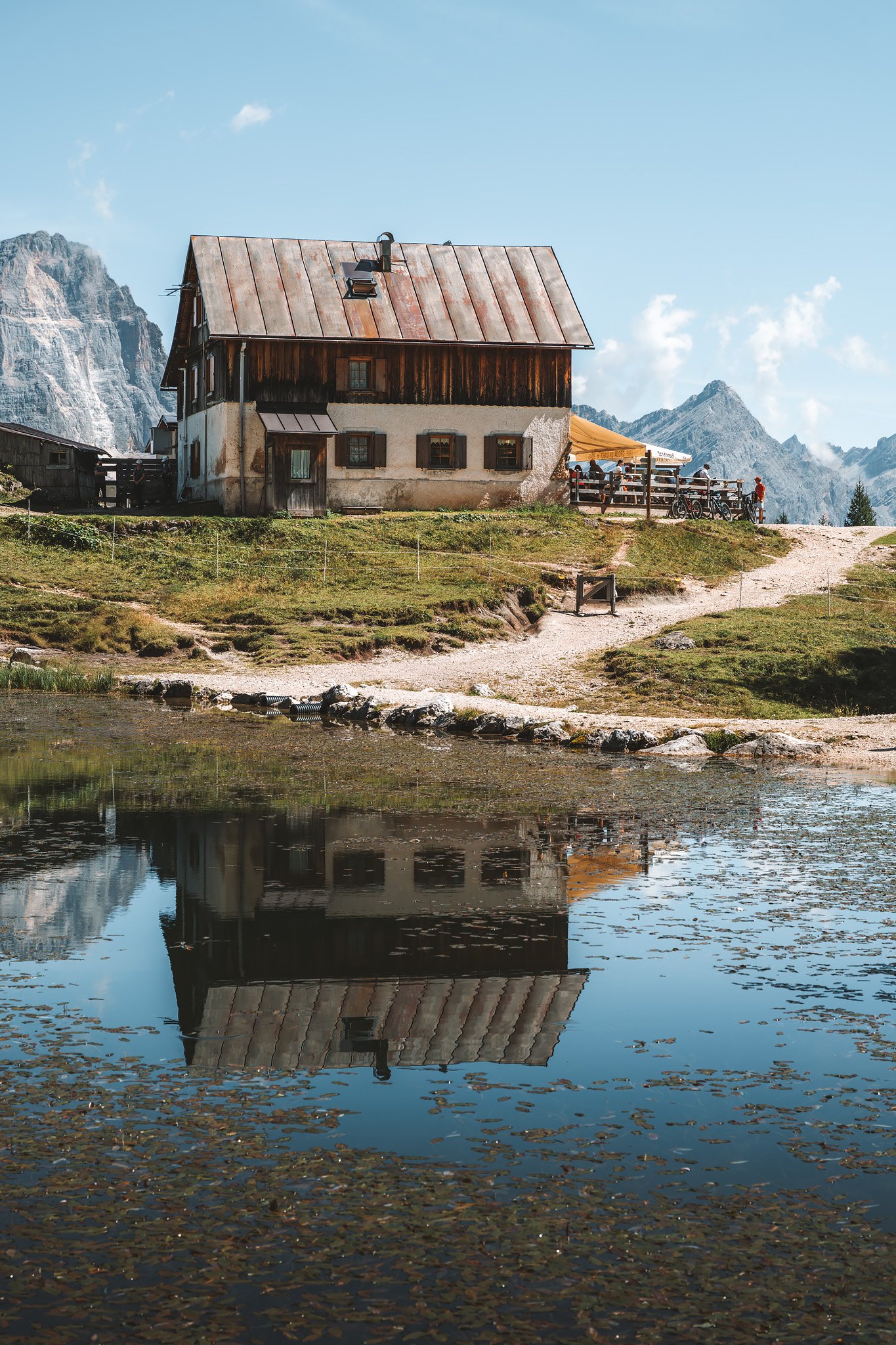
Rifugio Venezia appears late. It is partially hidden behind Monte Pelmo, only revealing itself when you are already close. Compared to previous refugios, it feels quieter and less crowded.
Most hikers arrive from the easier side. Approaching from the Trans-Pelmo route changes that completely.
At some point during these days, something shifts. This is no longer just a hiking route. Lagazuoi makes that clear first, through the tunnels, the trenches, the physical traces of what happened here. But it is way more than that. Cinque Torri, Nuvolau, Passo Giau, Pelmo… Each place offers something distinct. Together, they build a different understanding about the Dolomites and its true nature.
You begin to realize this is not just another hiking destination. It is a place where history remains present, embedded in the rock, in the paths, and in everything around you.

Alta Via 1. Part II: From Braies to Lagazuoi - The First Ascent
The trip to Dobbiaco was marked by many small uncertainties, timing, delays, the type of details that seem insignificant at first, but can have a disproportionate impact. A delayed departure, a short layover in Venice, figuring out if there would be enough time to catch the bus… In the end, all went smoothly. Just enough margin to arrive without rushing.
We made a brief stop in Cortina d’Ampezzo, one of the most important ski resorts in the world and host of the last Winter Olympics. It is noticeable how much more different everything is to the rest of Italy, even from a quick stop. The atmosphere is also a bit more polished, more focused on high-end tourism.
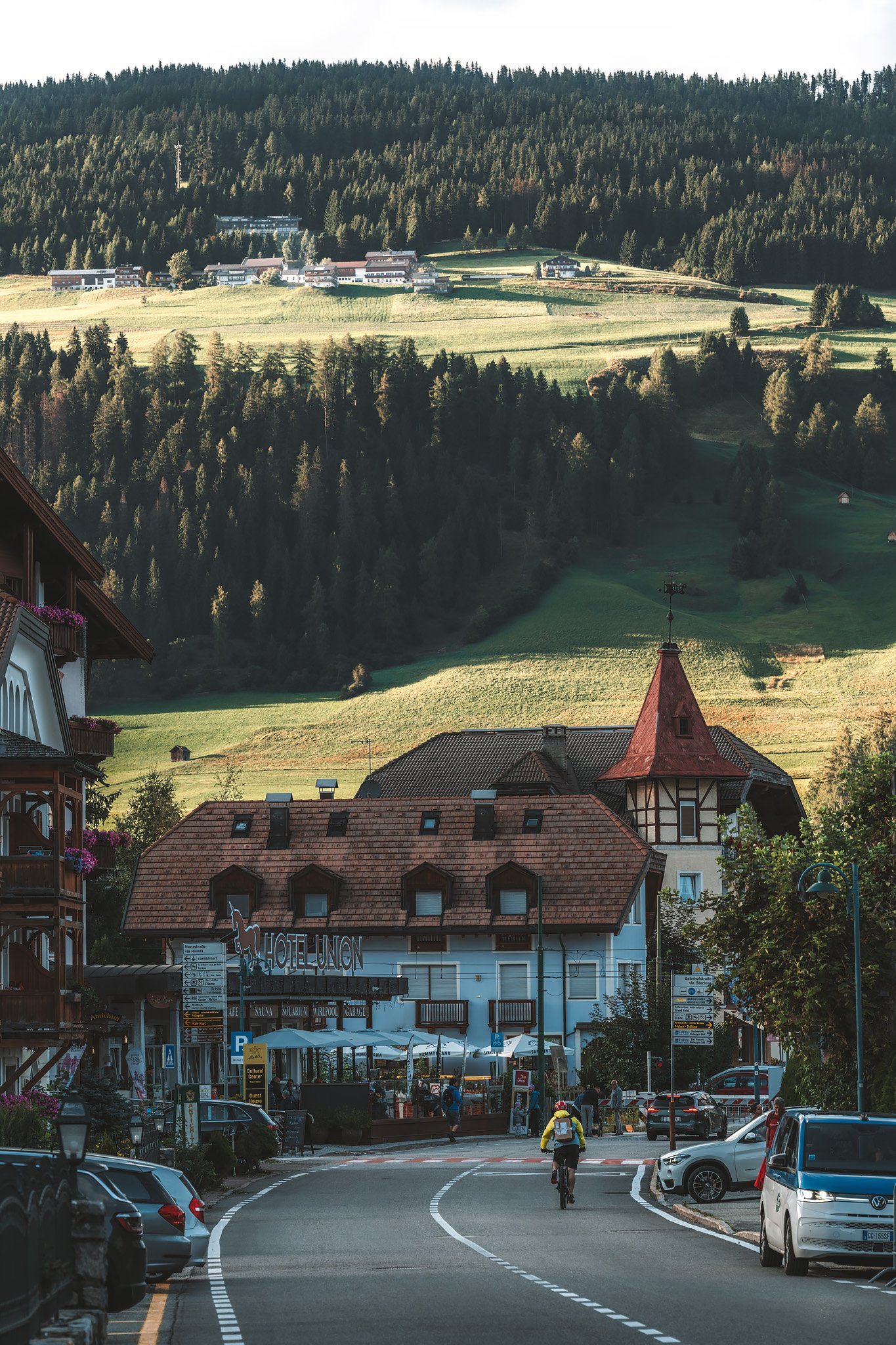
Dobbiaco is a very popular tourist town, and that is apparent immediately. Restaurants fill up fast, especially in the evenings, and unless you have made a reservation, it may be difficult to find a place to dine. It’s the kind of place where logistics matter more than you expect.
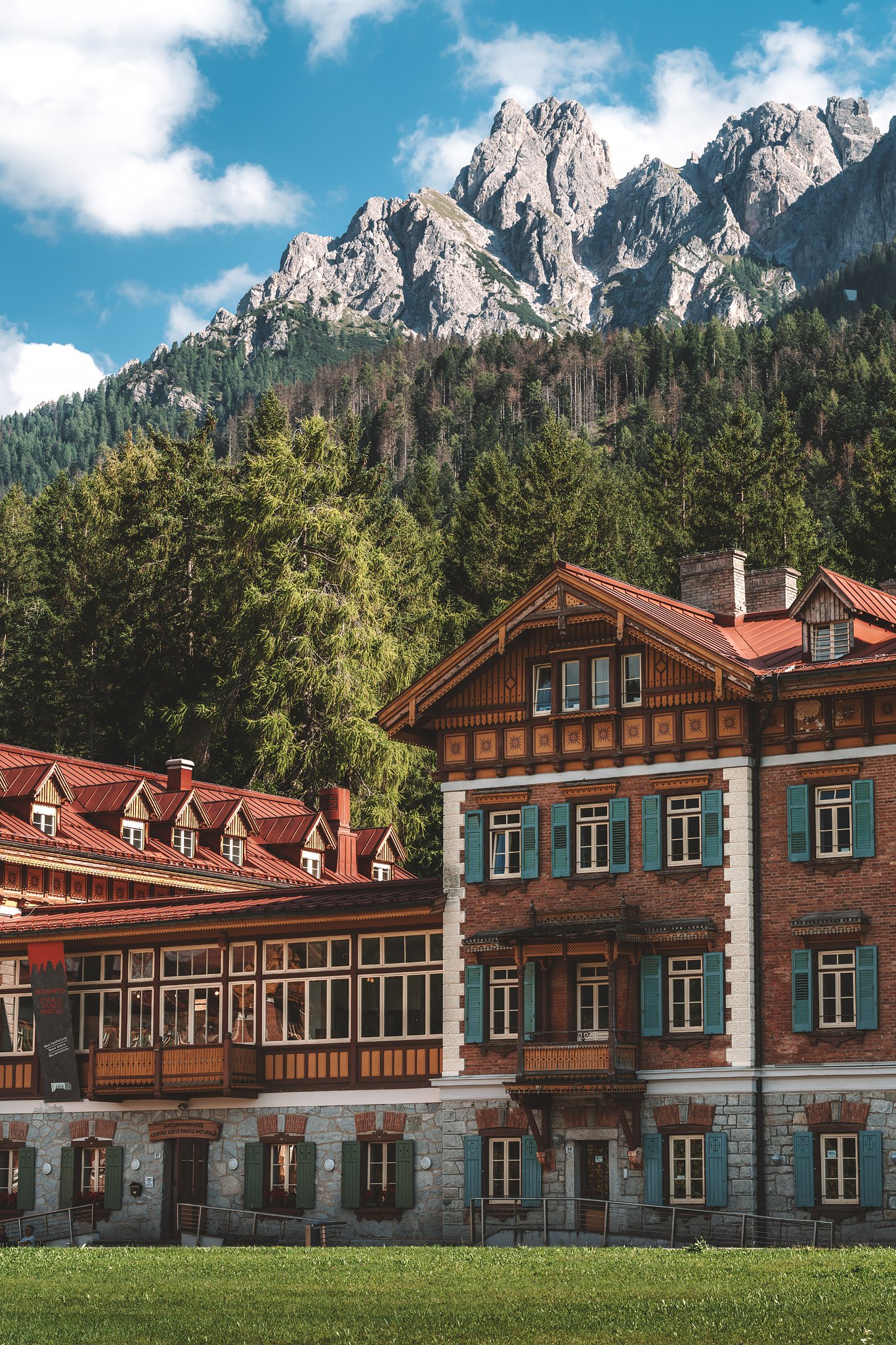
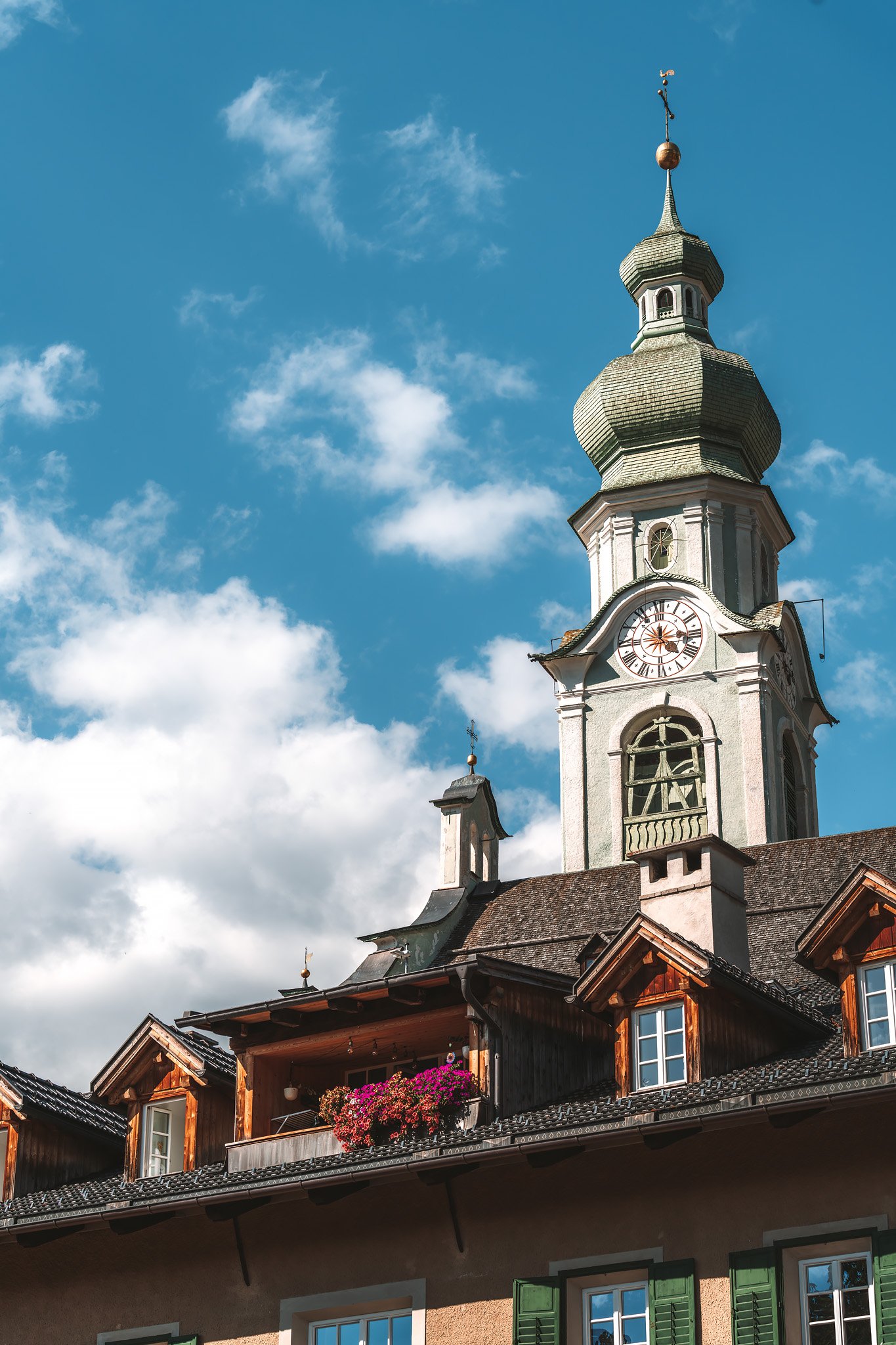
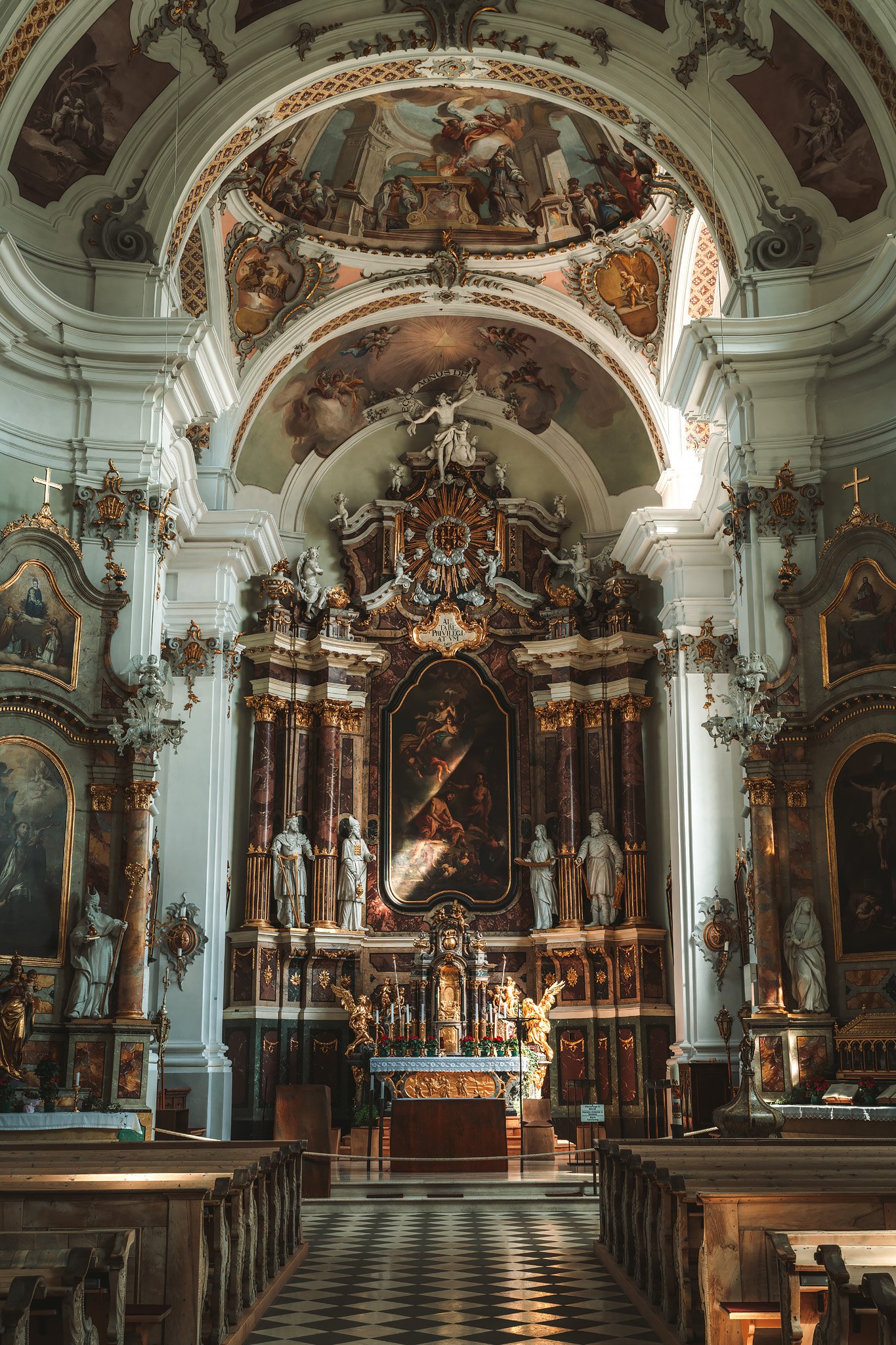
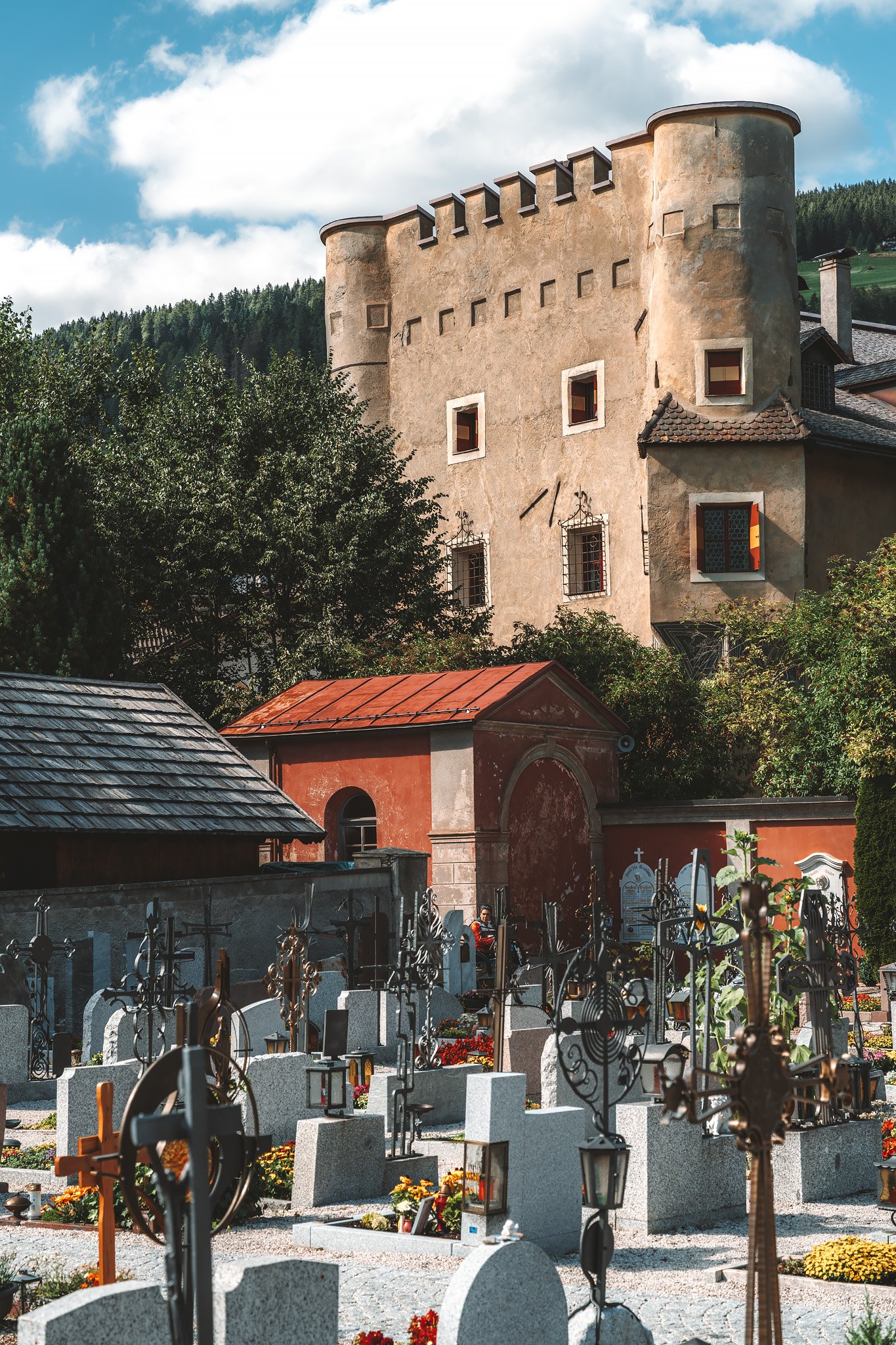
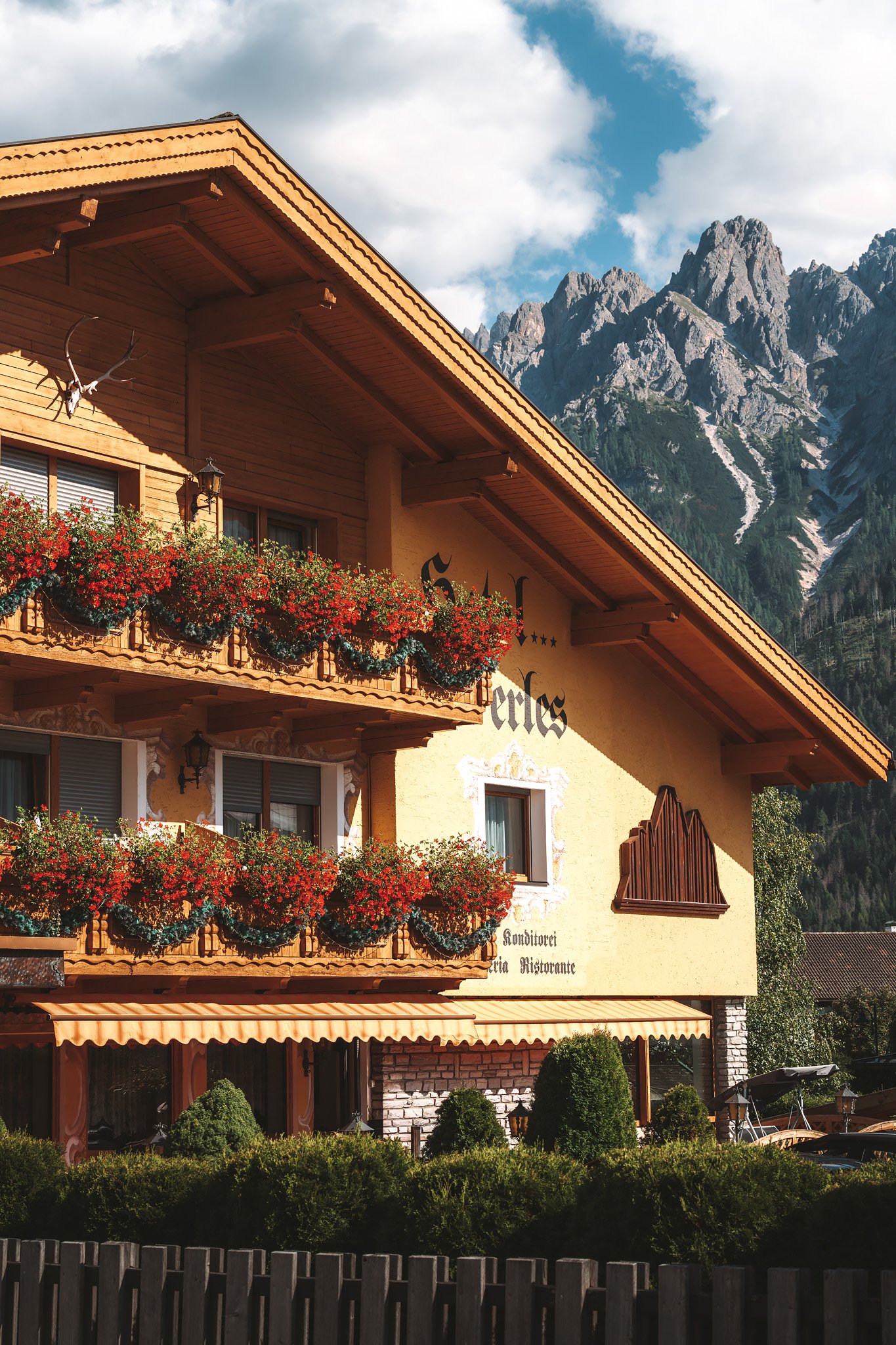
The first afternoon was pretty low-key. A short walk through the town center, a few stops for photos, mountain gear shops, church, small streets and references to one of its most famous neighbors, Gustav Mahler. The composer spent his summers here at the beginning of the 20th century, finding in these landscapes the stillness he needed to work.
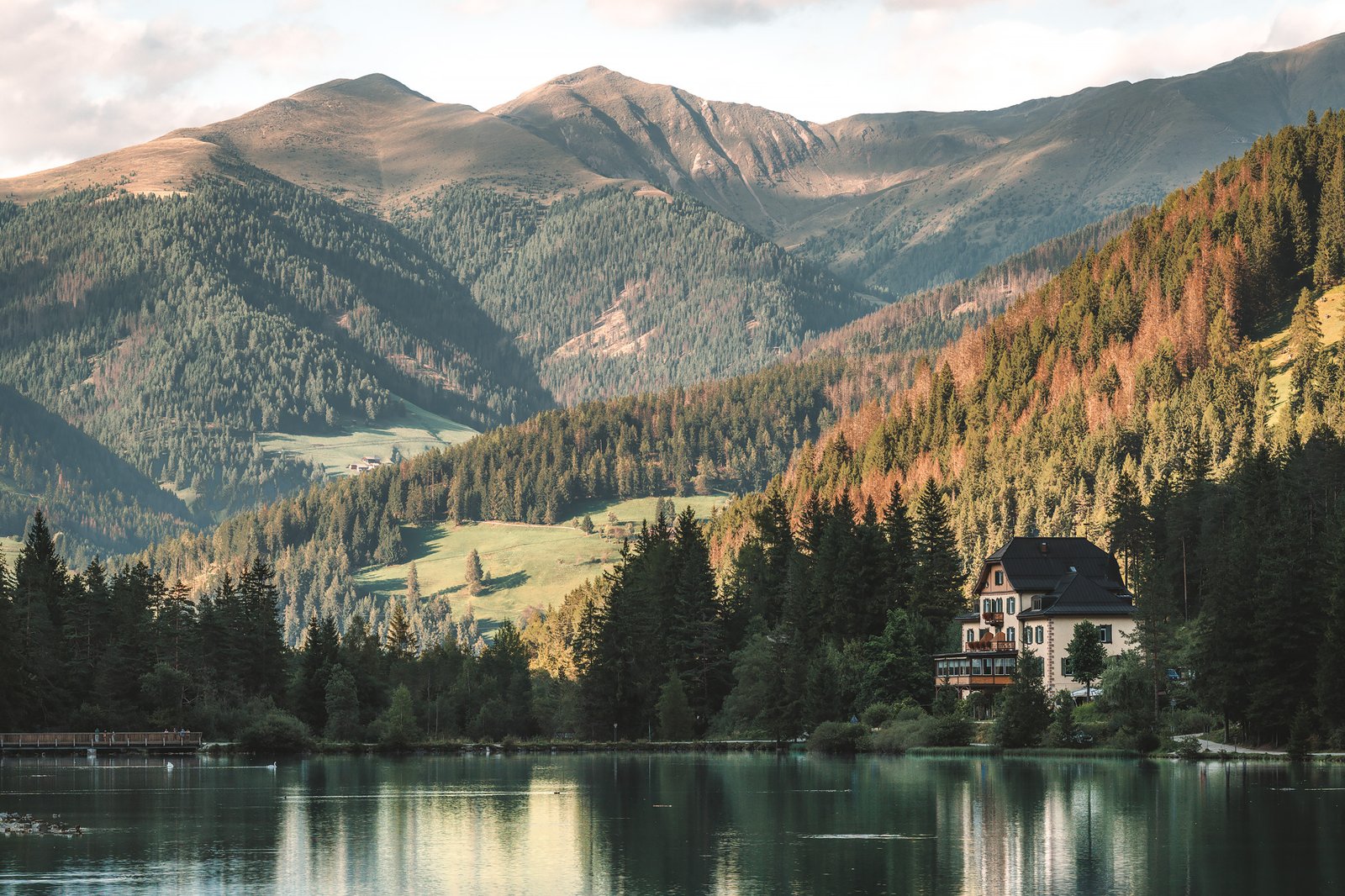
As you head towards the lake, the path opens. Lago di Dobbiaco appears gradually, framed by trees, with the Hotel Baur am See quietly situated on the main shore.
It’s a calm place. Very easy to photograph. Reflections are clean. Compositions are fairly straightforward. Along the lake, groups of coots quietly cut through the water. Small details, but they add movement to the scene.
A family cycled along the path leading from the village to the lake, the atmosphere remained very relaxed and natural. The first afternoon wasn’t about standout moments. It was more about getting used to the flow, the light and the weather.
The next morning changed all of that.
Stage 1. Lago di Braies – Rifugio Pederü
Distance: 18.07 km · Elevation Gain: +1343 m · Elevation Loss: −1242 m · Technical Difficulty: Difficult
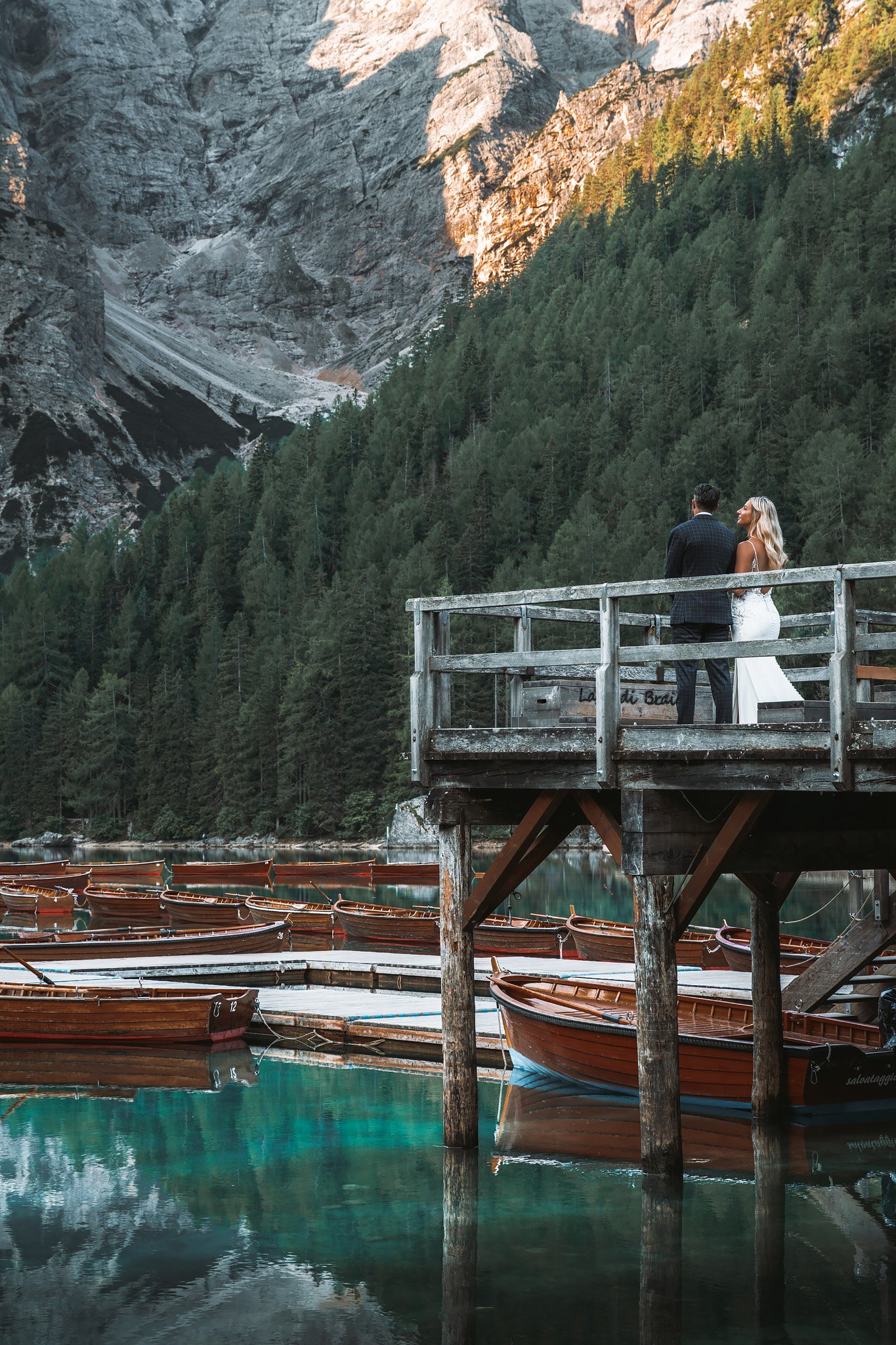
The bus to Lago di Braies left quite early, around 7:15 AM, and took approximately 30 minutes. Getting on the first bus allowed me to arrive before most people, and before the lake becomes what it usually is, a hotspot for tourists.
At that hour, Braies was empty.
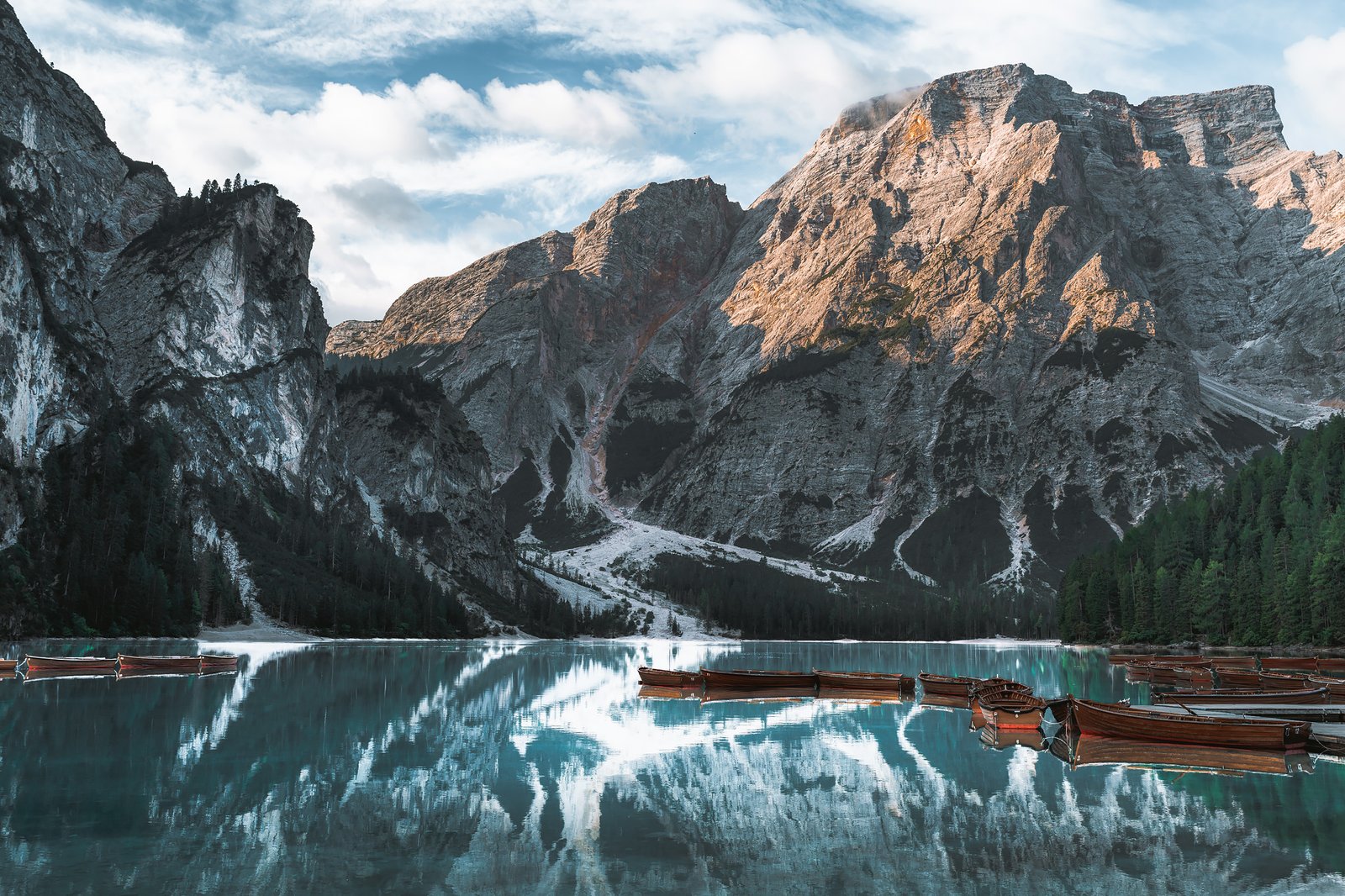
The pier was closed. The boats were tied up. The lake was absolutely still. And because of the clear sky, the lake showed its full range of colors, deep turquoise, almost surreal. This color comes from fine minerals, dolomitic sediment, suspended in the water that scatter the light, a common phenomenon throughout the entire region.
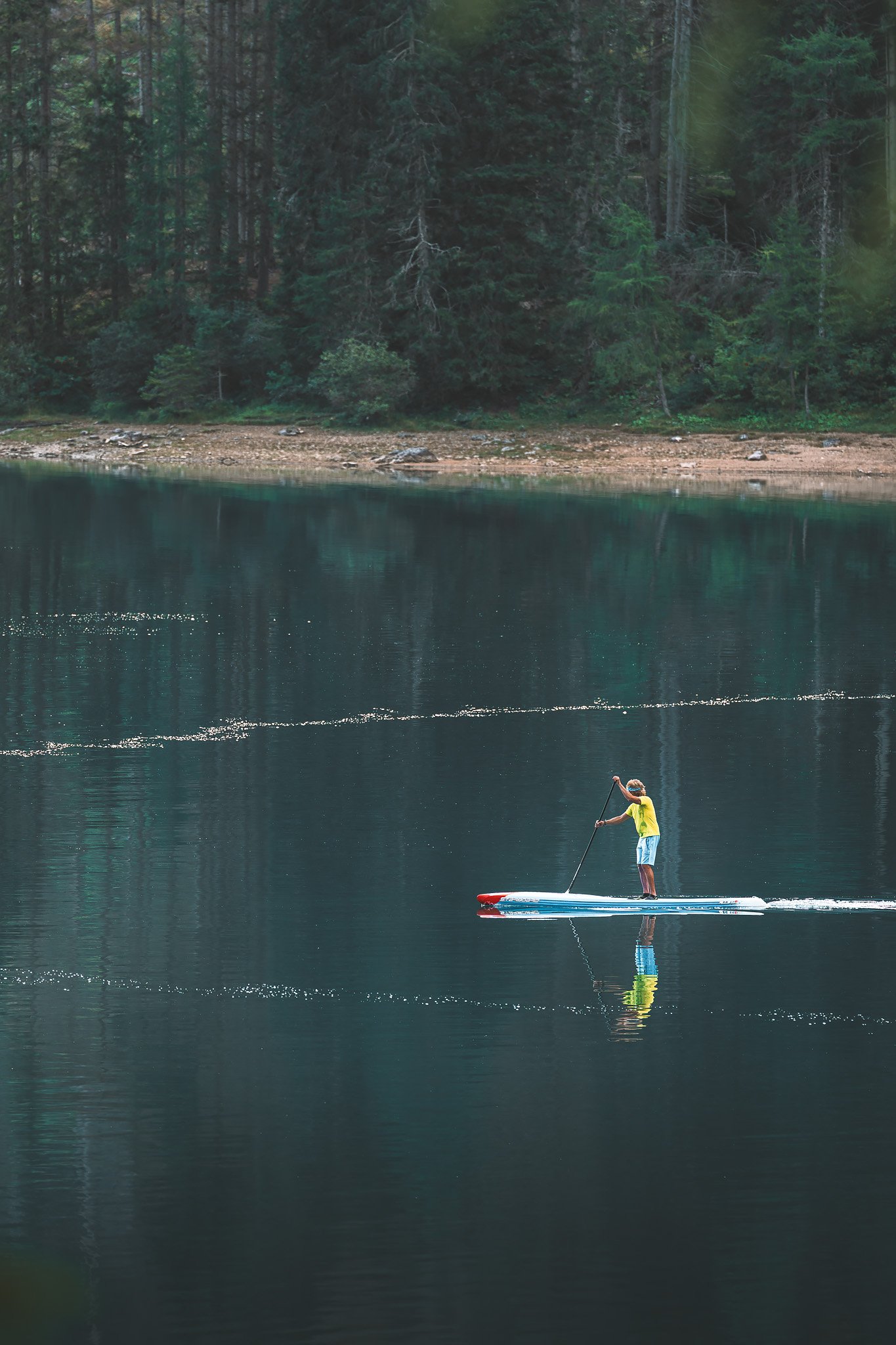
There is a very short period of time when nothing moves. As I walked around the lake, a single paddle surfer crossed the water, the only disturbance in the most absolute quietness.
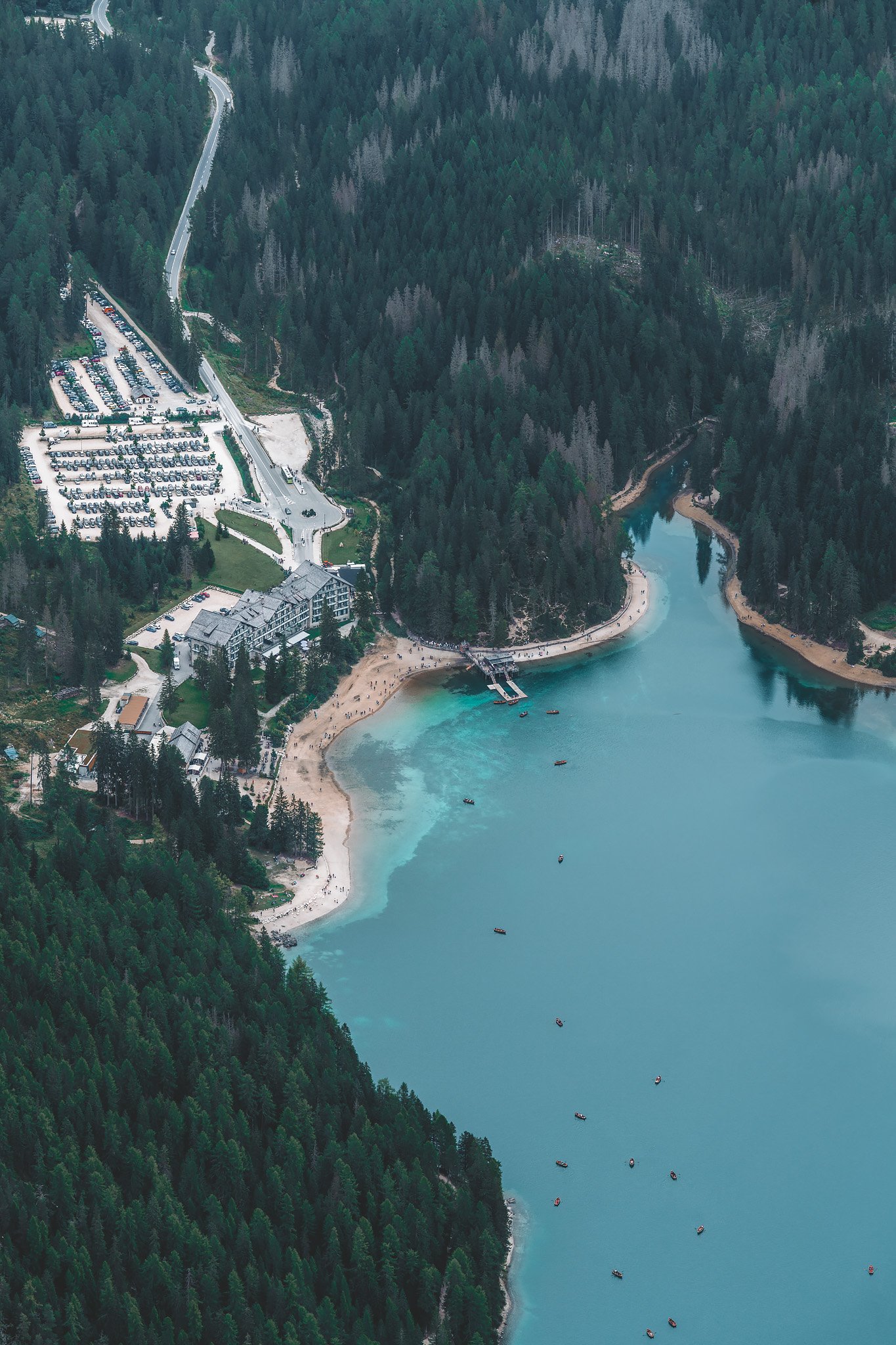
Later, from the top of Seekofel, the same lake would look completely different, the boats were moving, people were everywhere, and the whole atmosphere had been transformed.
Many visitors treat Braies as an endpoint. Most visit the lake alone and depart. The Alta Via 1 begins precisely where most people stop. After the lake, the route goes along the right-hand side and then turns upwards. The first part of the route is relatively flat. Then the climb begins.
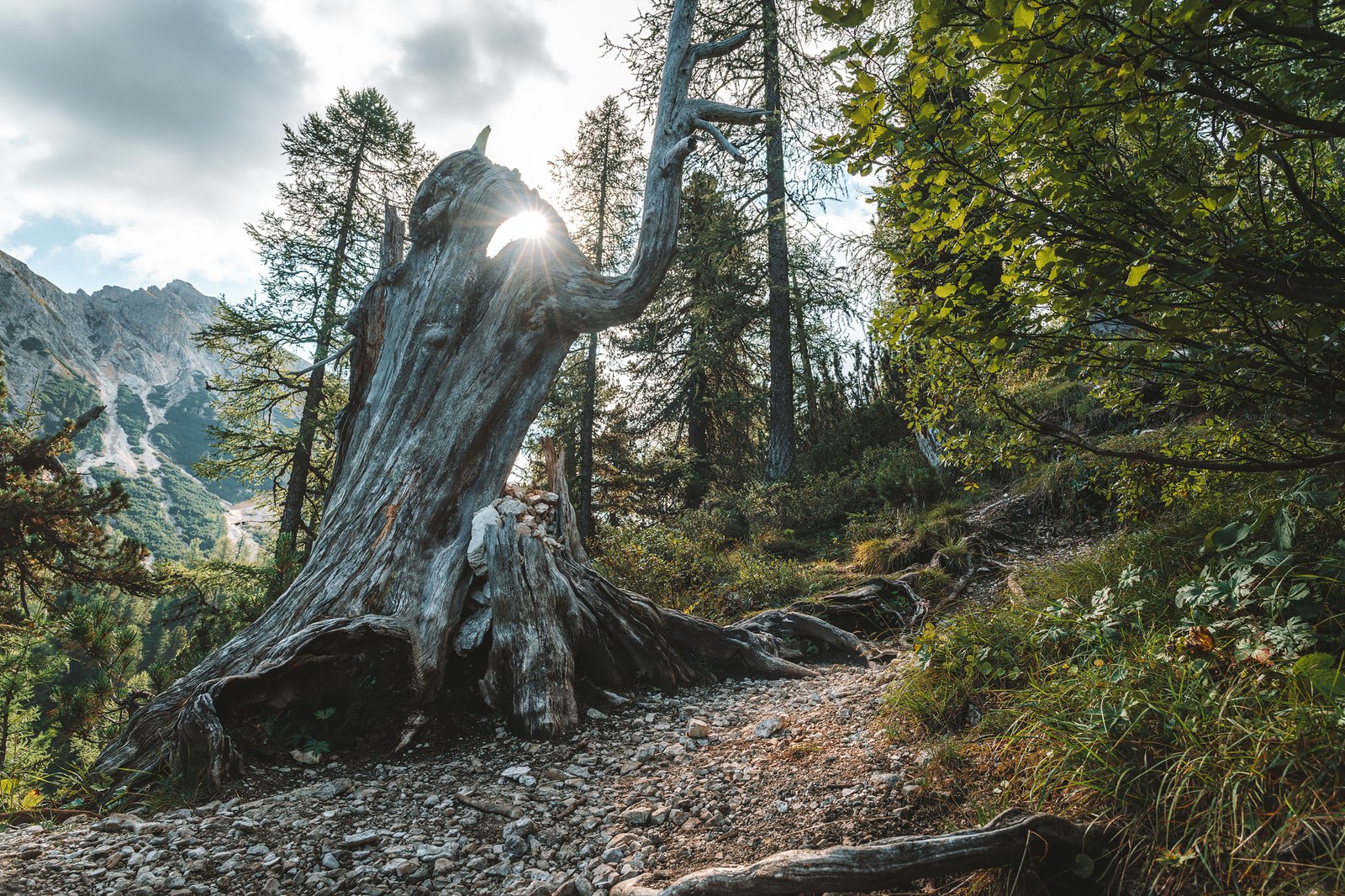
It is a steep climb. Forest, rocks, roots. Predominantly spruce and pine. The forest is dense enough to keep the light out. The path is clear, but constantly climbing. Further up the mountain, the terrain opens up. The forest is replaced by rock and lower-growing vegetation. The temperature drops rapidly and the Seekofel becomes visible.
The View from Seekofel
It is optional, but one of the best parts of this leg of the route. When going to the summit, it is highly recommended to leave the backpack at the bottom of the mountain. The route will return to the same spot, and the climb to the summit will be much easier without the extra load.
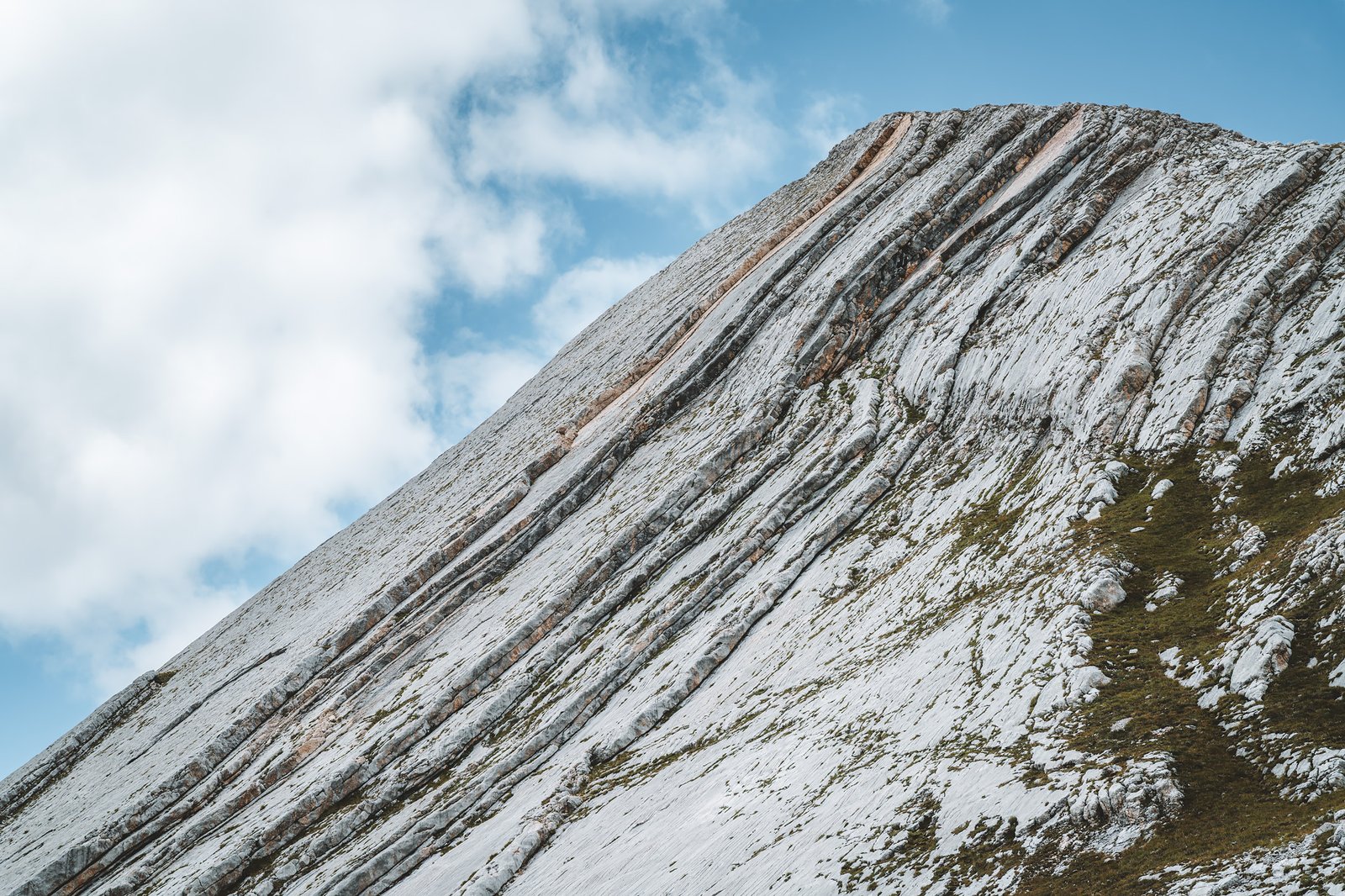
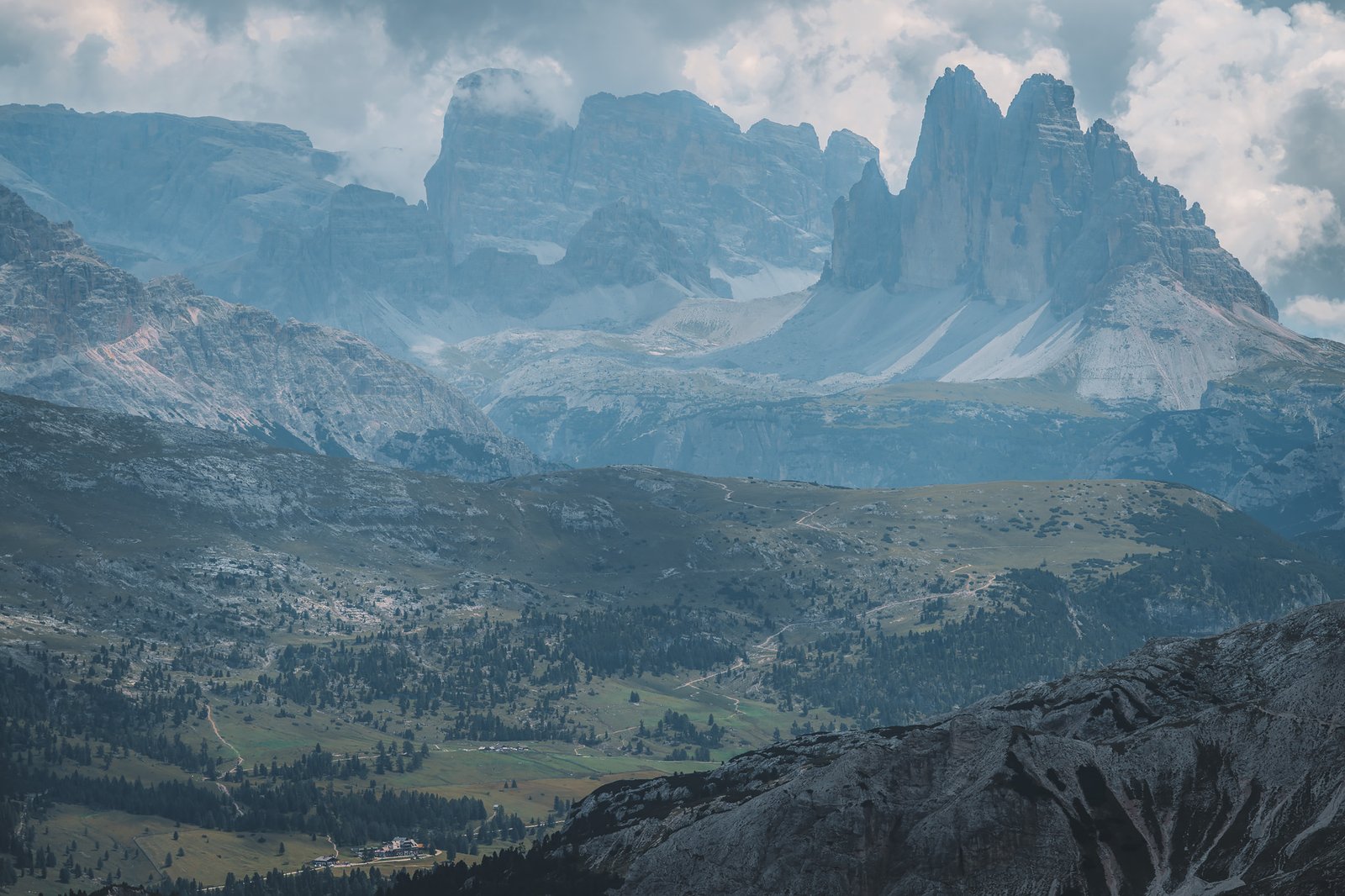
At the summit, the landscape transforms. The terrain is pale and fractured. The scale of the land expands below you. Lago di Braies lies below, and in the distance the Tre Cime can be seen. They stand out enough even from a great distance, and you know you can’t leave the Dolomites without seeing them.
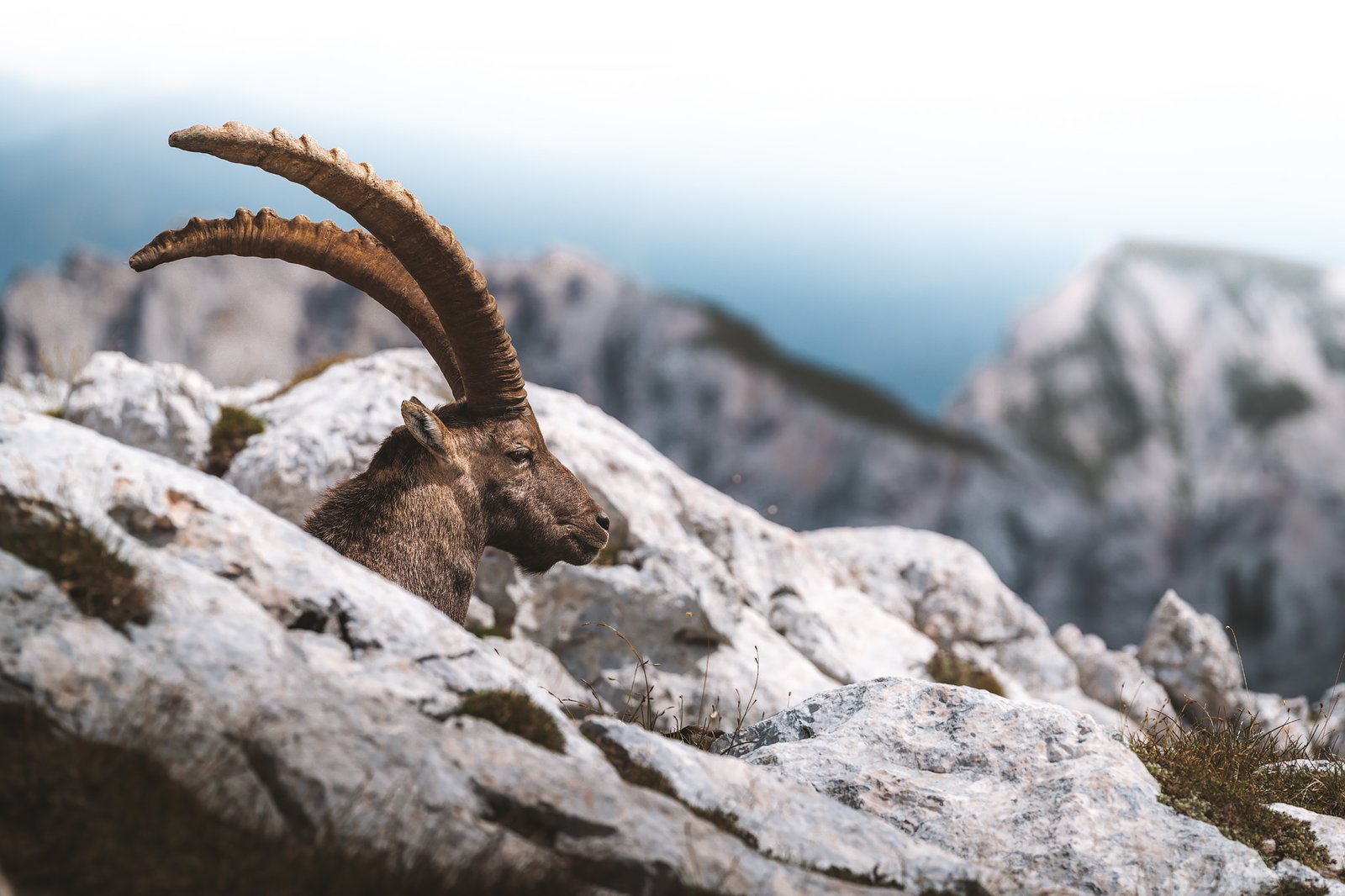
Alpine ibexes roam freely at the summit, gliding across the rocky terrain with the ease of walking on flat ground. The air feels thinner and the views leave you speechless.
Going down from Seekofel is quicker. The weather changes, less sunlight, stronger winds, cooler temperatures and an uneven rocky terrain. Back at the base, Rifugio Biella indicates that we are returning to the primary route. After that, the route becomes easier, the paths expand and branch out into a range of alternatives. More people.
Along the way, there are some short conversations about the route, the weather, where you’ll go next or how many days will it take for you to complete the route. They don’t last long. But each conversation brings little bits of new information. Little perspectives that enhance the journey.
The landscape begins to turn green again, meadows and scattered refuges. We arrive to Fodara Vedla, a collection of buildings, a church, animals grazing nearby. Voices can be heard in Ladin, German or Italian, some in English too, mostly from tourists or locals giving indications.
The route down to Pederü is long, steep, slippery and unstable. The strain builds in the legs.
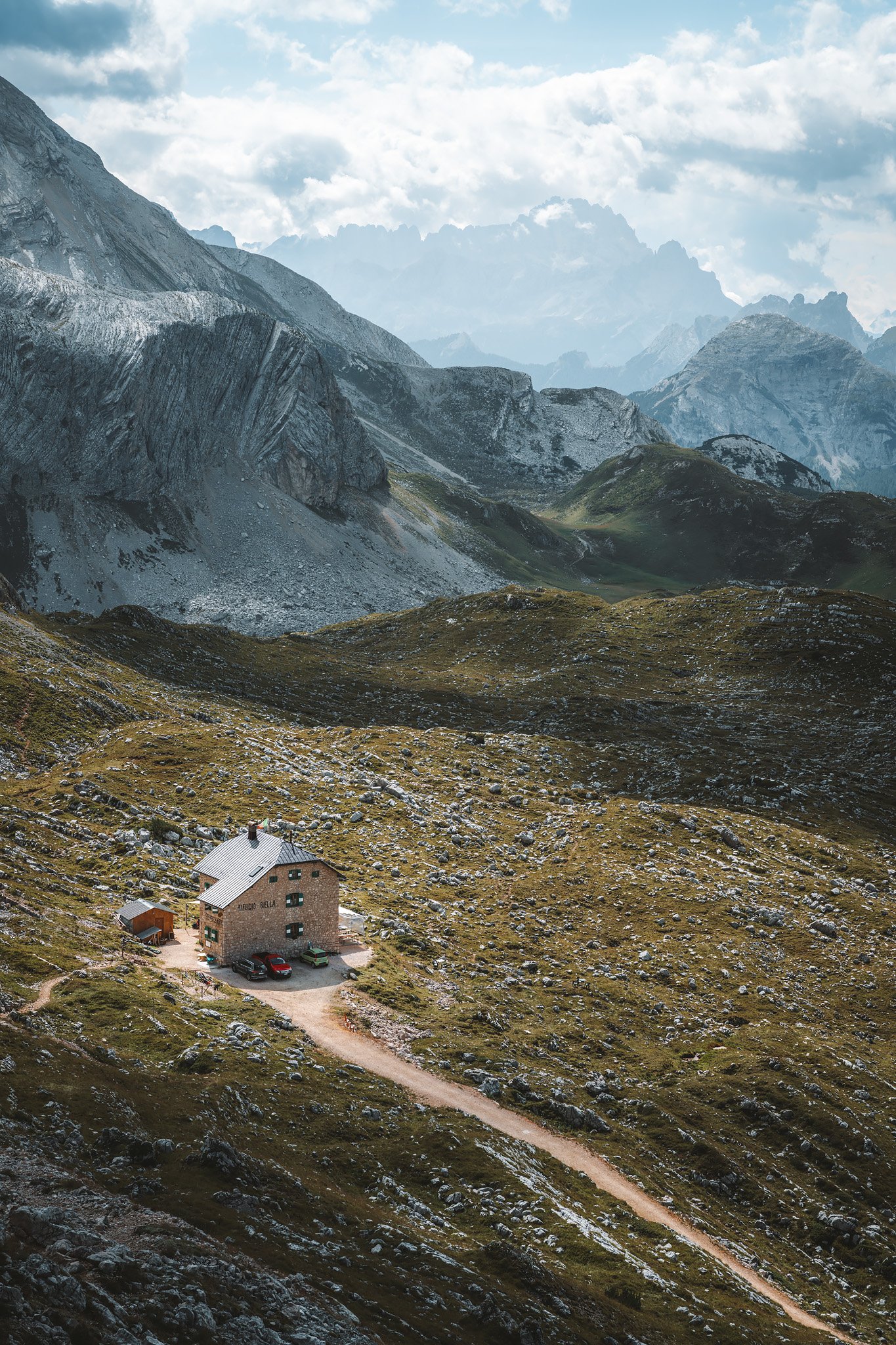
Pederü feels more like a rural hotel than a mountain hut, larger and more comfortable. It’s also the last place on the route where you’ll find this level of comfort. Special mention goes to Pederü’s à la carte menu, an incredible end for the first stage.
Stage 2. Rifugio Pederü – Rifugio Lagazuoi
Distance: 18.79 km · Elevation Gain: +1627 m · Elevation Loss: −425 m · Technical Difficulty: Moderate
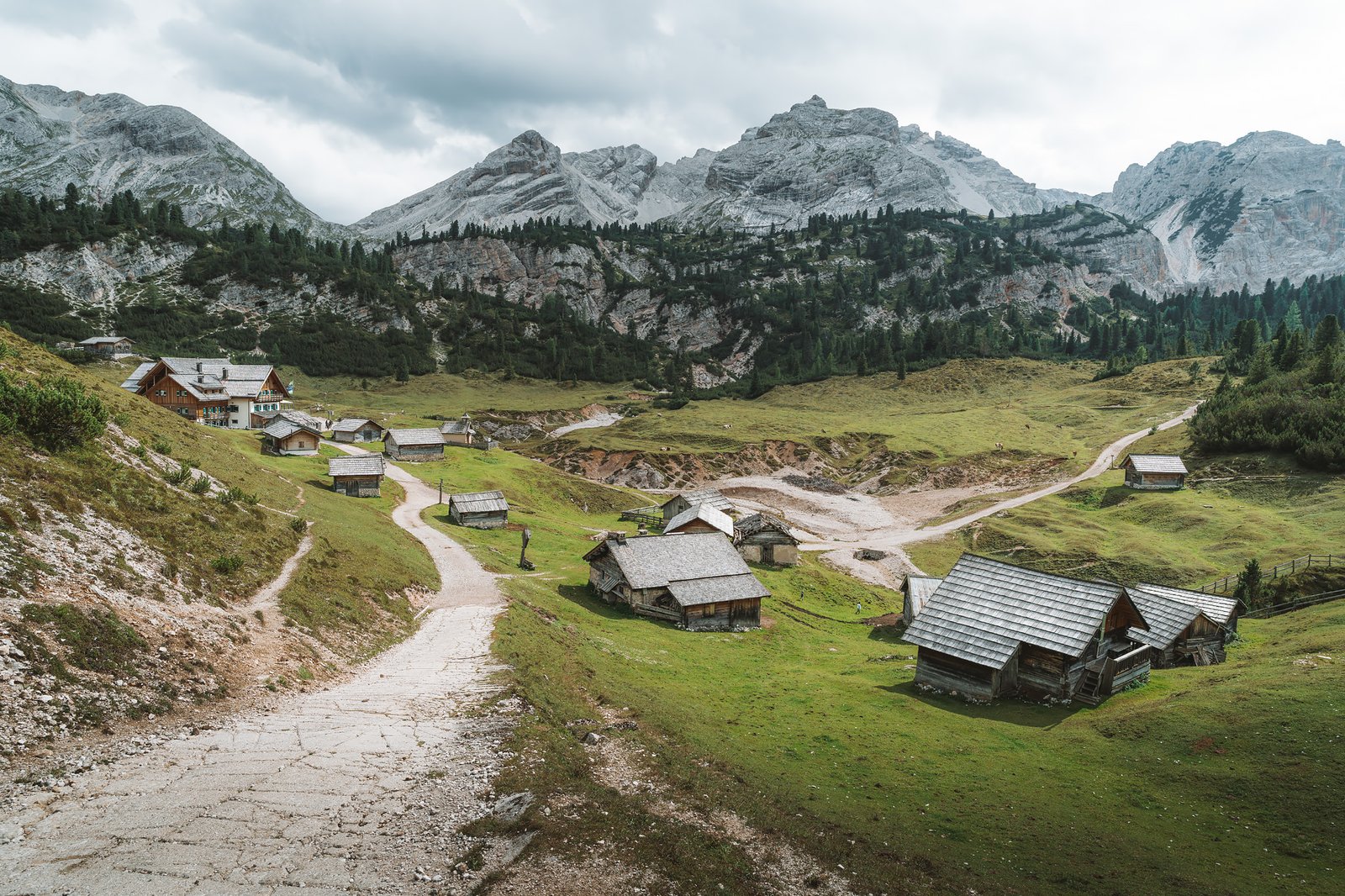
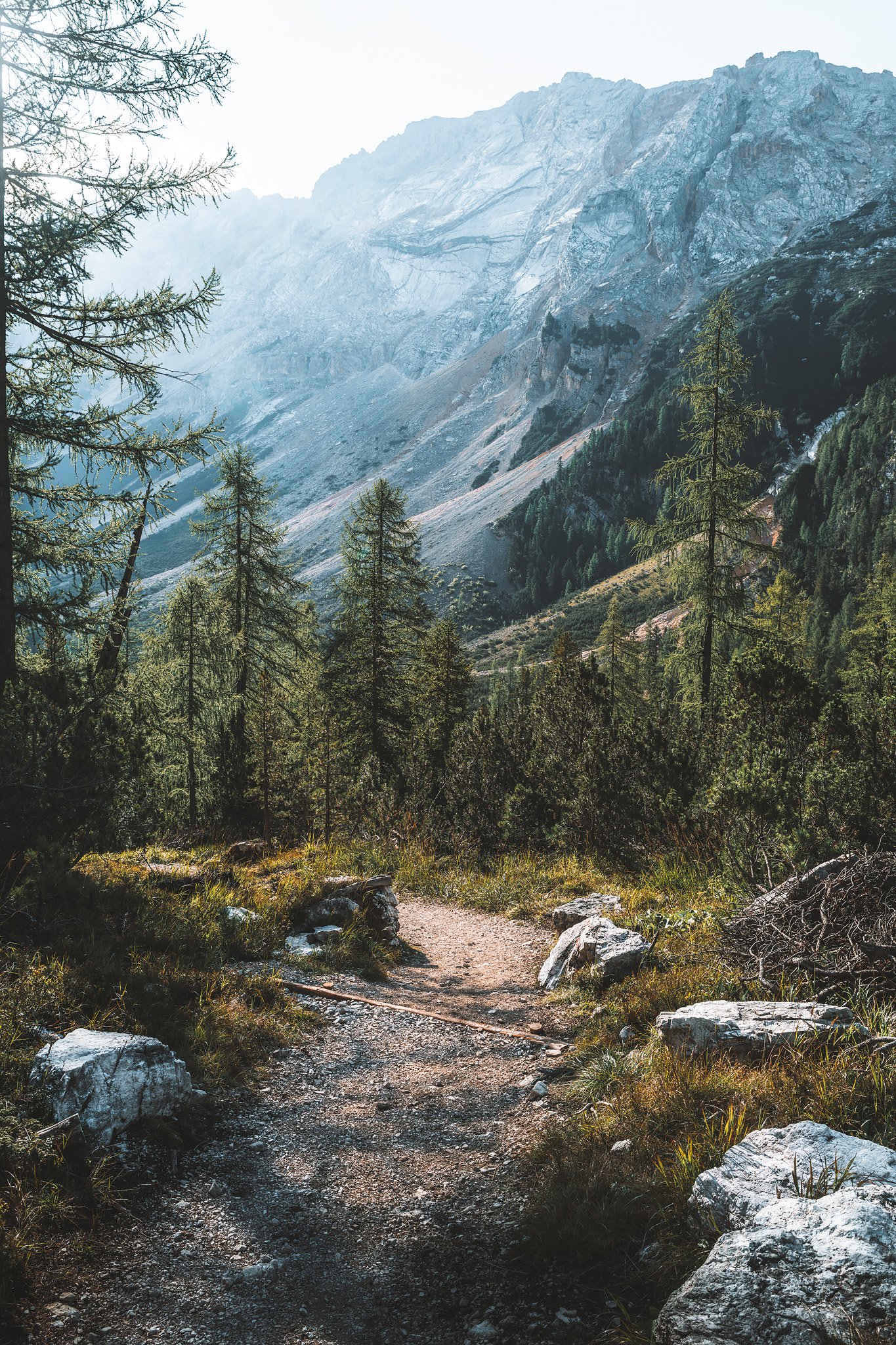
The second day started early. The first section was through forest, mostly shaded and dominated by conifers. It was a while before the scenery opened up.
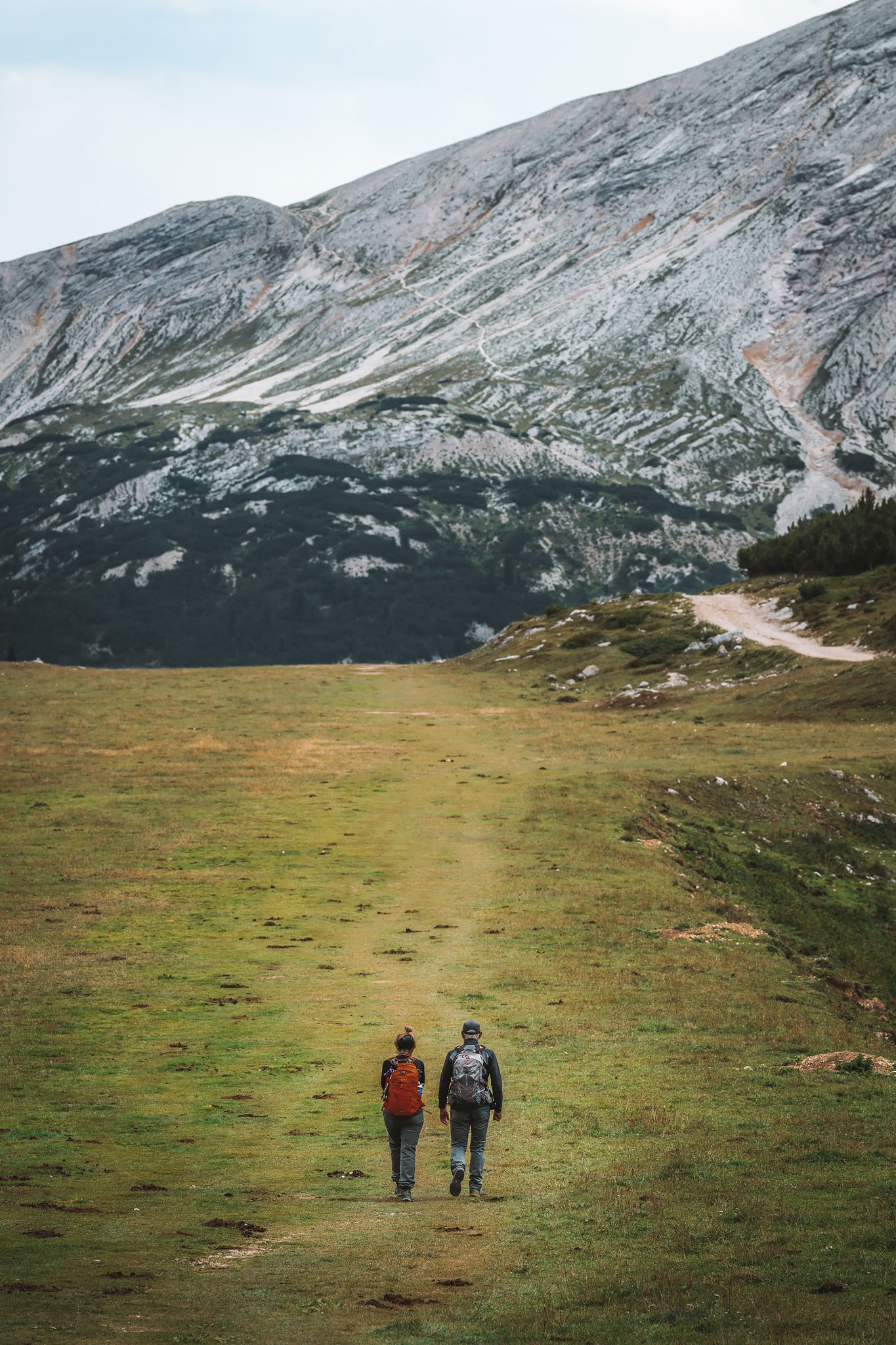
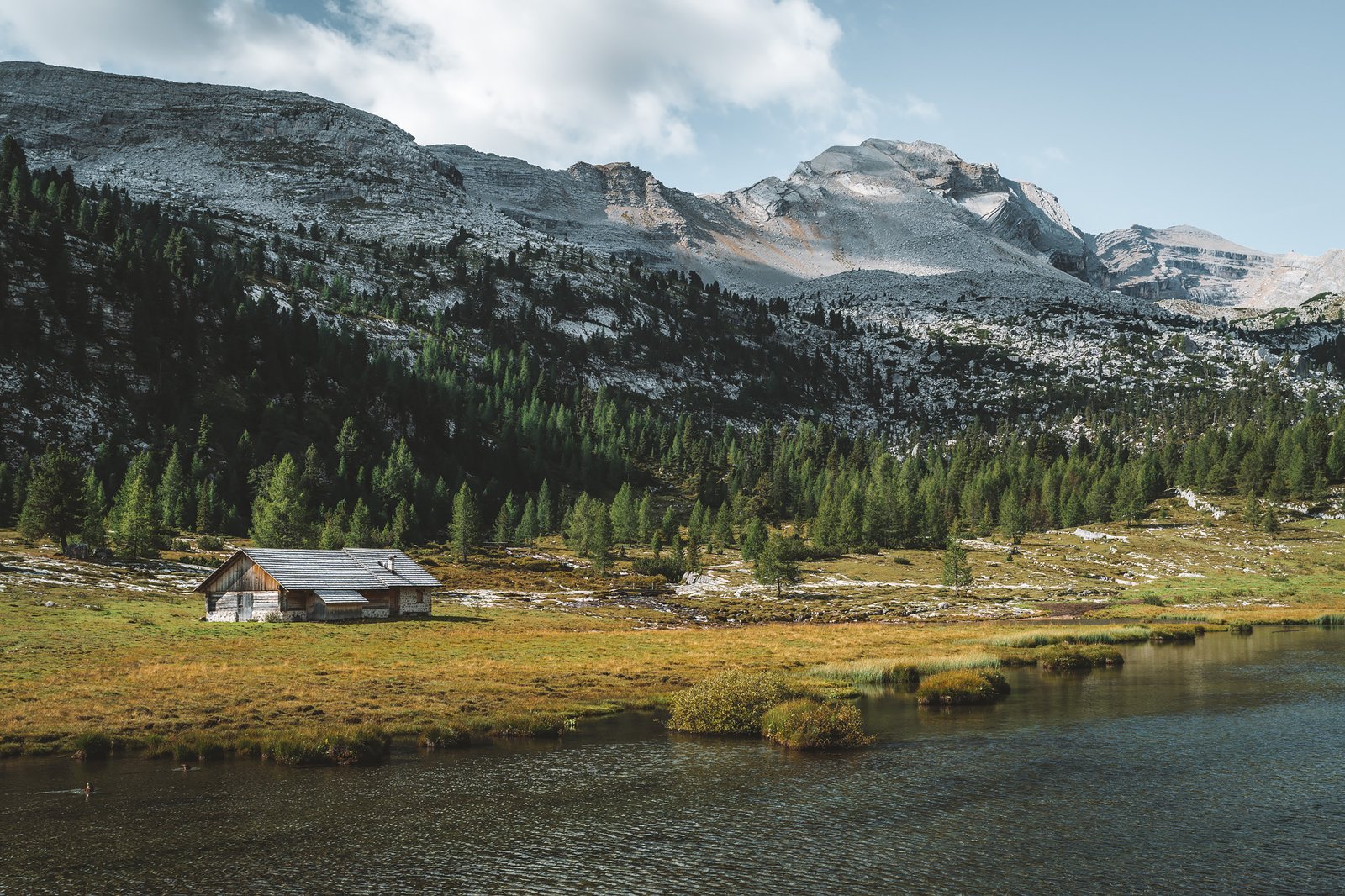
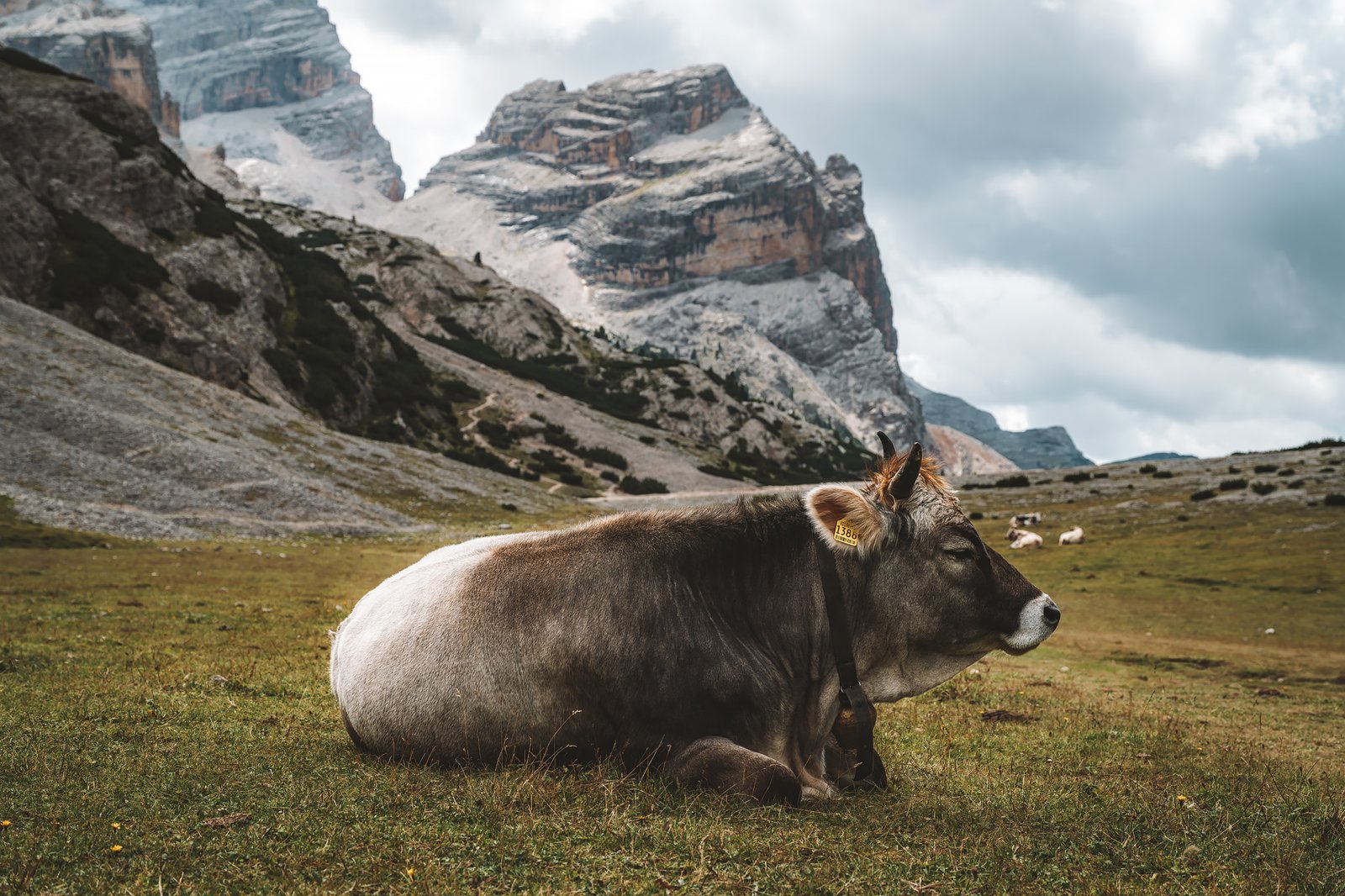
And when it did, it was the Fanes Valley. Large open fields and a river cutting through the land. Animals roaming freely, goats, cows and distant cabins. One of the most well-rounded sections of the route. A detour to Lavarella is worth doing.
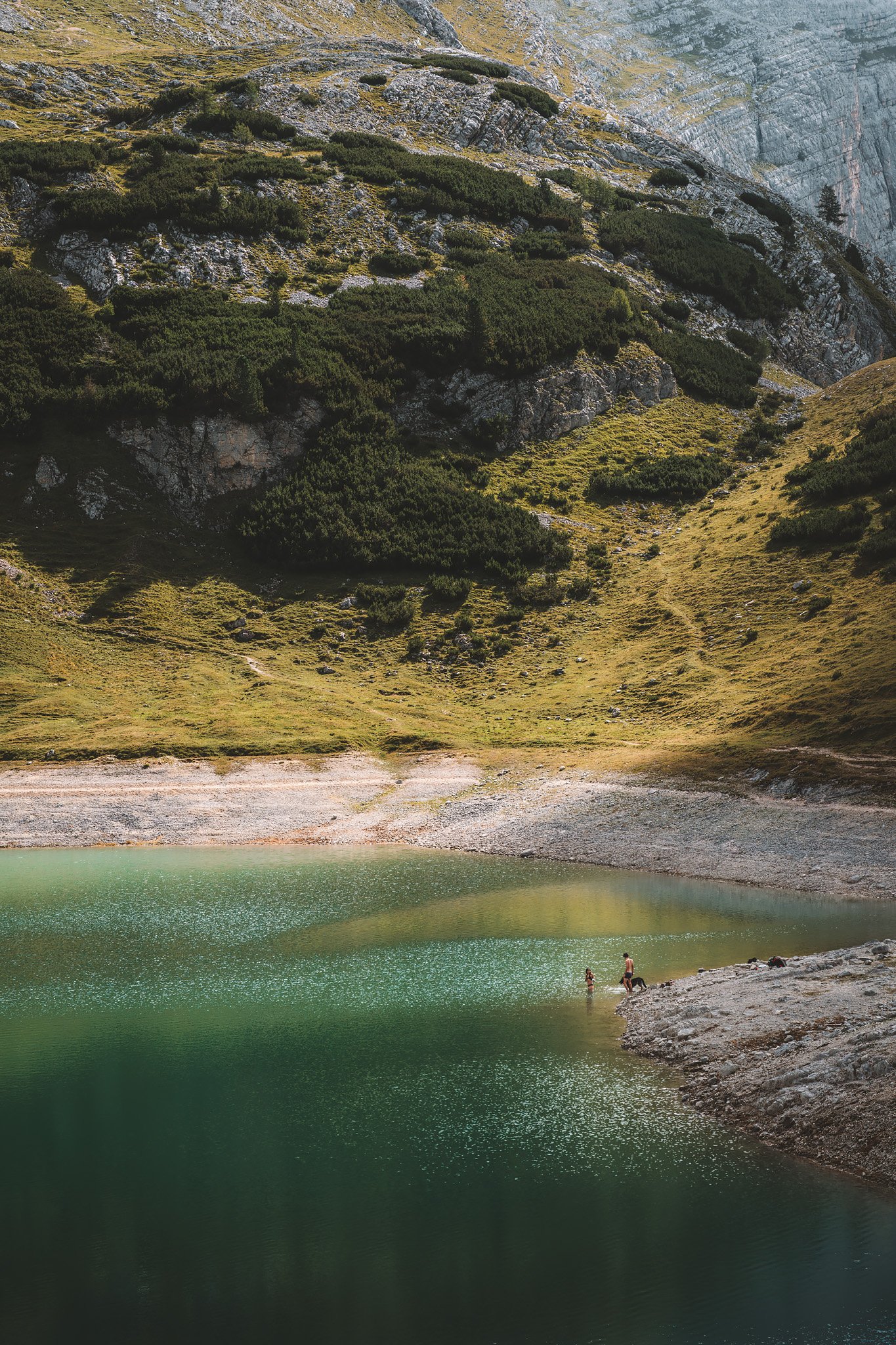
Lavarella is a small occupied village. It provides a human element to the route. A sense of continuity beyond the trail itself with incredible morning light. Further along, back into the main route, Lago di Limo. The water displayed the same tones as earlier, slightly greener, shaped by the same minerals in suspension. Under the right lighting, the green intensified. In one moment, a couple attempted to bathe their dog, and the scene became strangely memorable.
The route continued through smaller valleys. Some wildlife, marmots, horses crossing the path. The terrain remained manageable.
A Lake Between Stone Walls
The final section to Lagazuoi was different. The climb started gradually from the Fanes plateau and became progressively steeper. Vegetation almost disappeared and led to a more rocky terrain. And suddenly the view opened up.
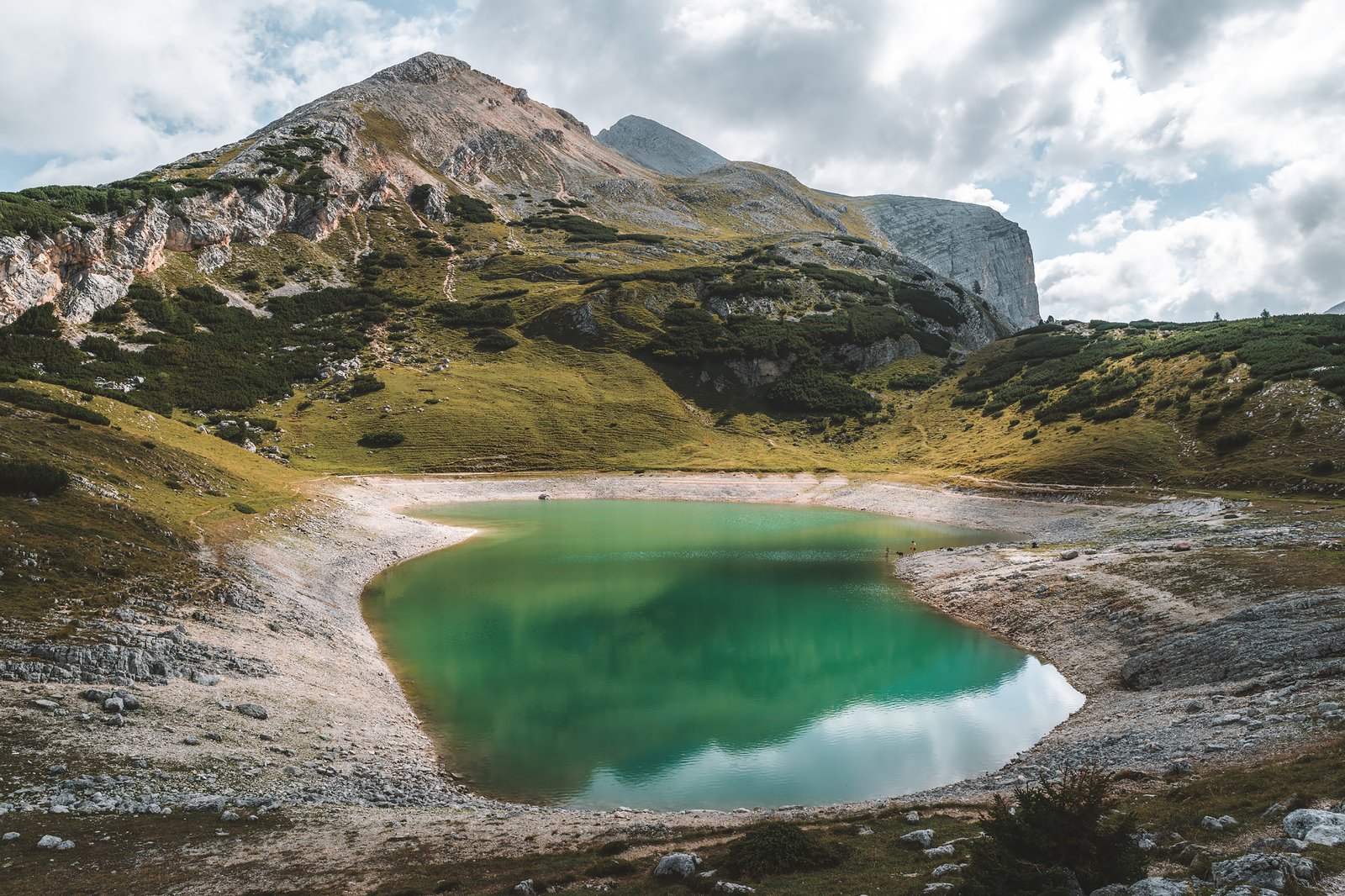
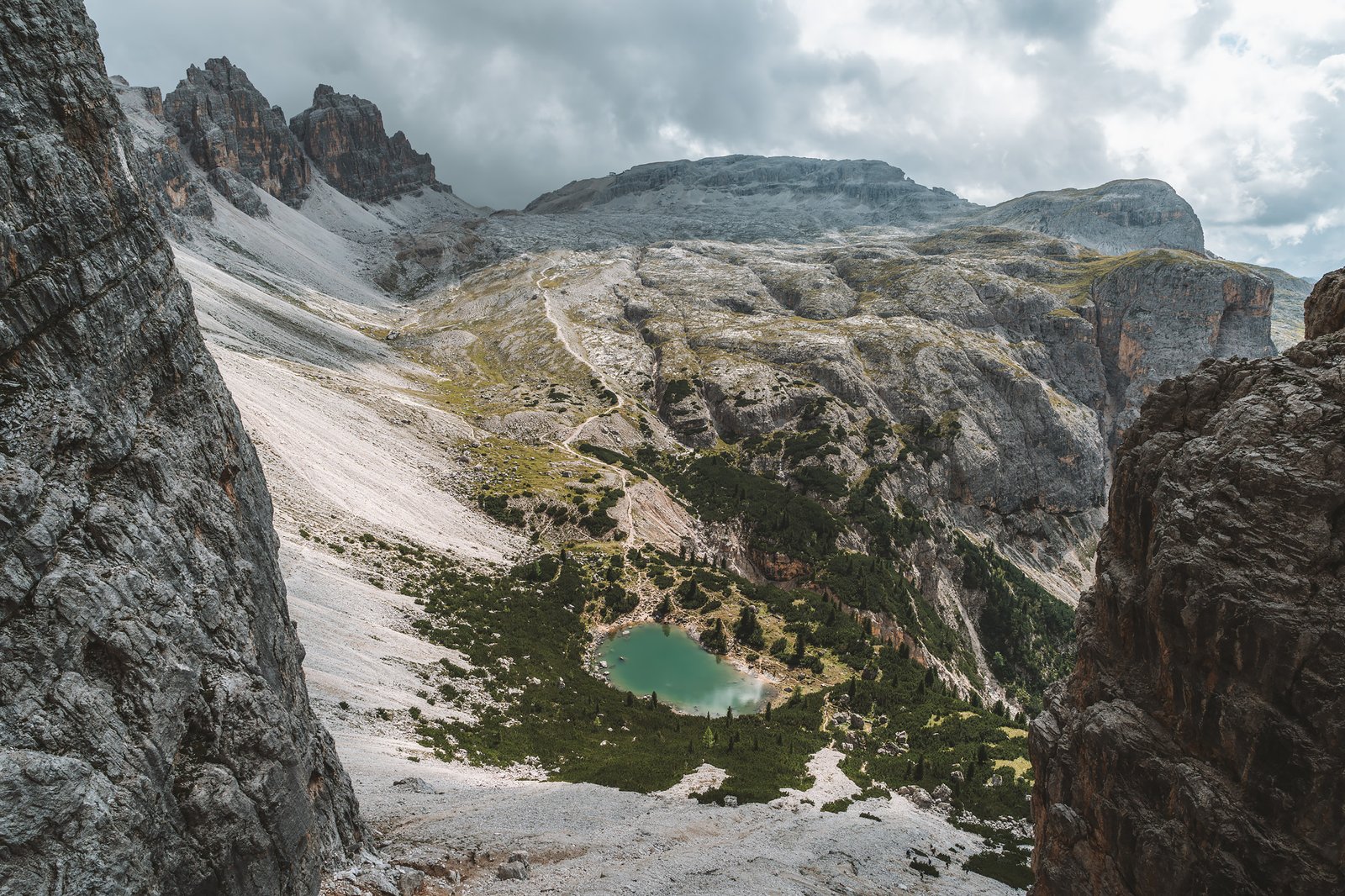
The first sight of Lago Lagazuoi after reaching the summit could be seen through a narrow passageway formed by steep rock walls. At first glance, the area seemed confined, until the landscape gradually unfolded into one of the most striking views of the Alta Via 1.
The lake sits below, deeply colored, and surrounded by steep inclines. The route down to the lake was direct, a classical zigzag protected by wooden planks, well-structured and visually stunning.
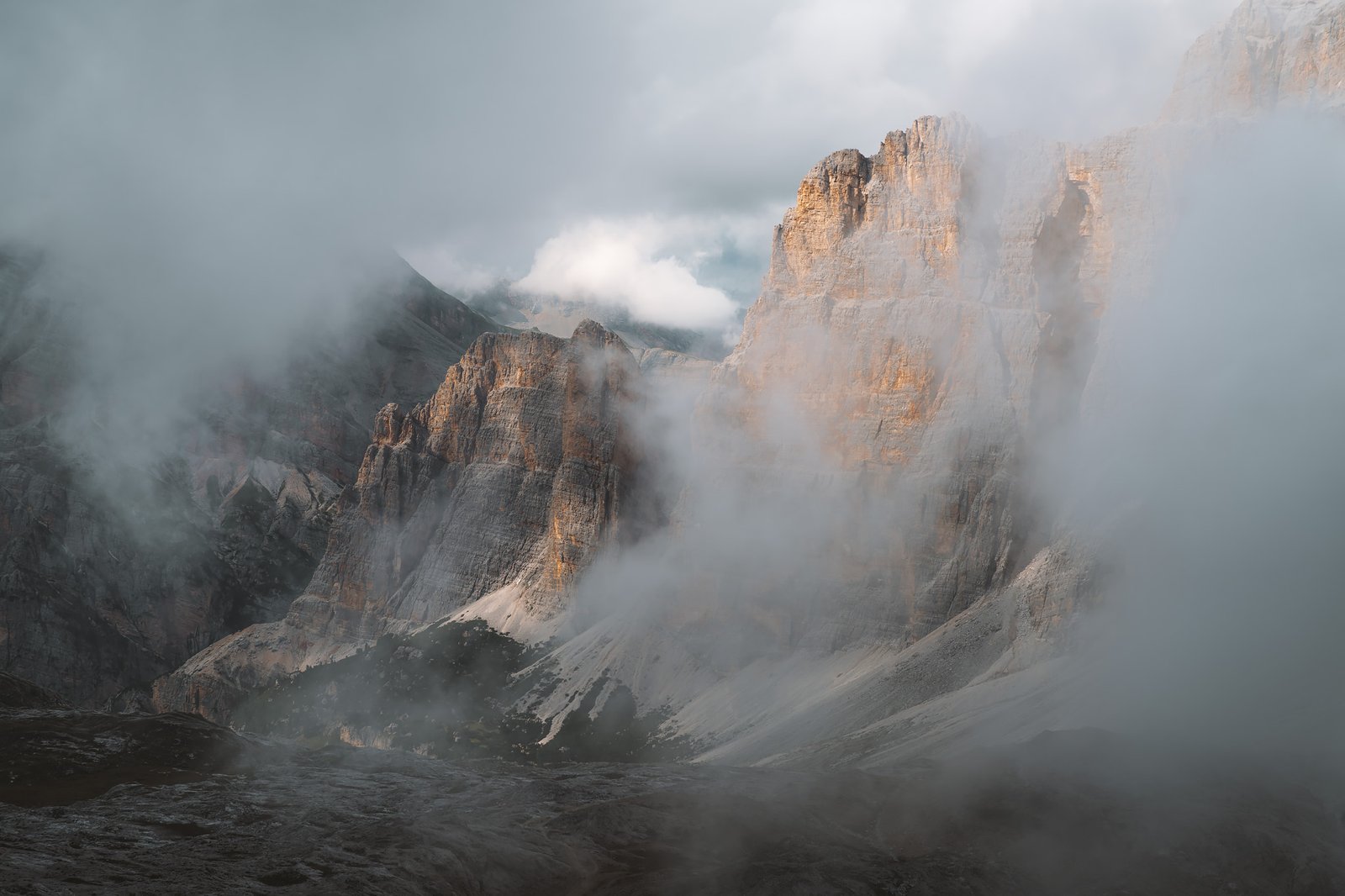
From there, the final climb began to Rifugio Lagazuoi, at 2,752 meters. The fog rolled in quickly and the visibility dropped. The path to the rifugio was broken, turning into a lunar landscape, and could only be followed by the white and red markings found along the route.
Many of the tunnels from WWI could be seen from the outside. Hinting at a deeper story that would be revealed the day after. Despite the fog, there were a few times when the mist allowed for a quick photo. And through the haze, one could see the silhouettes of the Civetta and Pelmo for the first time.
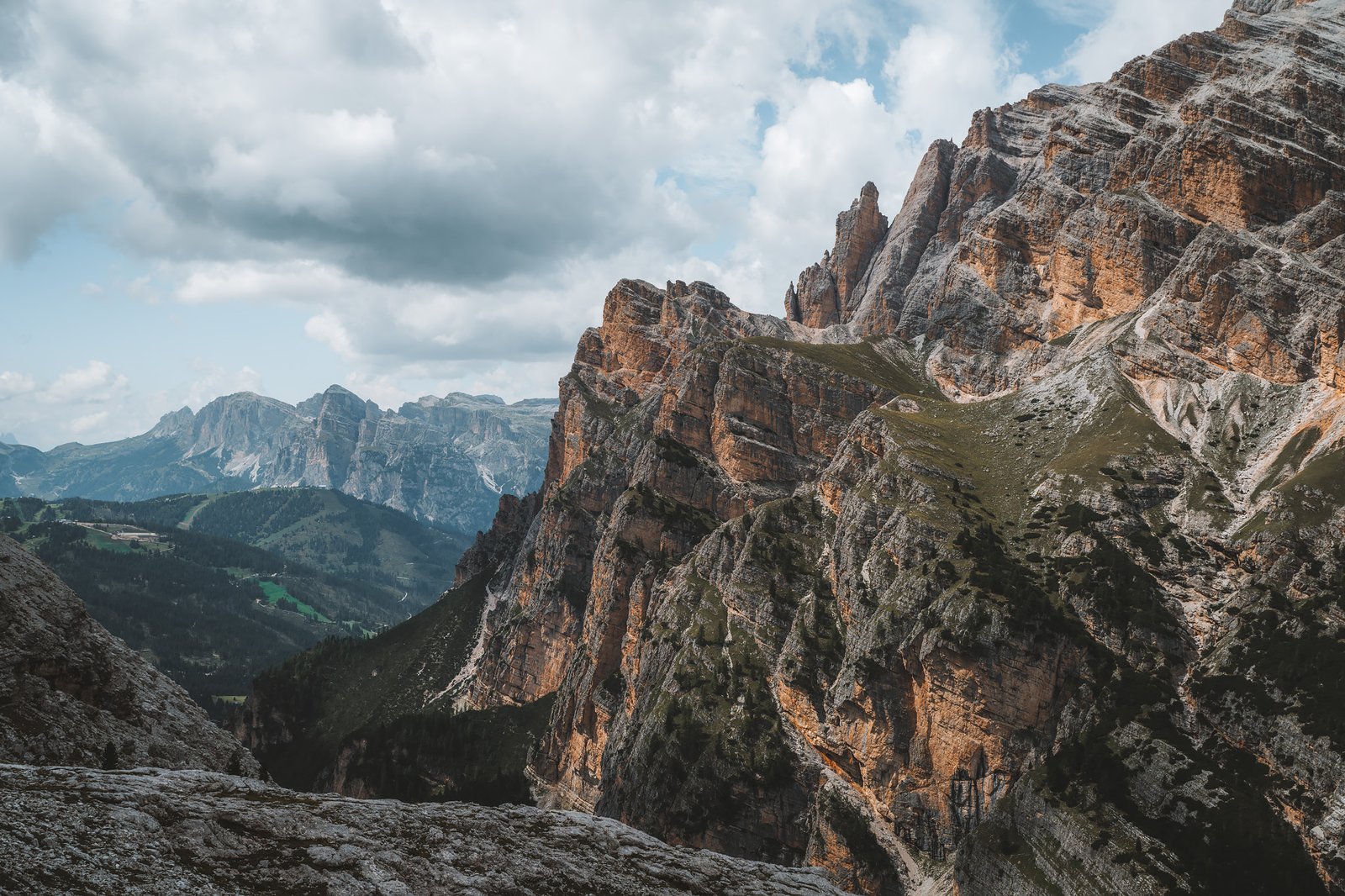
At the top, the surroundings felt almost surreal. The peaks rise and fall behind the layers of mist. Never completely visible, but an incredible thing to witness. Before reaching the refuge, the day had exceeded the expectations of the morning and from the day before.
It had been an incredible journey so far, Braies at dawn, Seekofel, the meadows of Fanes and the descent to Lagazuoi. Each one very different from each other and offering not only great photography, but different feelings as well mixed with sweat and effort.
At 2,752 meters, it was time for a rest.
Alta Via 1. Part I: Before the Journey - Walking Across a 250-Million-Year-Old Coral Reef
2025 was a year of reflection and transformation. A time to change habits, build new ones, live more fully, appreciate the small moments, and take on new challenges.
Travel has always felt like a necessity to me. It’s one of the few things that forces you to let go of what you think you know, to accept new realities, and to see the world in ways you may not have even realized existed.
It’s also a way of understanding culture beyond what books can tell you. Walking through a place, speaking with the people who live there, or simply observing everyday life allows you to connect ideas that were once just theory, scattered facts and curiosities gathered over the years through a persistent sense of curiosity.
Many hikers see the trail as an end in itself. For me, it has always been another way of traveling, a window into a unique reality. It may not offer grand monuments, but it gives you landscapes, nature, wildlife, and the feeling of following paths that others have walked before.
And it brings something more, a much needed at that time personal challenge, the act of moving forward, of completing each stage, one step at a time.
In the summer of 2025, after hearing the name “Dolomites” many times without giving it much thought, I decided to look into it more closely. That’s when I came across a route that seemed to bring together everything I was looking for, set in a truly unique environment, the Alta Via 1.
A demanding journey, around 150 kilometers, with roughly 10,000 meters of elevation gain and loss, that felt like the perfect balance of beauty, effort, and discovery.
From that moment on, it became an obsession. A place I knew I had to go.
The Sea that became Rock
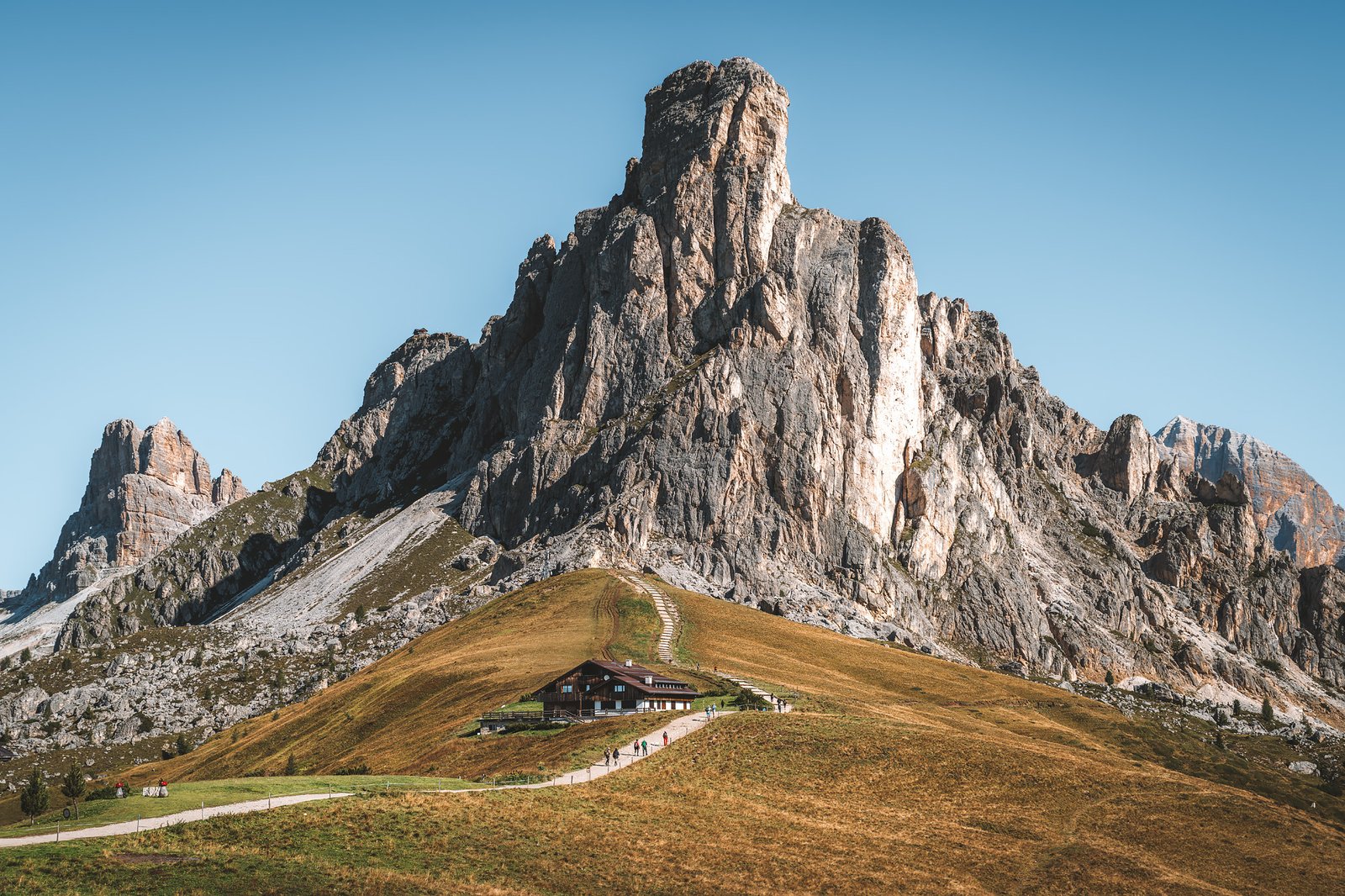
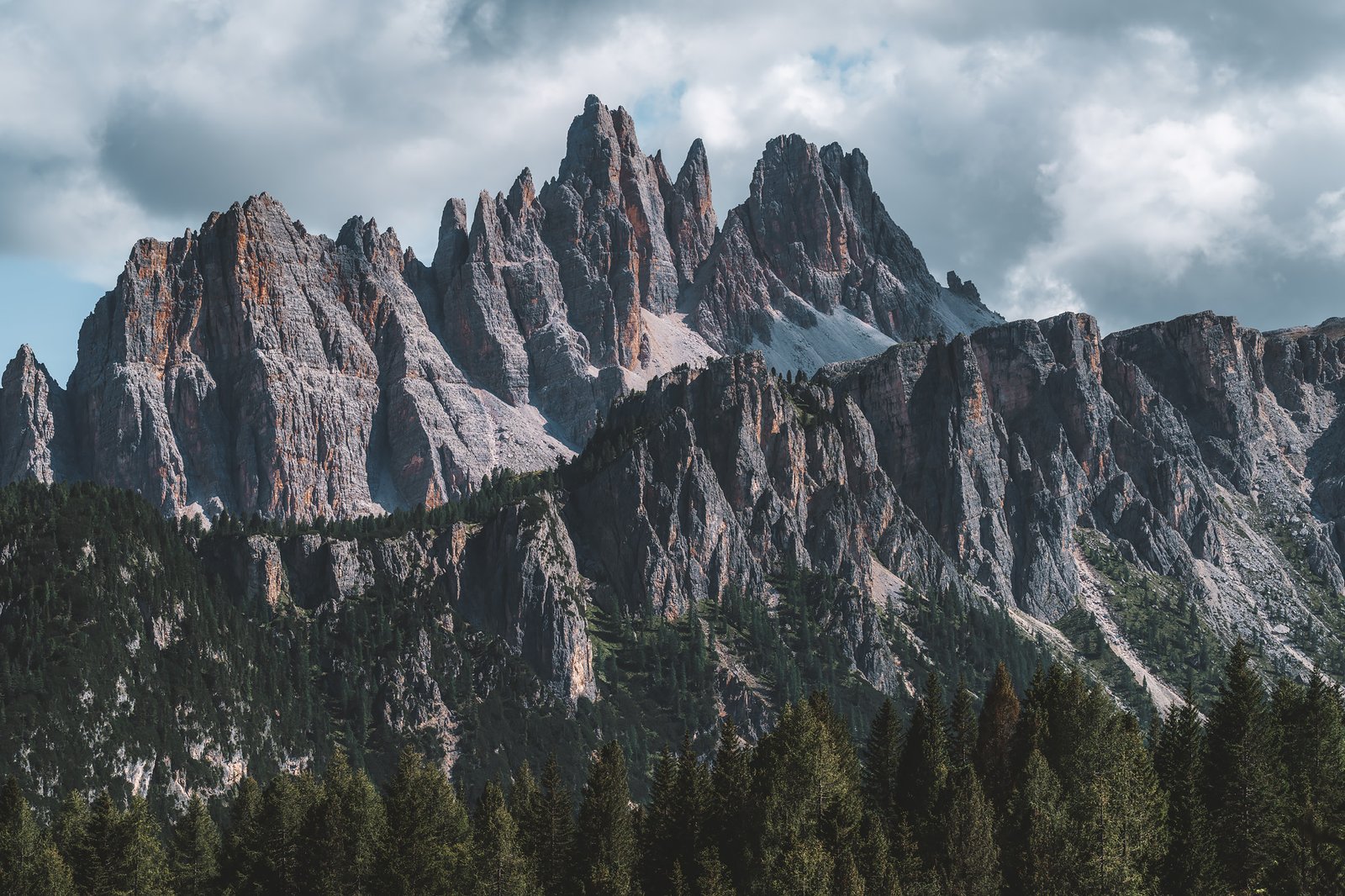
About 250 million years ago, this place was a shallow tropical sea filled with coral reefs and marine life. What are now vertical walls of rock were once living organisms submerged in water.
Eventually, those reefs turned to stone. Then, when the Alps formed, they were raised up to create the mountains we see today.
That’s probably why in 2009 the Dolomites were declared a UNESCO World Heritage Site. Not only for their beauty, but for something less visible, their geological value. This is one of the few locations in the world where that conversion from coral to mountain can be studied. The mountains here didn’t erode like those in other places, because they weren’t mountains. They were coral turned to stone.
You can feel the difference while walking. The rock feels lighter and brittle, and when you strike the ground with your poles, you can hear a characteristic metallic sound.
Enrosadira
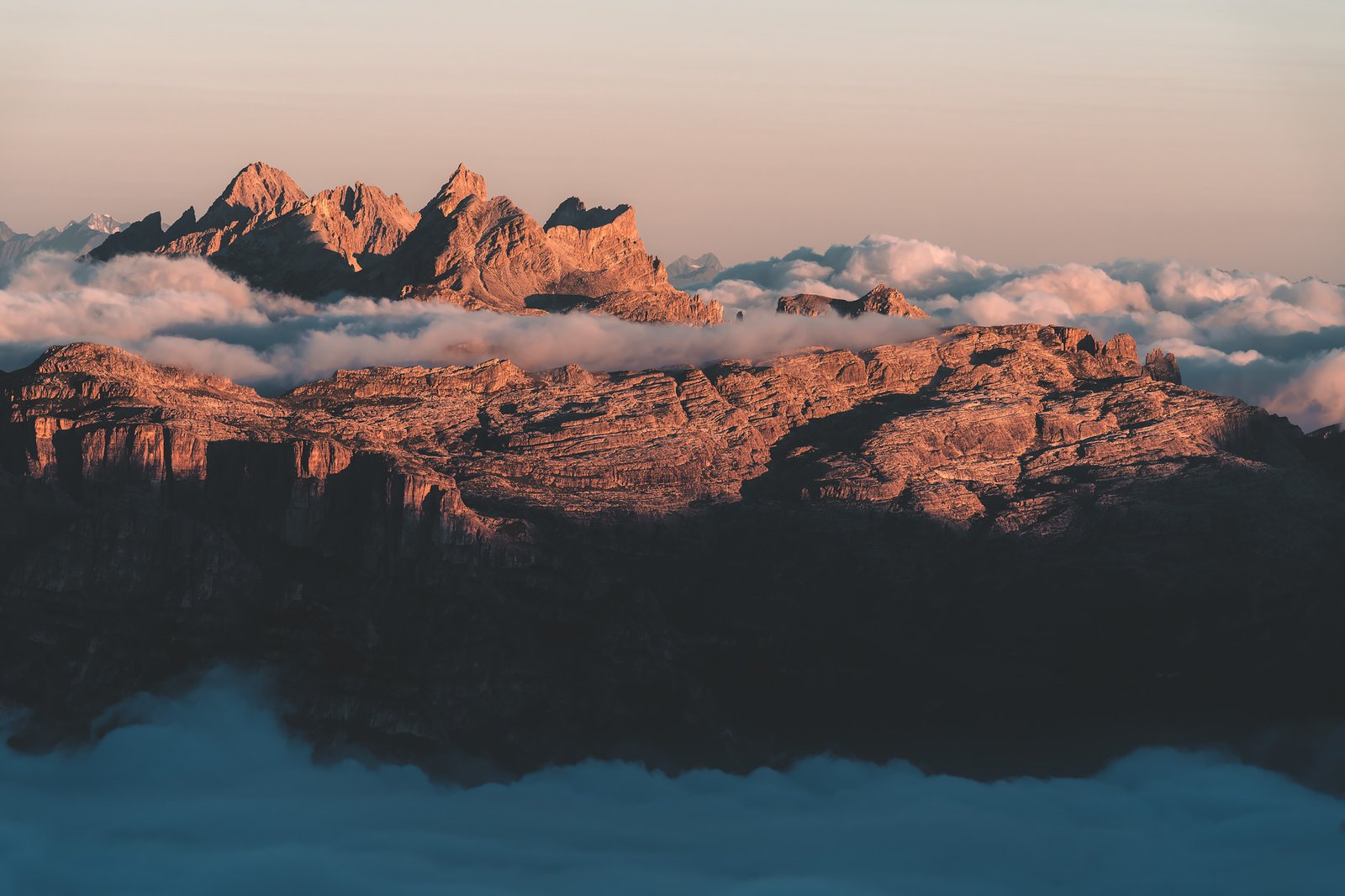
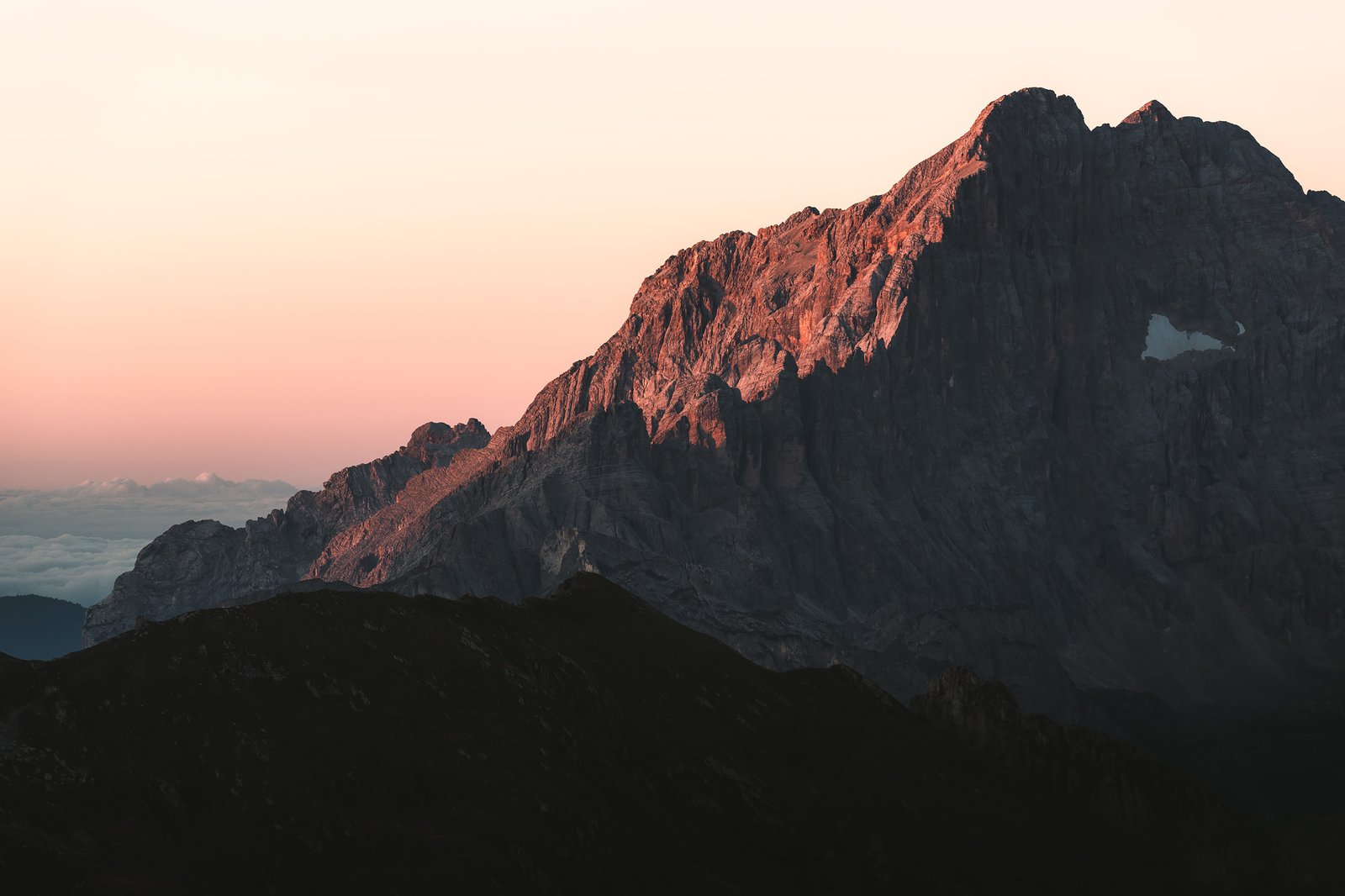
For the local residents, that rosy glow that ignites the walls of the mountains at sunset has a curious name, Enrosadira, known in English as Alpenglow. According to legend, King Laurin, who ruled over the dwarves, had a hidden rose garden among the peaks. He was betrayed, and he cast a curse on his garden so that no one could see it either by day or by night, but he forgot the twilight. It is only then that the garden blooms once again on the rock.
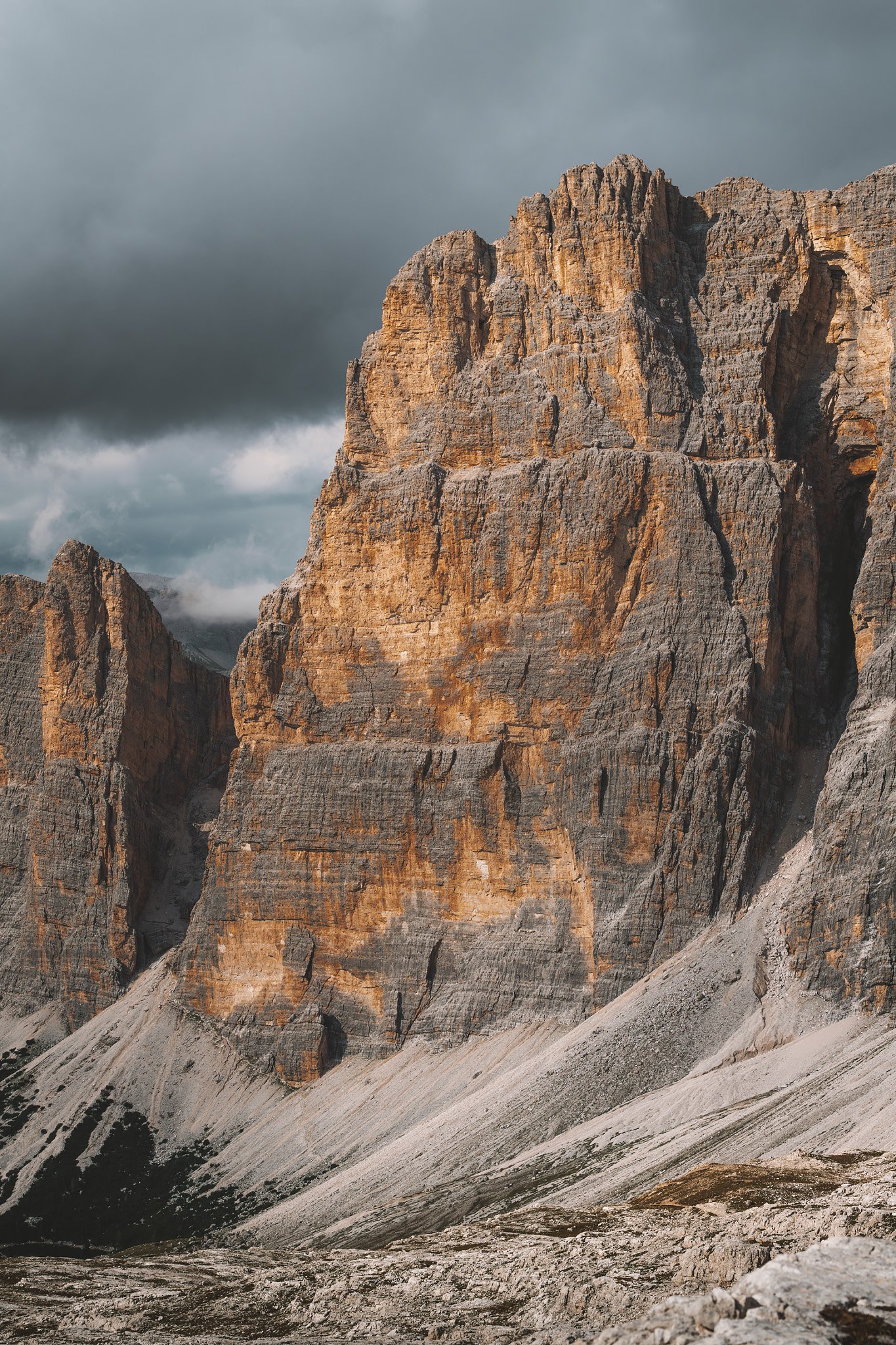
Beyond mythology, science explains that it is the chemical composition of the dolomite rock that reacts to low light. And it is such an incredible thing to witness! There are certain moments of the day when Civetta turns so intensely red that it seems to produce its own energy. In those moments, it is almost impossible to do it justice with a photo; the camera cannot capture the dynamic range of a light that doesn’t seem to originate from the sun, but from within the rock itself.
Then the wind drops the temperature quickly and the light starts to fade faster than expected. The mist slides from one peak to another and covers everything around you in a few moments.
Not everything can be photographed, nor should it be. Some images last only seconds, shifts in the light while you are moving. But part of traveling is realizing that, not to save every moment, but to simply witness when they occur.
An Ancient Frontier
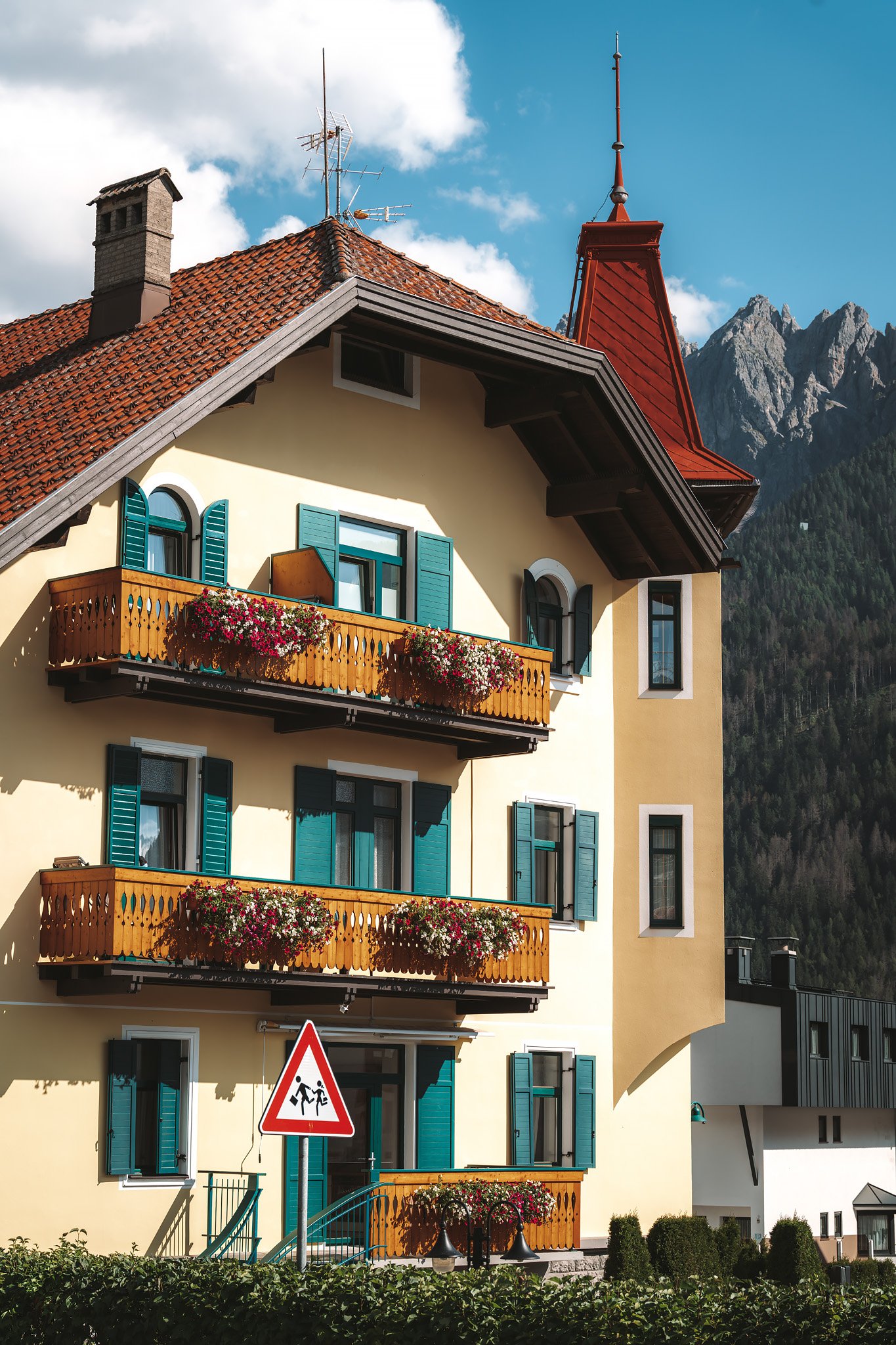
This region had been part of the Habsburg Empire for almost a century. Even today, evidence of that legacy can be seen in every detail, in the paths that mark the itinerary, in the architecture, the food, the customs and the language. German remains the primary language in most villages. In other areas, such as Val Badia, they speak Ladin, a Rhaeto-Romance language that has survived in these isolated valleys for centuries.
When the Romans were in control, this was the province of Raetia. It marked the boundary between the Mediterranean world and the lands of the Barbarian territories. For them, these mountains were a territory to cross when going to battle.
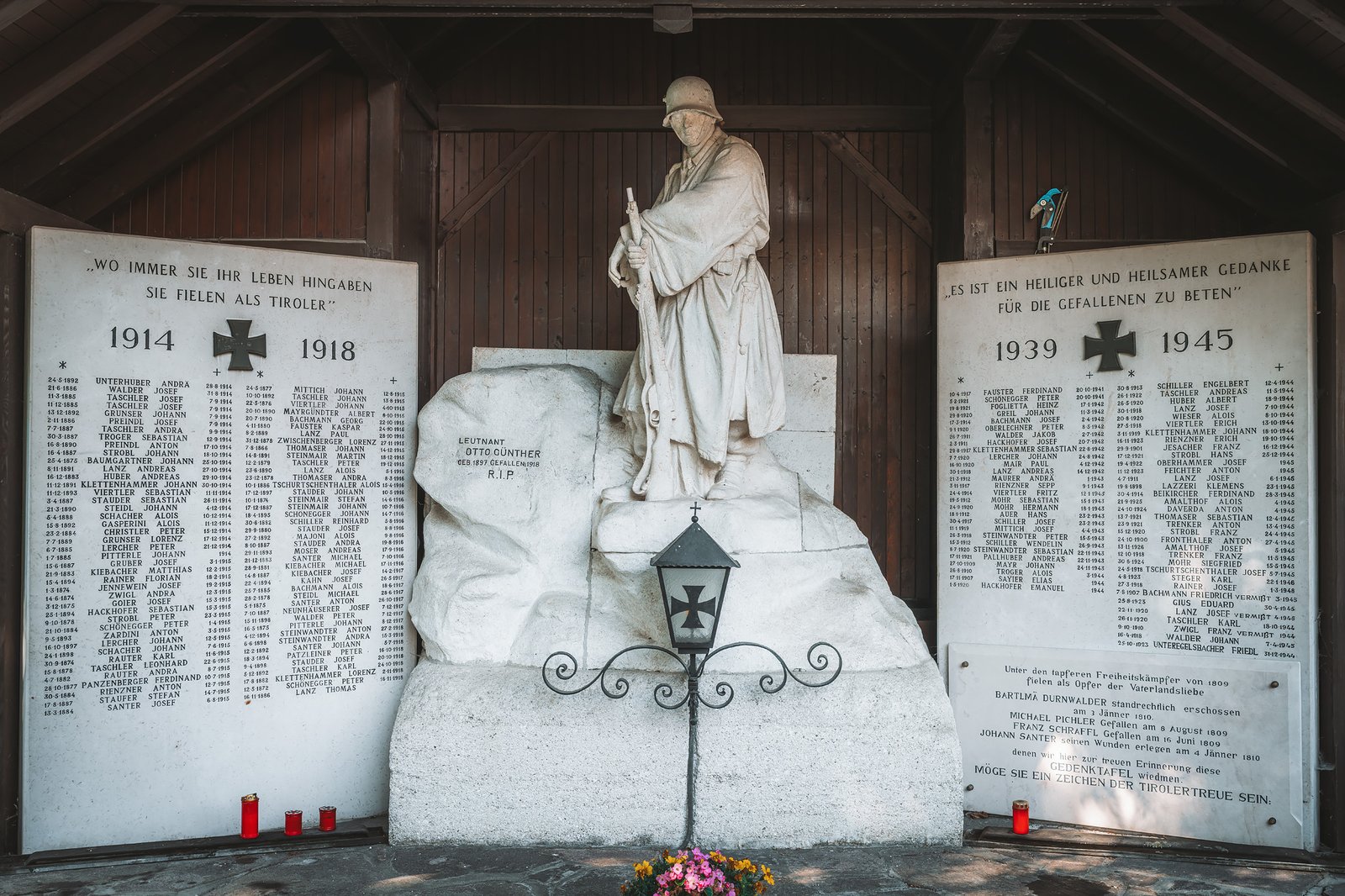
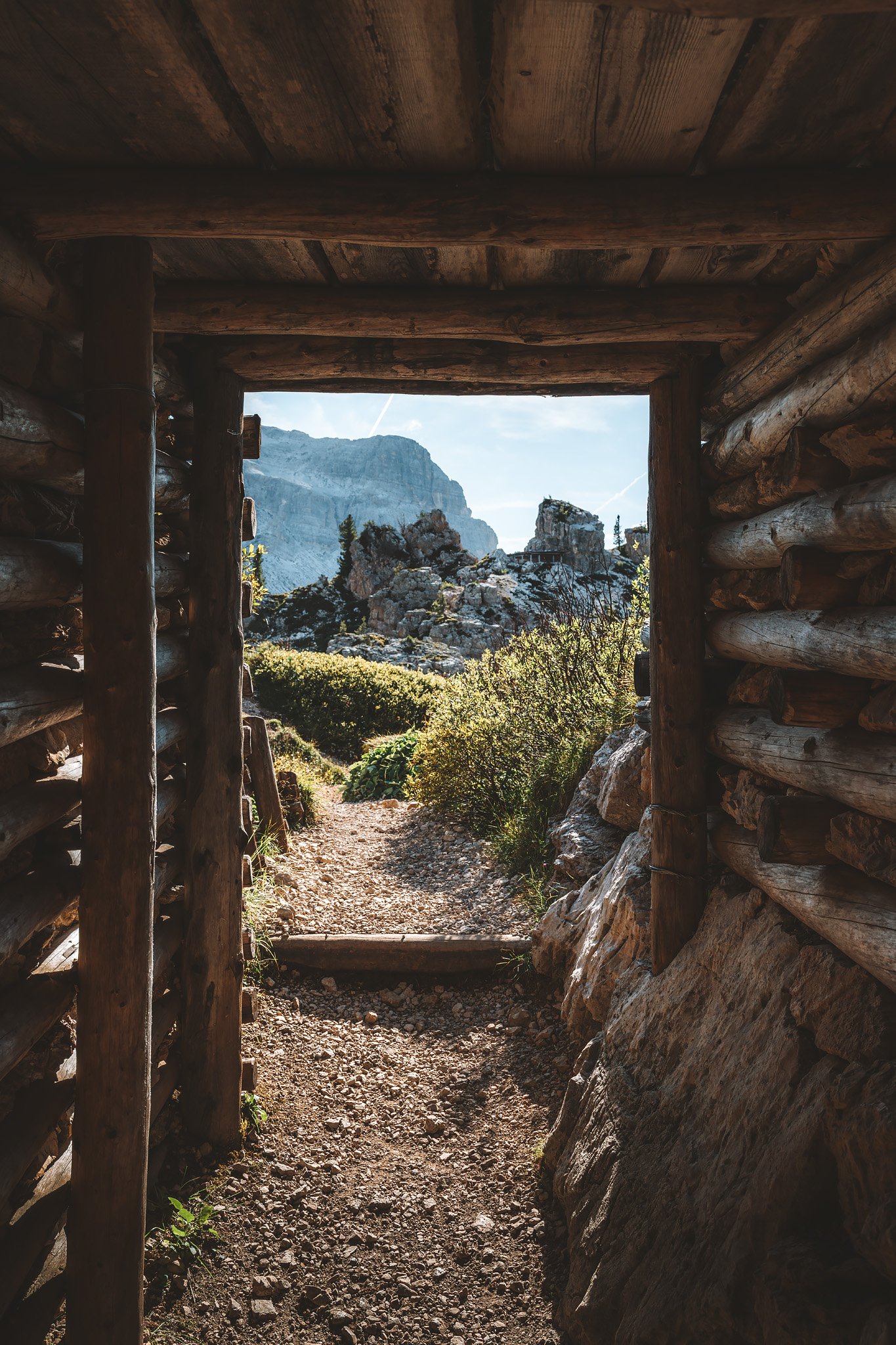
Later, that frontier role returned. During WWI, the Dolomites became one of the harshest mountain fronts of the war. Italian and Austro-Hungarian troops dug tunnels into the rock and lived in extreme conditions at altitudes above 3,000 meters, where the cold and the altitude worked against them.
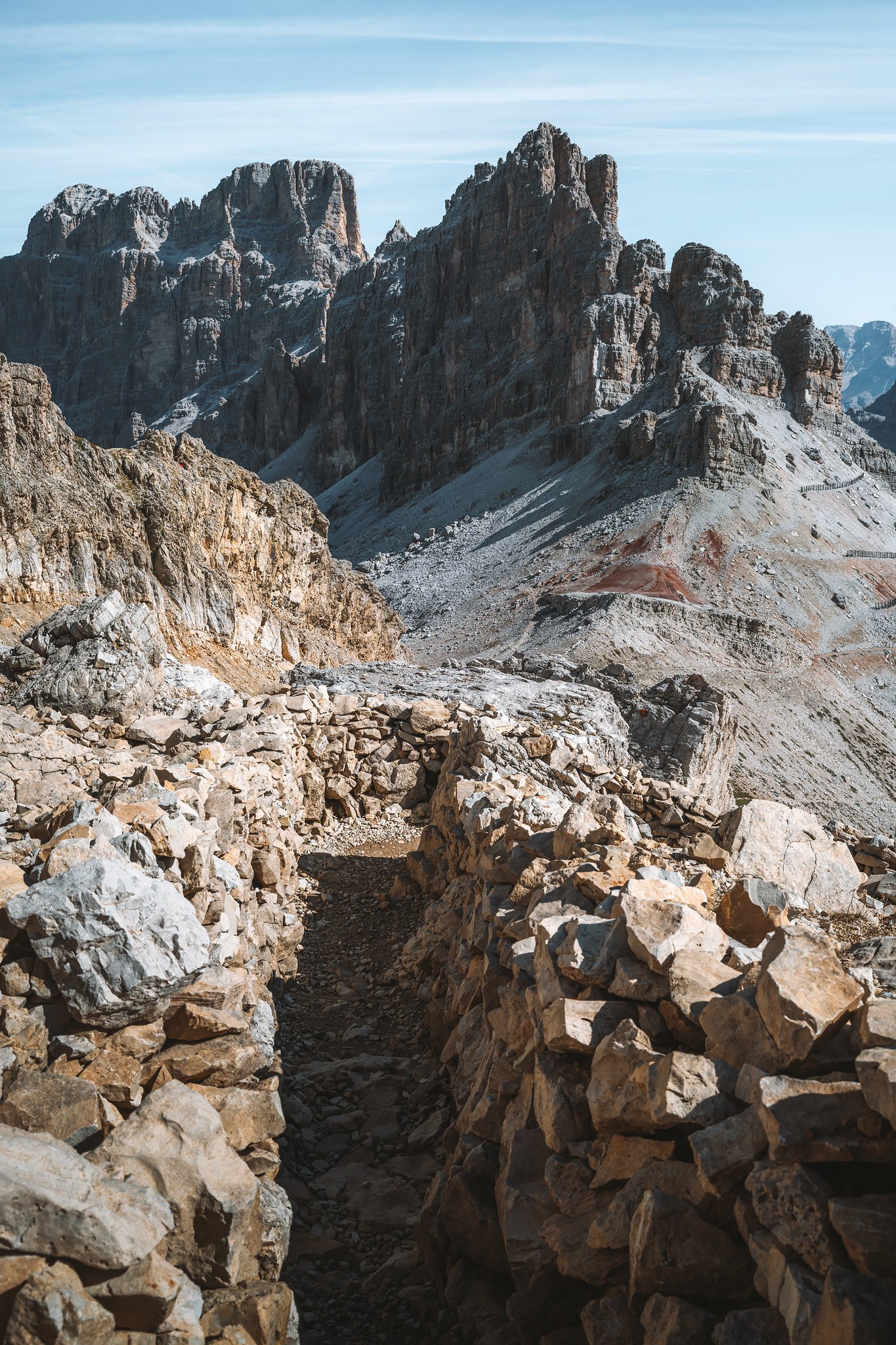
In some sections of the route, the trail appears to be nothing more than a simple path. The rock is hollowed out, the walls show artificial cuts, and suddenly you realize that others were here before for very different reasons. You walk over excavations carved during a war, along paths that armies have used for centuries.
Today, those same footsteps form one of the most fascinating aspects of the journey, and the contrast is difficult to ignore.
A well-rounded Trail
Alta Via 1 is one of the top multi-day hiking trails in Europe. It is not technically challenging in the classical Alpine sense, but it is physically demanding, with constant elevation changes and varied terrain. The route is designed to be completed in approximately ten or eleven days, but I planned to complete it in seven.
It is not a trail for everyone, though its growing popularity may suggest otherwise. Each day requires something different. Sometimes it’s the terrain, other days, the distance or the weather, which doesn’t always cooperate, sometimes is the unexpected what can make a difference. Or it can simply be the exhaustion and the accumulation of days. The body adapts, but not without resistance.
In the past decade, the Dolomites have become a highly recognizable destination, largely due to social media. Places like Tre Cime attract hundreds of thousands of visitors each year, many in search of an Instagramable moment. Yet you only need to go a few kilometers farther for the crowds to disappear.
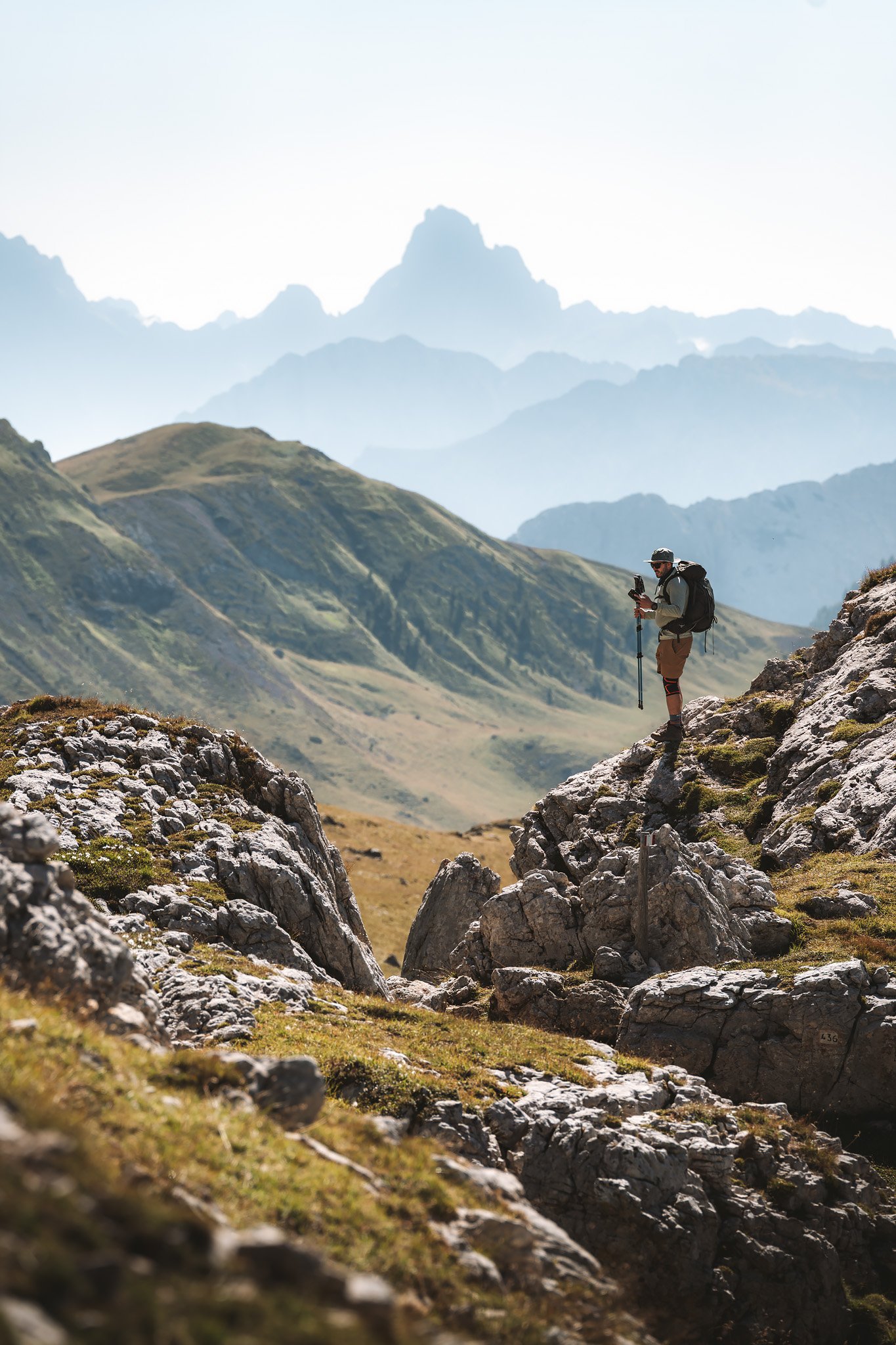
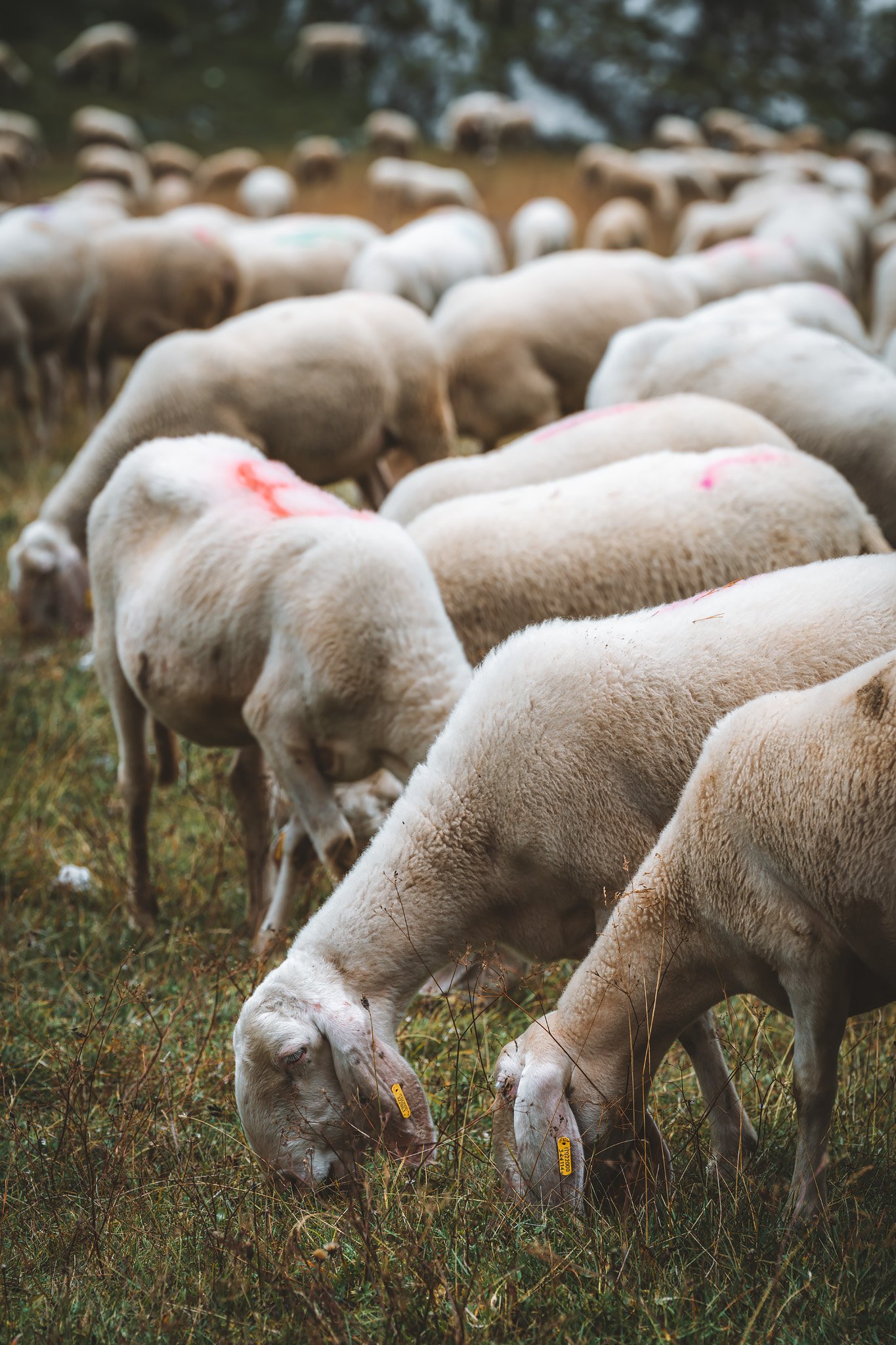
On the Alta Via 1, there are stretches where time seems to stand still and silence surrounds you. Valleys where sheep graze, where the most constant sound is that of cowbells. Meadows where the rhythm is set by the terrain, and where human presence does not disrupt the landscape.
The rifugi (mountain huts) help maintain that balance. More than mere accommodations, the rifugi are places of connection. At seven in the evening, long communal tables fill with strangers who, after a short conversation, begin sharing maps as if they were old friends. The effort of the day gives way to long discussions, simple meals, and the shared feeling of having arrived there in much the same way. Outside those walls, the rest of the world continues to move at an unstoppable pace.
There is something in that environment that encourages connection, perhaps the shared effort, or perhaps the absence of distractions.
Staying in the present
With each passing day, the backpack begins to feel less like a burden and more like an extension of your body. There is a quiet mysticism in the austerity of the hiker. You realize you can be deeply happy with eight kilograms on your back and a camera.
Accumulated fatigue creates a mental state in which you stop projecting into the future and instead anchor yourself in the present moment, in the next step. In the end, the Alta Via 1 is not measured in distance, but in the number of unnecessary thoughts you leave behind along the trail.
The route changes constantly. There is no single view of the Dolomites. Instead, there are many, layered throughout the journey. And that, perhaps, is what makes the Alta Via 1 unique.
The adventure starts now.