

2025 was a year of reflection and transformation. A time to change habits, build new ones, live more fully, appreciate the small moments, and take on new challenges.
Travel has always felt like a necessity to me. It’s one of the few things that forces you to let go of what you think you know, to accept new realities, and to see the world in ways you may not have even realized existed.
It’s also a way of understanding culture beyond what books can tell you. Walking through a place, speaking with the people who live there, or simply observing everyday life allows you to connect ideas that were once just theory, scattered facts and curiosities gathered over the years through a persistent sense of curiosity.
Many hikers see the trail as an end in itself. For me, it has always been another way of traveling, a window into a unique reality. It may not offer grand monuments, but it gives you landscapes, nature, wildlife, and the feeling of following paths that others have walked before.
And it brings something more, a much needed at that time personal challenge, the act of moving forward, of completing each stage, one step at a time.
In the summer of 2025, after hearing the name “Dolomites” many times without giving it much thought, I decided to look into it more closely. That’s when I came across a route that seemed to bring together everything I was looking for, set in a truly unique environment, the Alta Via 1.
A demanding journey, around 150 kilometers, with roughly 10,000 meters of elevation gain and loss, that felt like the perfect balance of beauty, effort, and discovery.
From that moment on, it became an obsession. A place I knew I had to go.
The Sea that became Rock
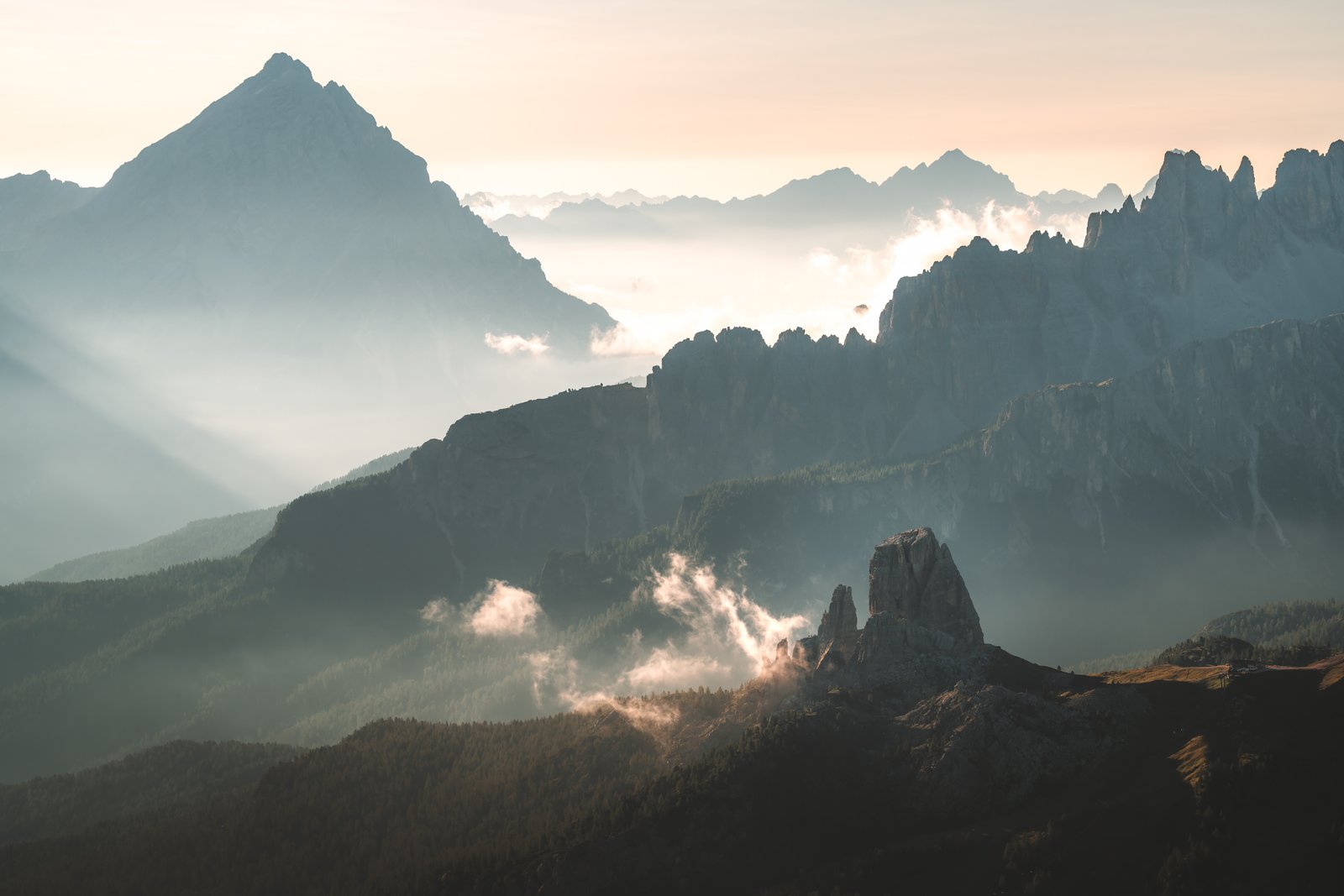
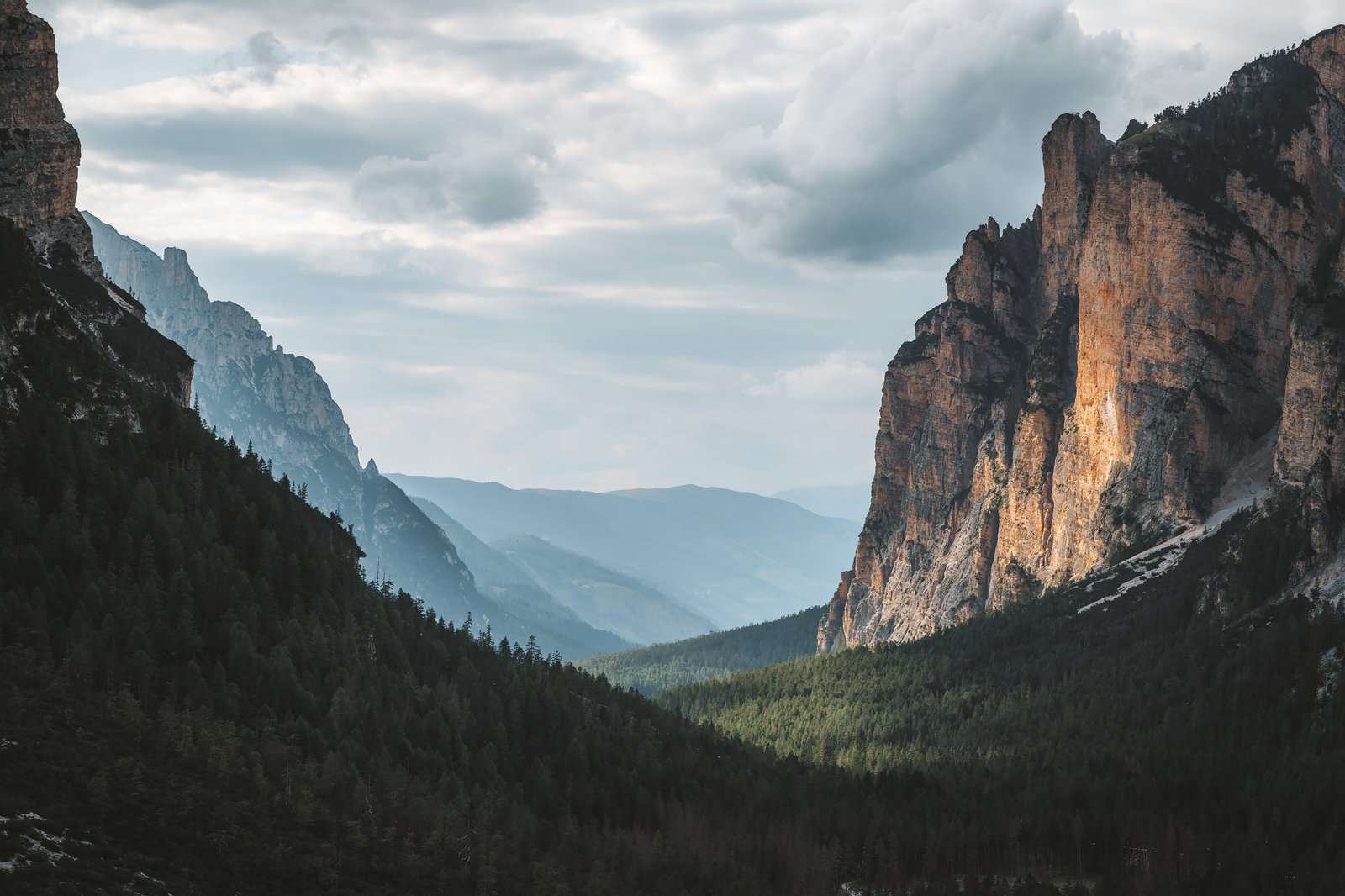
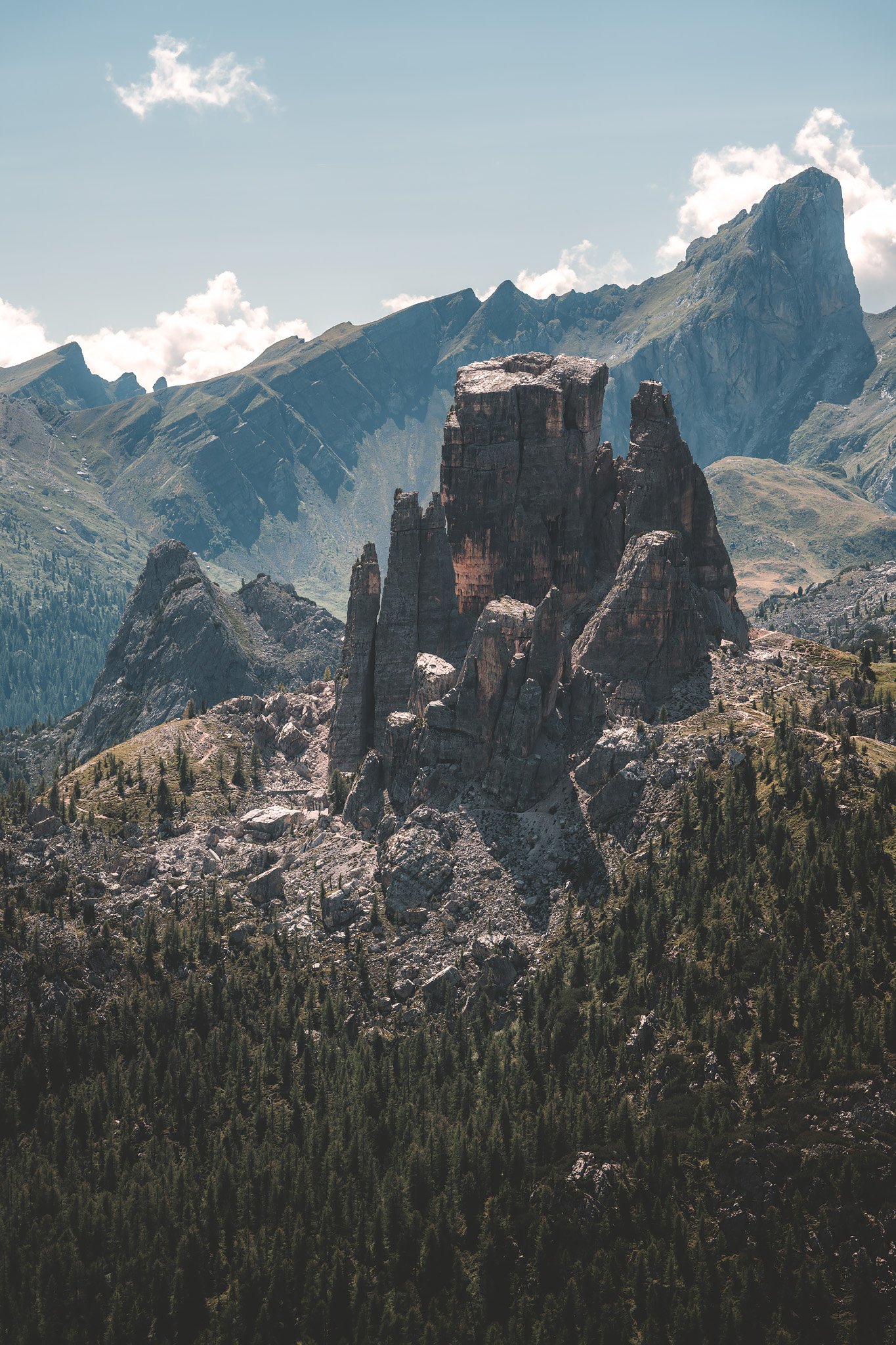
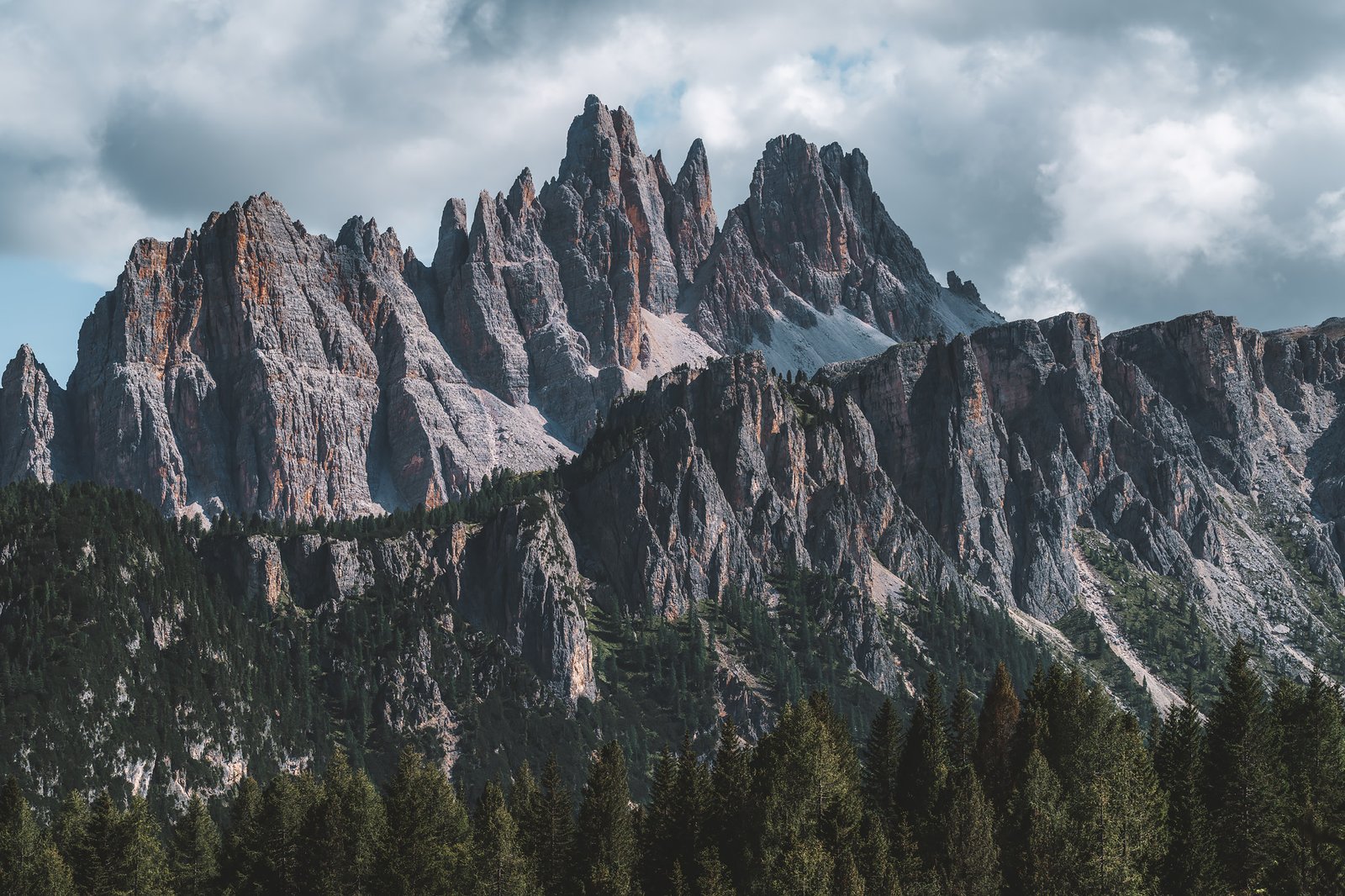
About 250 million years ago, this place was a shallow tropical sea filled with coral reefs and marine life. What are now vertical walls of rock were once living organisms submerged in water.
Eventually, those reefs turned to stone. Then, when the Alps formed, they were raised up to create the mountains we see today.
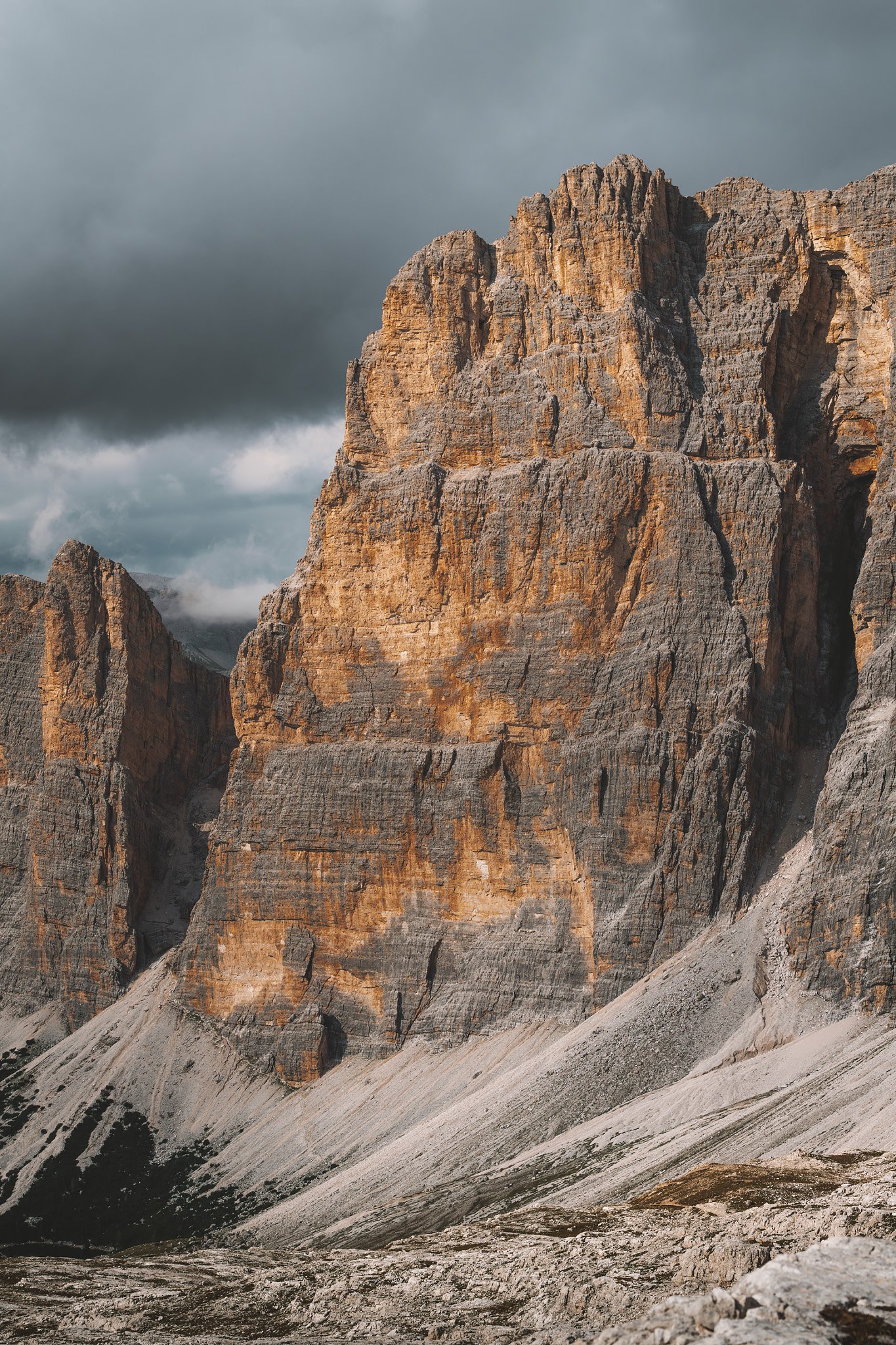
That’s probably why in 2009 the Dolomites were declared a UNESCO World Heritage Site. Not only for their beauty, but for something less visible, their geological value. This is one of the few locations in the world where that conversion from coral to mountain can be studied. The mountains here didn’t erode like those in other places, because they weren’t mountains. They were coral turned to stone.
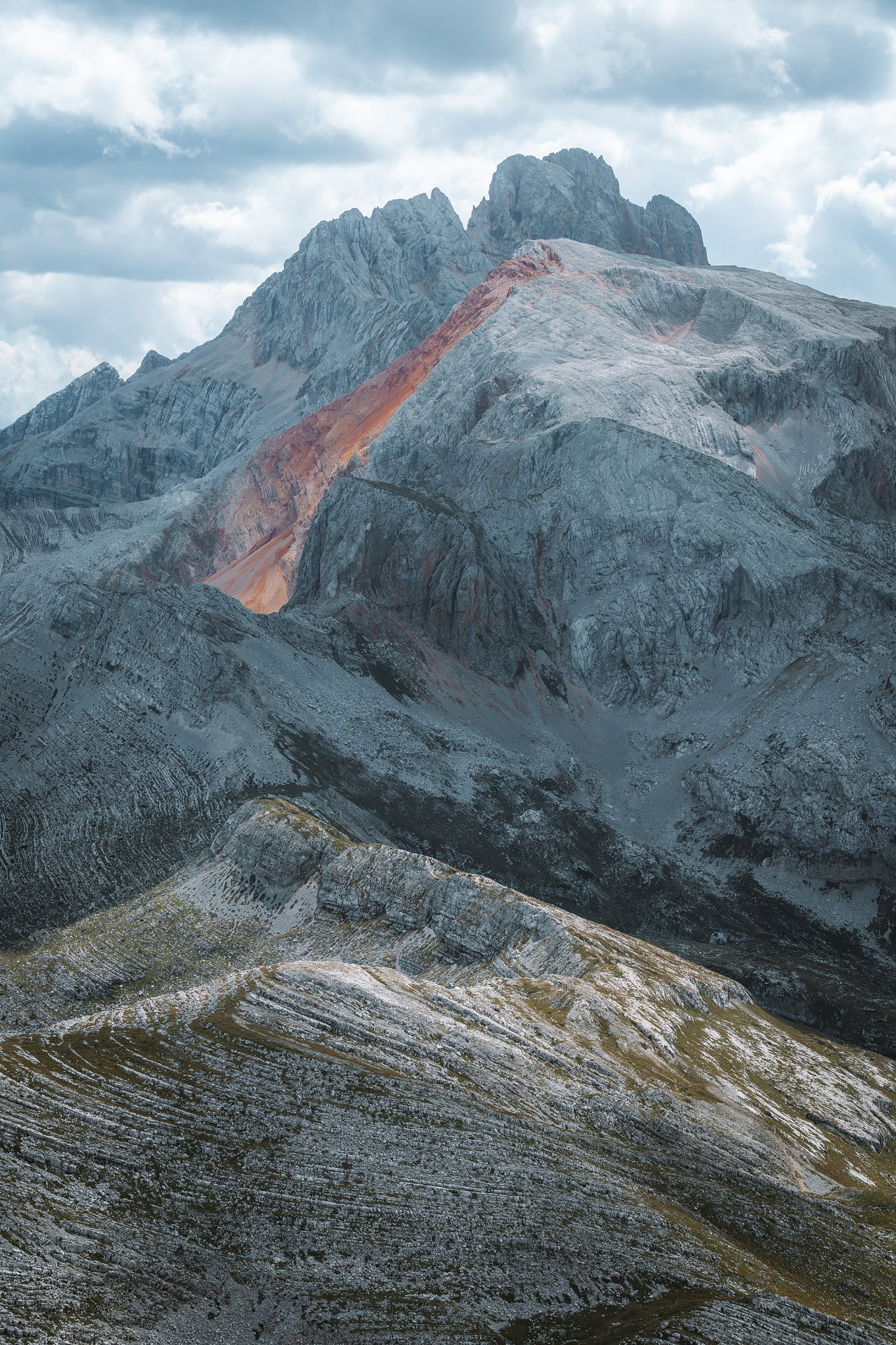
You can feel the difference while walking. The rock feels lighter and brittle, and when you strike the ground with your poles, you can hear a characteristic metallic sound.
Enrosadira
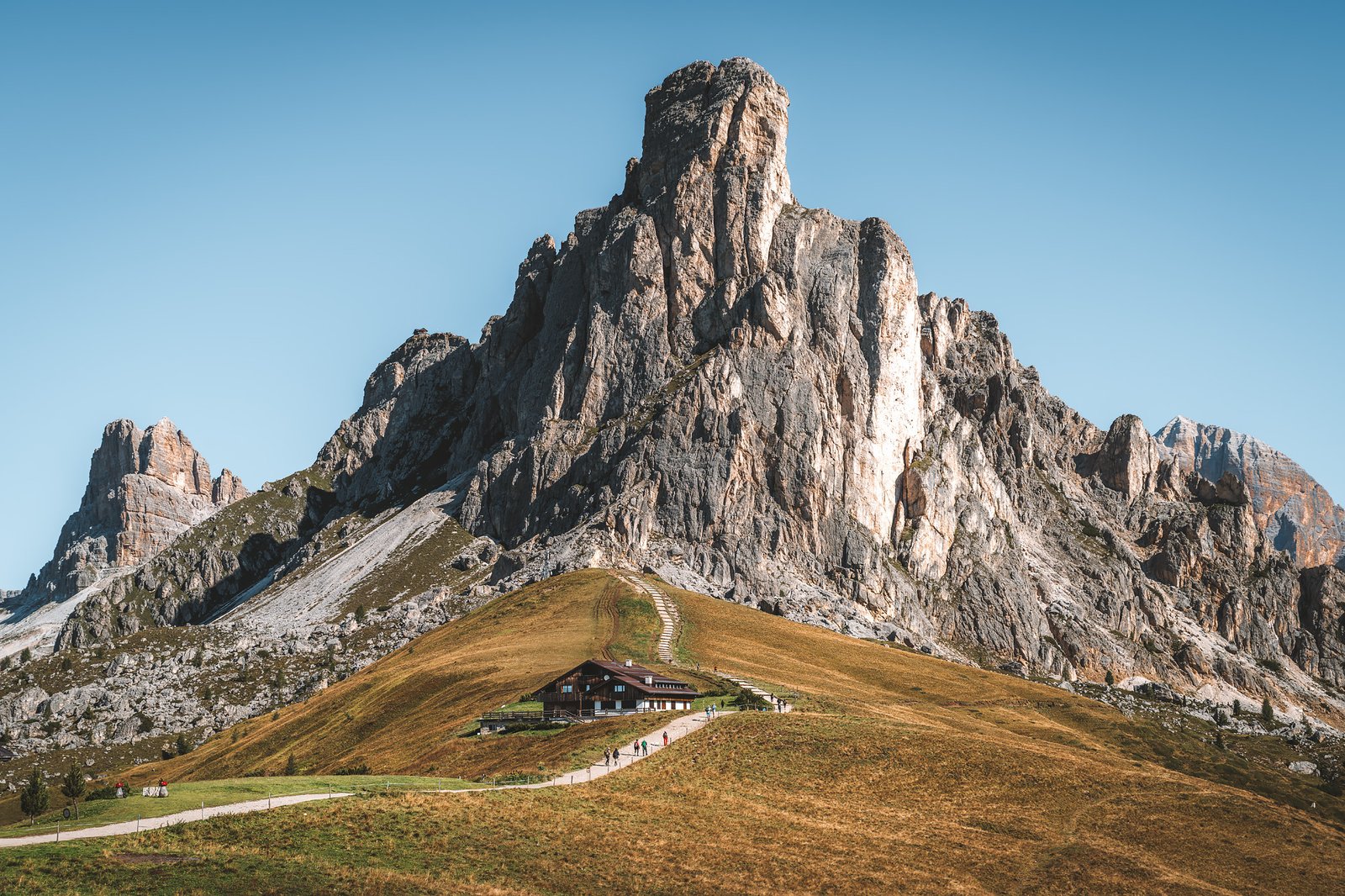
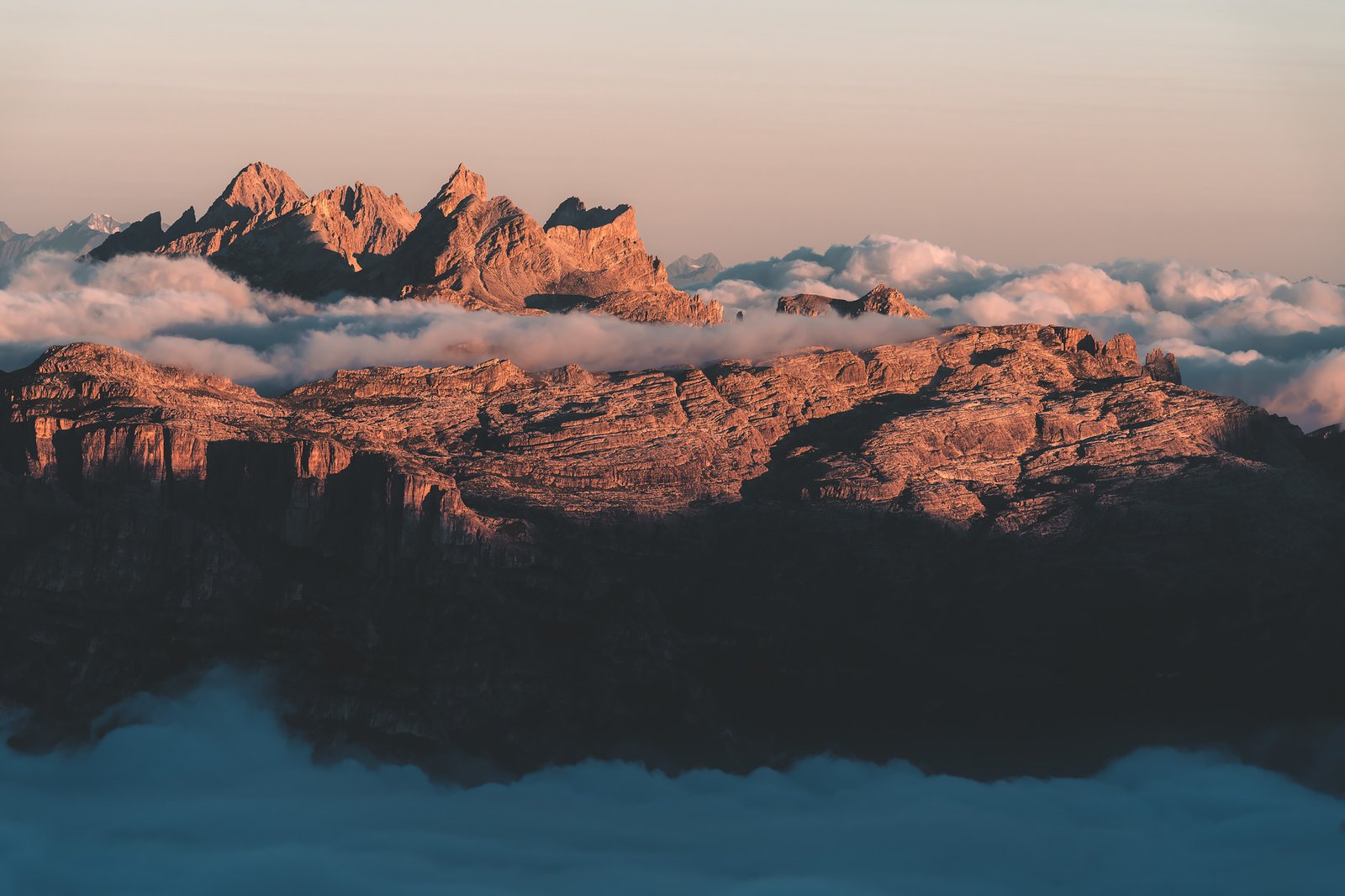
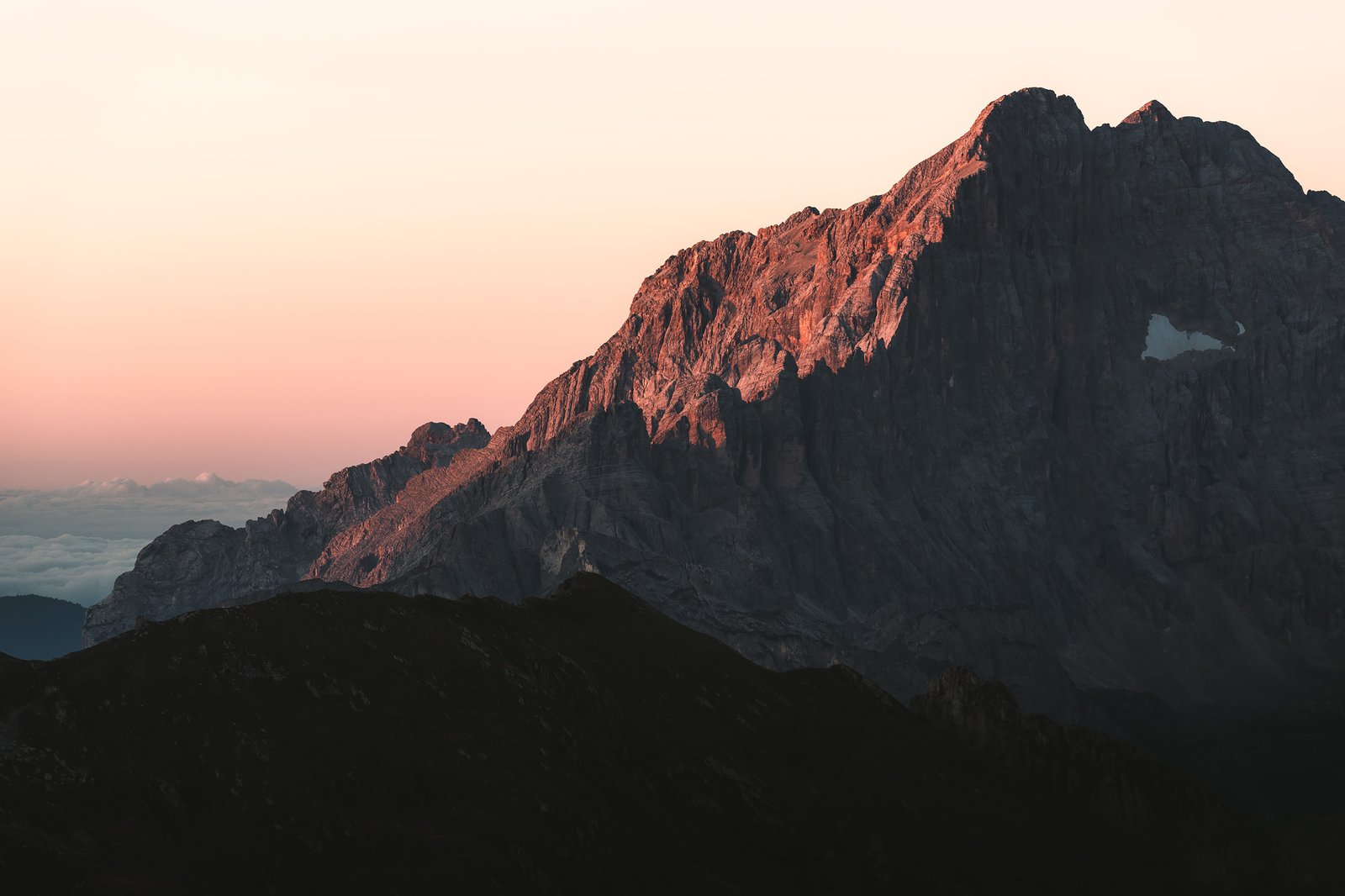
For the local residents, that rosy glow that ignites the walls of the mountains at sunset has a curious name, Enrosadira, known in English as Alpenglow. According to legend, King Laurin, who ruled over the dwarves, had a hidden rose garden among the peaks. He was betrayed, and he cast a curse on his garden so that no one could see it either by day or by night, but he forgot the twilight. It is only then that the garden blooms once again on the rock.
Beyond mythology, science explains that it is the chemical composition of the dolomite rock that reacts to low light. And it is such an incredible thing to witness! There are certain moments of the day when Civetta turns so intensely red that it seems to produce its own energy. In those moments, it is almost impossible to do it justice with a photo; the camera cannot capture the dynamic range of a light that doesn’t seem to originate from the sun, but from within the rock itself.
Then the wind drops the temperature quickly and the light starts to fade faster than expected. The mist slides from one peak to another and covers everything around you in a few moments.
Not everything can be photographed, nor should it be. Some images last only seconds, shifts in the light while you are moving. But part of traveling is realizing that, not to save every moment, but to simply witness when they occur.
An Ancient Frontier
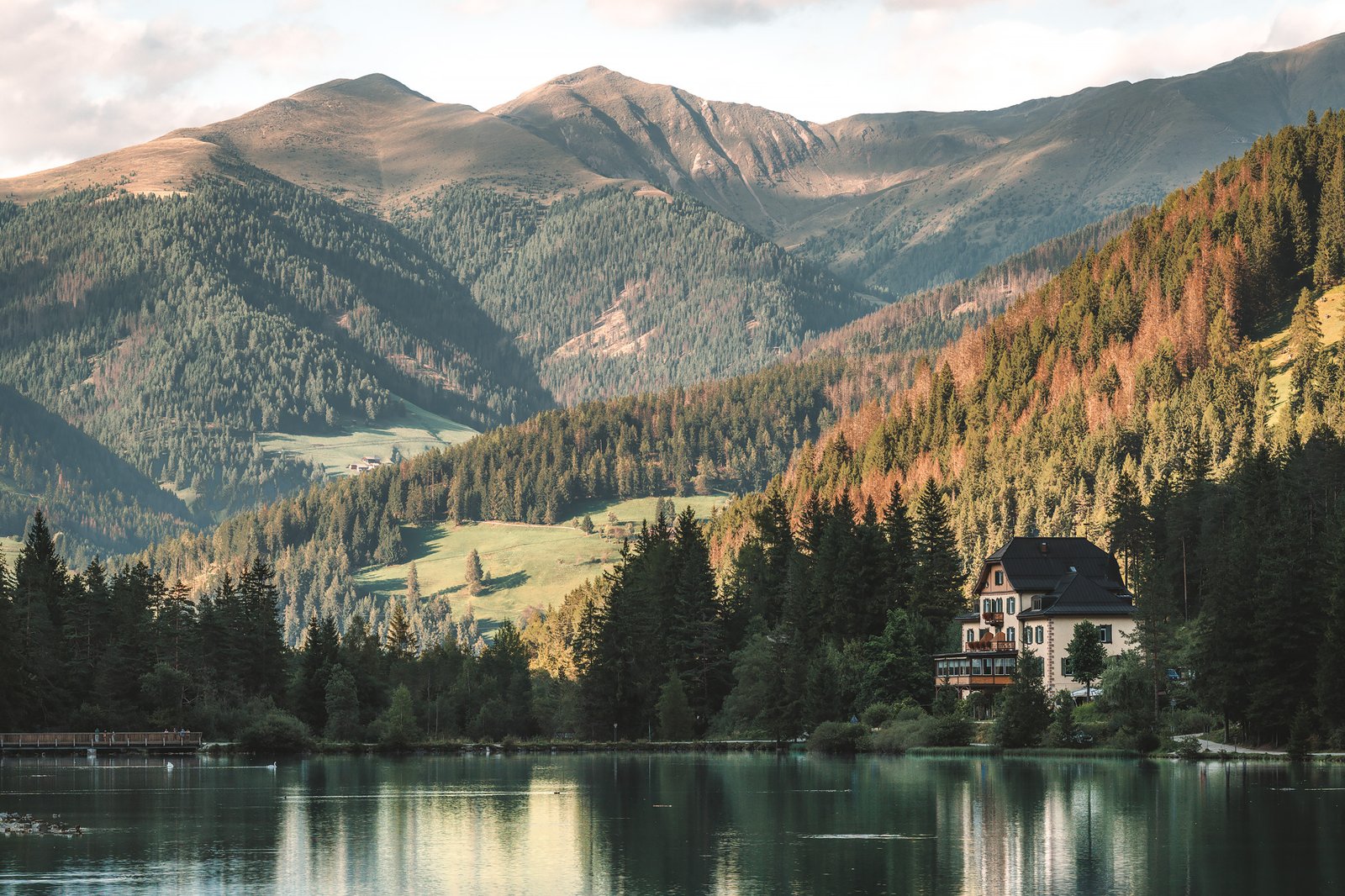
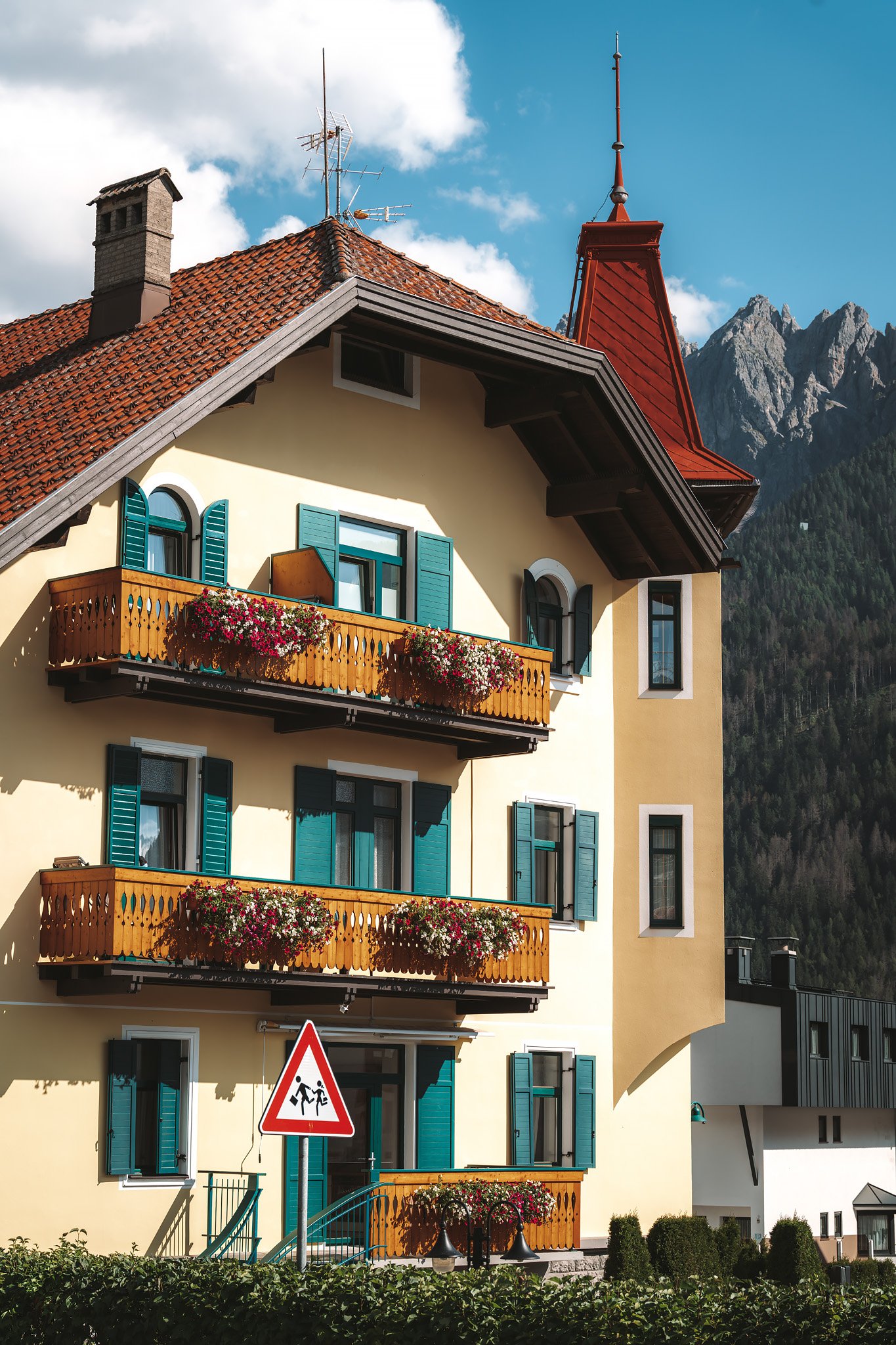
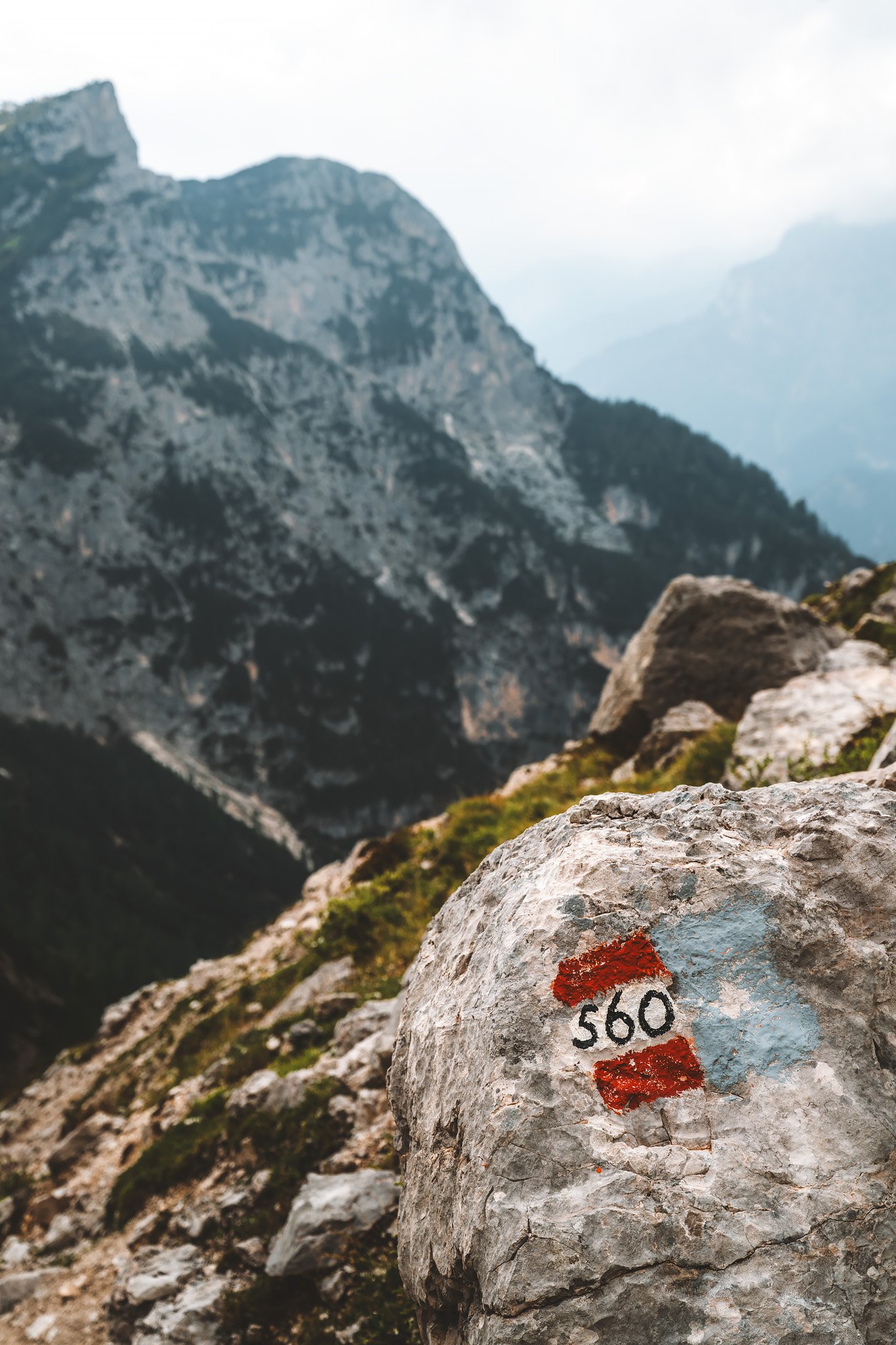
This region had been part of the Habsburg Empire for almost a century. Even today, evidence of that legacy can be seen in every detail, in the paths that mark the itinerary, in the architecture, the food, the customs and the language. German remains the primary language in most villages. In other areas, such as Val Badia, they speak Ladin, a Rhaeto-Romance language that has survived in these isolated valleys for centuries.
When the Romans were in control, this was the province of Raetia. It marked the boundary between the Mediterranean world and the lands of the Barbarian territories. For them, these mountains were a territory to cross when going to battle.
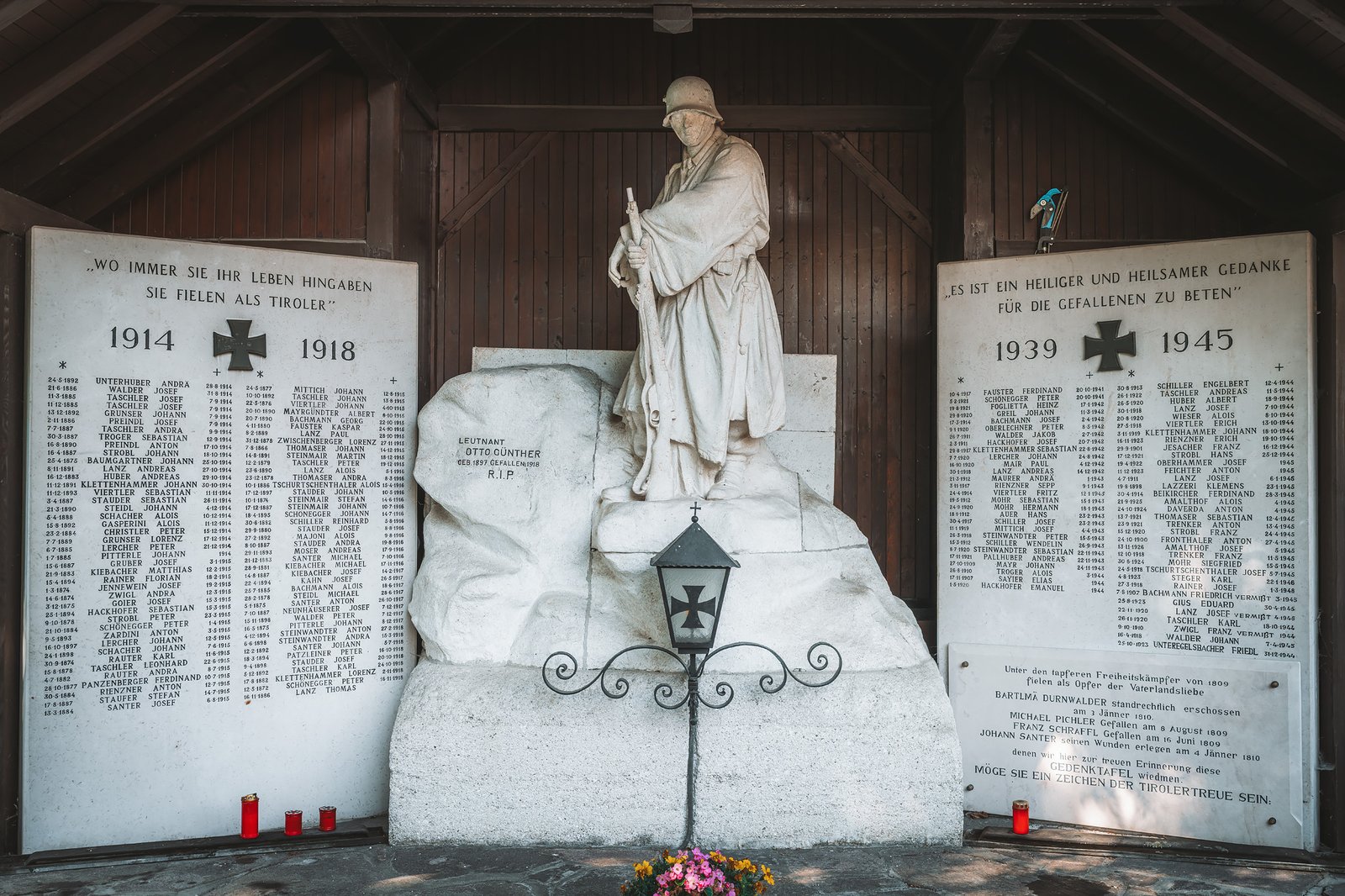
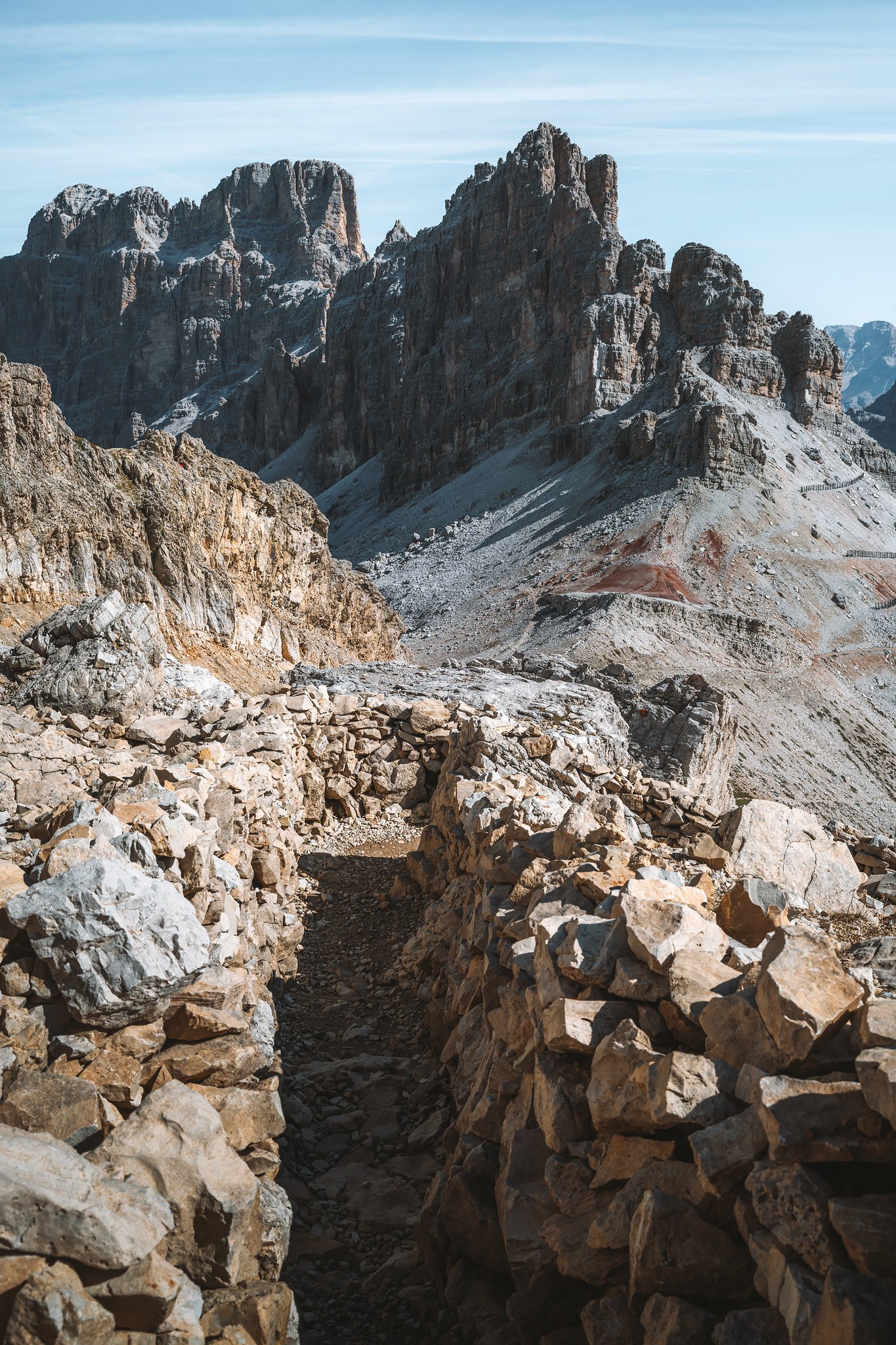
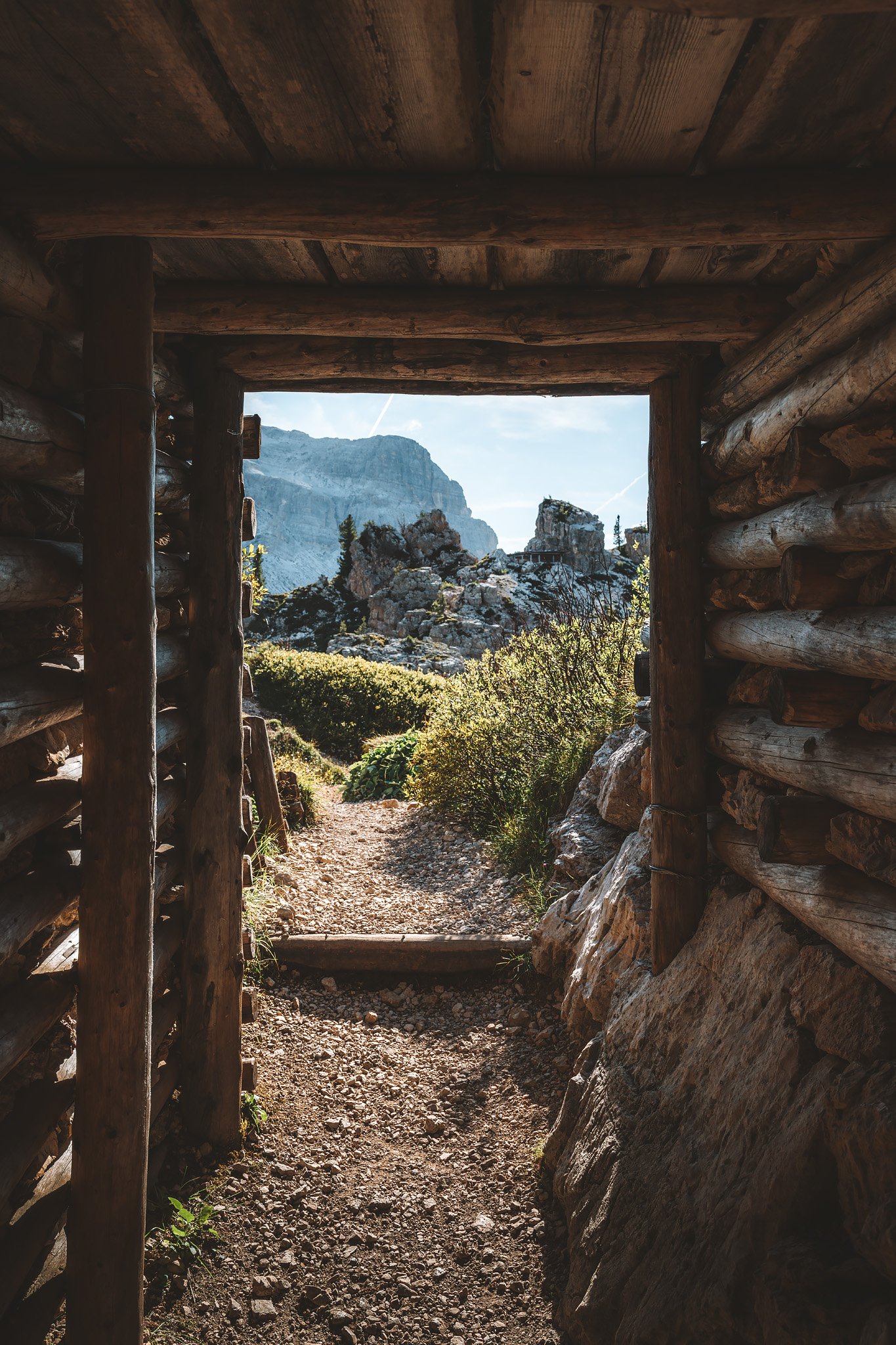
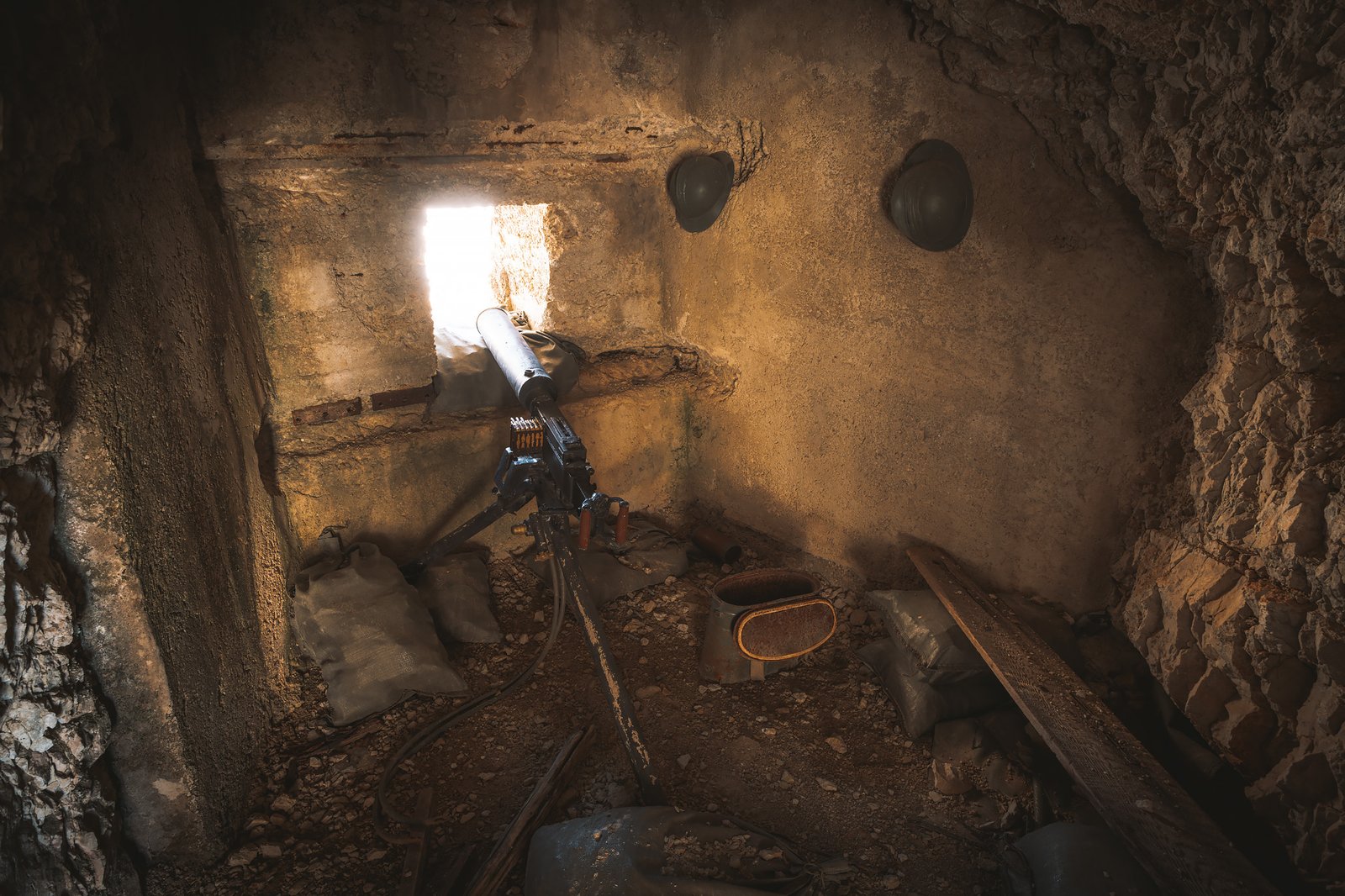
Later, that frontier role returned. During WWI, the Dolomites became one of the harshest mountain fronts of the war. Italian and Austro-Hungarian troops dug tunnels into the rock and lived in extreme conditions at altitudes above 3,000 meters, where the cold and the altitude worked against them.
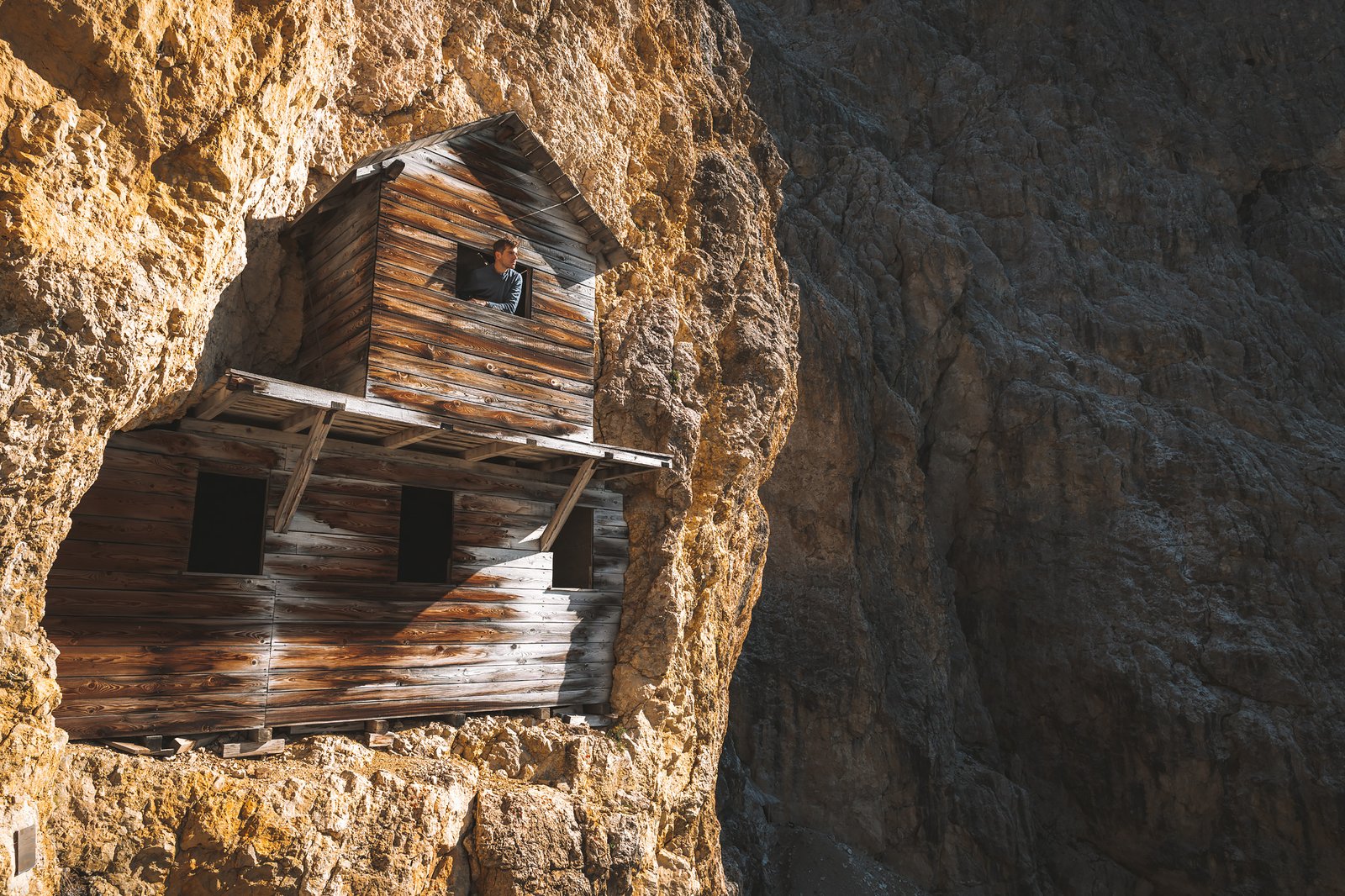
In some sections of the route, the trail appears to be nothing more than a simple path. The rock is hollowed out, the walls show artificial cuts, and suddenly you realize that others were here before for very different reasons. You walk over excavations carved during a war, along paths that armies have used for centuries.
Today, those same footsteps form one of the most fascinating aspects of the journey, and the contrast is difficult to ignore.
A well-rounded Trail
Alta Via 1 is one of the top multi-day hiking trails in Europe. It is not technically challenging in the classical Alpine sense, but it is physically demanding, with constant elevation changes and varied terrain. The route is designed to be completed in approximately ten or eleven days, but I planned to complete it in seven.
It is not a trail for everyone, though its growing popularity may suggest otherwise. Each day requires something different. Sometimes it’s the terrain, other days, the distance or the weather, which doesn’t always cooperate, sometimes is the unexpected what can make a difference. Or it can simply be the exhaustion and the accumulation of days. The body adapts, but not without resistance.
In the past decade, the Dolomites have become a highly recognizable destination, largely due to social media. Places like Tre Cime attract hundreds of thousands of visitors each year, many in search of an Instagramable moment. Yet you only need to go a few kilometers farther for the crowds to disappear.
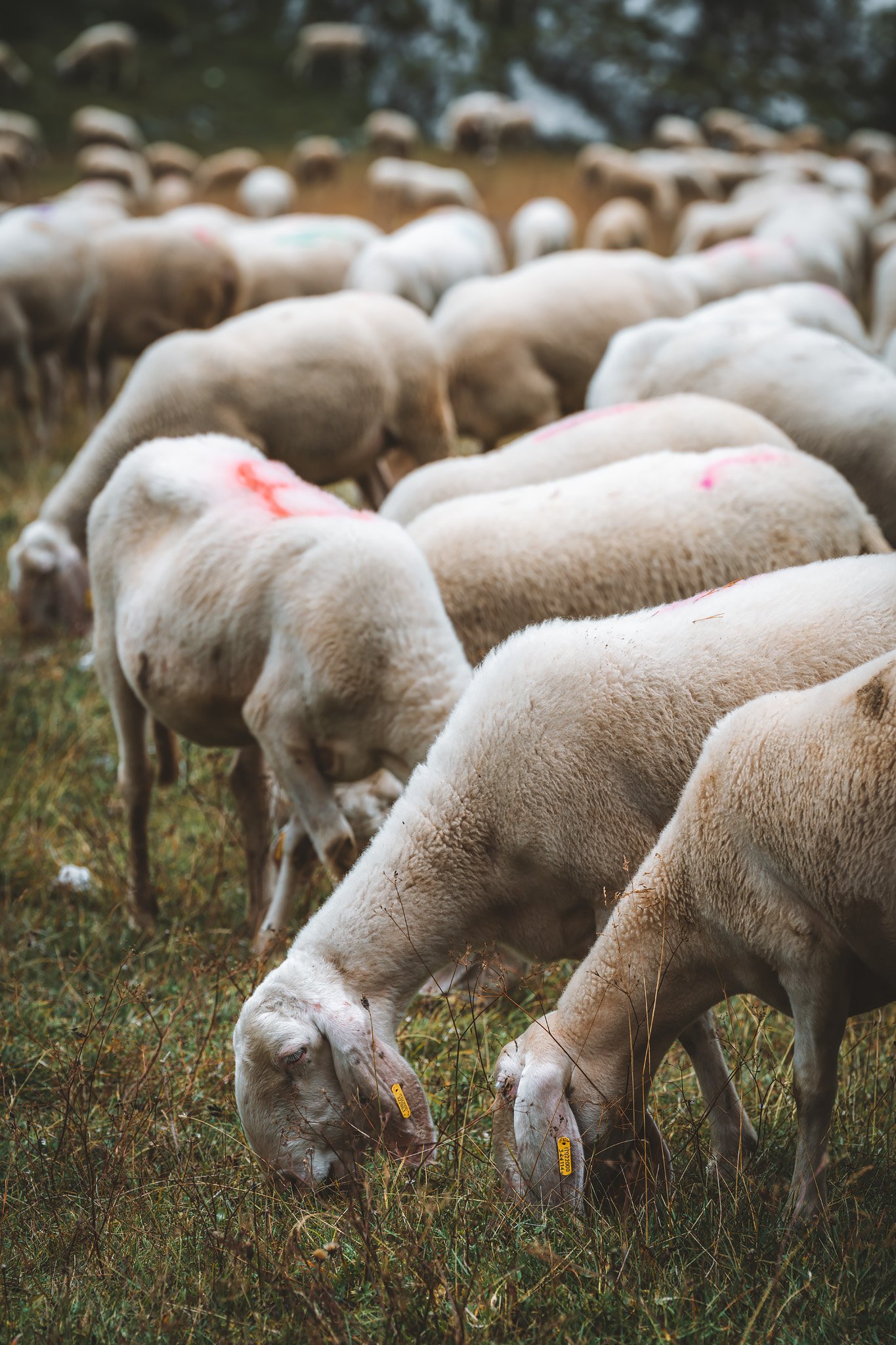
On the Alta Via 1, there are stretches where time seems to stand still and silence surrounds you. Valleys where sheep graze, where the most constant sound is that of cowbells. Meadows where the rhythm is set by the terrain, and where human presence does not disrupt the landscape.
The rifugi (mountain huts) help maintain that balance. More than mere accommodations, the rifugi are places of connection. At seven in the evening, long communal tables fill with strangers who, after a short conversation, begin sharing maps as if they were old friends. The effort of the day gives way to long discussions, simple meals, and the shared feeling of having arrived there in much the same way. Outside those walls, the rest of the world continues to move at an unstoppable pace.
There is something in that environment that encourages connection, perhaps the shared effort, or perhaps the absence of distractions.
Staying in the present
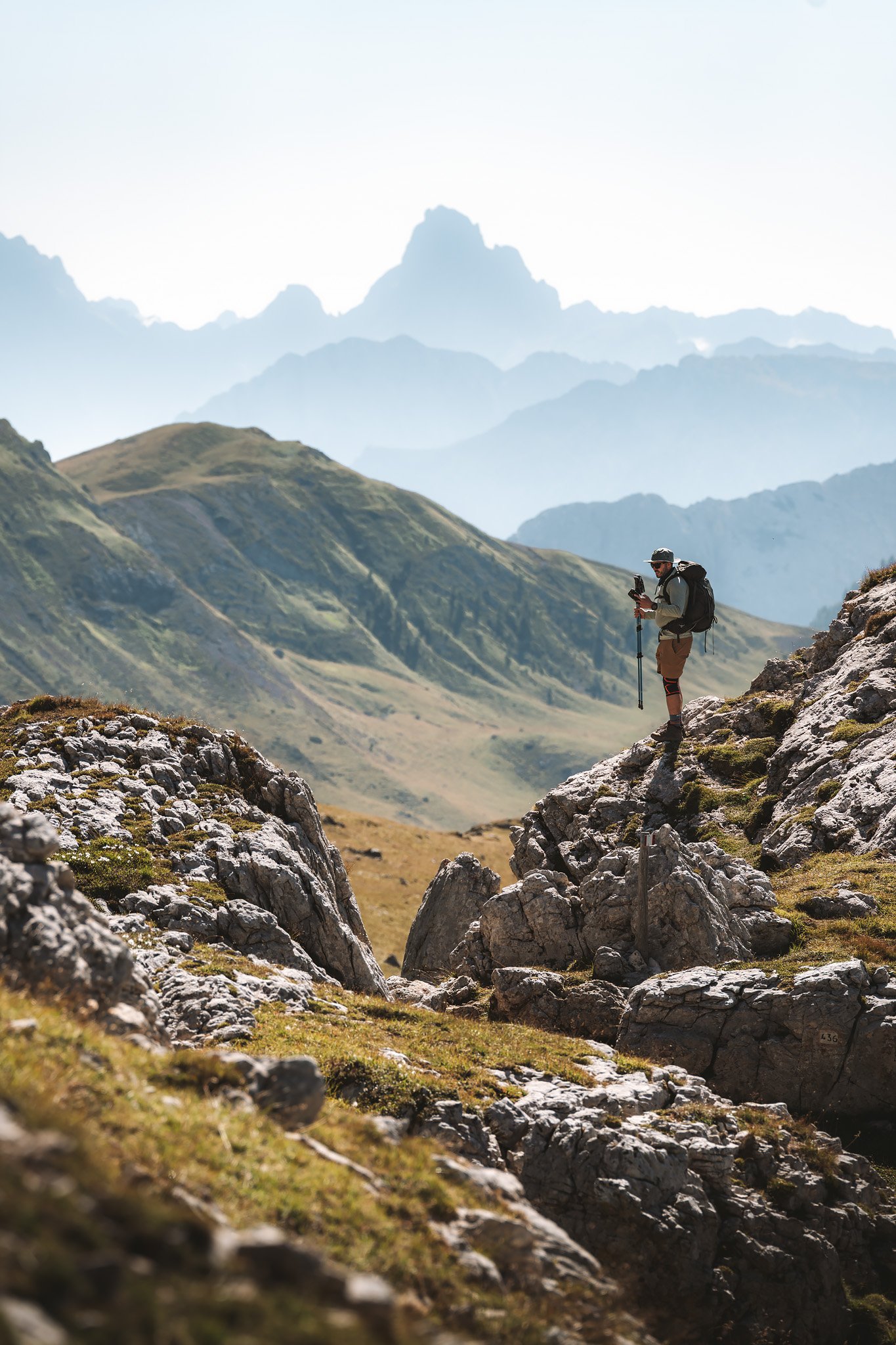
With each passing day, the backpack begins to feel less like a burden and more like an extension of your body. There is a quiet mysticism in the austerity of the hiker. You realize you can be deeply happy with eight kilograms on your back and a camera.
Accumulated fatigue creates a mental state in which you stop projecting into the future and instead anchor yourself in the present moment, in the next step. In the end, the Alta Via 1 is not measured in distance, but in the number of unnecessary thoughts you leave behind along the trail.
The route changes constantly. There is no single view of the Dolomites. Instead, there are many, layered throughout the journey. And that, perhaps, is what makes the Alta Via 1 unique.
The adventure starts now.