

The previous day had been the best introduction to Bemaraha’s limestone landscape, but everyone we spoke to mentioned the same thing: “You’ll see the real Tsingy tomorrow.” Repeatedly being told the same thing created high expectations. Surprisingly, expectations were far too low.
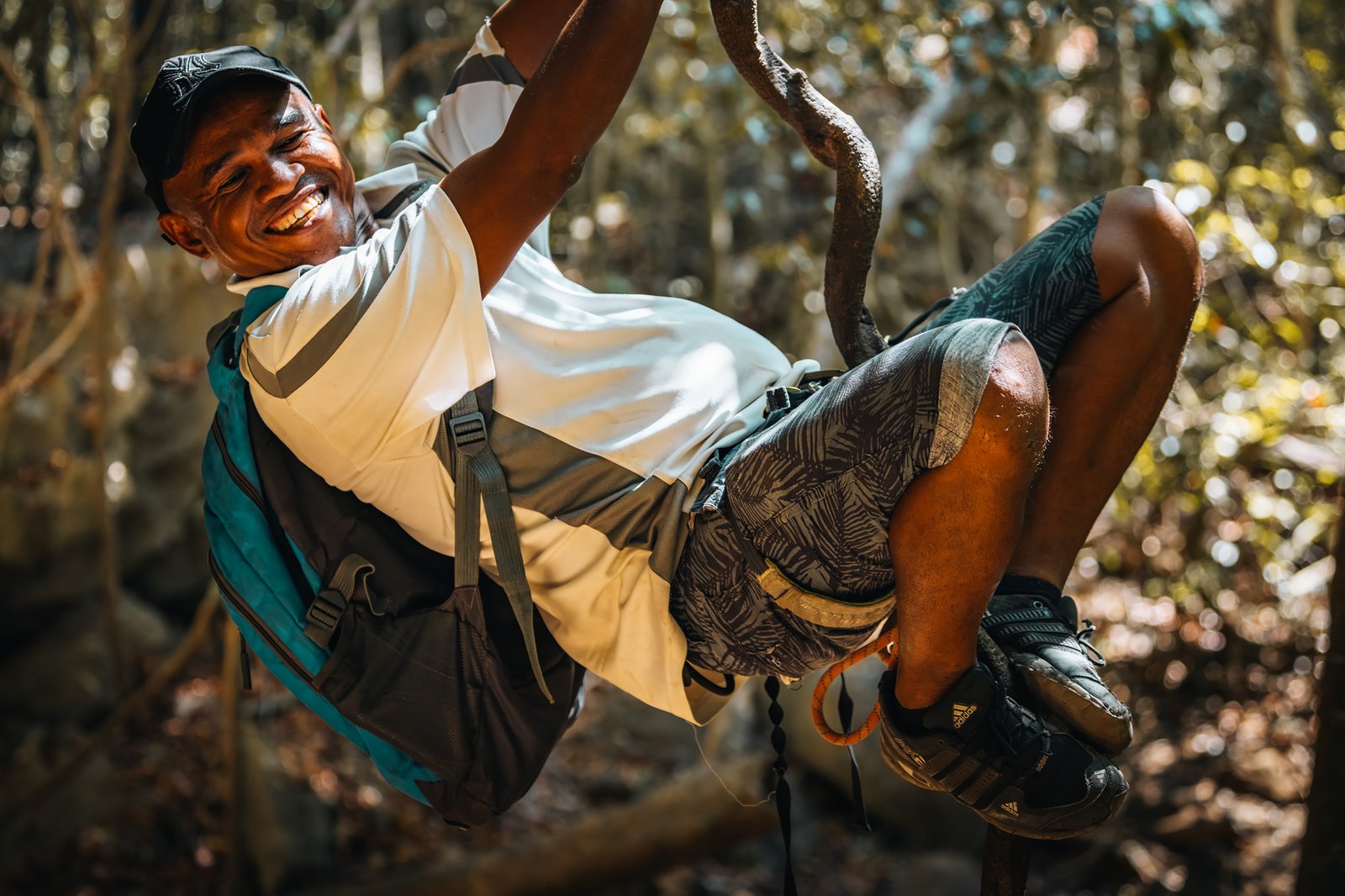
We departed Bekopaka shortly after sunrise and traveled through patches of deciduous dry forest before arriving at the entrance of the Great Tsingy. Waiting for us was Taina, our Sakalava guide from the previous day’s boat tour, who would again lead us through one of Madagascar’s most unique protected areas.
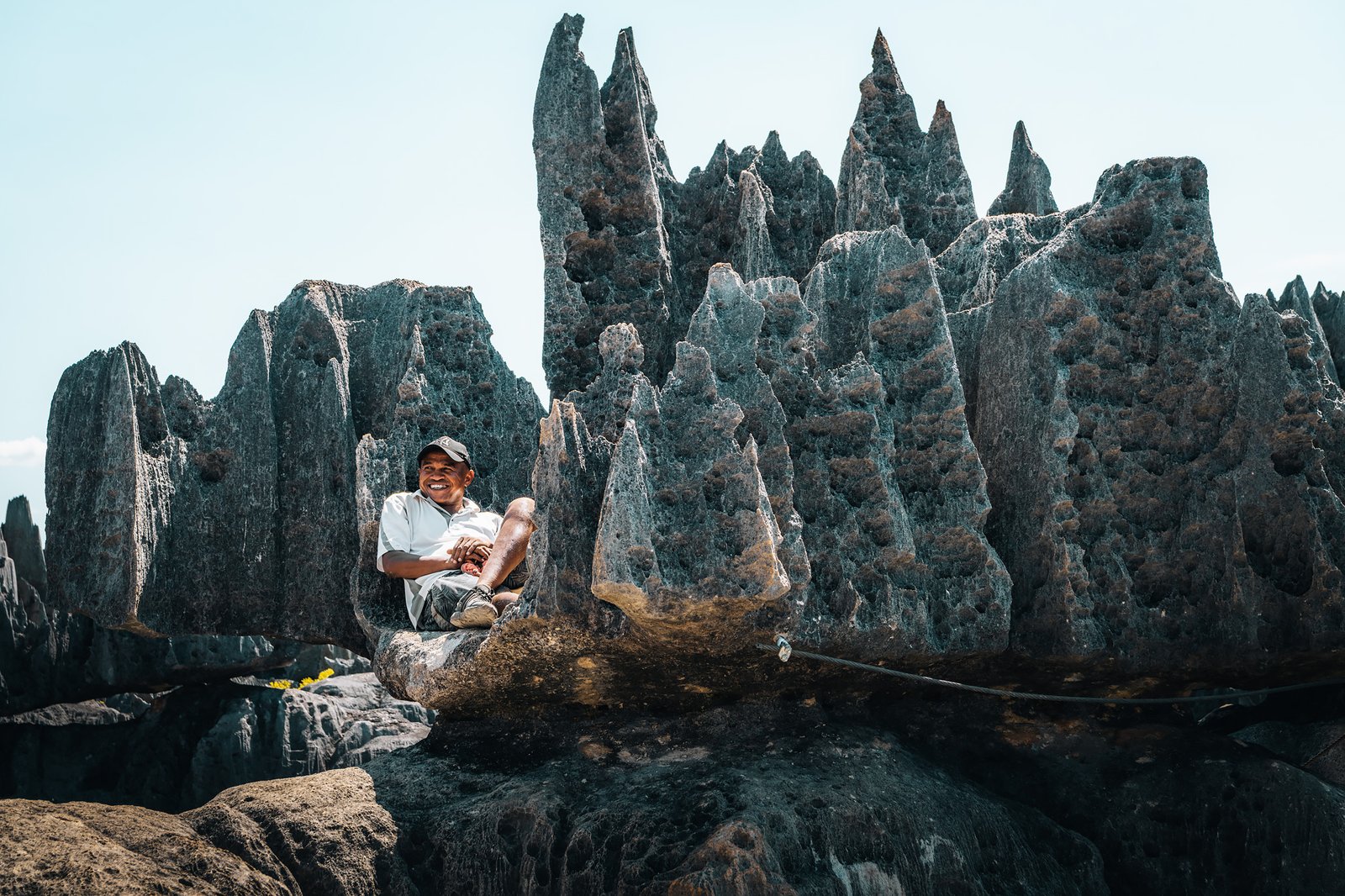
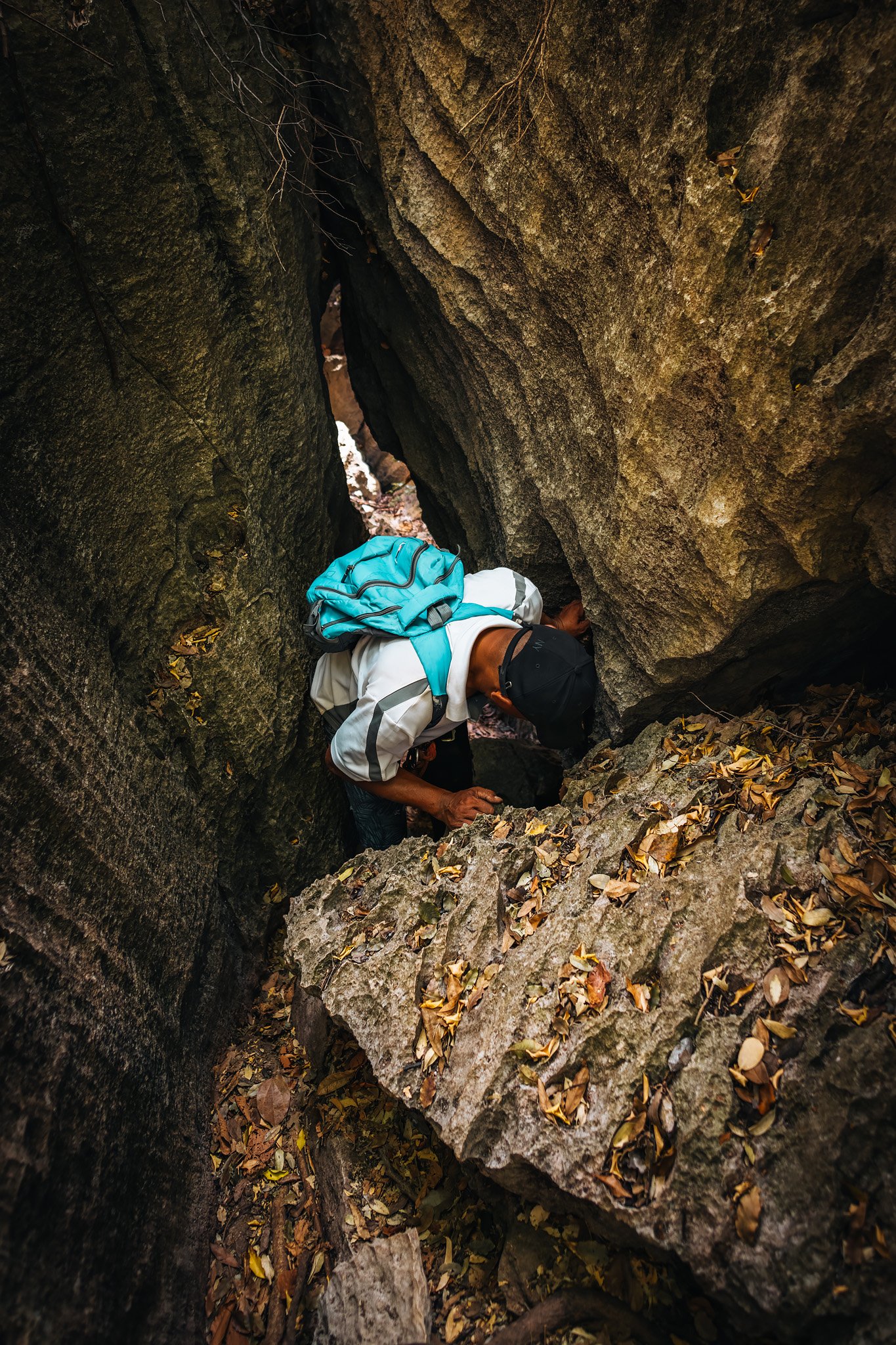
Similar to many national parks, the Great Tsingy does not allow visitors to merely hike through its beauty. Visitors need to participate. From the start of our journey the path consisted of climbing, navigating narrow rock passageways, and walking on uneven limestone that seemed to intentionally punish each careless step.
Before viewing the vistas that make the Great Tsingy famous we were fully immersed in the landscape.
Hiking Through an Old Sea
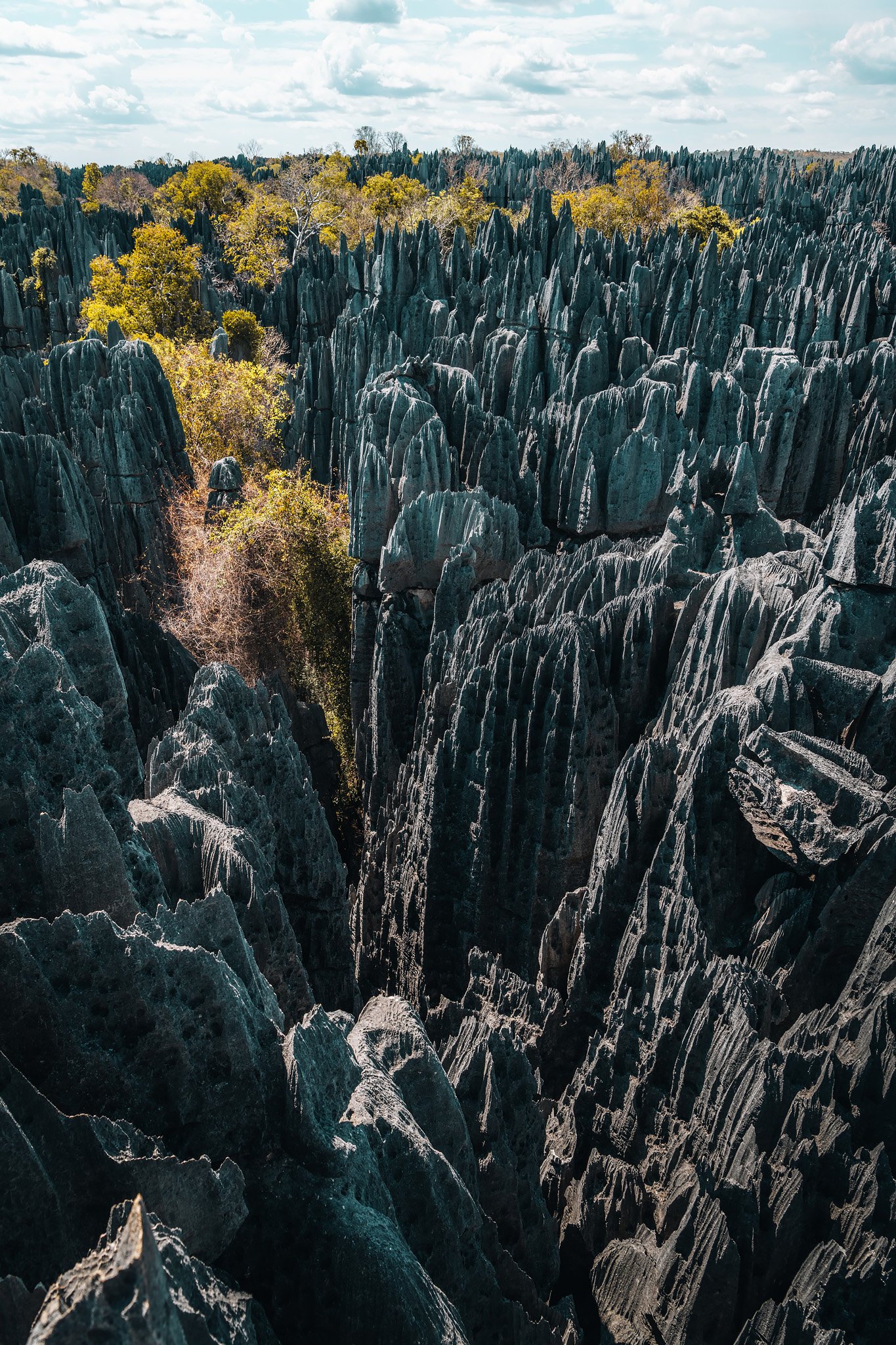
It is difficult to understand the full nature of the Great Tsingy without first learning about its geologic history. This area was under a shallow tropical sea approximately 200 million years ago. The sea contained numerous corals, shellfish and other marine organisms which built up layers of sediment on the seafloor. These sediments accumulated layer by layer for millions of years until massive amounts of limestone formed.
Eventually, tectonic forces uplifted this massive amount of limestone above the sea level and allowed it to be eroded by rainfall which dissolved it in fractures and weak points in the rock.
As a result, the Great Tsingy is an example of tropical karst that ranks among the finest in the world.
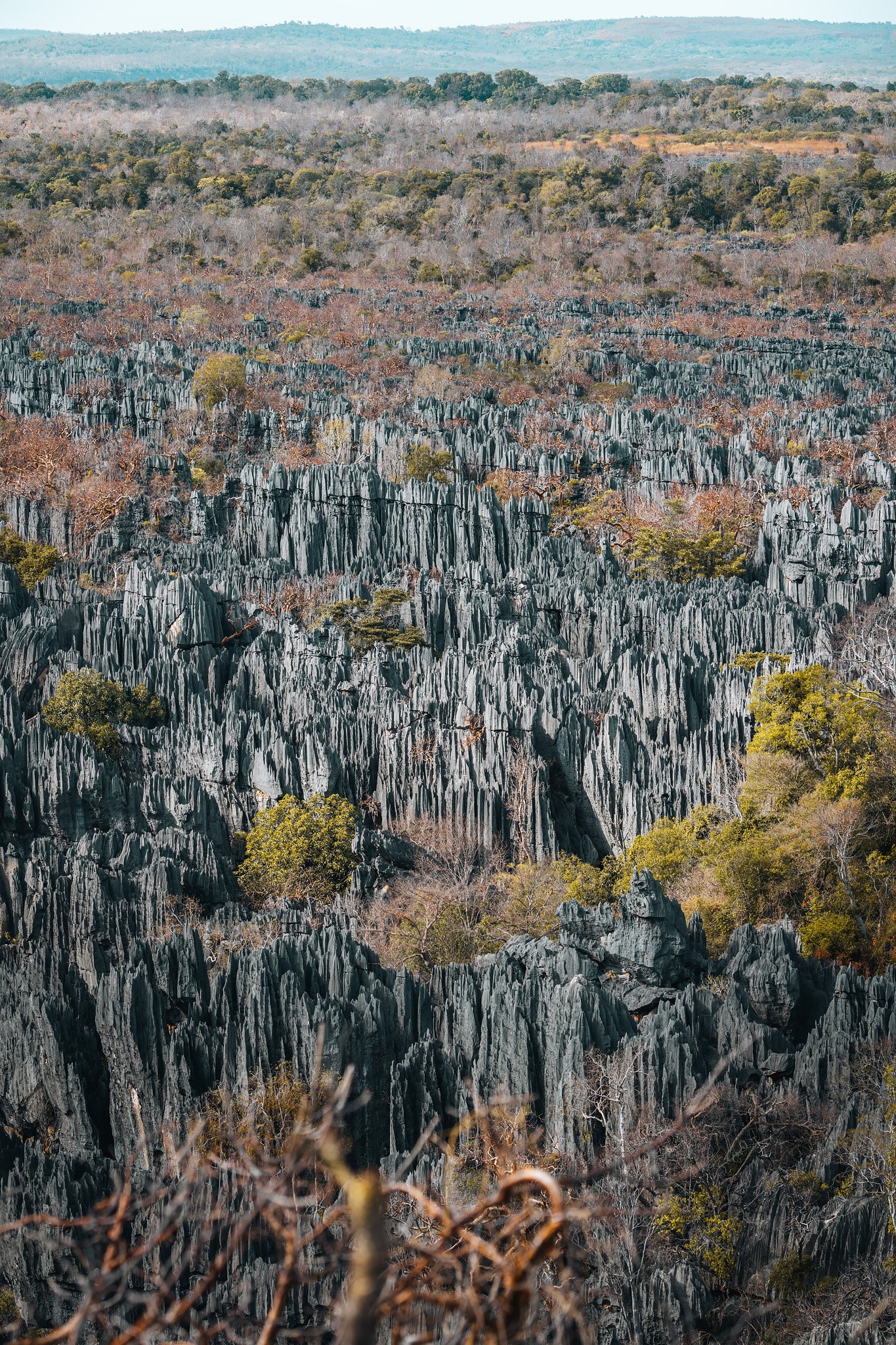
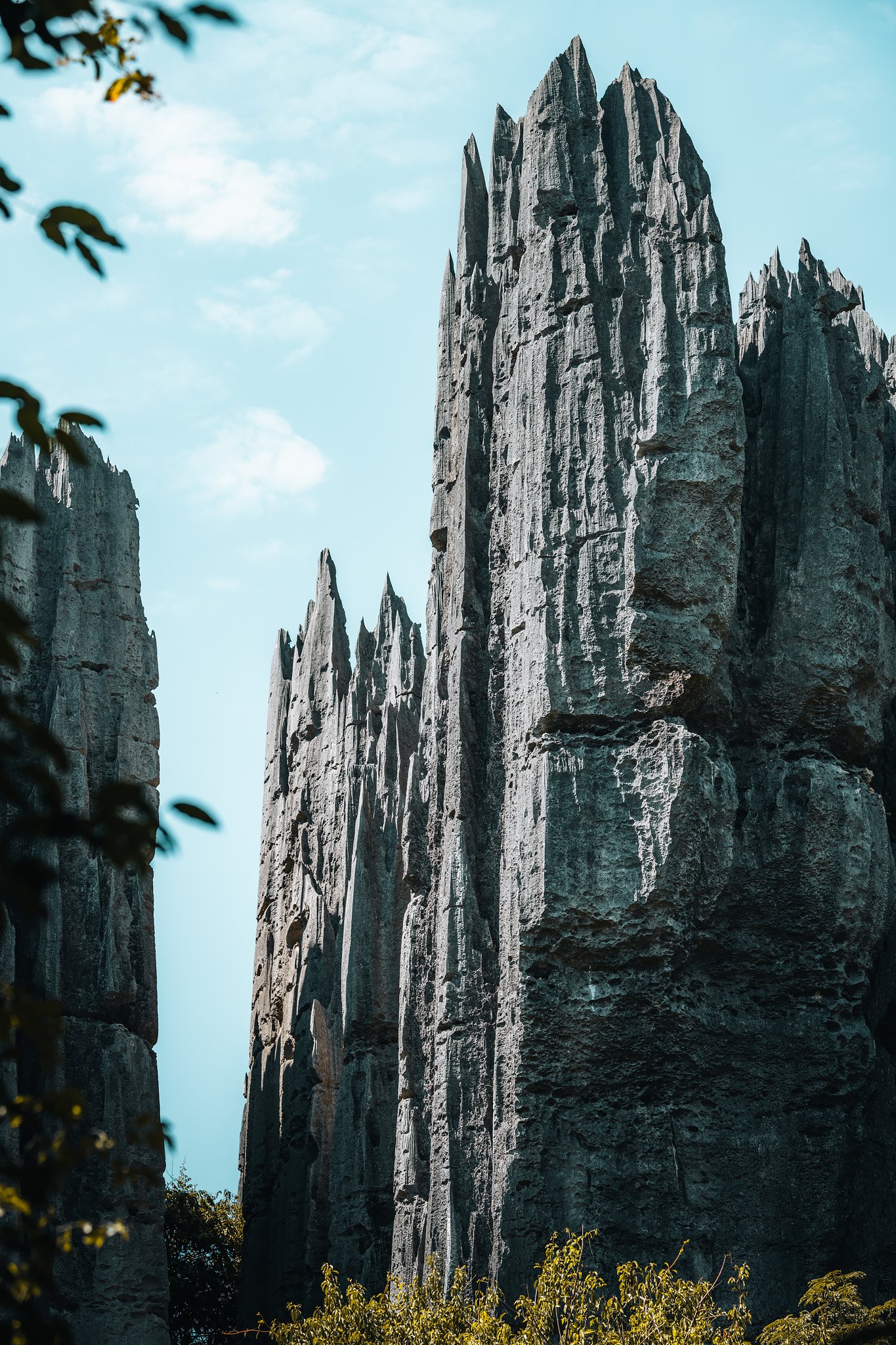
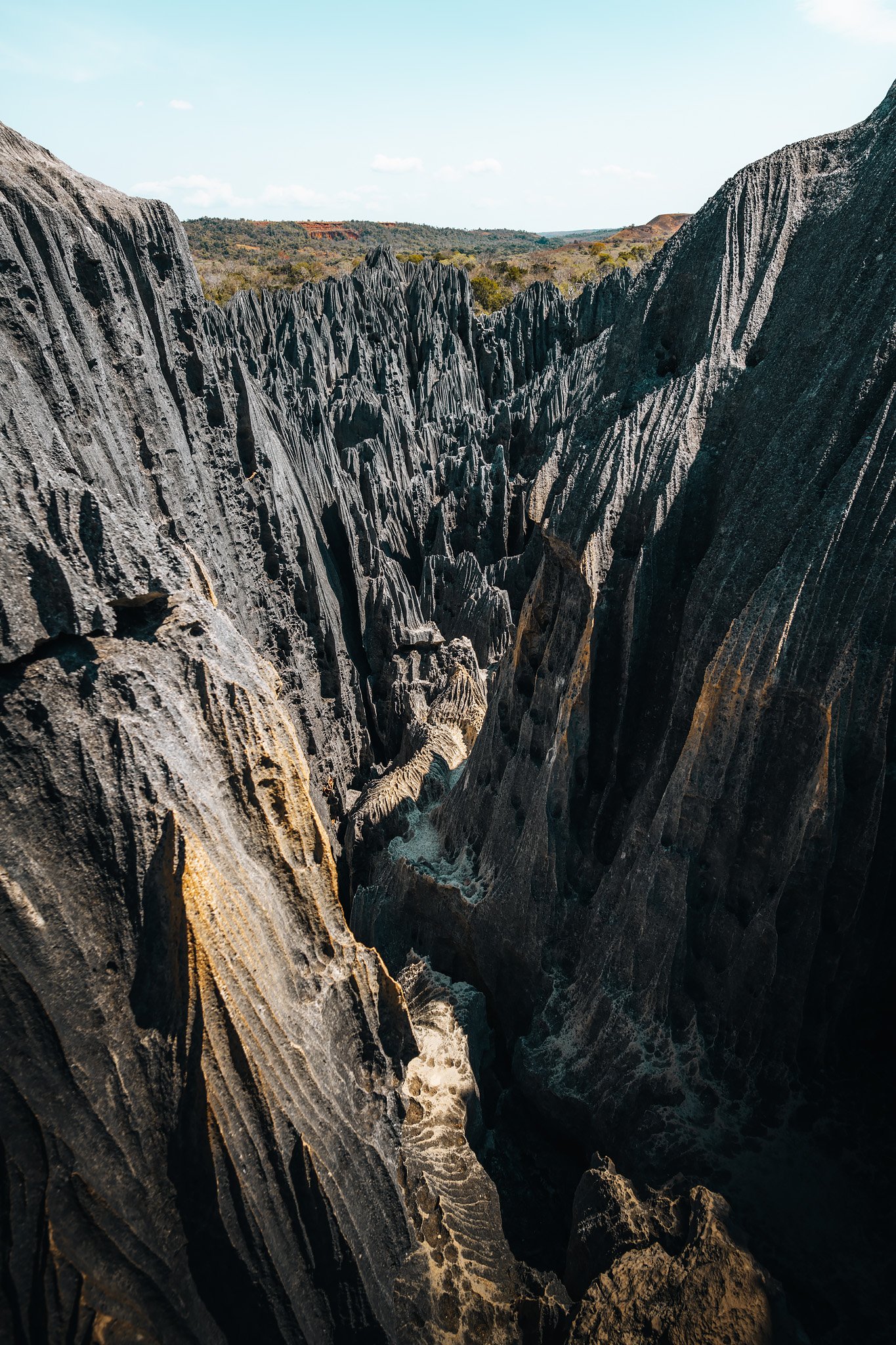
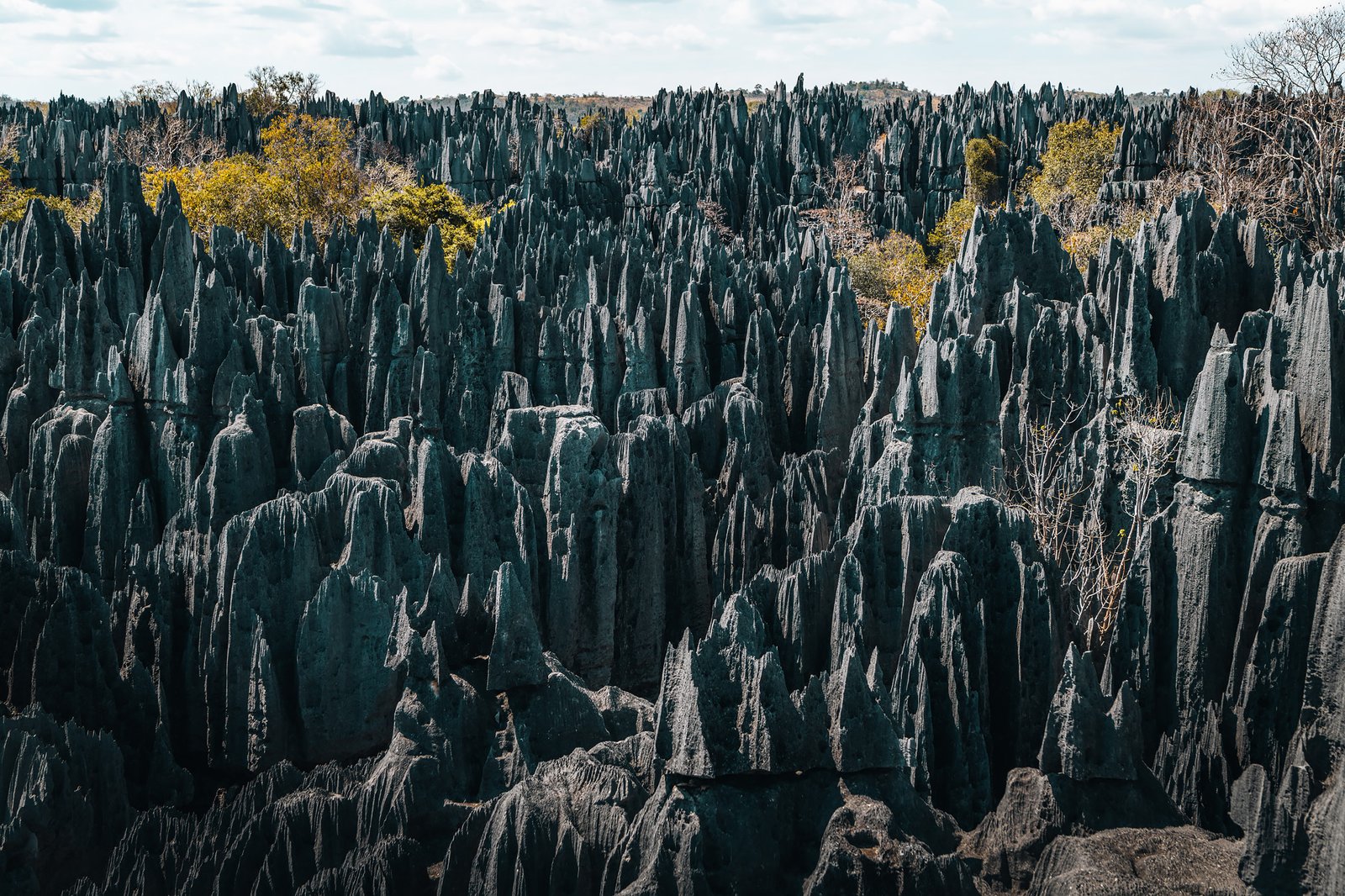
During extreme periods of time, water carved the limestone into thousands of sharp pinnacles separated by deep canyons, dark caves and narrow ravines. In some cases, the stone pinnacles now stand at least 100 metres higher than the forest floor below and form an impassable labyrinth.
Each exposed edge appeared capable of cutting through boots, clothing or skin without much challenge. It quickly became obvious why significant portions of the reserve are generally off limits to visitors.
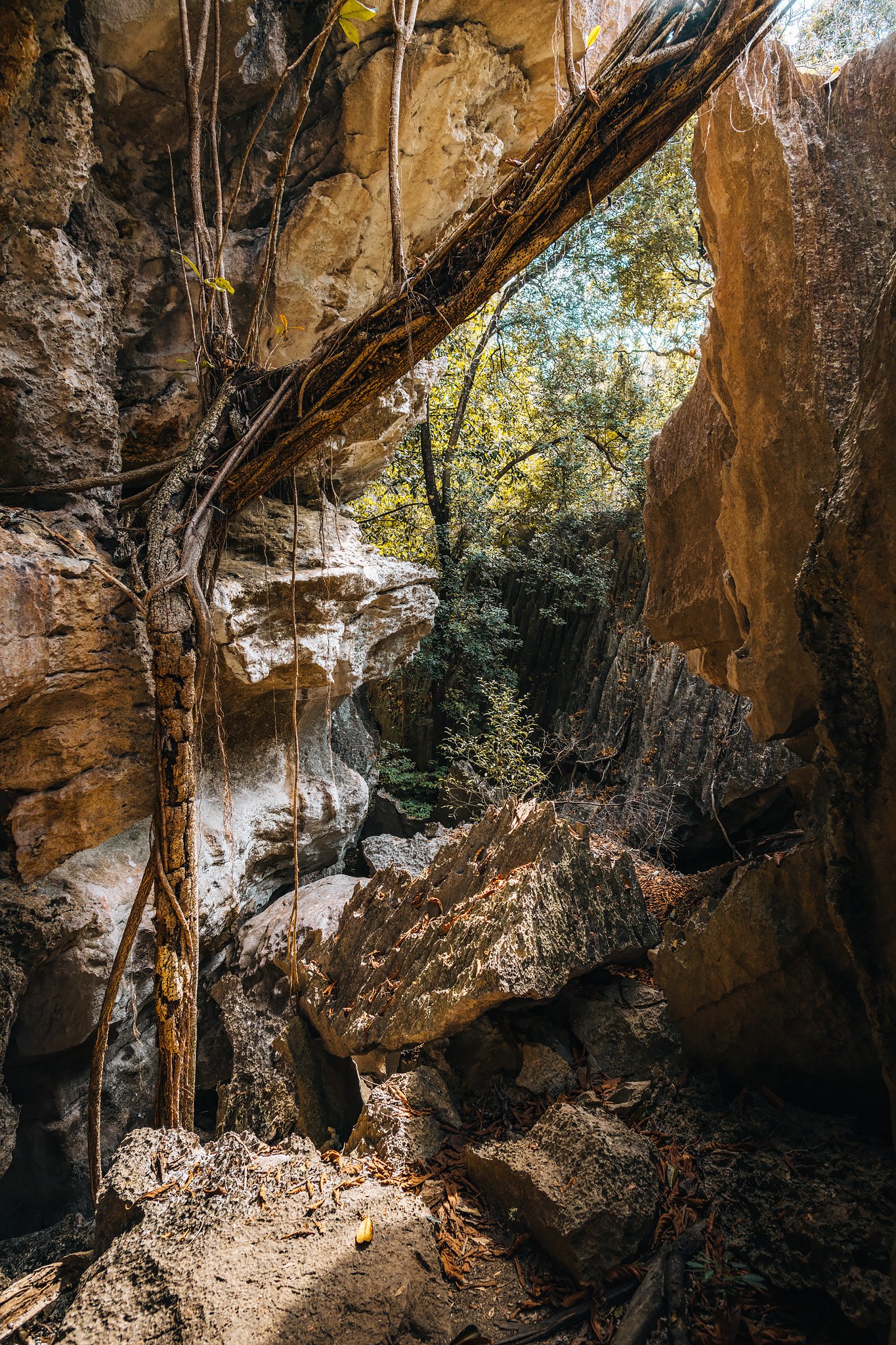
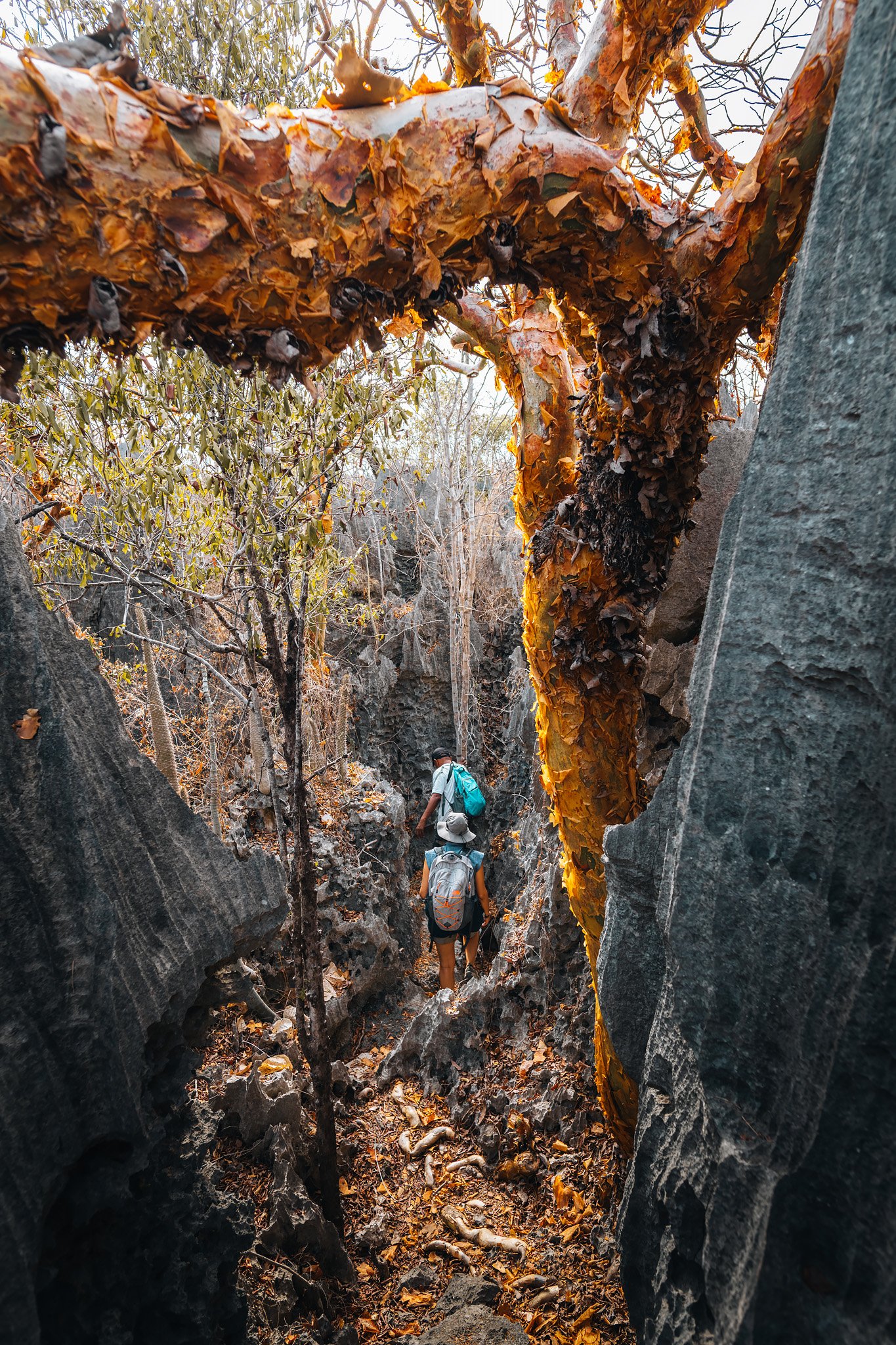
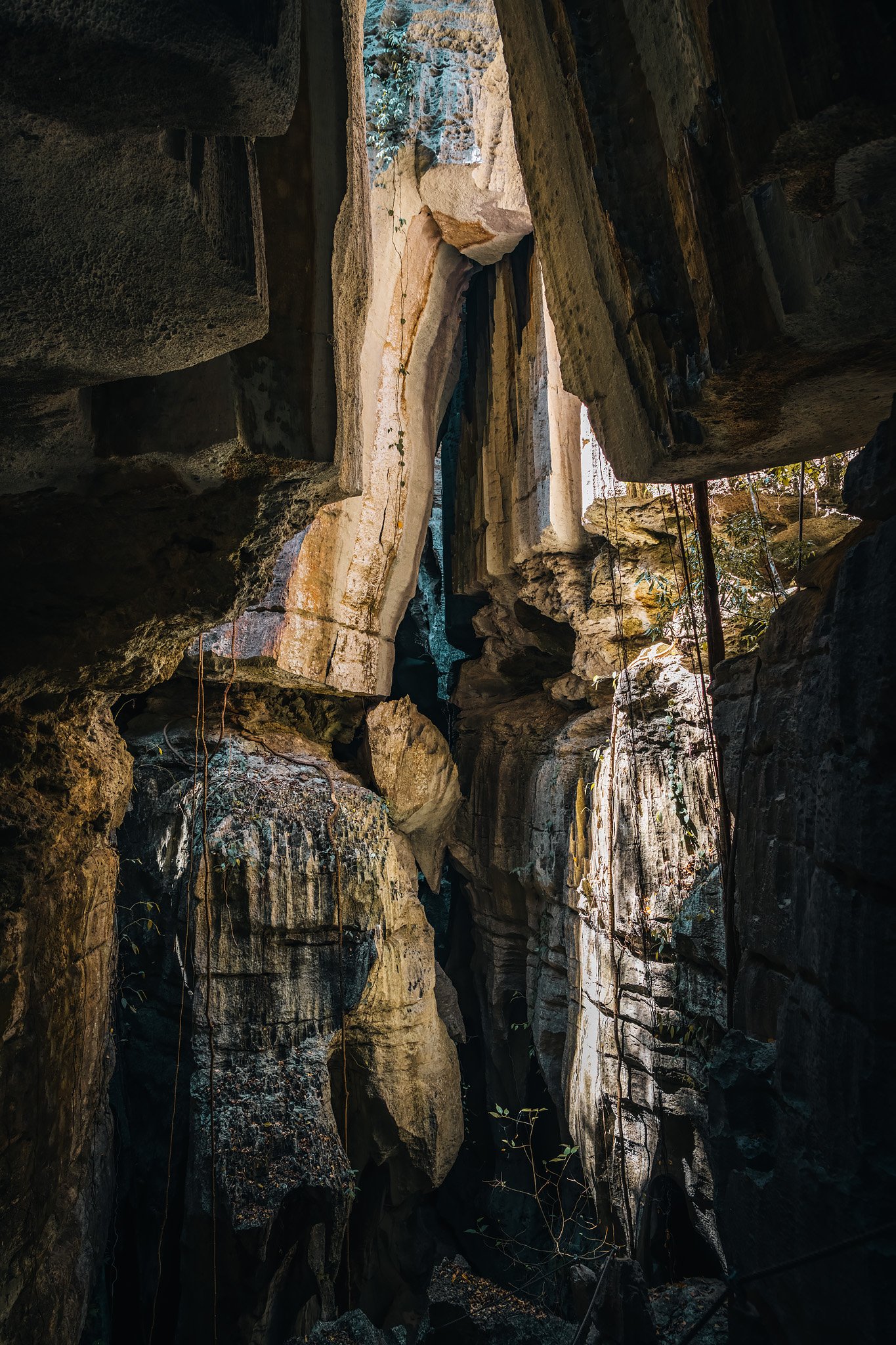
Our initial segment of trail took us into great cracks in the limestone itself. Tower walls flanked us on either side while tree roots searched for hidden moisture beneath narrow slits in the floor. We experienced a noticeable drop in temperature inside these shaded corridors which produced cool, moist microclimates compared to the arid environment outside.
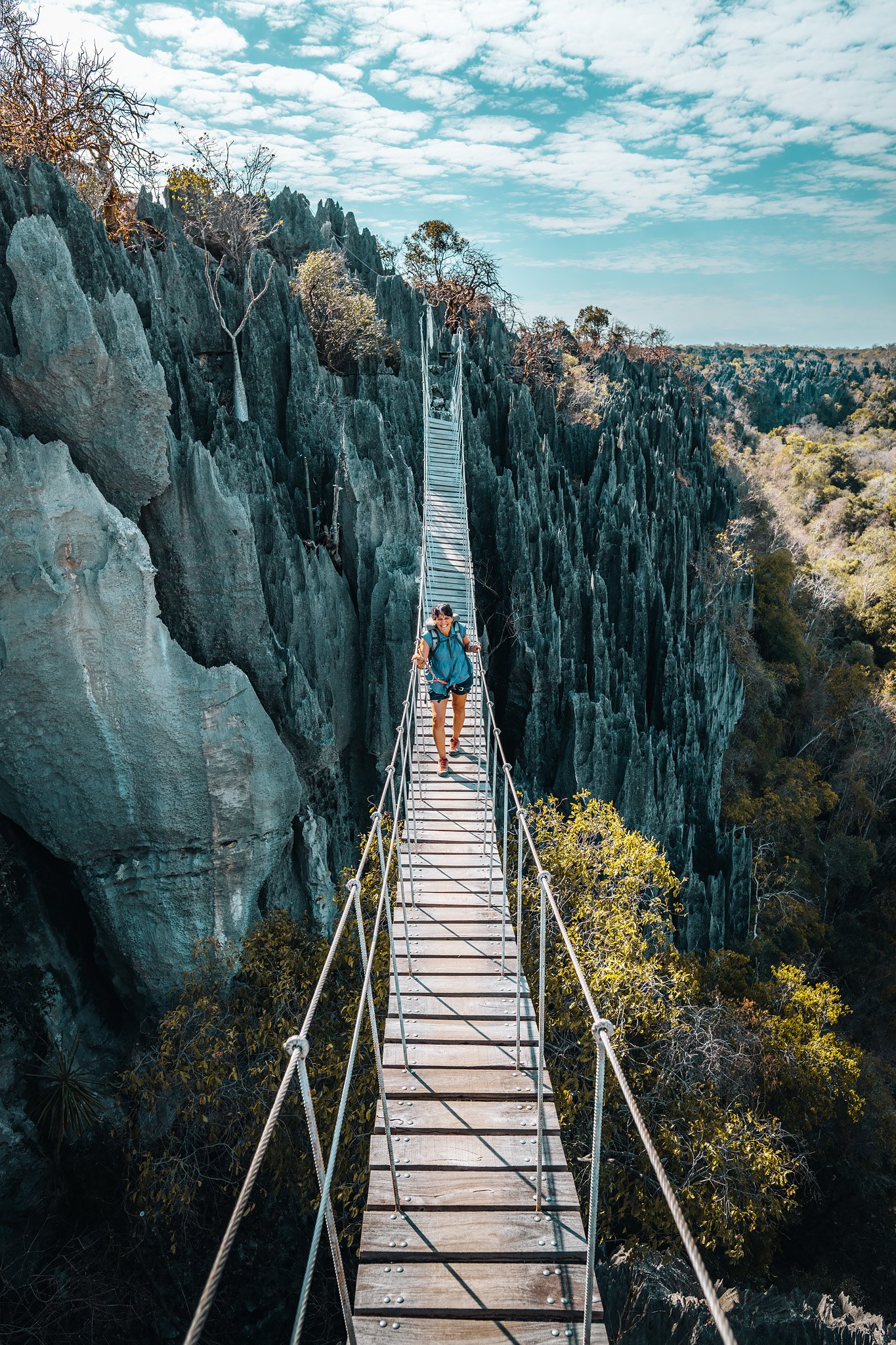
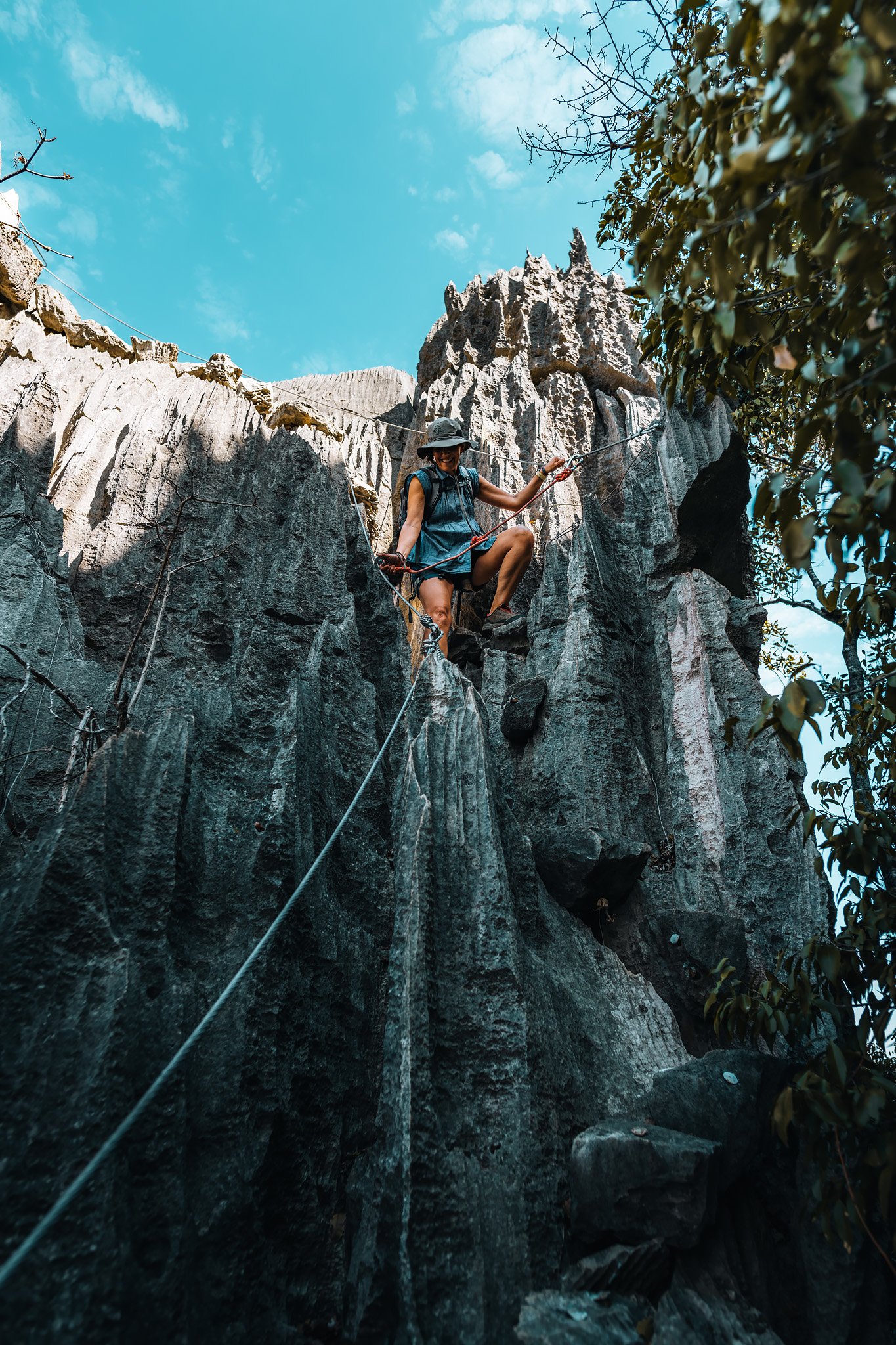
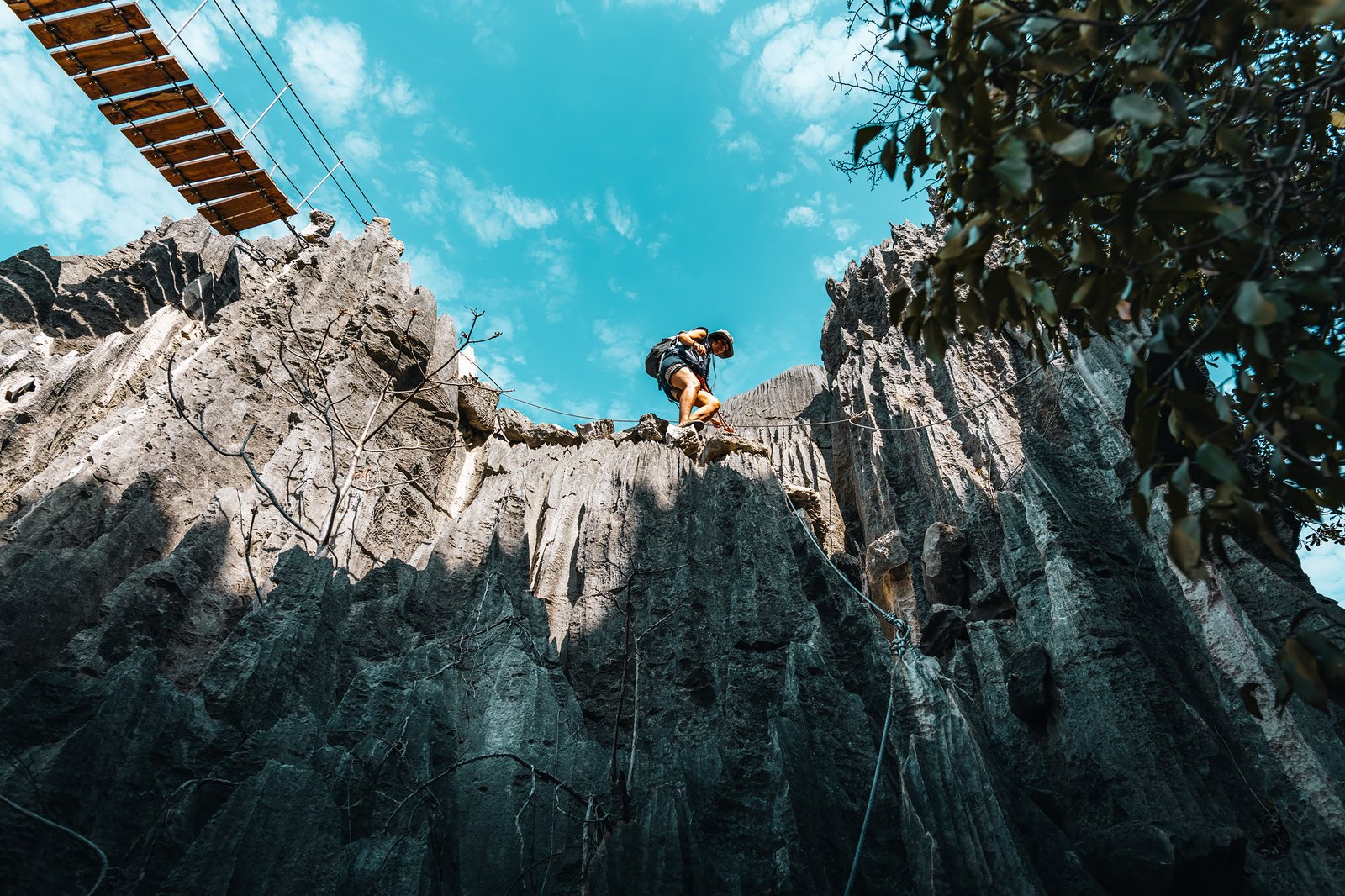
At times our path became essentially nothing more than a series of ladders attached vertically to rock faces. Otherwise, steel cables assisted in helping visitors move through exposed sections where good balance was significantly more important than haste. The overall experience felt quite similar to traversing a via ferrata.
While not particularly difficult in technical terms, it did require absolute focus. Each handhold, foot-hold and movement needed constant consideration. Looking downward usually revealed narrow crevices vanishing into blackness below. Sometimes we emerged onto isolated forest platforms only to disappear into another complex network of limestone.
Transitions between sheltered corridors and viewpoints contributed greatly to the sense of drama and theatre associated with the landscape. Just when we thought we finally understood its size and scope, another section presented us with a new perspective.
Beyond the Pinnacle Landscape
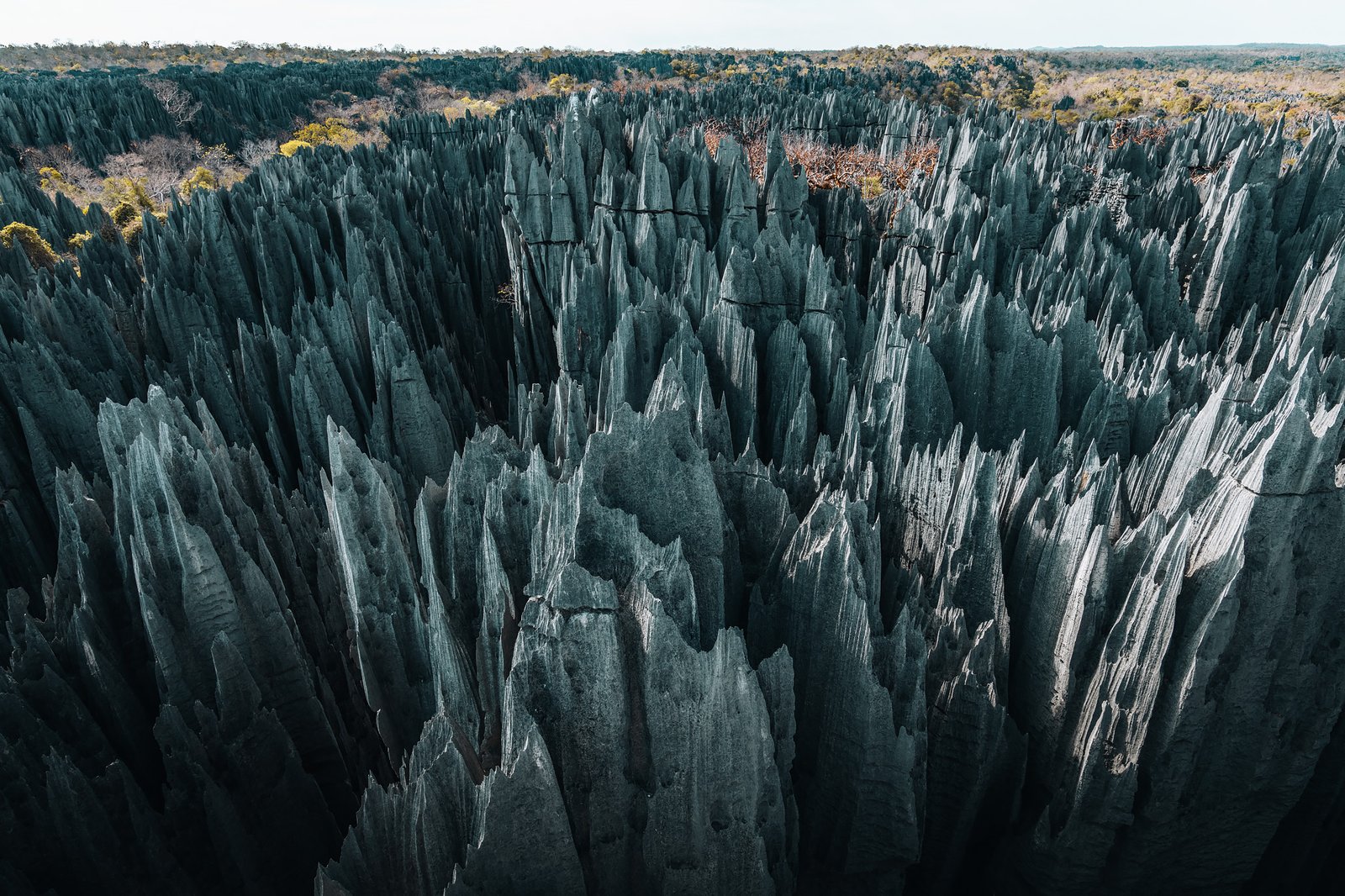
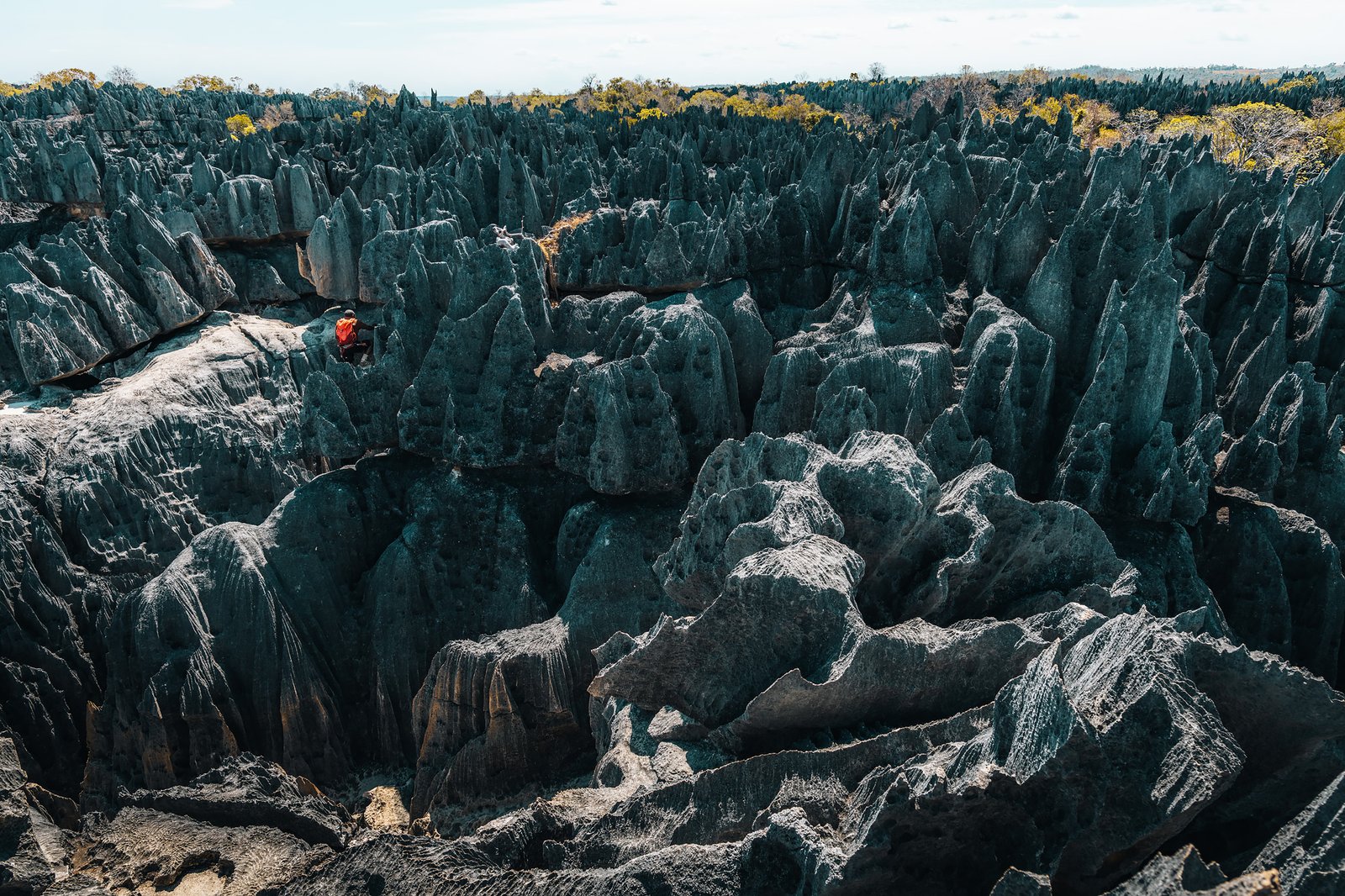
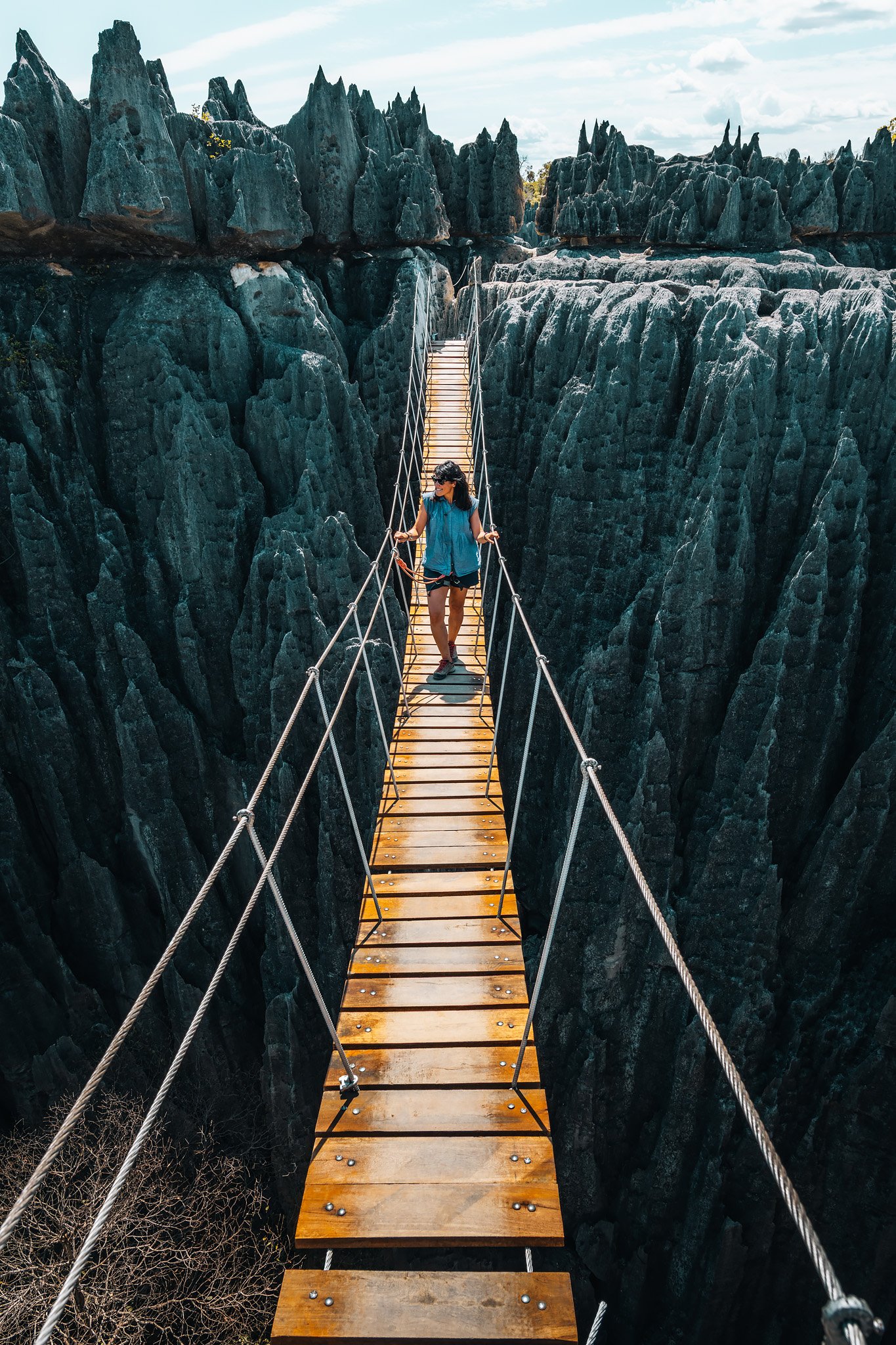
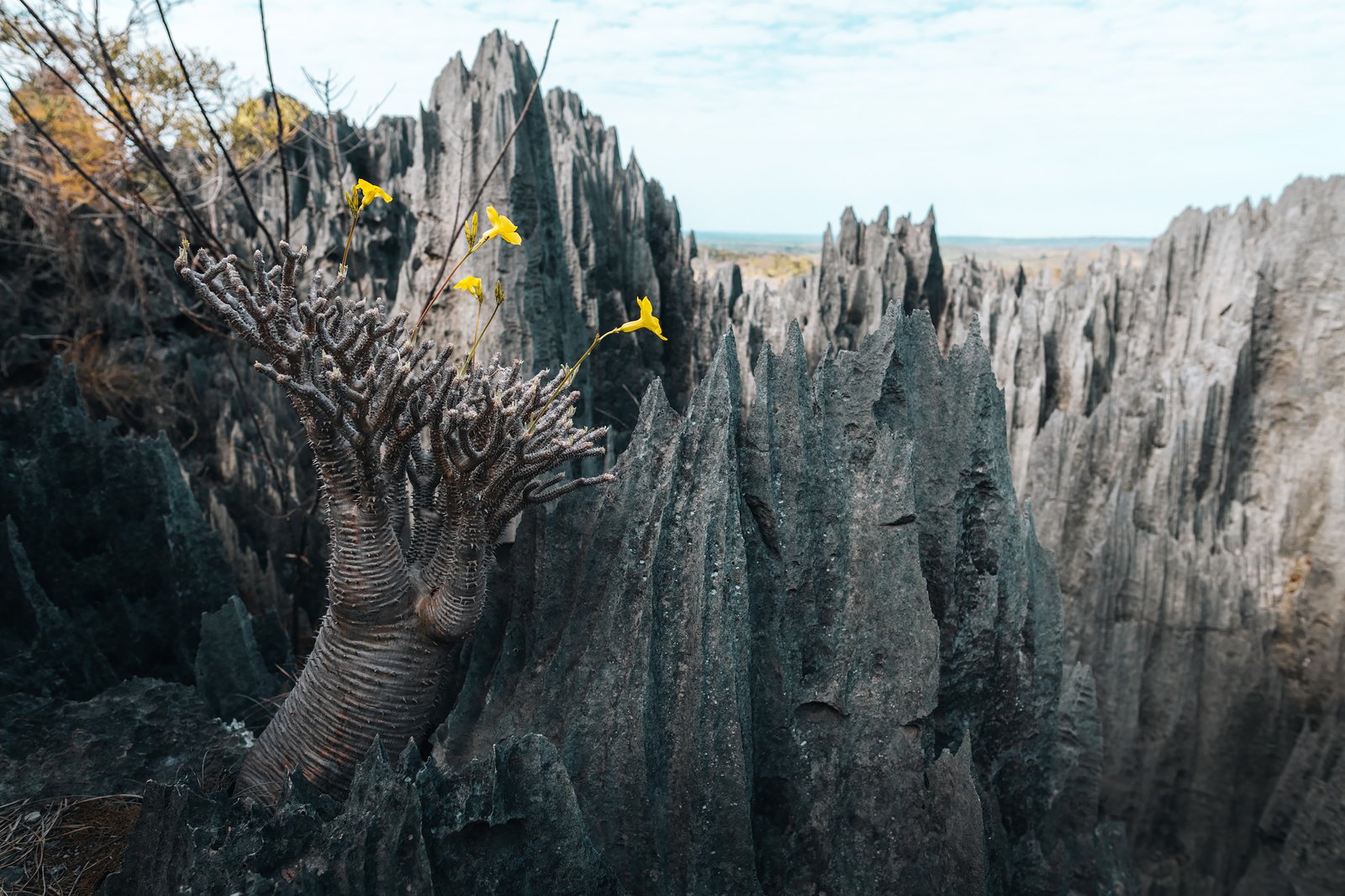
Finally, the forest gave way to the ground beneath our feet. One last ladder placed us on a suspension bridge elevated high above the stone forest. The experience was indescribable. Endless gray-blue limestone pinnacle formations stretched toward the horizon forming unending wave patterns of jagged rock unlike any others we had previously seen. Rather than towering mountains or rugged cliffs, this landscape resembled an ocean suddenly frozen into solid rock.
The complete silence intensified the surreal quality of the stone maze. Aside from rare bird calls rising from the forest below, nothing interrupted the quietness. We stood there for several minutes simply staring.
There are places that encourage you to move forward in pursuit of your next view point. However, the Great Tsingy was an exception. It consistently forced us to slow down. No photograph seemed able to capture the total complexity of the sprawling landscape that existed beneath our feet.
Life Amongst the Limestone
For all its geological majesty, the Great Tsingy is certainly not devoid of life. The isolation has rendered this labyrinthine landscape one of Madagascar’s most exceptional evolutionary refuges. Rainforests exist in deep canyons where humid conditions prevail and yet lie mere metres away from dry deciduous woodlands subjected to intense tropical sunlight. Every conceivable ecosystem type seems to exist within this realm.
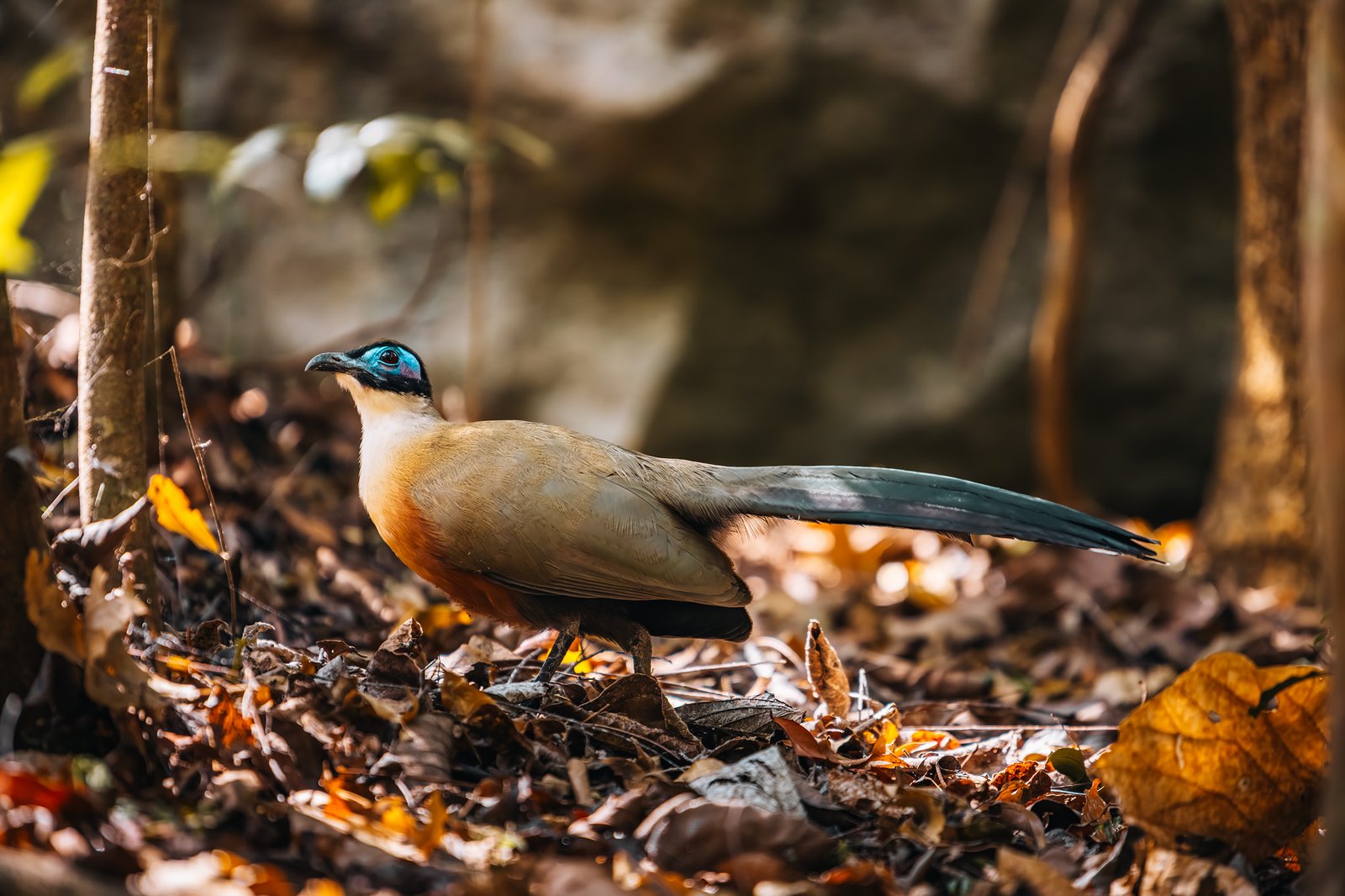
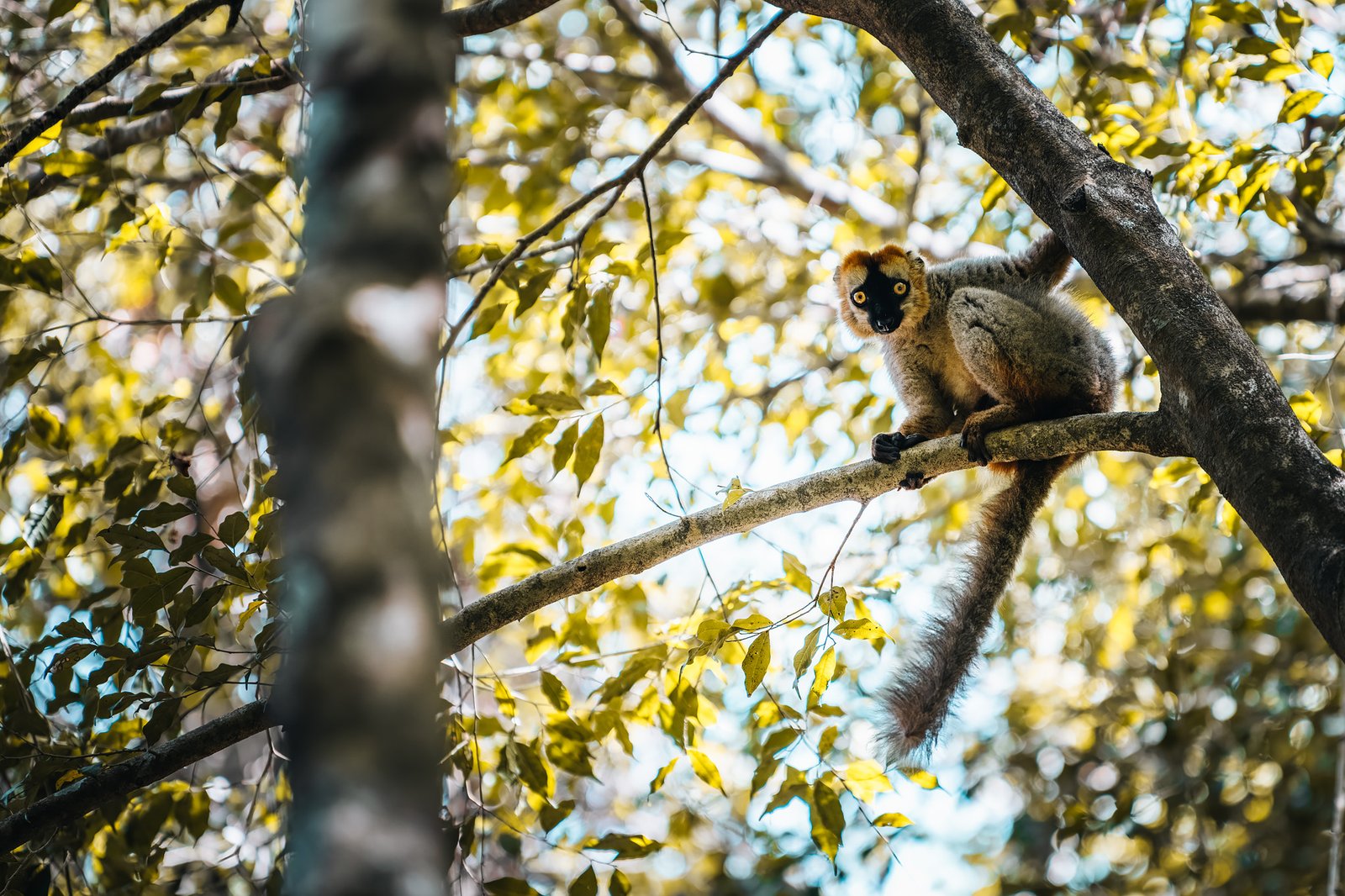
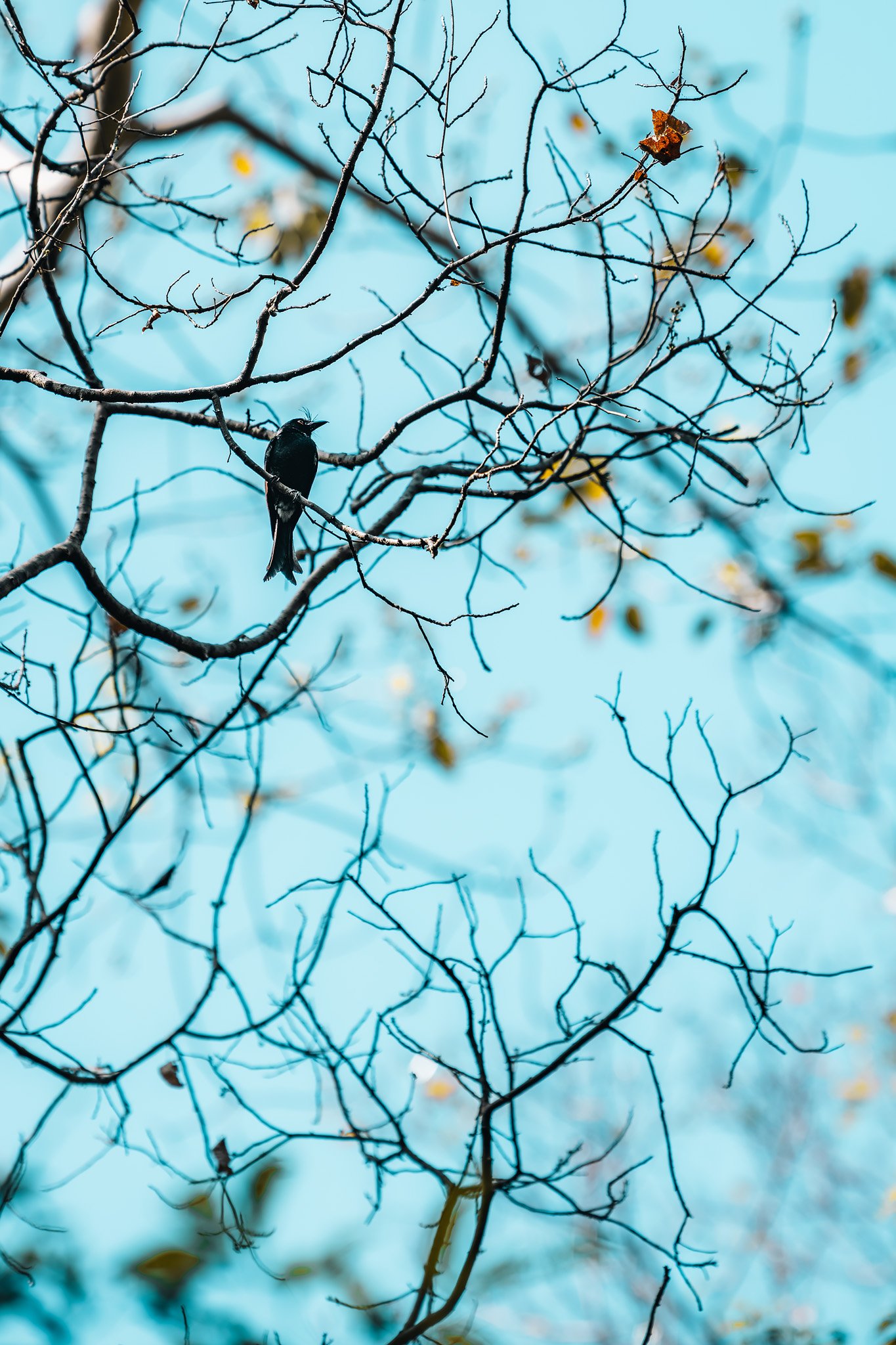
Madagascar giant couas wandered between branches while crested drongos shot through gaps in the canopy below. One red fronted brown lemur briefly gazed at us before disappearing into vegetation sprouting improbably amongst the rocks. Perhaps even more striking than the animals were the plants themselves.
Pachypodiums grew directly from narrow limestone crevices, their bulbous trunks store precious water during Madagascar’s lengthy dry seasons prior to producing delicate flowers that seemed incongruously situated amidst such unforgiving terrain.
Peeling bark trees twisted themselves into bizarre shapes due to shallow soils and perpetual exposure. Staggeringly large staghorn ferns clung precariously to cliff faces while strangler figs slowly encircled sections of limestone using fine root systems.
Survival here occurs through tenacity rather than profusion. All things appear tailored to use limited available resources as efficiently as possible.
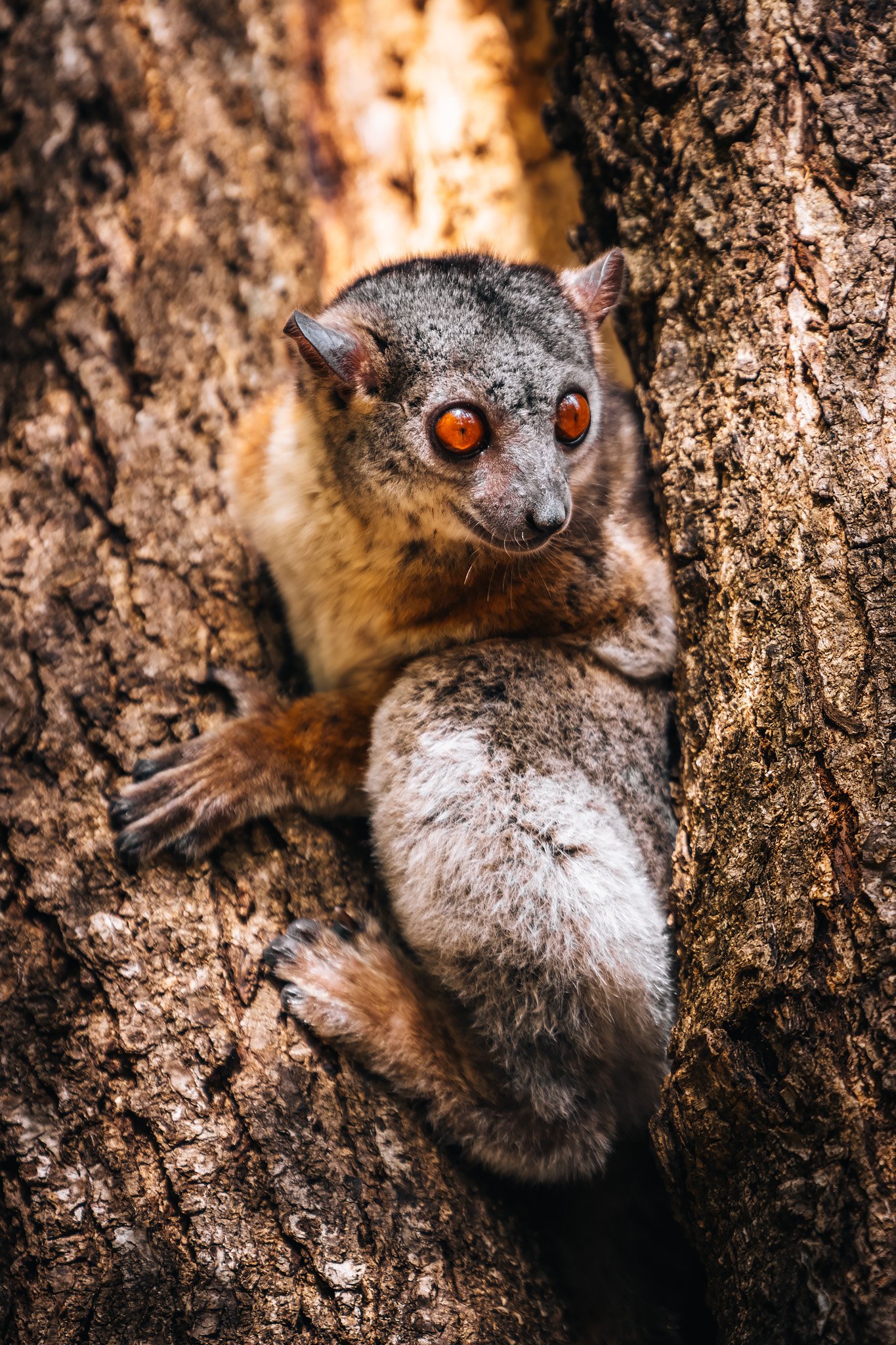
At some point, Taina discreetly indicated a shaded crevice located beneath an overhanging cliff. From within that crevice a Bemaraha Sportive Lemur quietly regarded us from its daytime hiding place. This species is found nowhere else in existence on Earth. That gave us a reminder that although Bemaraha offers breathtaking scenery, it remains one of Madagascar’s centers of greatest endemism.
Leaving the Forest
Late afternoon we arrived back at Bekopaka exhausted physically and mentally overwhelmed. The Great Tsingy exceeded every expectation we had. Some landscapes are impressive because they are aesthetically pleasing. Other landscapes are inspiring because they possess incredible magnitude. Bemaraha was different.
It was inspiring because it seemed nearly impossible. Impossible that rain could carve stone into such intricately shaped forms solely through erosion processes, that forests and various animal life could thrive amidst jagged limestone barriers, that such an area remained largely unknown internationally until relatively recent times.
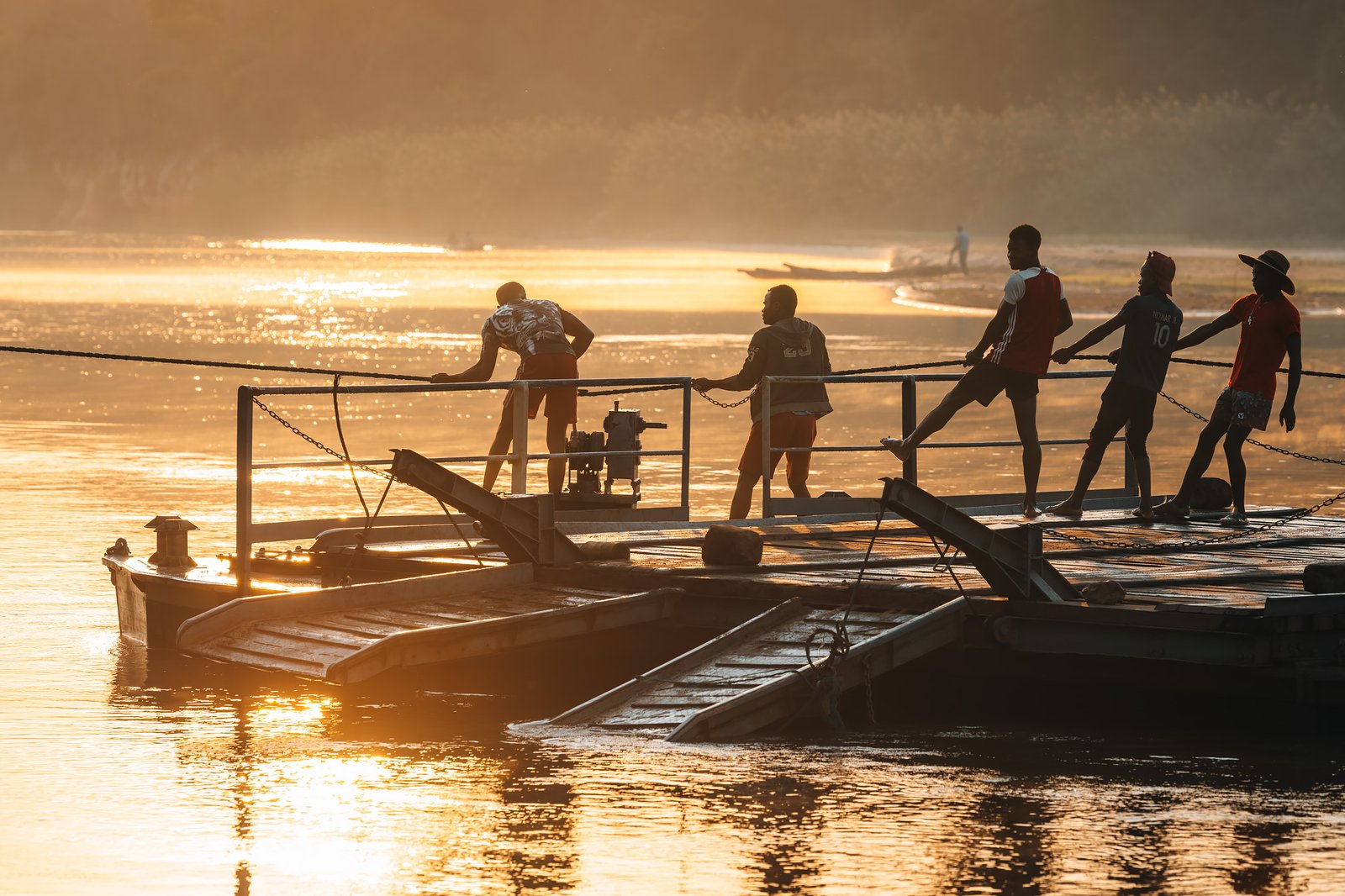
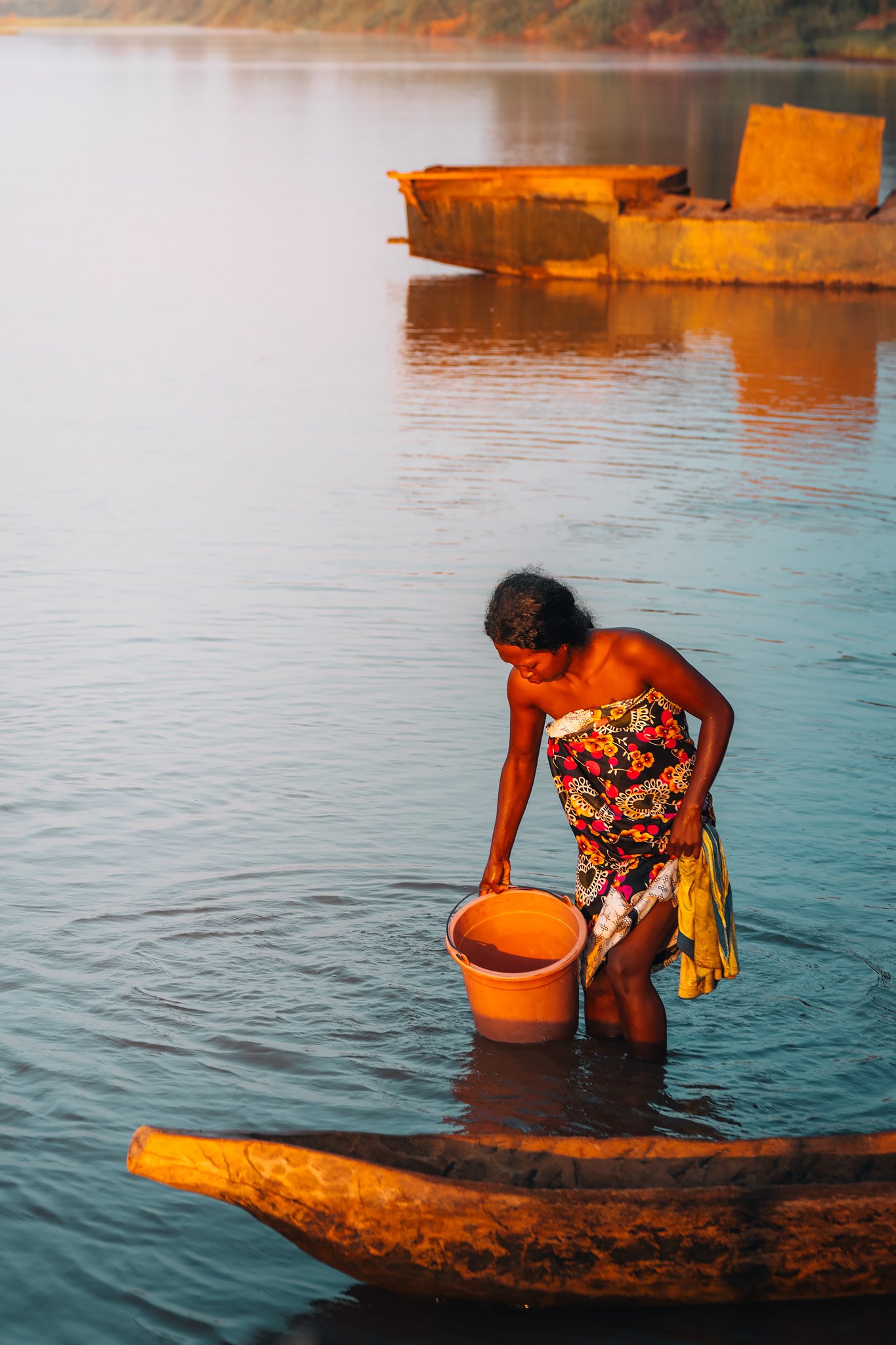
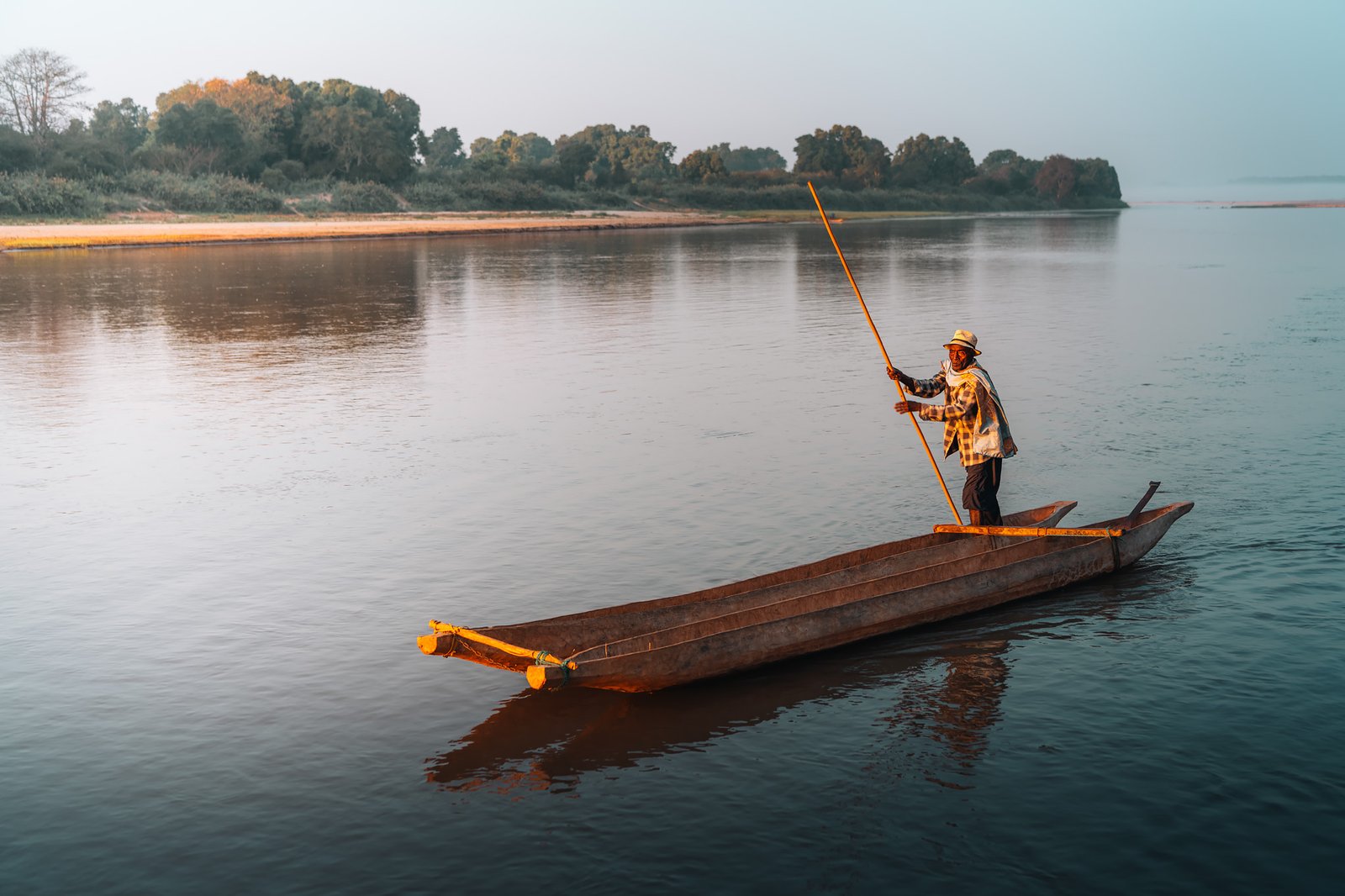
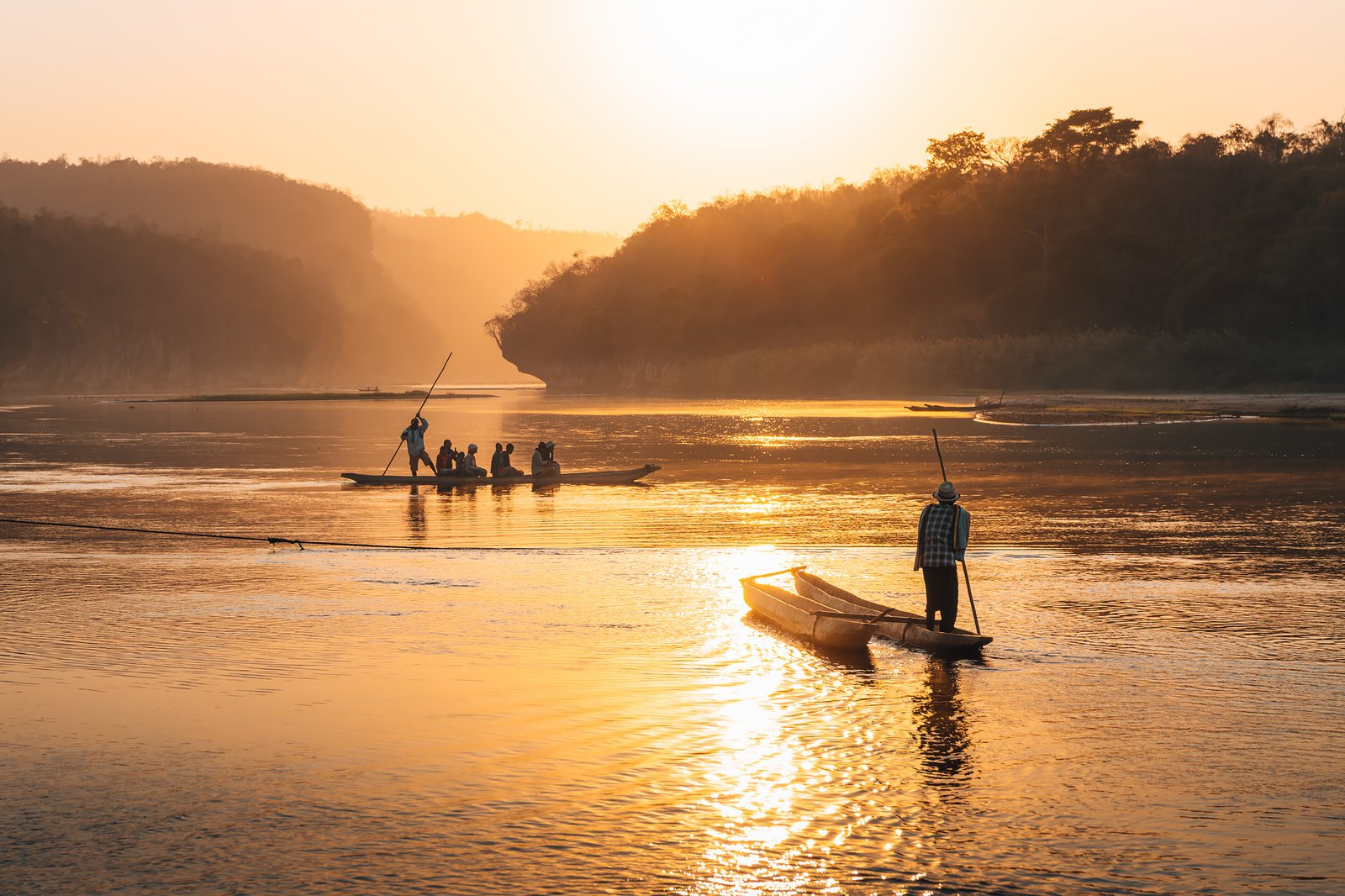
We left Bekopaka before sunrise on the following morning. A light fog hung above the Manambolo River while ferry operators slowly pulled a raft across the tranquil waters by hand. Fishermen quietly paddled their slender wooden pirogues through golden light near Bekopaka providing one final scene representing life along Madagascar’s rivers.
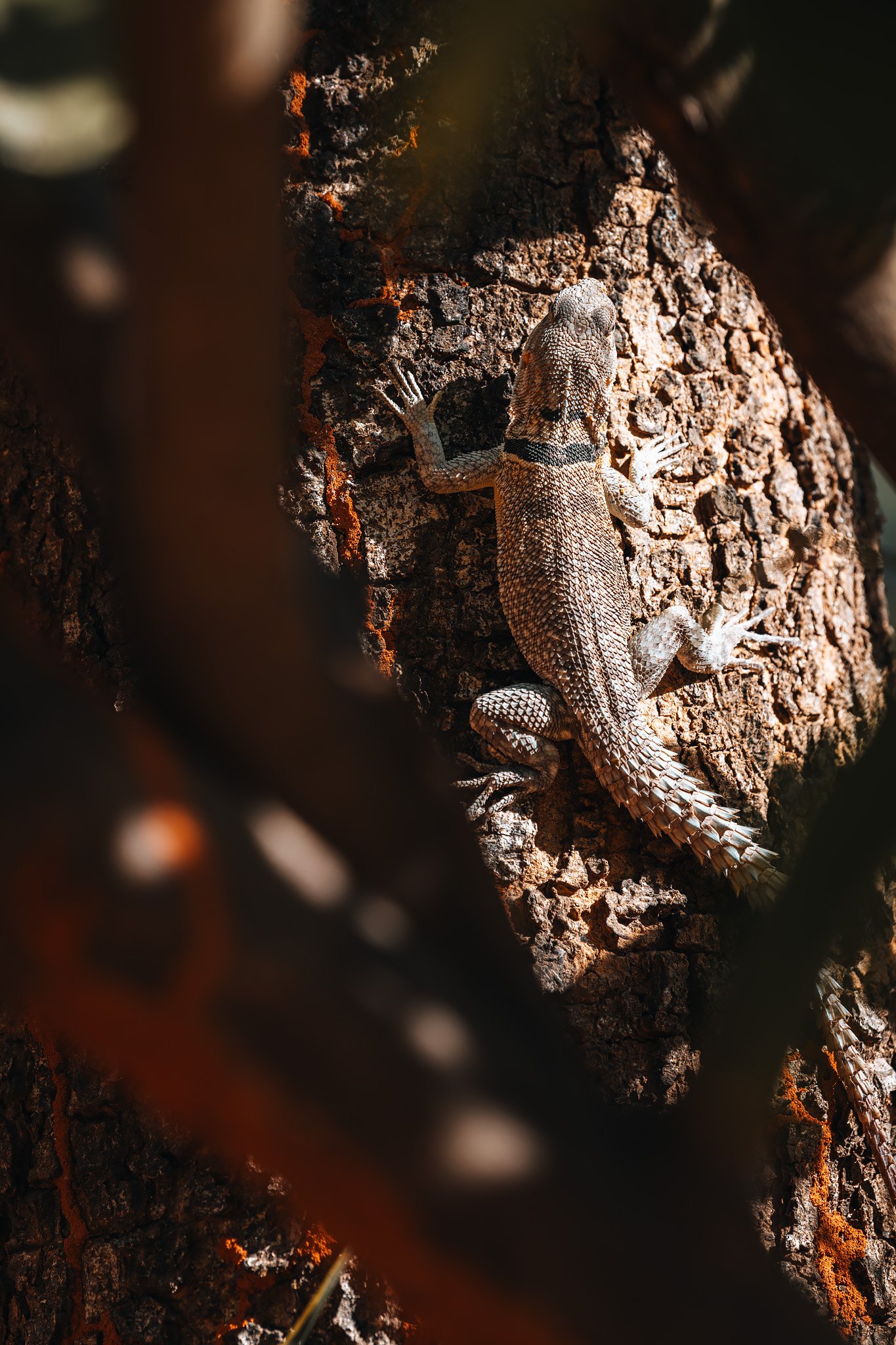
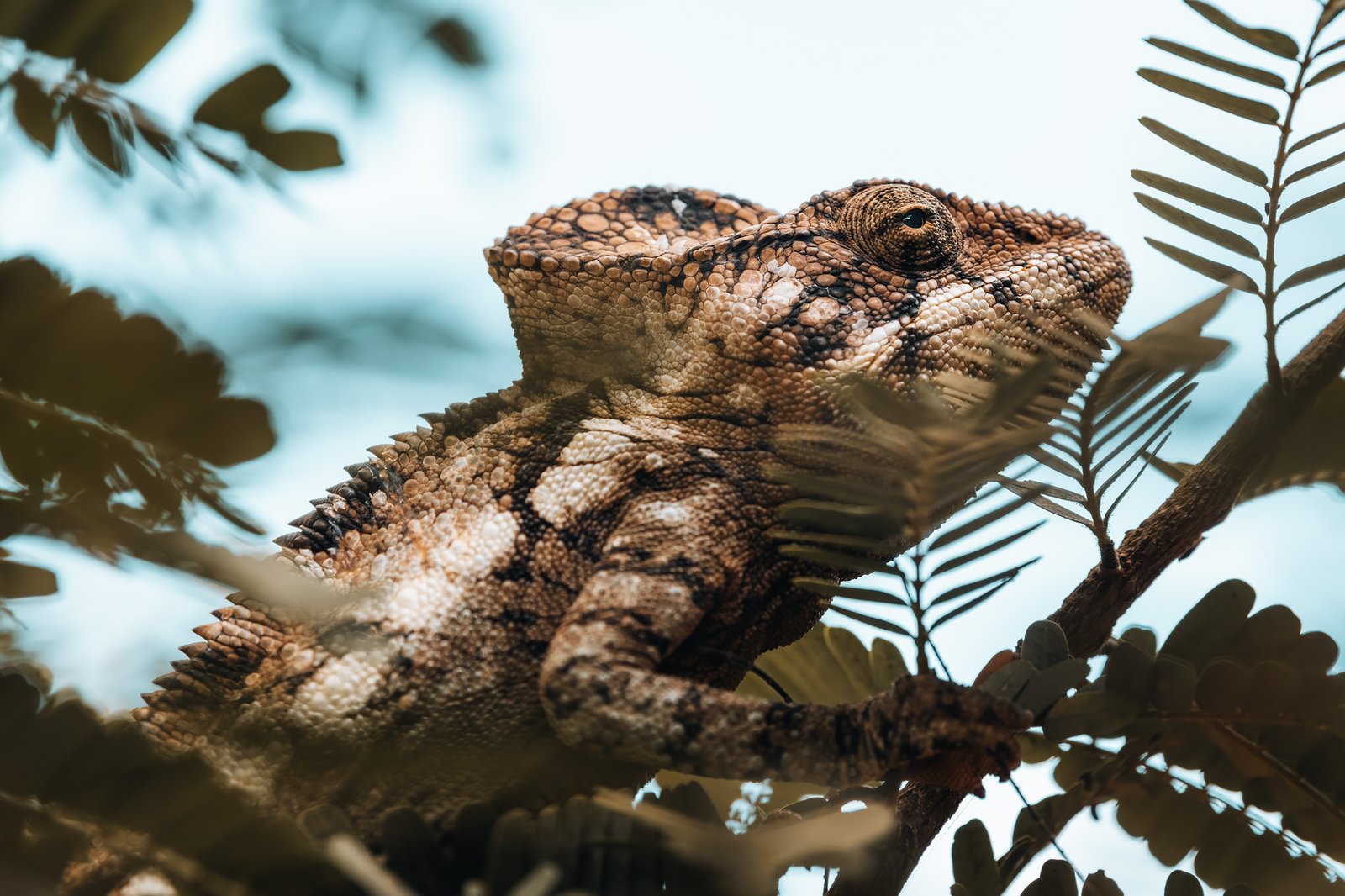
Across from Bekopaka our journey had hardly commenced when unexpected wildlife greeted us. A Giant Malagasy Chameleon rested unmoving atop a branch, while closer a Madagascar Spiny-Tailed Iguana basked on a tree trunk oblivious to our presence.
Short time thereafter the red dirt road reappeared beneath our tires and Bemaraha rapidly receded from sight behind us. Ahead lay Kirindy once more along with The Avenue of The Baobabs and ultimately our return journey to Madagascar’s central highlands. We sensed that perhaps our most impressive scenery was already behind us.
Luckily we were wrong. The island still had so much to show us.
Return Journey To Kirindy
Upon arrival at Kirindy by mid-afternoon we once again covered the same red dirt roads en-route to the forest. Just two days before, it showed us the entrance to one of Madagascar’s wildest regions. Today it seemed familiar and almost inviting after experiencing crazy limestone passages and crossing countless rivers on our previous journey.
Kirindy itself served as merely a brief fuel stop before continuing southward to Morondova. Or so we thought.
Once again Rado smiled and pointed toward a narrow dirt track winding through trees. He then stated, “Let’s take a quick peek.”
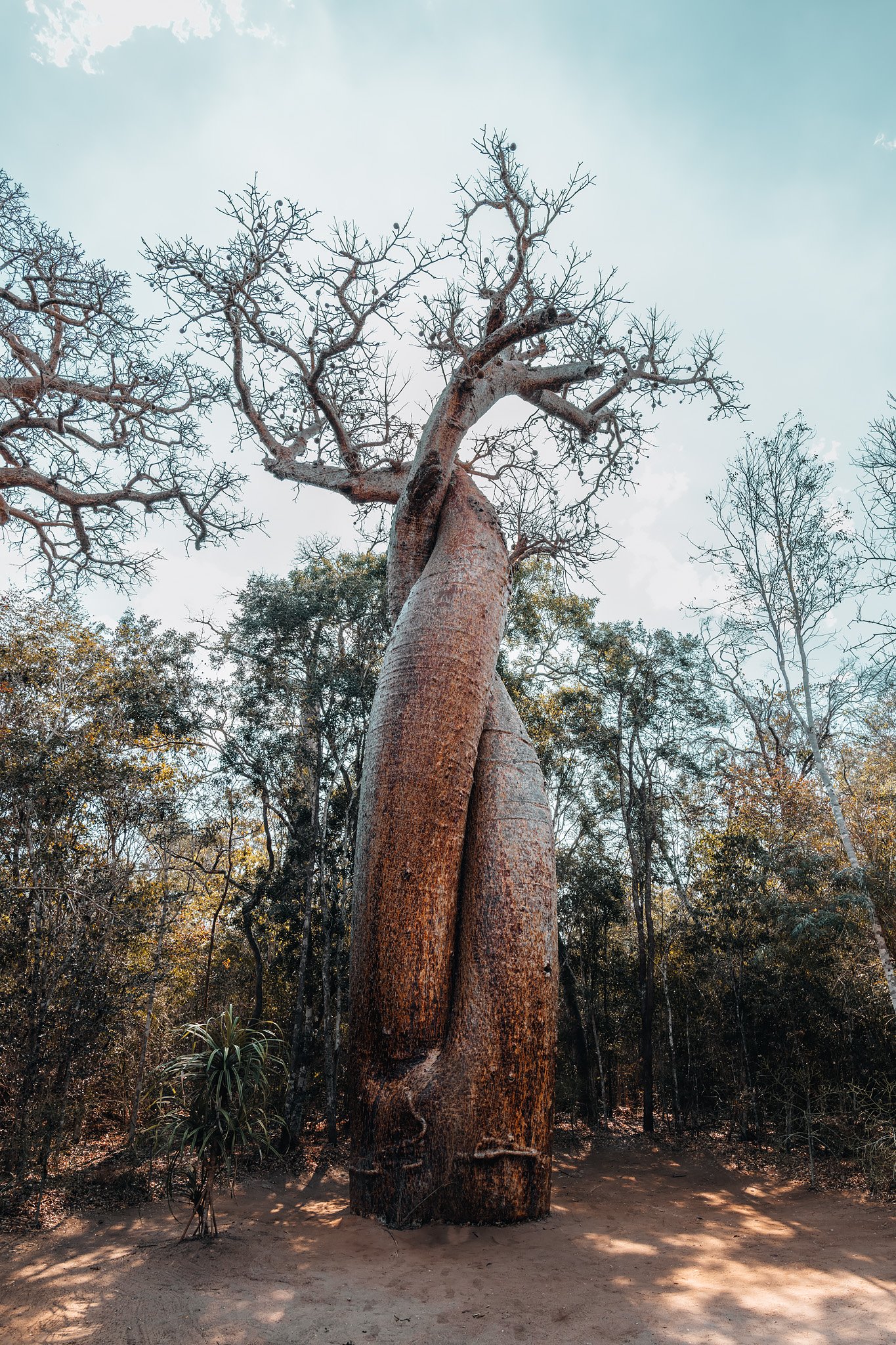
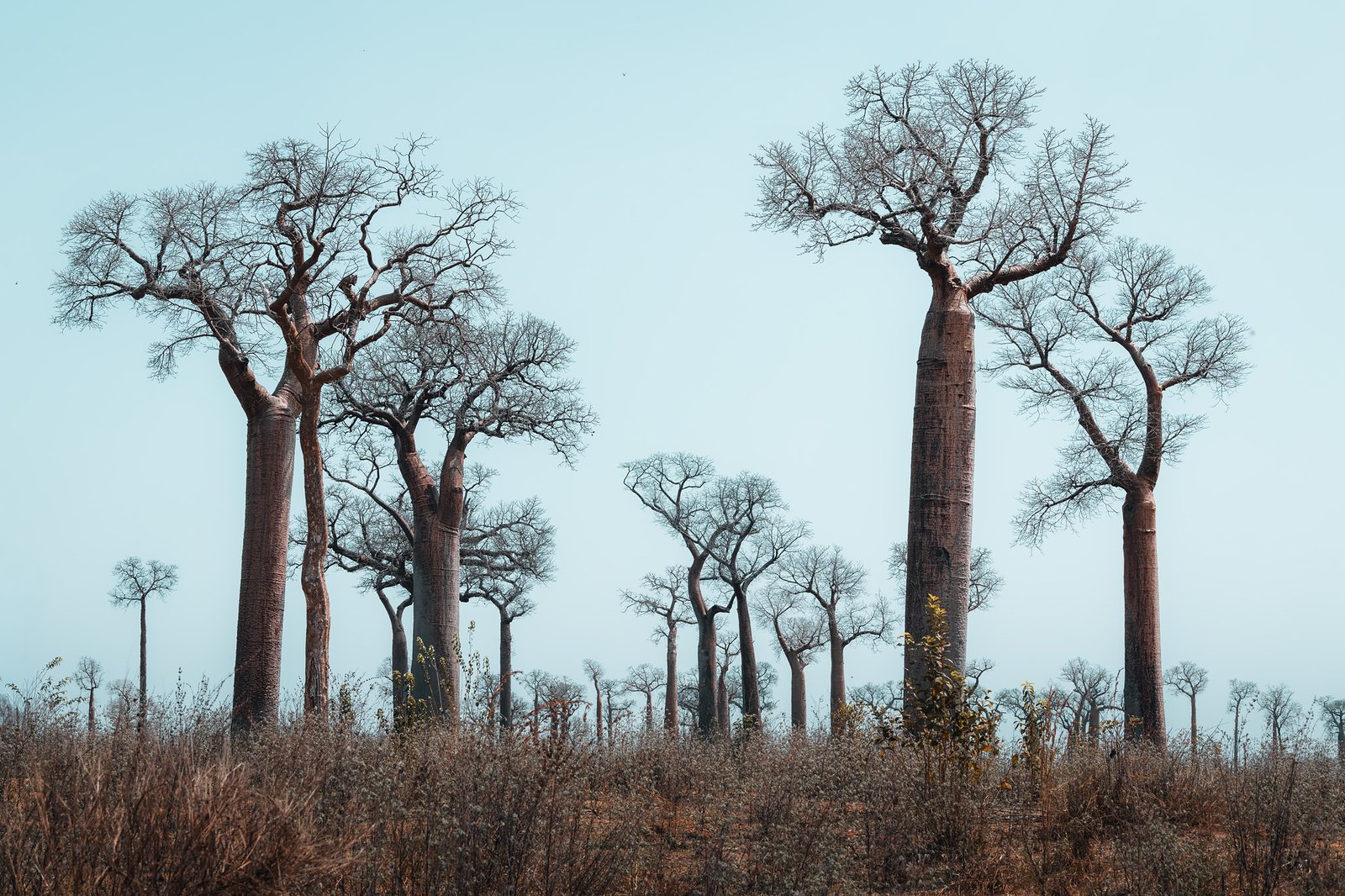
Only a few minutes passed before we were positioned underneath one of the most uniquely shaped baobabs we had seen thus far in Madagascar. Unlike perfectly straight giants lining the avenue, this tree twisted in upon itself before bifurcating into two interlocking trunks ascending upwards together. Locals sometimes call it “The Lovers Baobab”, due to their intertwining trunks appearing inseparable although they originate individually.
Setting aside that fact alone warranted our short deviation. There was something else behind that tree we hadn’t noticed before.
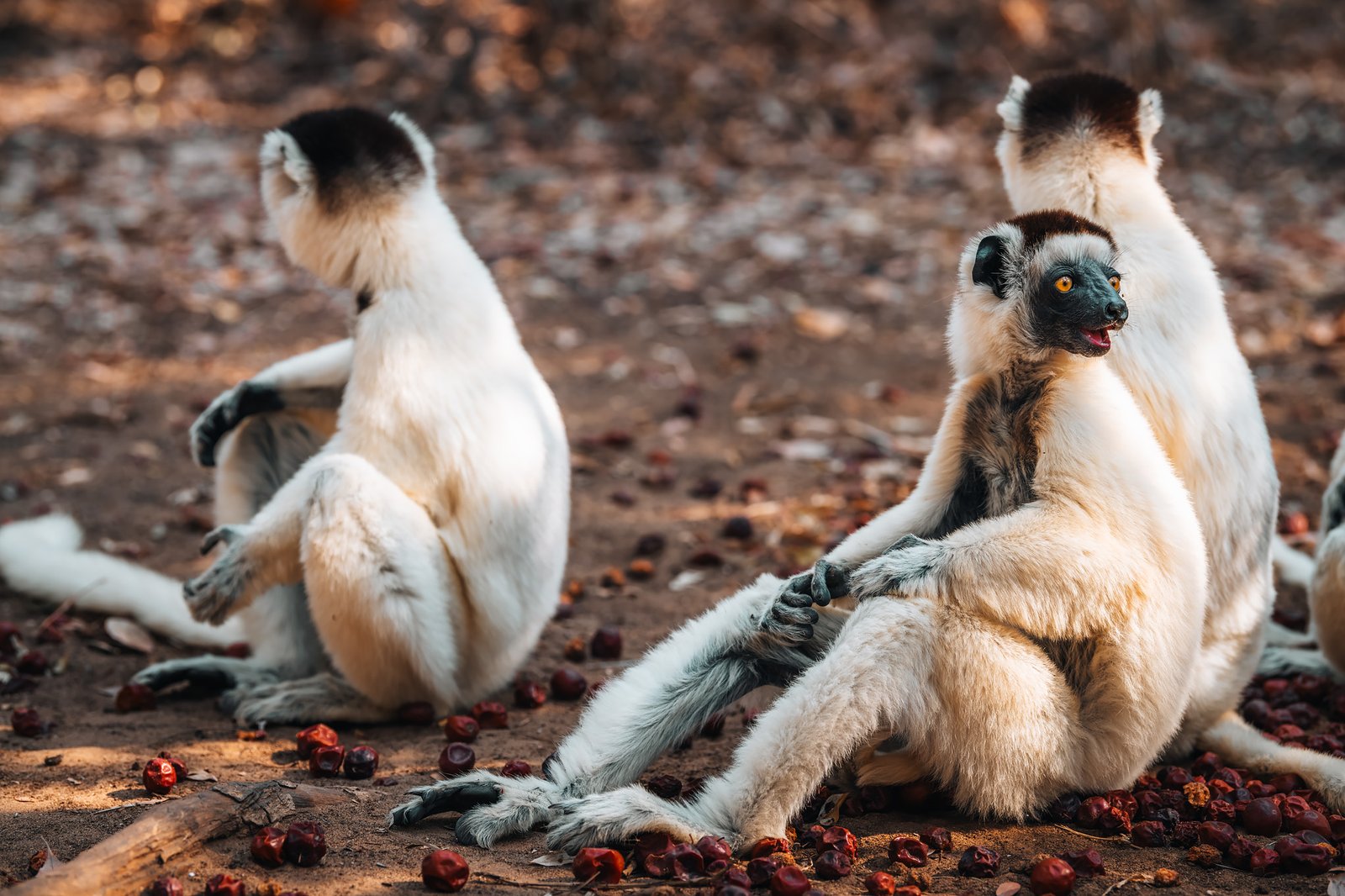
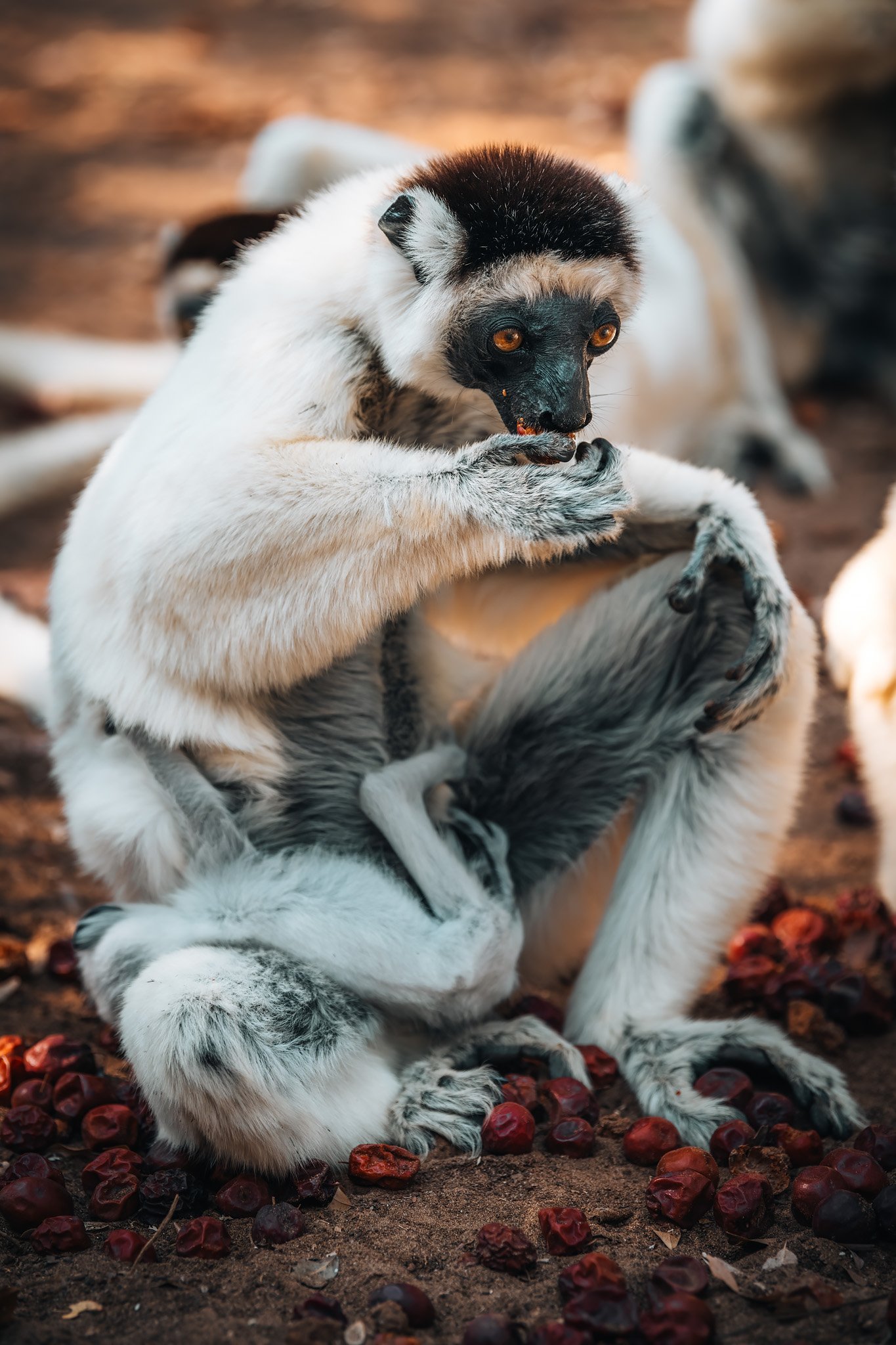
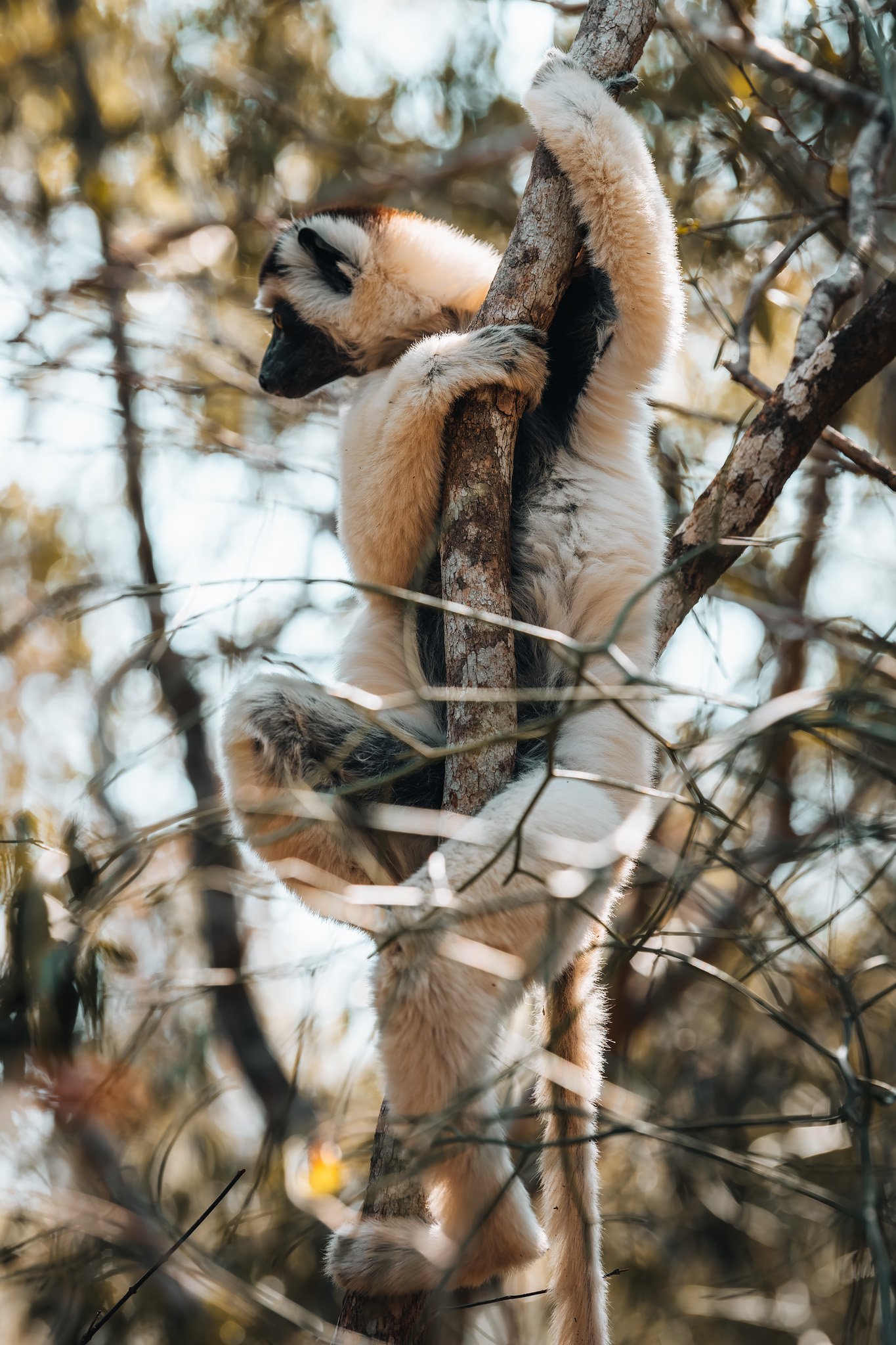
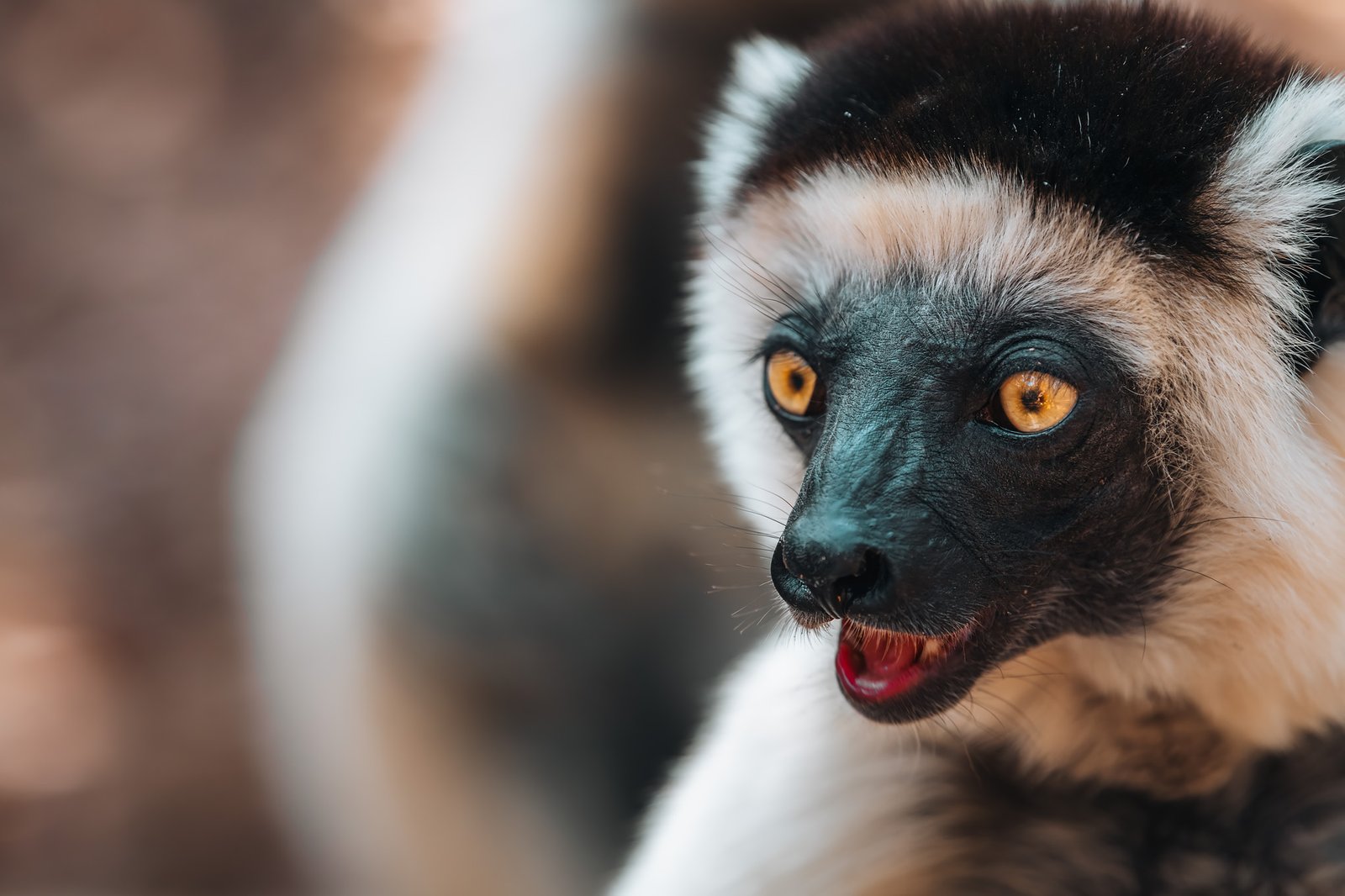
A family of Verreaux Sifakas had congregated beneath the baobab peacefully feeding in the shade of adjacent dry forest. No hurry, no additional observers. Infants rode on mothers’ stomachs while the younger lemurs played between branches before returning to their parents.
Rado explained that local personnel sometimes leave fruit near this portion of Kirindy Reserve allowing groups to frequent the edge of forest without becoming overly reliant on people. Possibly due to this familiarity or possibly simply due to peacefulness of the afternoon, the sifakas appeared unusually comfortable with us.
Rather than taking photographs continuously we eventually found ourselves simply sitting on the ground observing them.
The sifaka was completely absorbed by eating fruit, concentrating on each piece with unbelievable intensity. The adults sat up straight as if contemplating something and watched us every now and then with their bright golden eyes before going back to whatever they were doing.
There wasn’t anything remotely spectacular happening. Nature has a way of making just as big of an impact sometimes, without using drama or grandiose events, it is all based upon how still you are willing to remain.
Eventually the sifakas wandered further into the woods jumping effortlessly from branch to branch until all we could see was a single large baobab standing alone in the harsh light of day against a very pale blue sky. It felt as though it was time to say good-bye to western Madagascar.
We then returned to our vehicle and finished off the last part of our trip to Morondava. As we continued down the widening road and saw some of the first buildings in town on the horizon, we once again spotted another familiar shape coming over the hill. This time, however, we weren’t in such a rush. We had said we would come back to see the sun go down.