


Stage 5. Rifugio Venezia – Rifugio Mario Vazzoler
Distance: 24.80 km · Elevation Gain: +1389 m · Elevation Loss: −1608 m · Technical Difficulty: Moderate
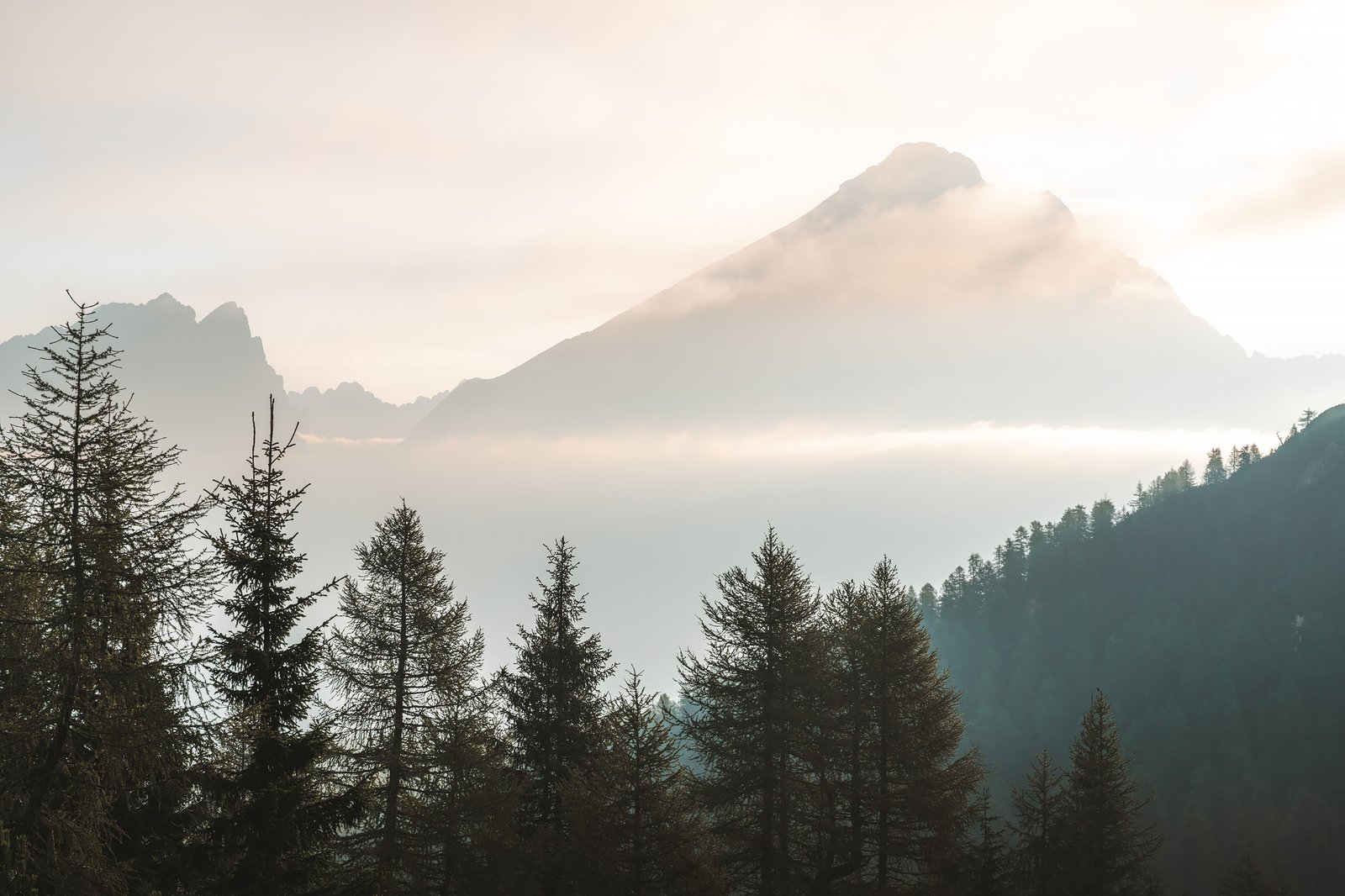
The Alta Via 1 changes from here. The route is defined by altitude, exposure, open spaces and a big dose of humidity. Past Pelmo the terrain softens. The peaks are still there, but they start to retreat behind forested valleys, and longer descents. The scale is still there, but the feeling of the landscape is more subdued.
And, very soon, another aspect of the AV1 will become obvious, there are significantly fewer hikers.
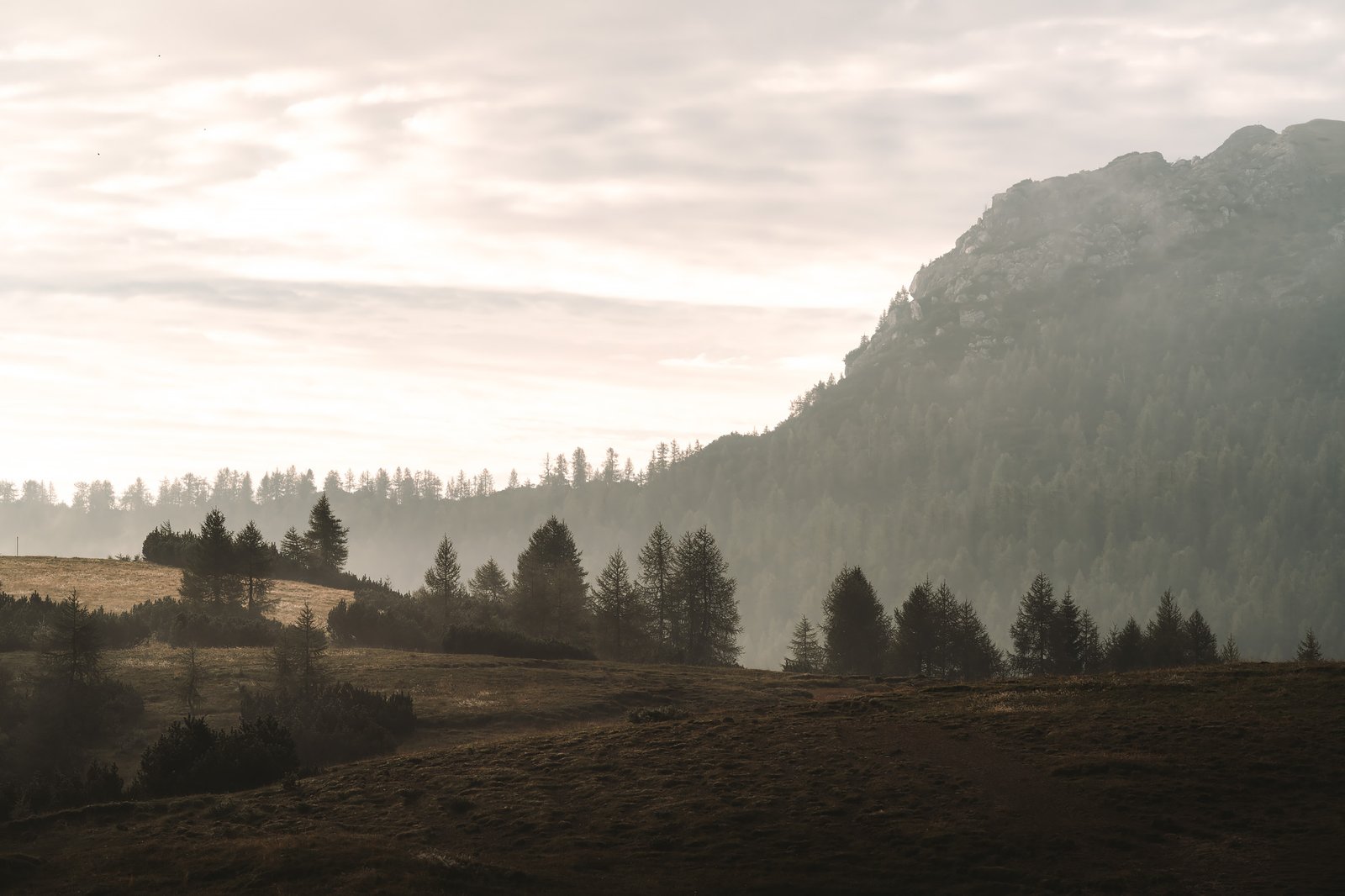
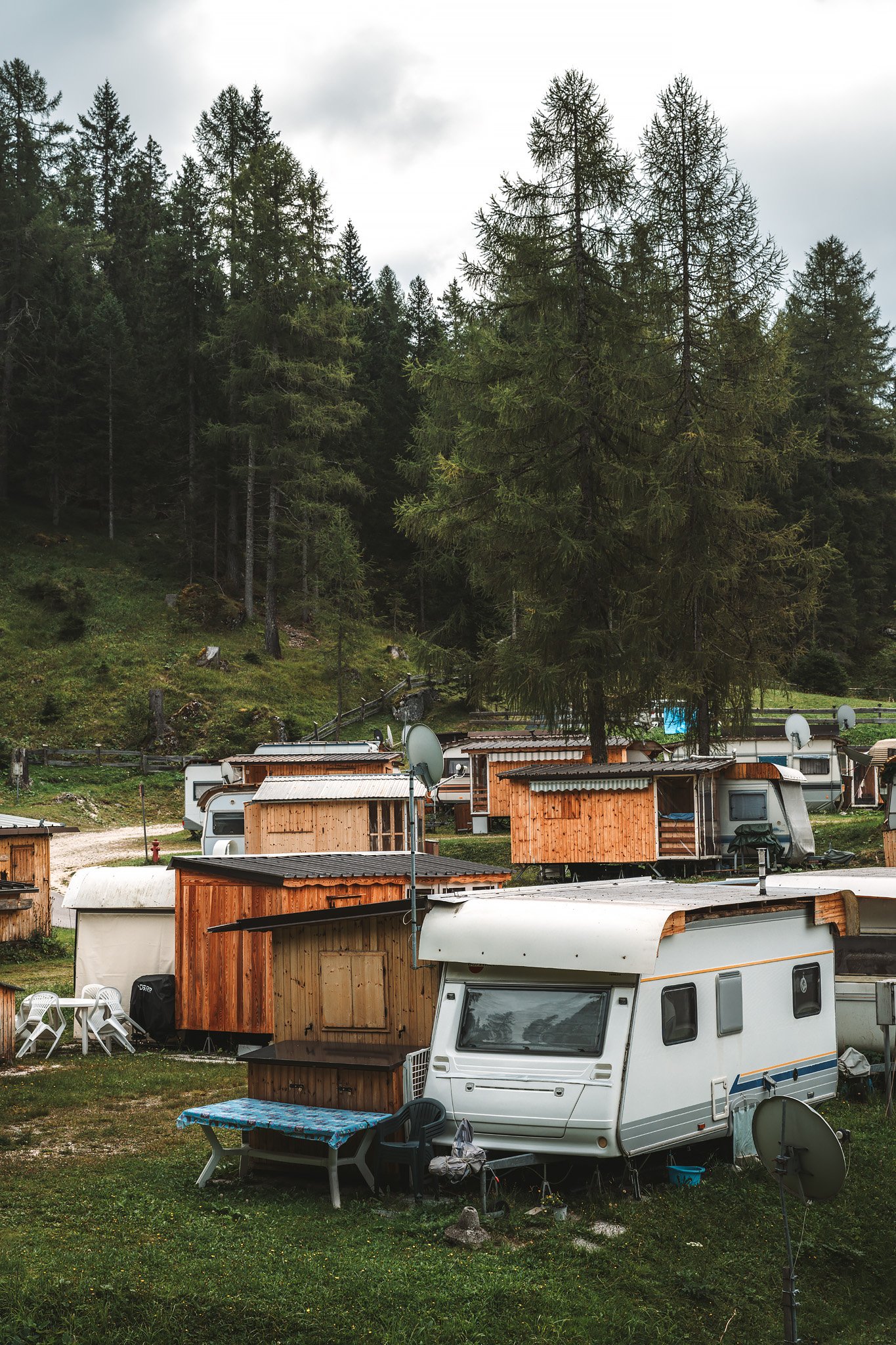
The morning at Rifugio Venezia starts slowly, it is before the sunrise and when is really peaceful and quiet. The sky is heavy and the air is still. The first steps are easier than anticipated, descending toward Palafavera, a ski resort that takes on a different character in summer. Here the trail reconnects with a different kind of world, roads and infrastructure. There is a cappuccino, some supplies, and the kind of small decisions that, for a while, make you feel connected to the world again.
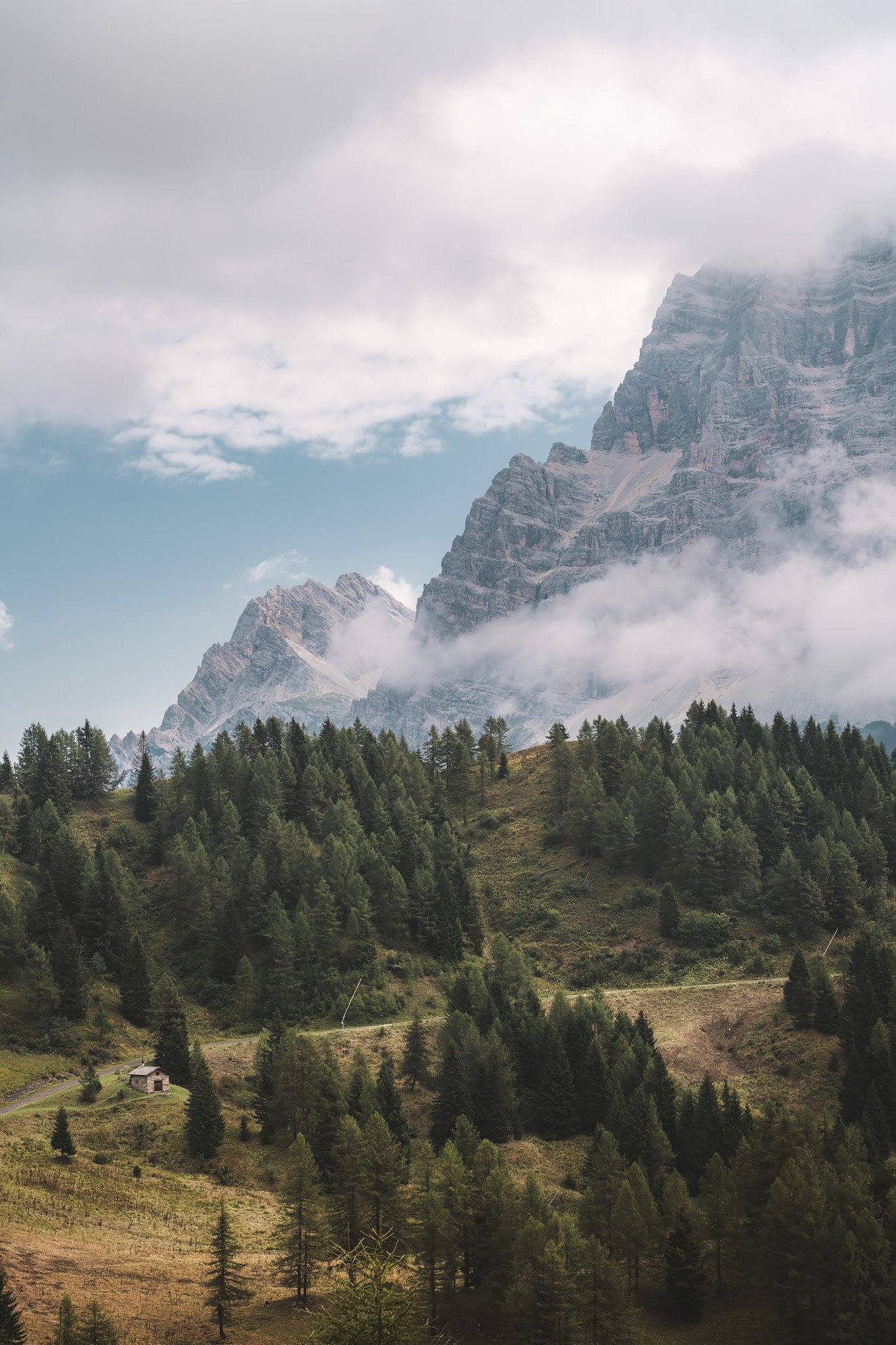
Then, the ascent recommences. The path toward Coldai winds its way through open slopes and scattered cabins. Sheep graze near the trail, unconcerned with the activity happening nearby. The terrain is softer here and less rugged.
However, the sense of calmness is what stands out the most. After the exposure of the preceding days, this area of the Alta Via 1 feels quieter. Longer sections of trail pass without seeing anyone. The trail starts to feel more like an individual experience, and less like a shared route.
At Rifugio Coldai, the mood shifts once again. People congregate and watch a cloudy and uncertain sky, while a share my french fries with a kid that happened to be hiking with his family but was really there for the food mostly.
There is a collective awareness that the light may change. And then it does.
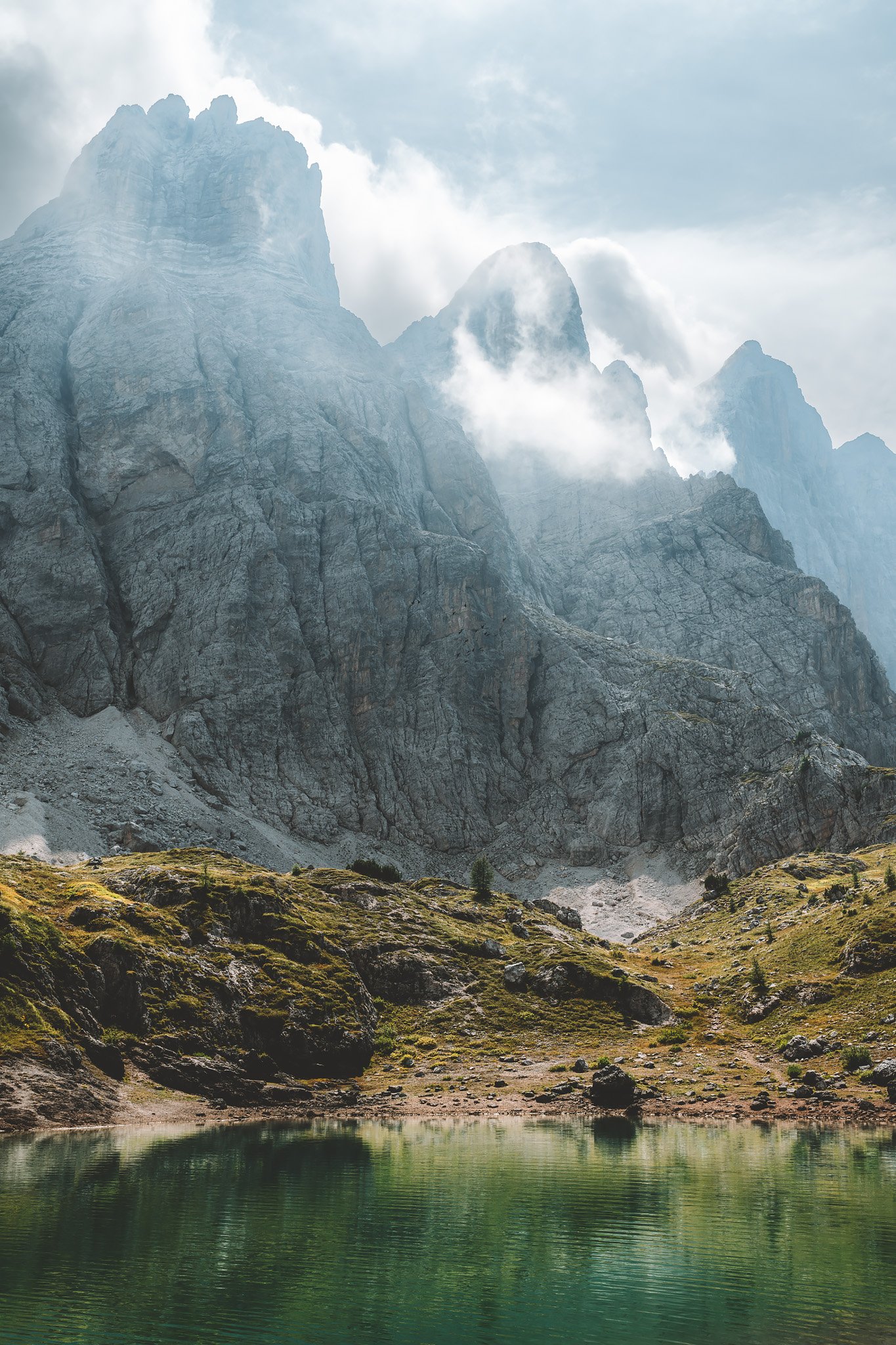
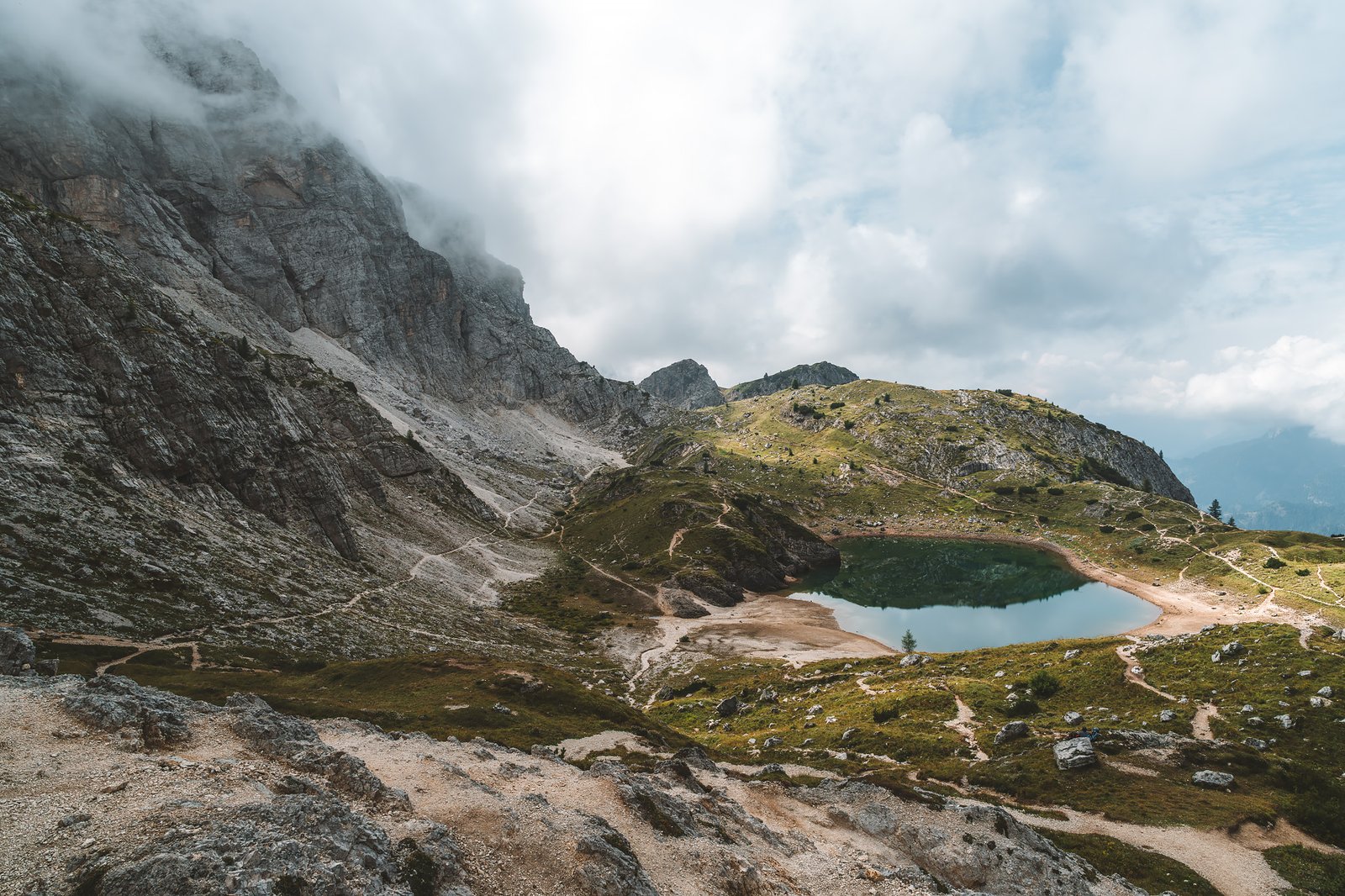
Just enough of the clouds clear, and Lago Coldai appears, fully formed, as if the fog had been holding it back until that instant. The water in the lake mirrors the surrounding peaks with a clarity that feels almost unreal after the grey morning.
Many stop here. Some even wade into the water and swim across it, despite the cold. The effect is strong enough to be impossible to resist.
The First Rains
The route proceeds through meadows and valleys. This is where the Alta Via 1 becomes more human. Interactions occur more frequently, a few exchanged words, trail comparisons, adjustments to plans. An Australian couple share a stretch of the trail; then a group of Swedish friends or a Korean lady that had been living not far away from me back in the day, a casual conversation begins, and just as easily ends.
These encounters do not change the journey, but they help define it. They add perspective and context. They make the trail feel less solitary, without disrupting the silence.
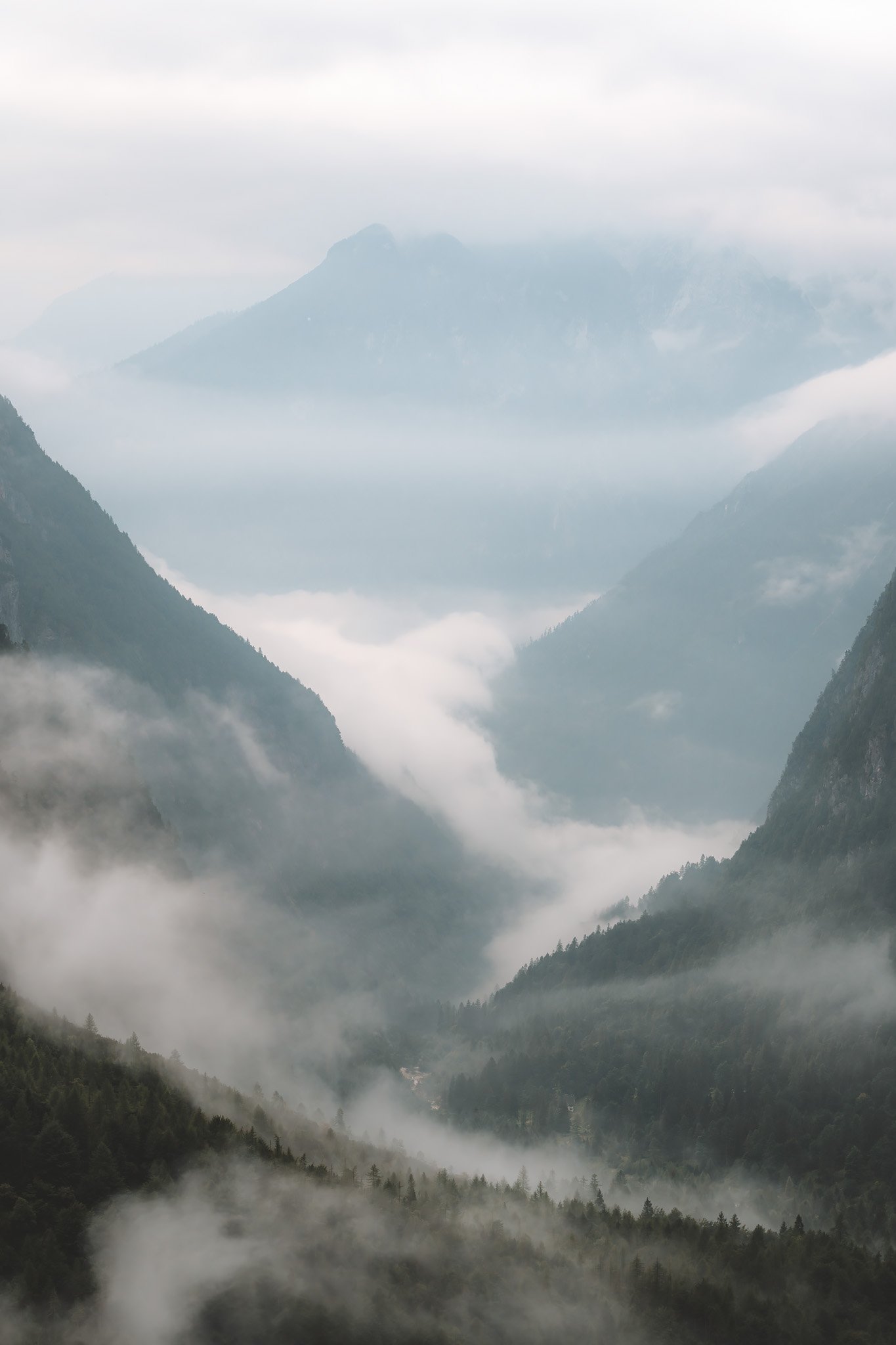
For the first time on the Alta Via 1, the weather changes. Initially, the rain is quite gentle. A light drizzle that barely disrupts the rhythm, but that doesn’t last. Fog develops and valleys disappear. Visibility is much reduced and the trail becomes softer underfoot. Then wetter.
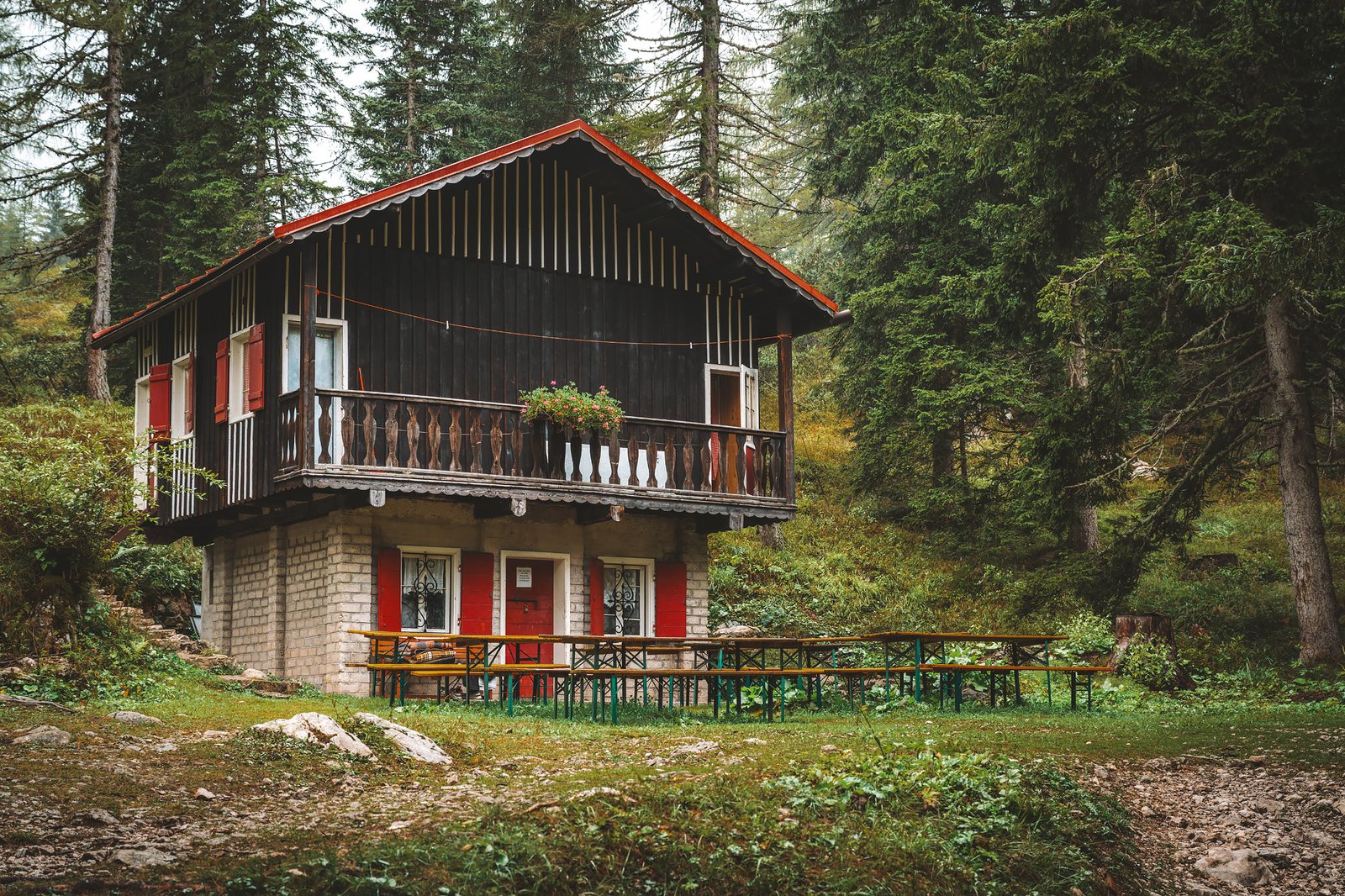
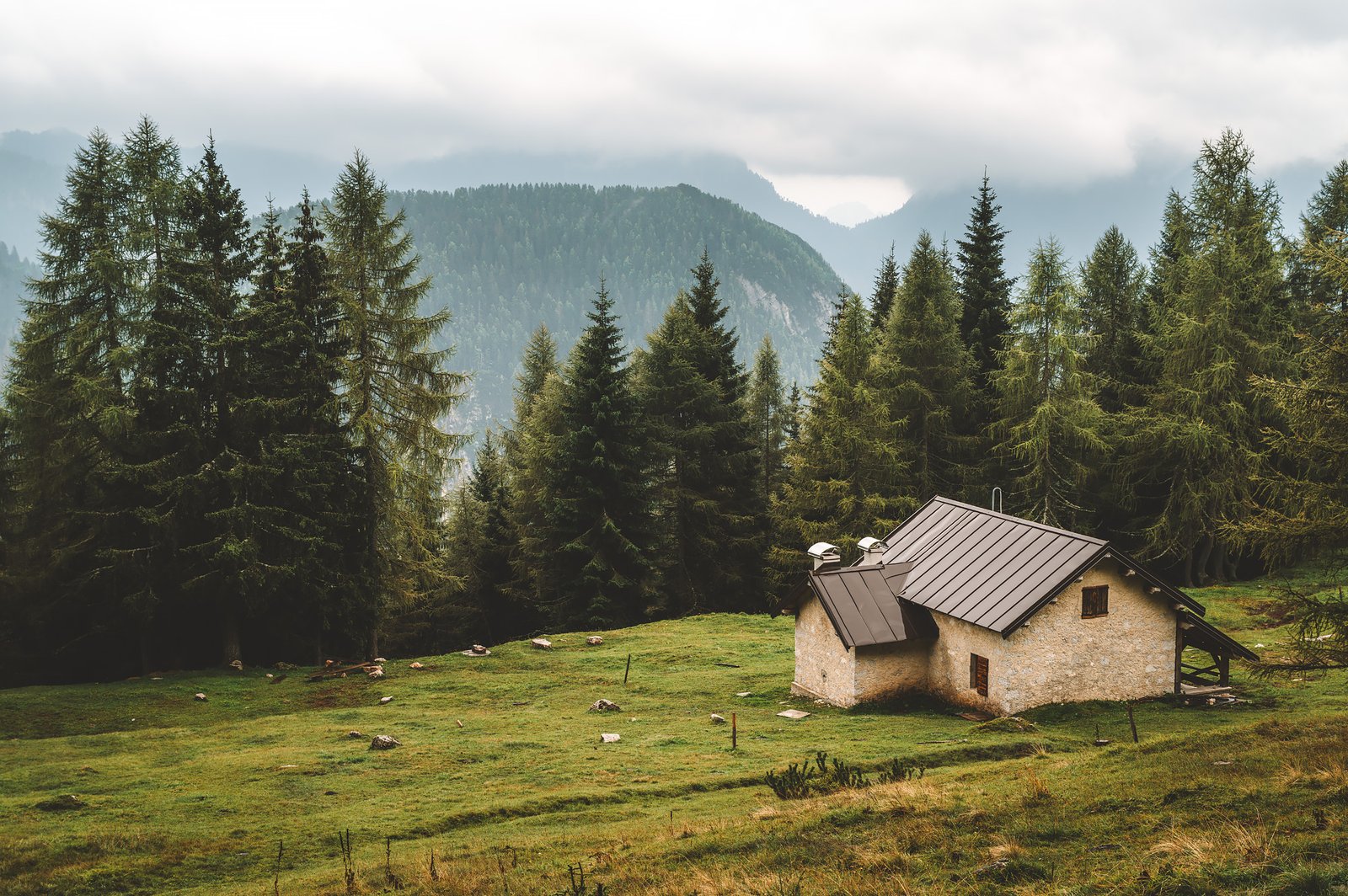
When Rifugio Mario Vazzoler comes into view, the rain becomes steady. The refuge is located in a clearing within the forest, three buildings, basic, functional. Surrounded by open space and grazing animals.
By the time I arrive, the light is already fading. Not because of the hour, but because of the forest. The refuge is set deep within it, and even during the day, it feels darker than it should Inside, everything slows down again.
Wet gear dries where it can. Conversations resume around tables. The outside world continues, but from a distance.
On that night, the experience is less about the landscape and more about the people within it. Shared tables and unexpected conversations with a Canadian couple who were visiting Europe for the first time. Stories exchanged between people who have nothing in common except the trail that brought them there.
At times, the Alta Via 1 feels like a sequence of landscapes, but on that night, it felt like something more.
Stage 6. Rifugio Mario Vazzoler – Rifugio Sommariva al Pramperet
Distance: 23.92 km · Elevation Gain: +1373 m · Elevation Loss: −1223 m · Technical Difficulty: Moderate
The next morning begins early and with the sound of hikers surprised that their gear is still wet despite being hanged outside from the day before (under heavy rain at night…) Forecasts indicate mixed weather. The plan is simple, wake up early, skip breakfast, move quickly.
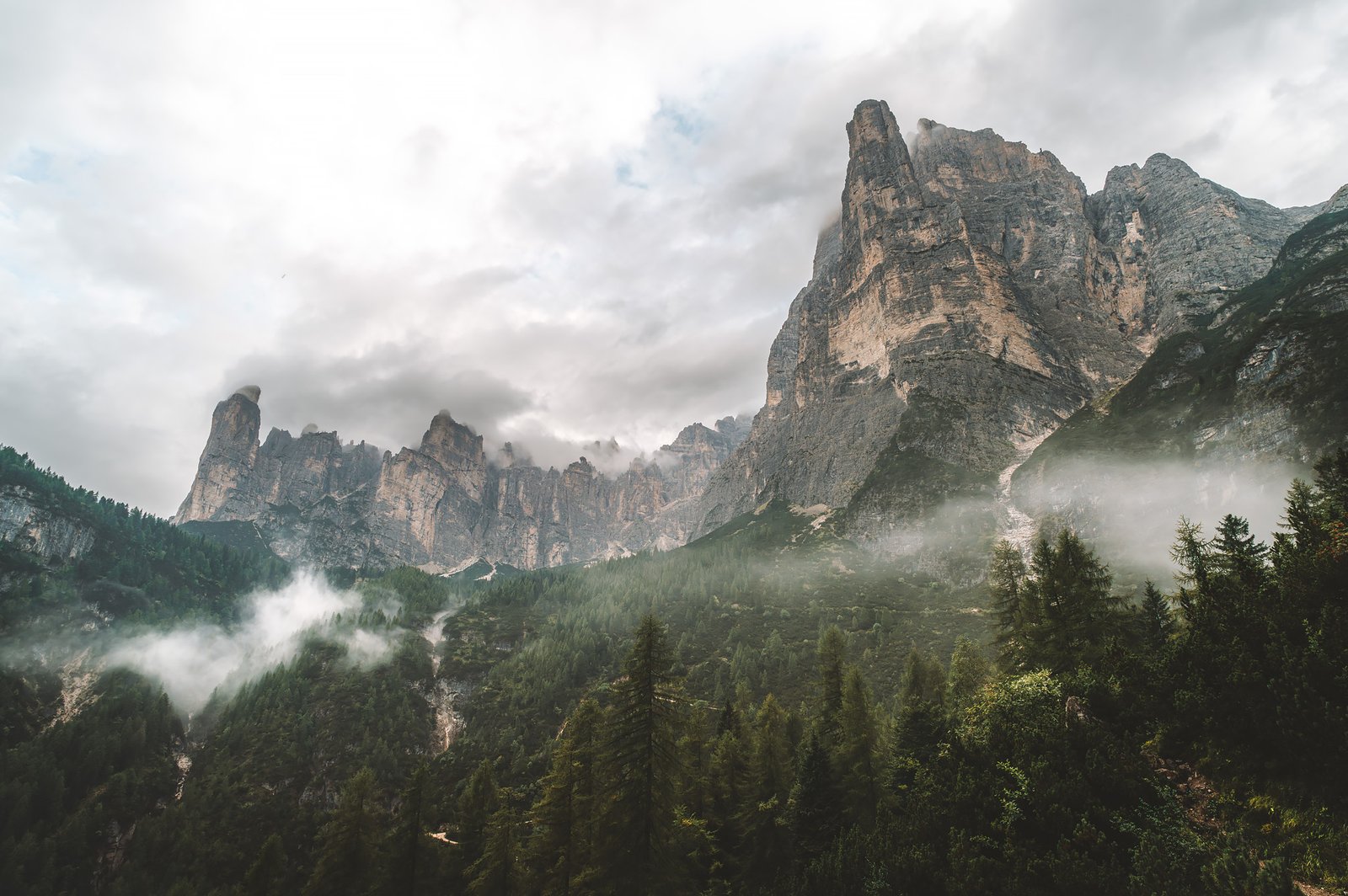
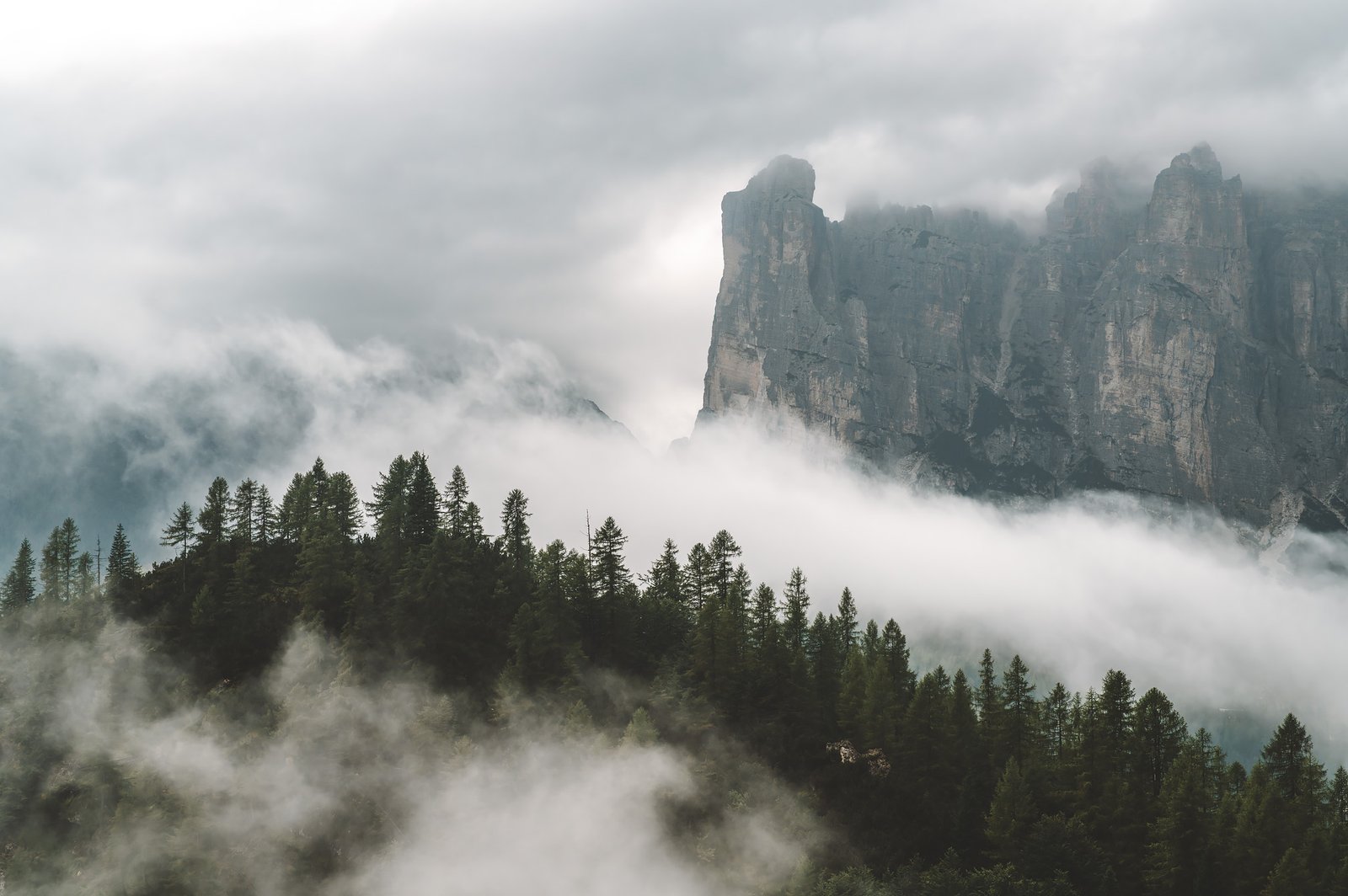
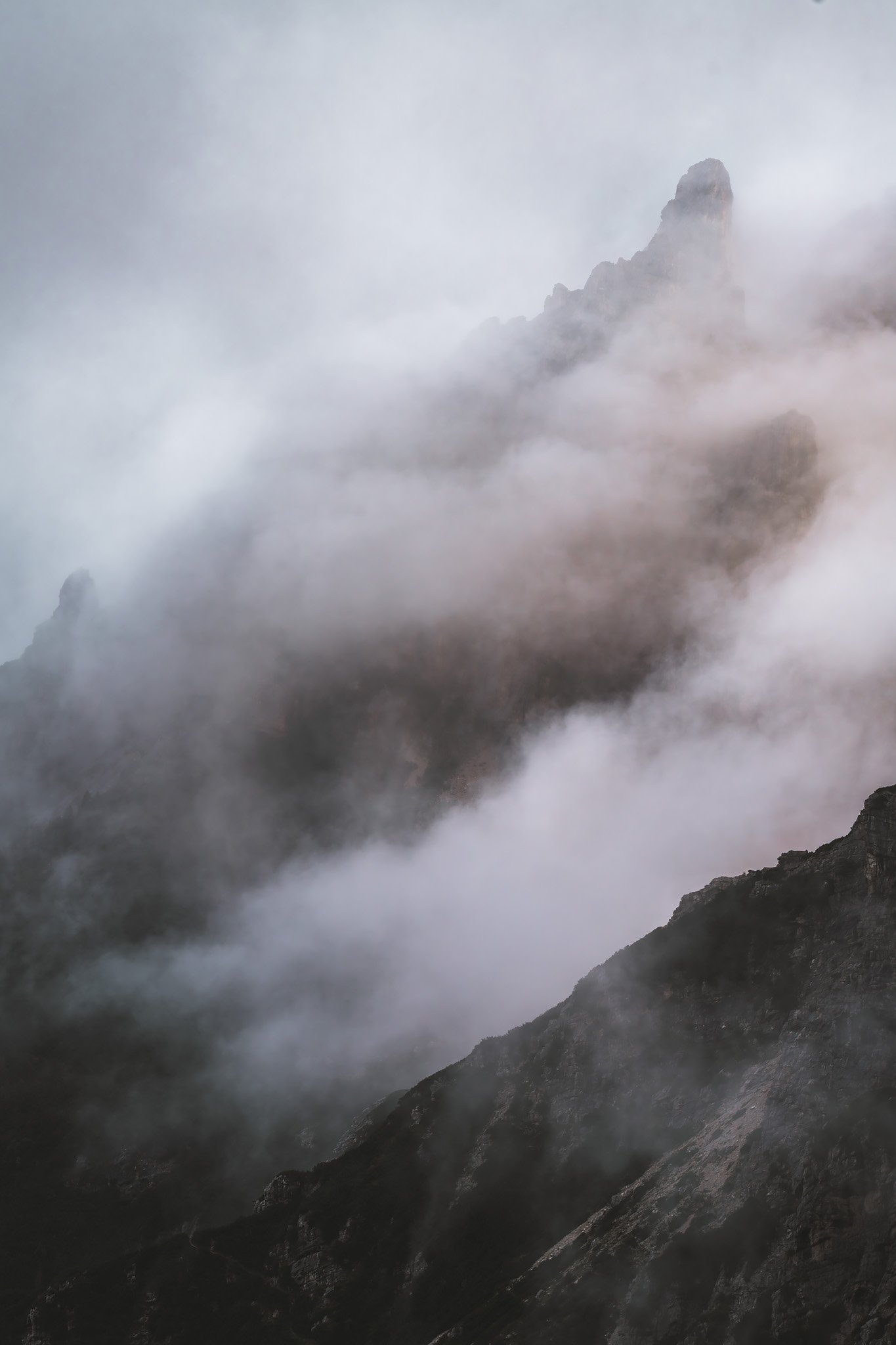
Initially, the conditions were in favor. Fog defines the landscape, obscuring visibility and compressing depth. Photography becomes secondary and movement becomes the priority.
Then the rain returns. Light at first, then constant, and eventually, intense. In a matter of minutes, everything is soaked. Pants cling heavily and boots are full. Water runs down your arms, into your hands, into every item of clothing. The trail becomes invisible beneath flowing water. Muddy areas transform into small streams and rocks become pathways for water.
There were moments when I walked in water up to my ankles and each step felt heavier than the one before.
Eventually, it transitions from unpleasant to mechanical, simply putting one foot in front of the other instead of contemplating the landscape.
Shelter from the Storm
Casera Moschesin appears almost unexpectedly, an old, abandoned building, once a small hut for shepherds. Very simple and functional. A temporary shelter from the storm in the middle of nowhere.
I was completely alone, only the sound of the rain hitting the roof. It seemed unlikely that anyone was close.
Everything I was wearing was soaked. There was no way around it. So I removed everything I was wearing and got completely naked. It wasn’t comfort, but necessity.
I put back my wet clothes and check my gear, the camera gear is not affected. The decision is simple, continue or wait. The rain answers. It doesn’t stop. I keep walking.
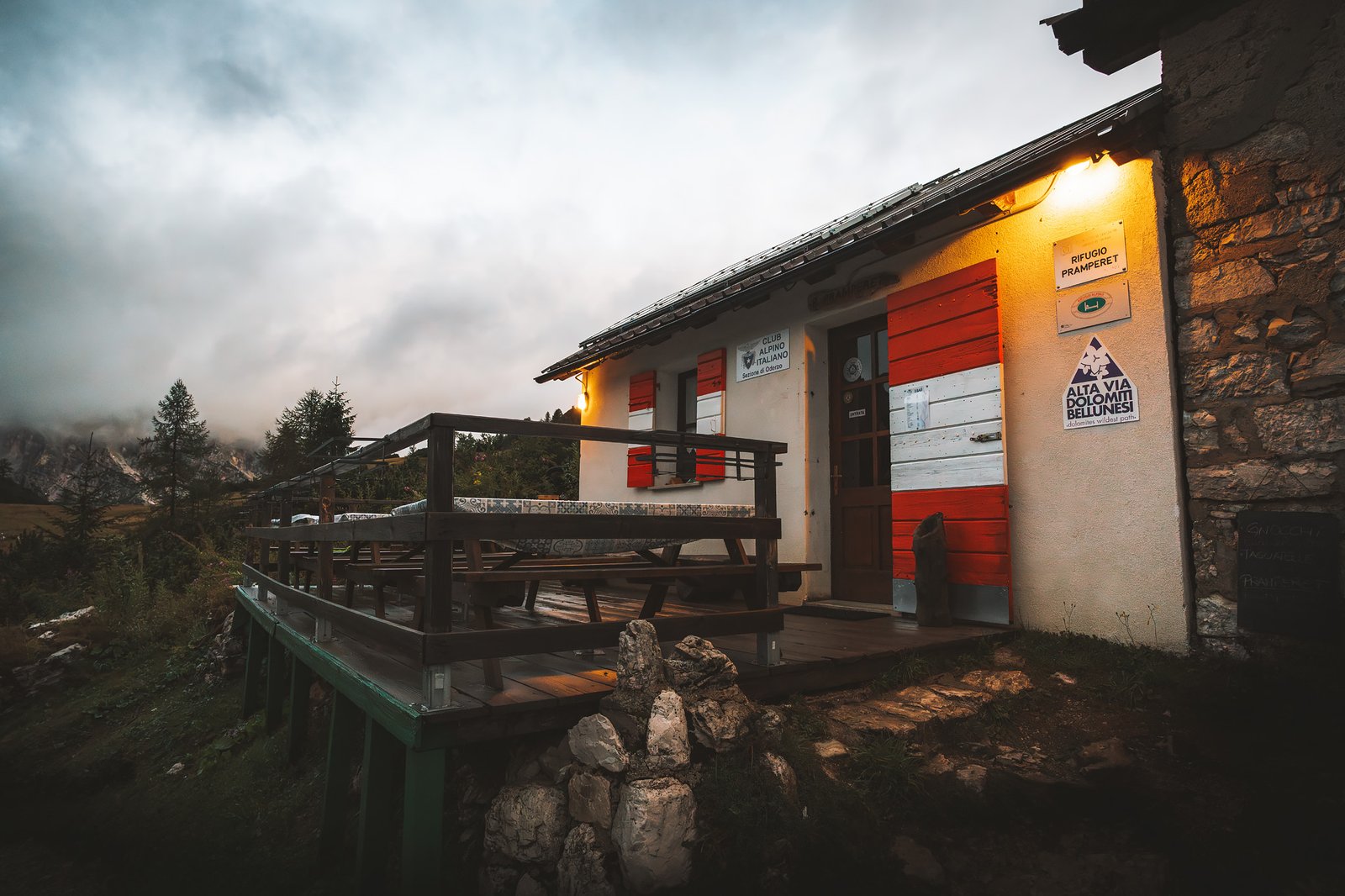
Eventually, the rocky path, waterlogged and uneven, opens into a meadow. The rain pauses for a moment, and I catch sight of Rifugio Sommariva al Pramperet.
Inside there is no cell phone reception. None at all. No occasional connection. No messages. Nothing.
And the rain does not stop. It continues through the evening, steady and uninterrupted. Few hikers make it this far. Most stop earlier, or choose to walk only the first half of the Alta Via 1. Beyond this point, the route becomes quieter, less predictable, less traveled.
Conversation replaces distraction. A simple dinner with a Scottish young man who was camping with a friend of his, sick that night from a bad snack. Szymon was also there, a Polish completing the trek in just six days while preparing for a Marathon in Valencia. The last night before the final push feels magical under the heavy rain.
Stage 7. Rifugio Sommariva al Pramperet – La Pissa
Distance: 20.00 km · Elevation Gain: +827 m · Elevation Loss: −2198 m · Technical Difficulty: Moderat
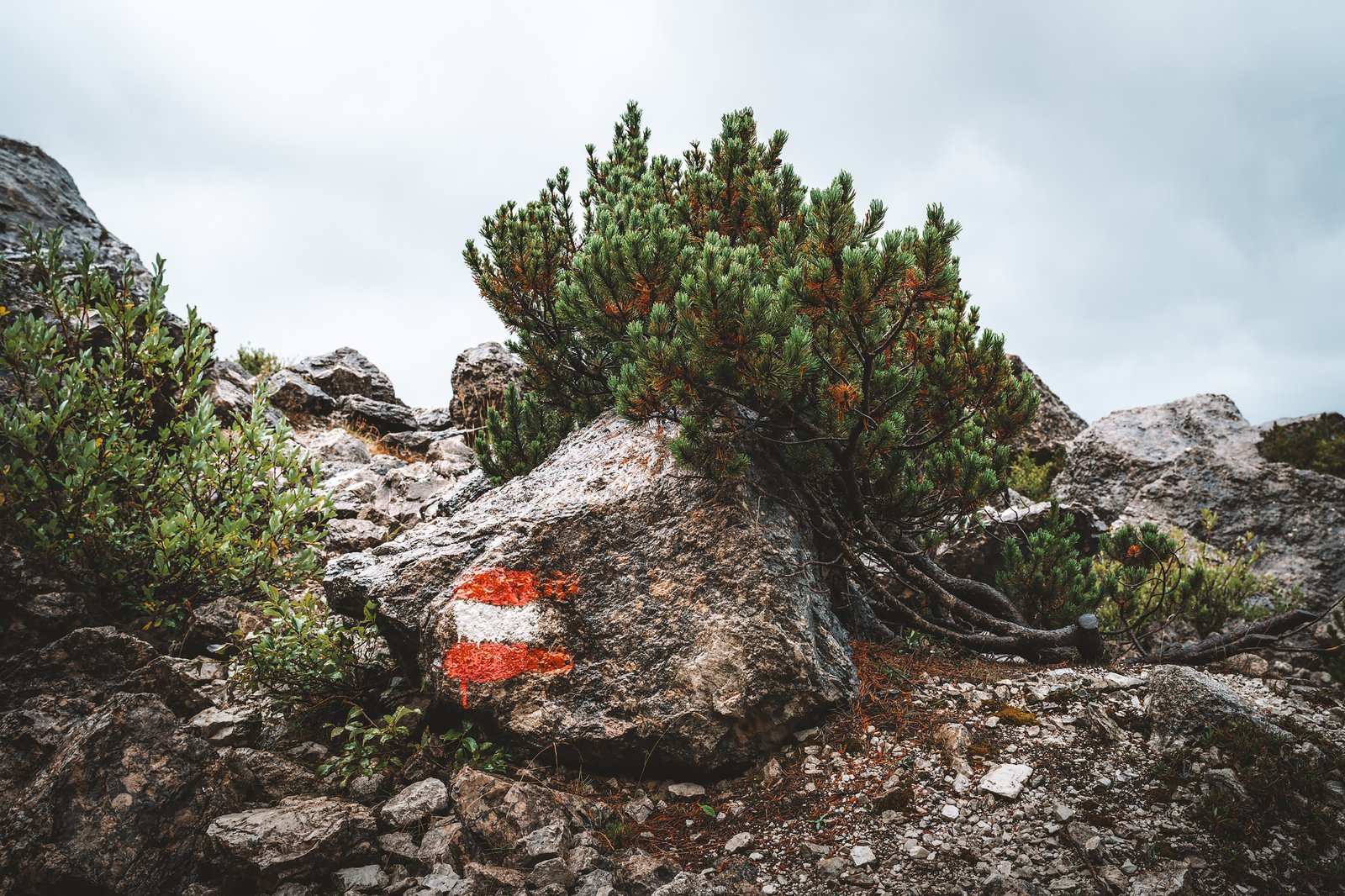
The final day begins early. The rain has diminished, but everything remains wet. The air is heavy and the ground is saturated. The ascent begins immediately, very steep, quiet, and enclosed within forest.
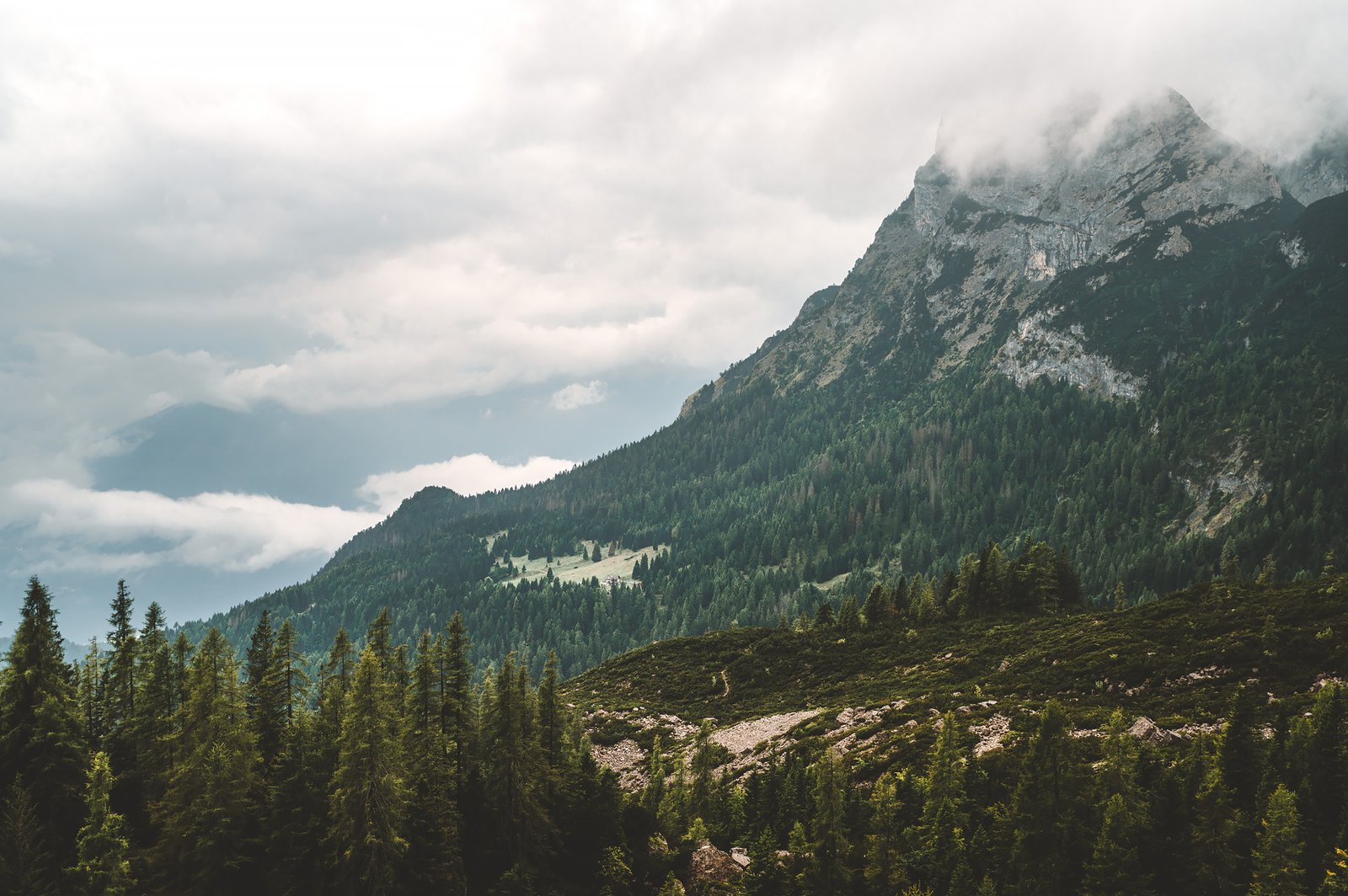
The Bellunesi landscape appears gradually.
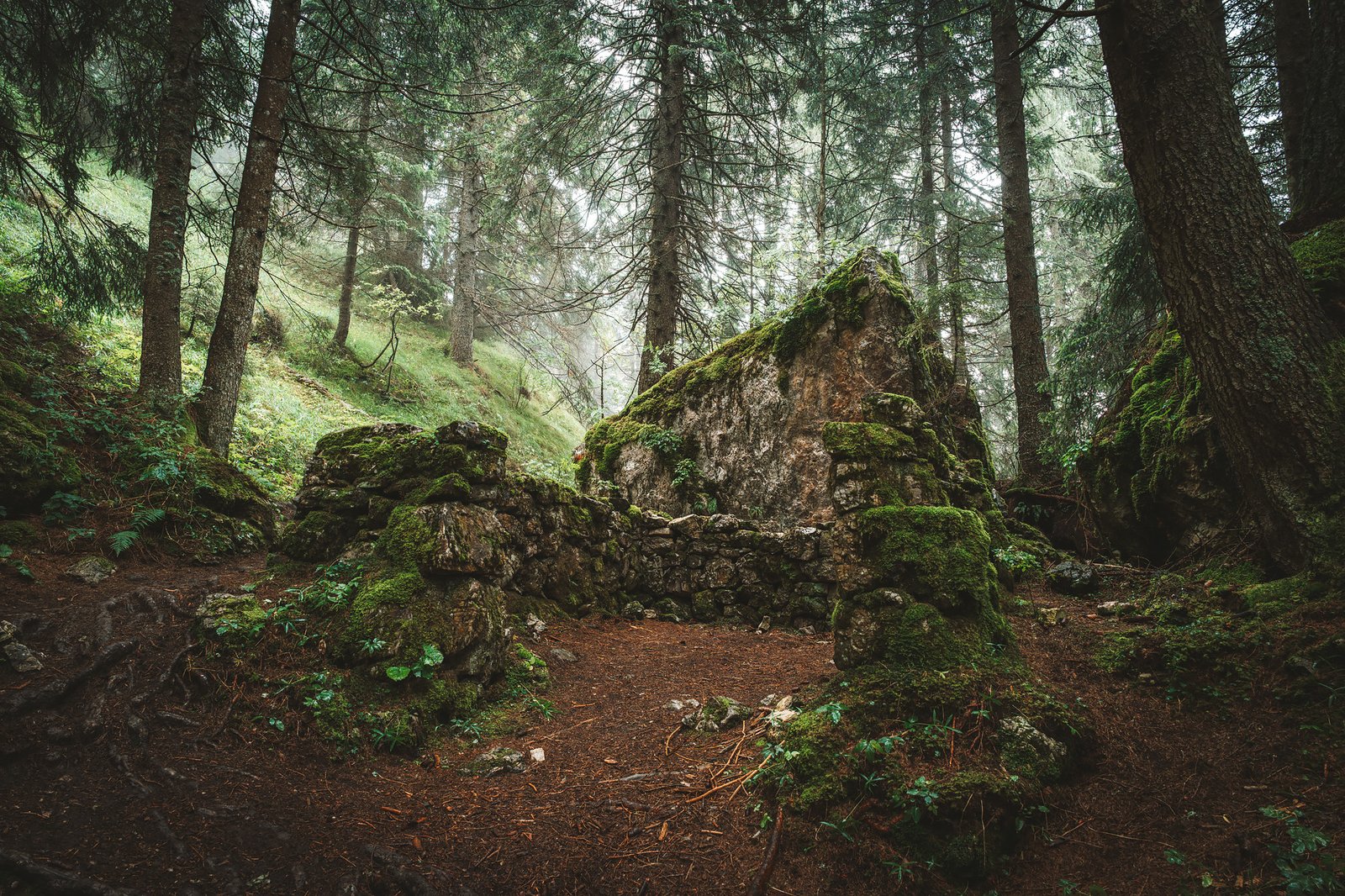
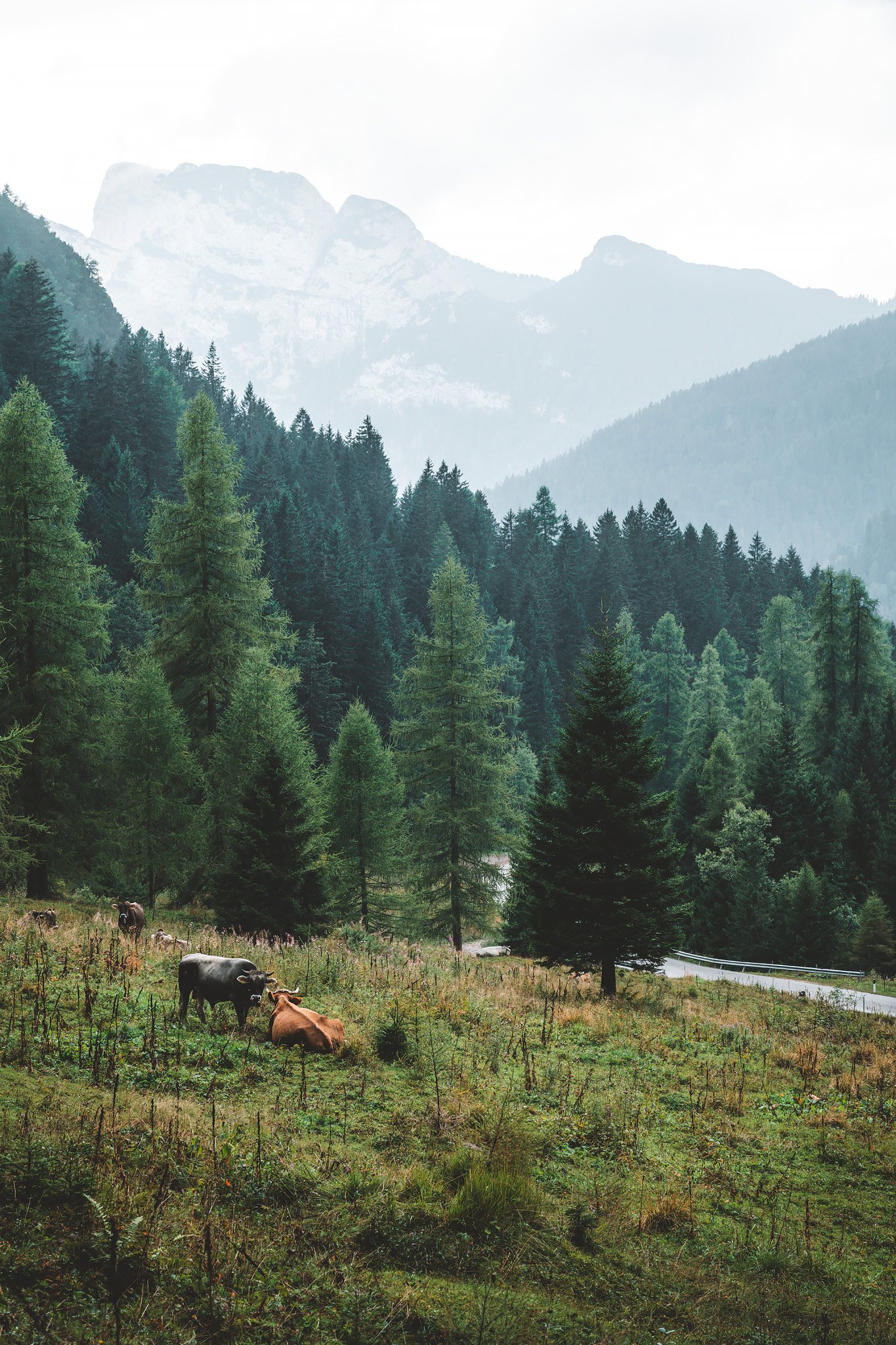
This is not the Dolomites of vertical faces and dramatic silhouettes. This is something older, wilder and less structured. The geology shifts here, pale dolomite gives way to darker, more weathered rock, covered in dense vegetation.
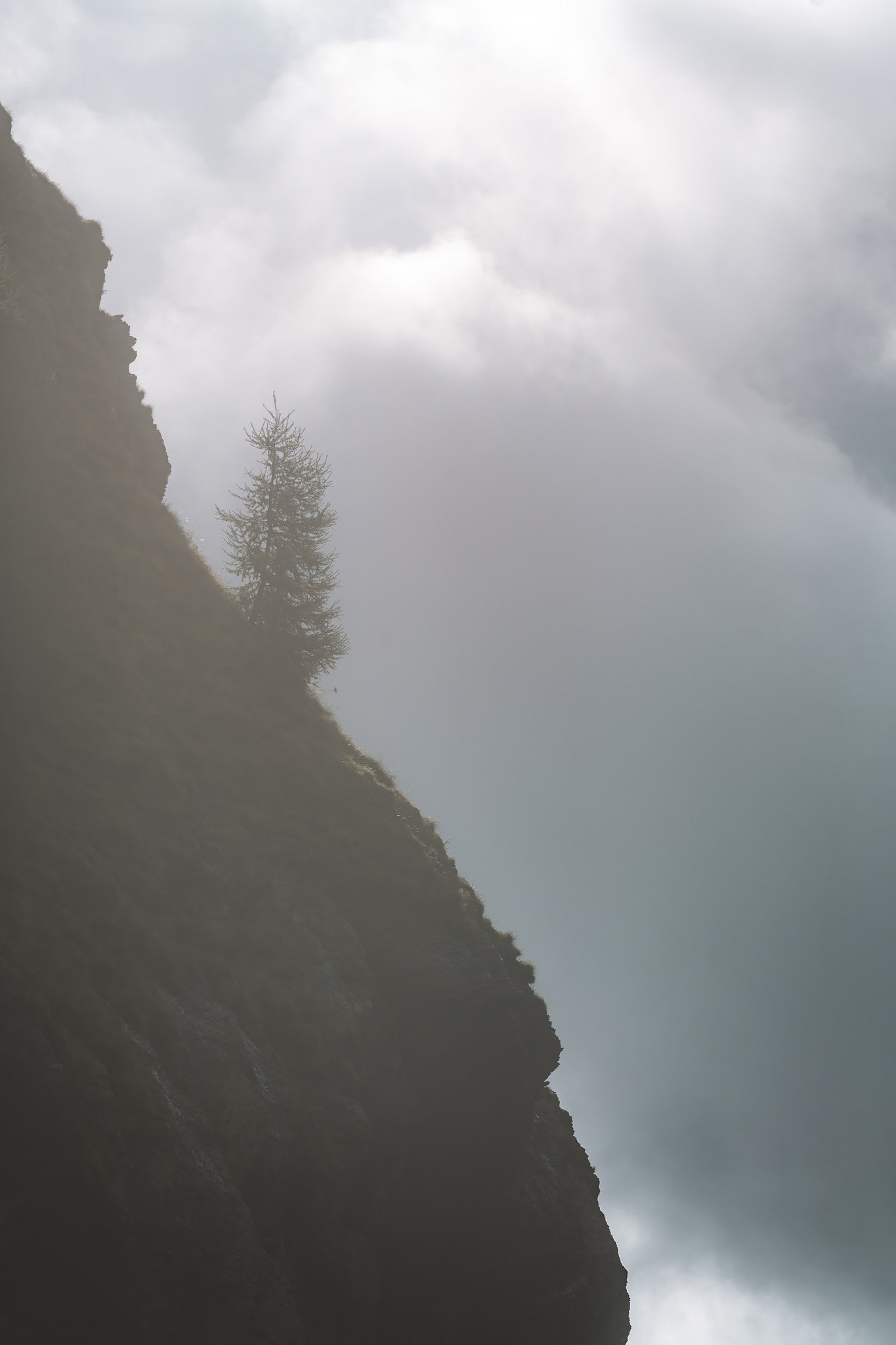
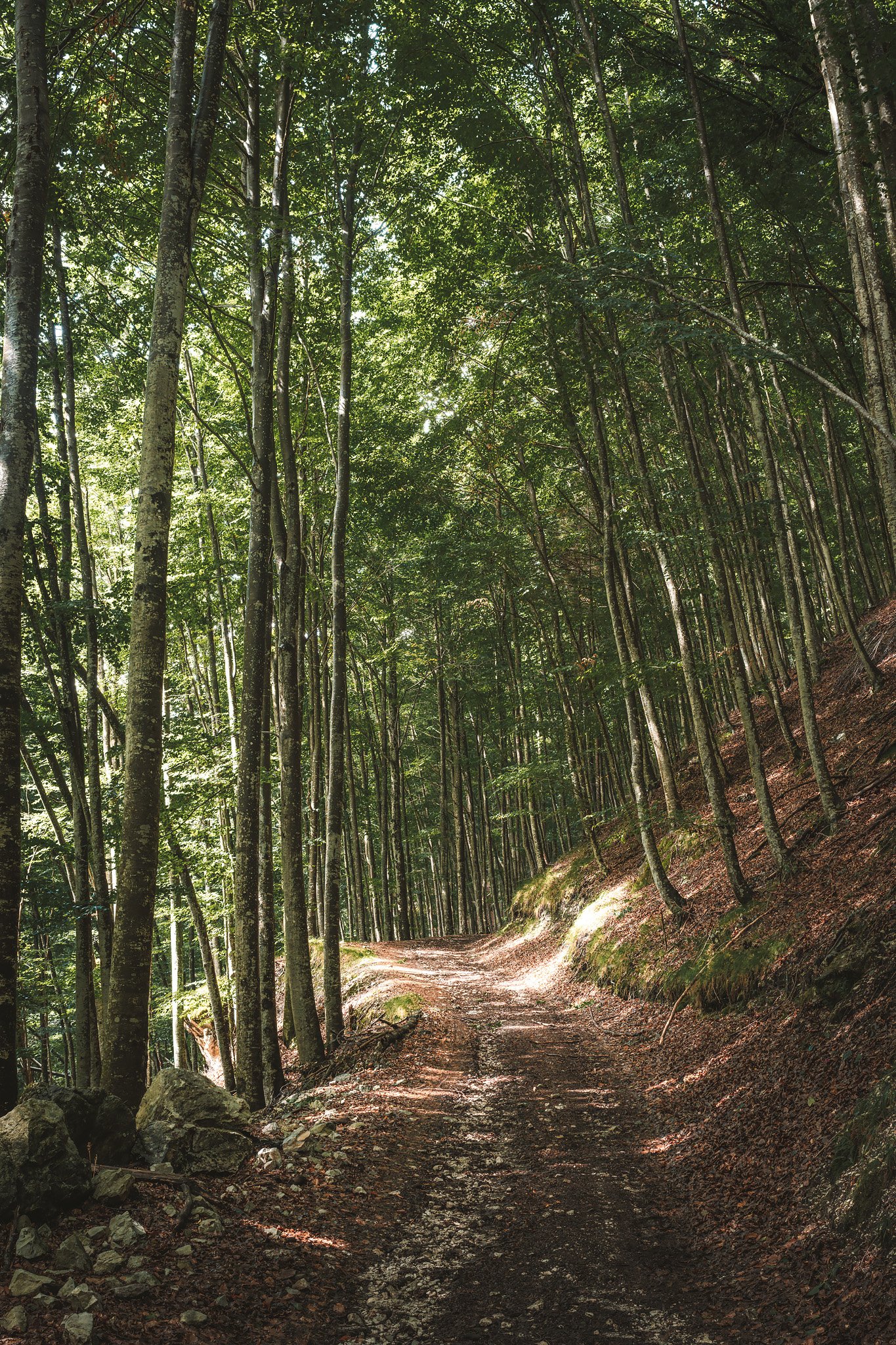
The forest reflects that change, beech and larch cover the slopes, forming a thicker, more continuous canopy. The terrain feels deeper and more enclosed, almost primal.
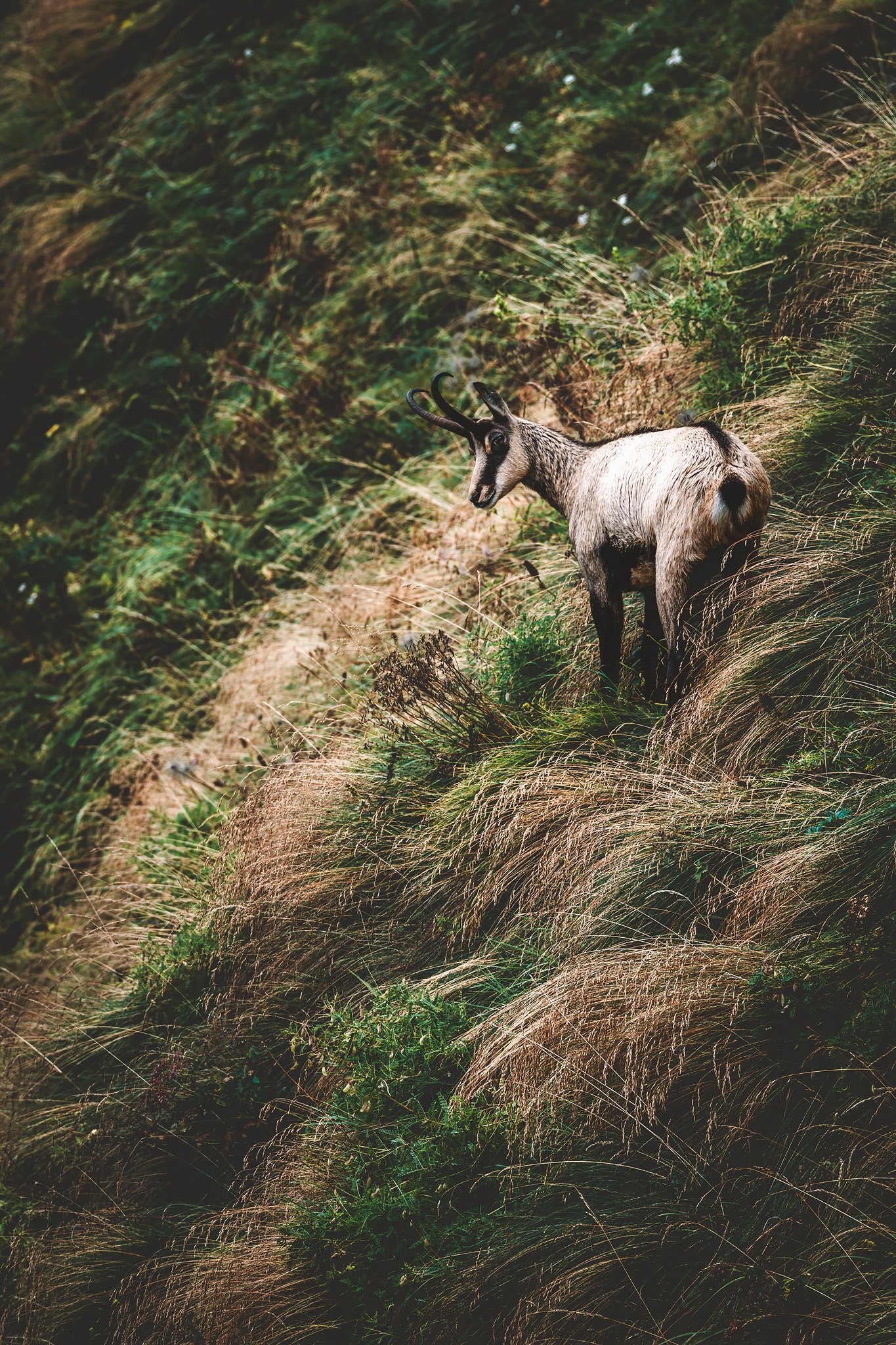
And then a chamois appears. Then several make their way where the one I saw first was.
Before seeing them, I had been hearing something, sharp, high-pitched calls echoing across the rock. At first, it sounded like a bird, something like an eagle. But it wasn’t, it was them. I manage to take a picture of one of them, he stops in front of me, and repeats the call. What a moment to remember!
They move across the slopes with complete ease, triggering small cascades of falling stones as they run. The sound carries far and unmistakable.
This part of the Dolomites feels different. Not less impressive, simply less controlled and wilder.
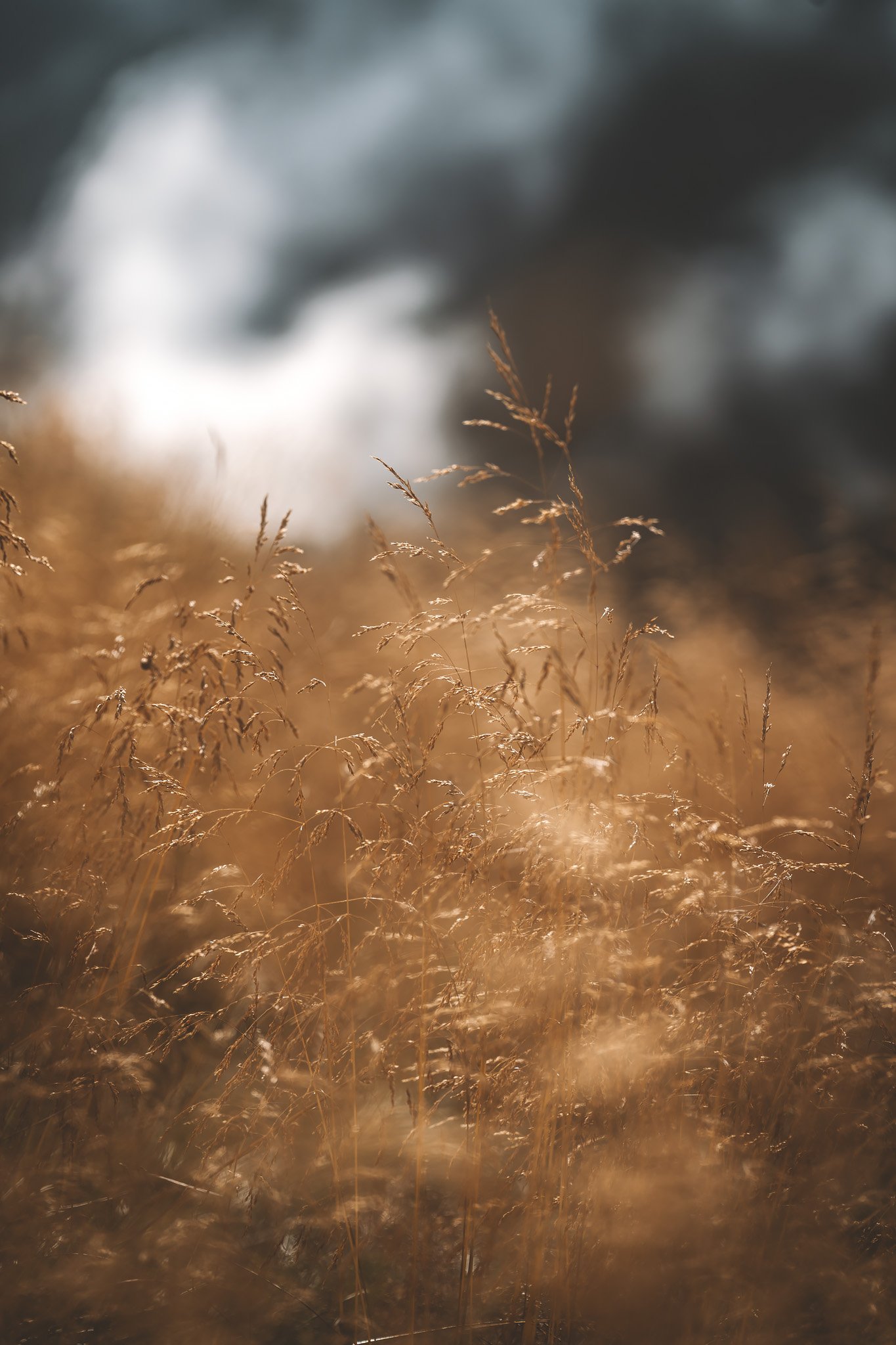
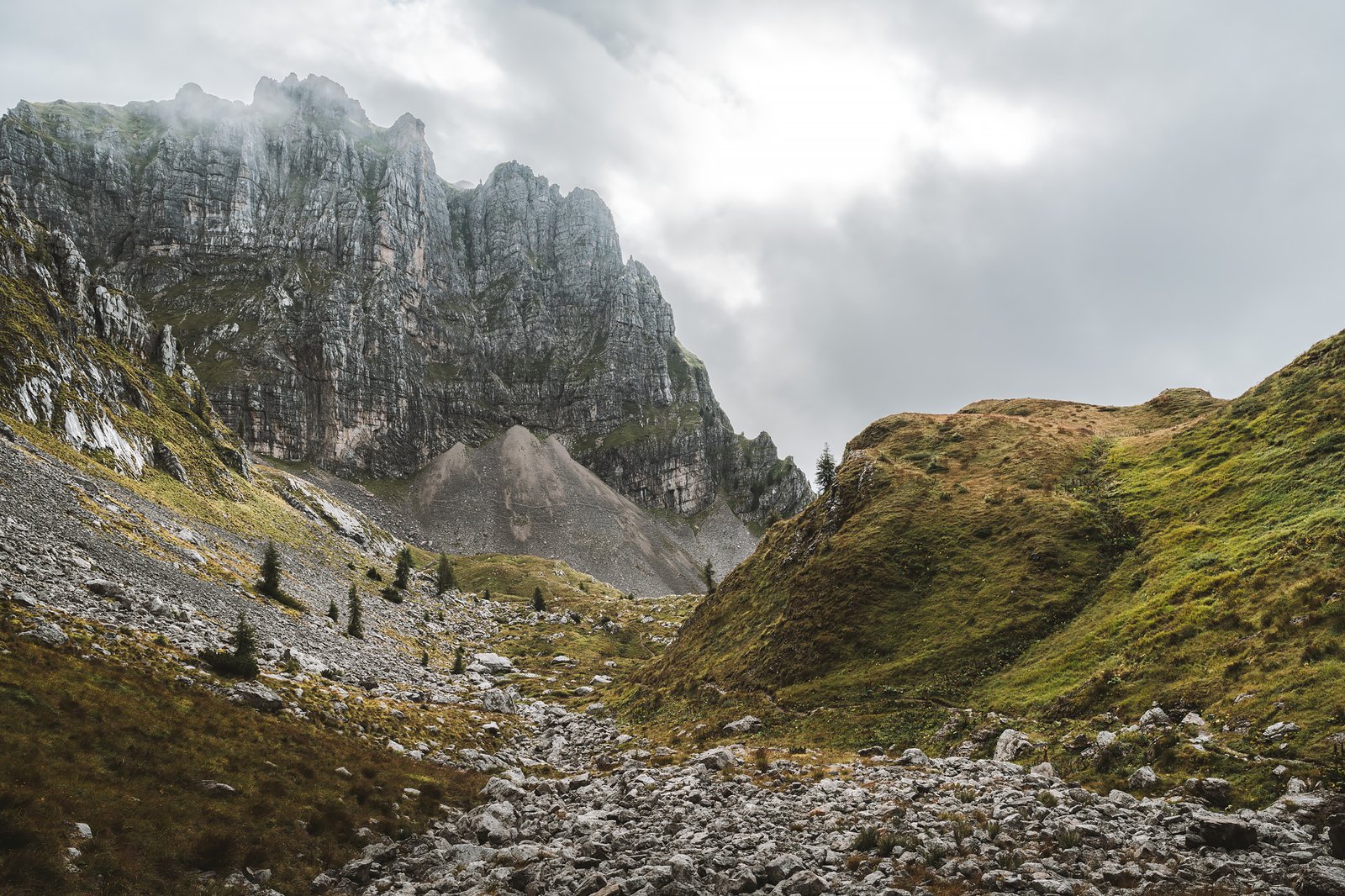
The Bellunesi Forest and the Final Descent
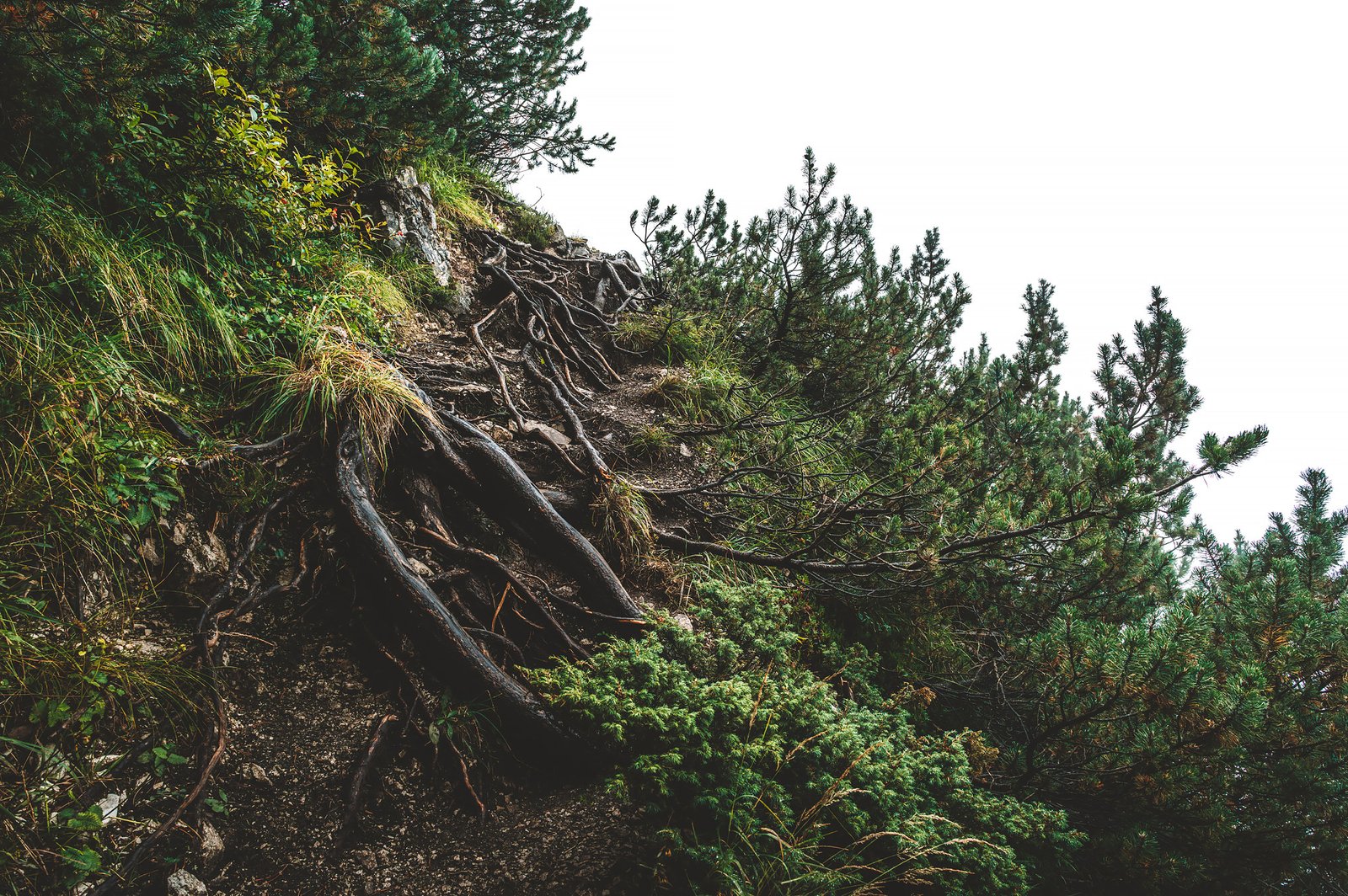
As the descent continues, the forest becomes denser. Roots cross the trail in irregular patterns. The ground shifts constantly, mud and exposed roots. The terrain demands attention again, but in a different way. Less exposure and more instability.
Light filters unevenly through the trees, but occasionally, it breaks through.
Near Rifugio Pian de Fontana, the sun finally reaches the slopes. After days of changing conditions, the light feels direct and the landscape sharpens again.
After a short capuccino break, Szymon, who was still asleep when I left, entered the rifugio. He would then catch me again after a few kilometres, just to disappear into the wilderness of teh Bellunesi.
The last section toward La Pissa is long and continuous.
The forest remains and surrounds the last rifugio before the end of the trek, Bianchet. The path becomes steeper and more technical. In places, footing is irregular. Roots and rocks force constant adjustment and the descent takes its toll cumulatively.
My right leg began to give in somewhere along the way. A slight limp at first, barely noticeable. Then more evident with each step. Over two thousand meters of descent in a single day begin to take their toll.
The final section is steep, slippery and uneven. It is the kind of terrain that demands attention, even when the body is already exhausted. And then, suddenly, it ends. The road appears.
I was just in time for the last bus of the morning to Belluno. Szymon was there, waiting, smiling, happy to see that I made it. The trail dissolved into infrastructure, movement became direction again, and we shared the understanding that something had just finished.
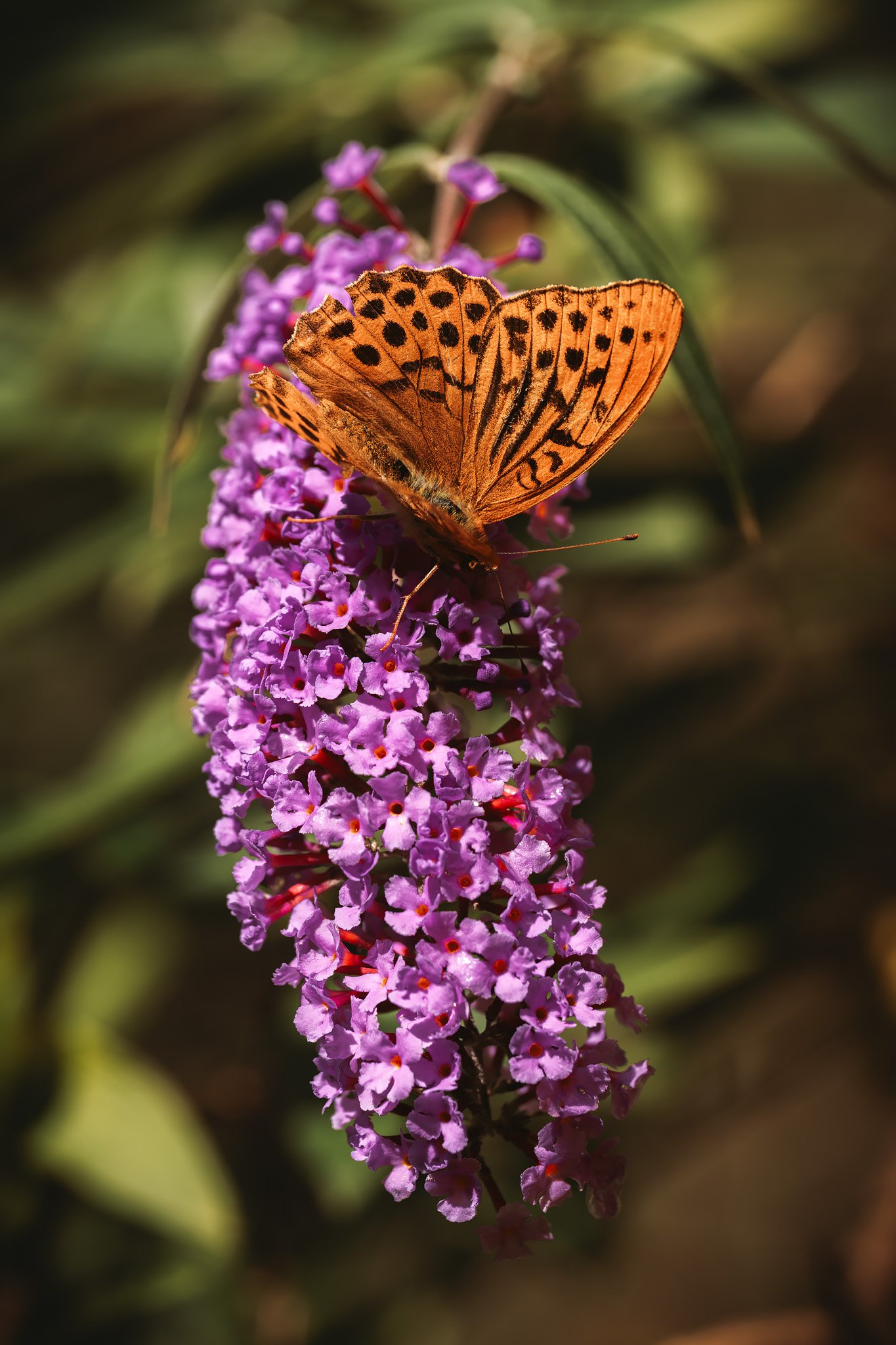
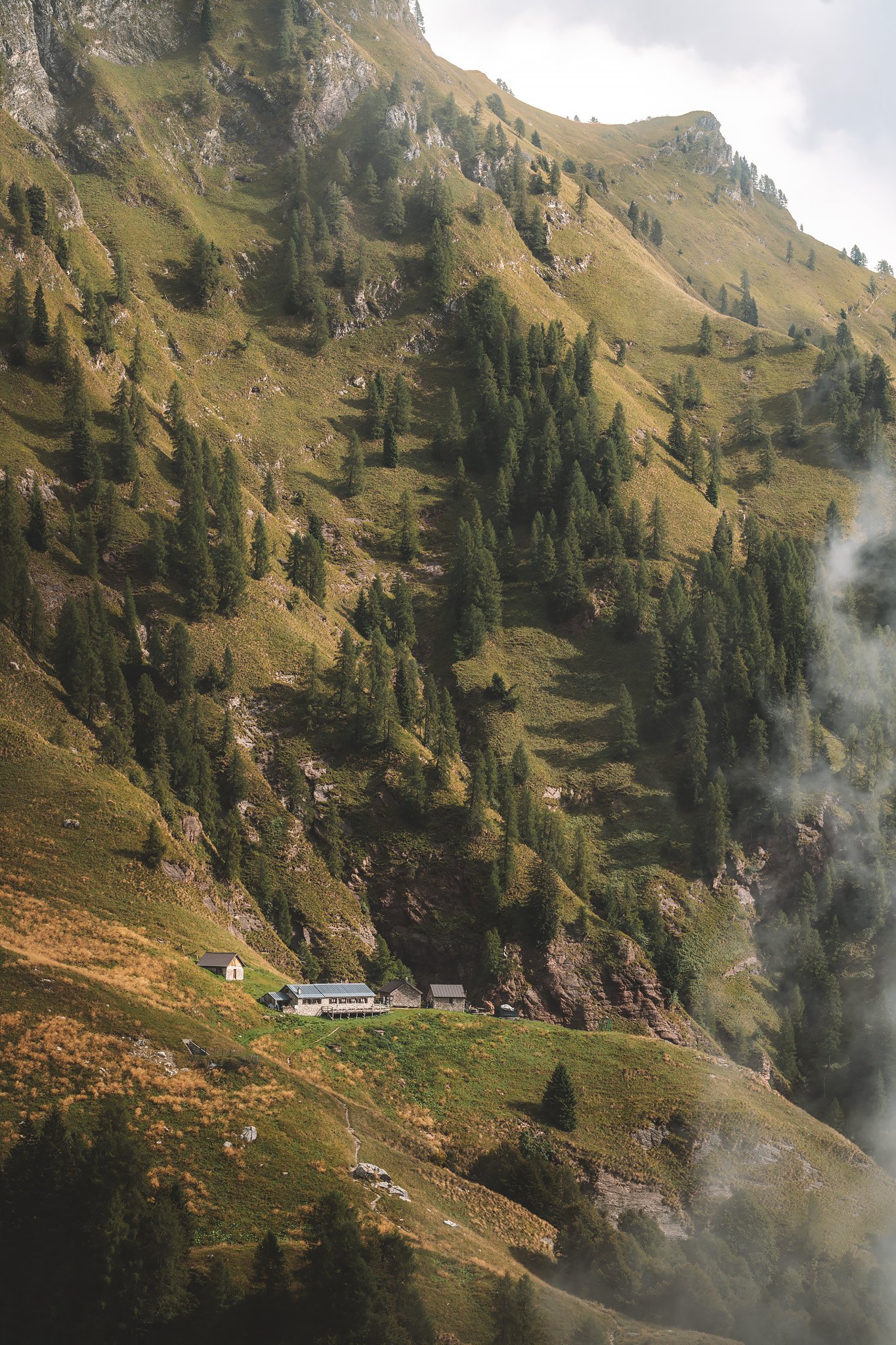
Belluno
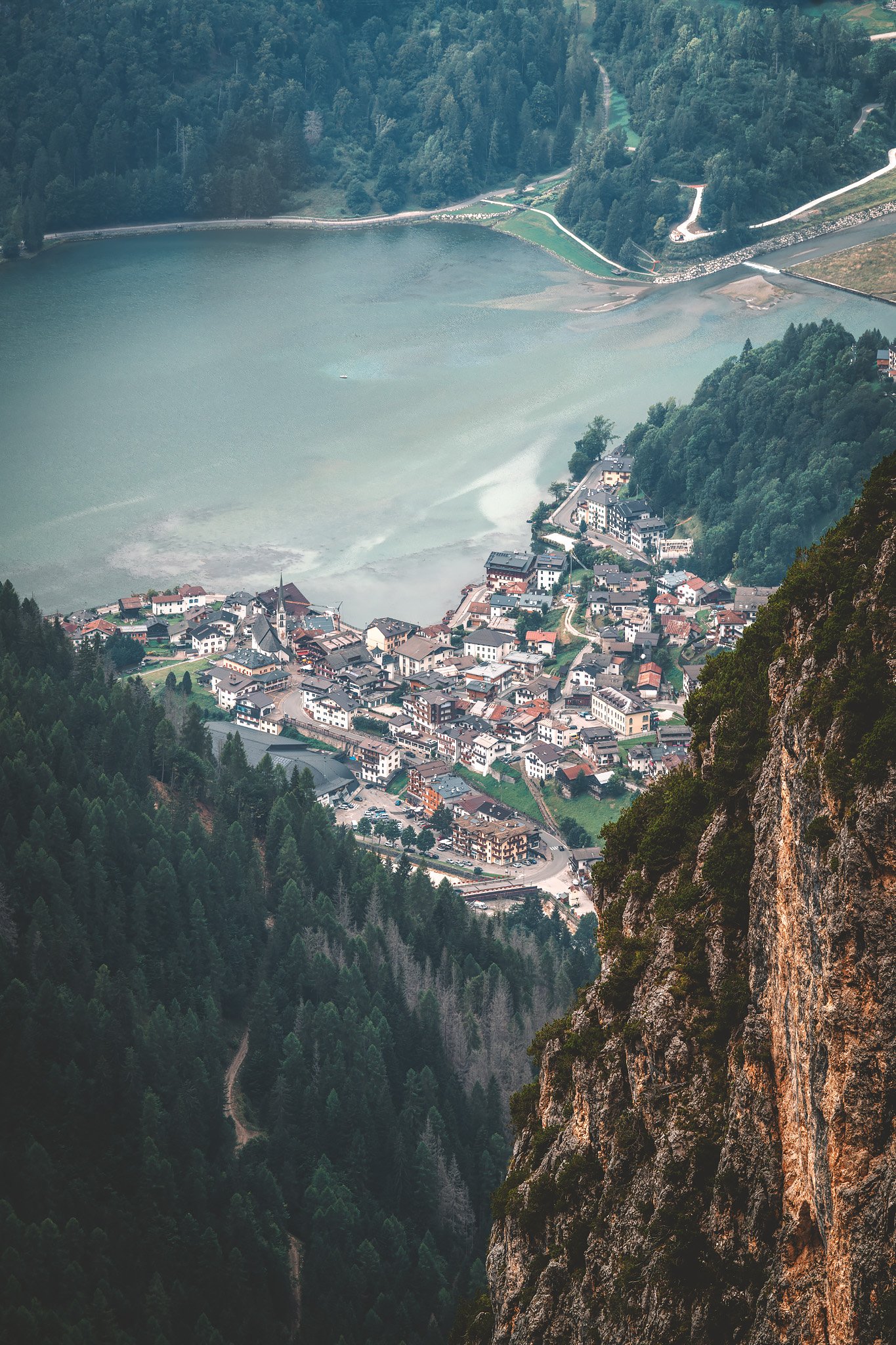
The bus ride to Belluno from La Pissa takes about 45 minutes. The town feels different. Larger than Dobbiaco, but quieter in a different way. Less influenced by tourists and more by everyday life.
Closer to the southern edge of the Dolomites, it feels like Italy again. The rhythm changes. Cafés, shops and conversations unrelated to the mountains. A place to rest, to eat, to wash, to dry everything that had been soaked for days.
And to think. To think about whether the journey is complete, or whether something still remains.
The last few days of this trip have been quieter, less dramatic. Not as much “iconic” action, but they finish the journey.
They show another aspect of Alta Via 1 that does not rely on peak experiences; it relies on the flow of the trail, on the weather, on your tenacity. And some time in that long walk down, you get so caught up in the details of walking and looking at everything, that the act of walking becomes something you’ve done, rather than something you’re doing.
Or almost.