

Madagascar. Part VI: Ranomafana
We left Antsirabe the next morning. Only four days earlier, we’d watched the sun set behind ancient Baobabs and walked through forest where every tree had dropped its leaves for the dry season. We’d also cross miles of dirt road, travel down riverways in wooden pirogues and climb up steep limestone peaks.
Now the terrain was changing once again.
As the road continued to climb further to the south, the flat lands of the West began to disappear from view. Rice paddies stretched out across whole valleys, eucalyptus plantations blanketed hillside after hillside and villages were becoming more common. Water ran under bridges that had run dry in Menabe, while patches of green forest were reclaiming the slopes. The transformation happened fast!
Madagascar is depicted as a singular large island on maps. Yet traveling across Madagascar is a vastly different story. There are extreme variations in climate, elevation and geology occurring over relatively short distances resulting in unique eco-systems which seem like two completely different countries rather than opposing ends of the same island.
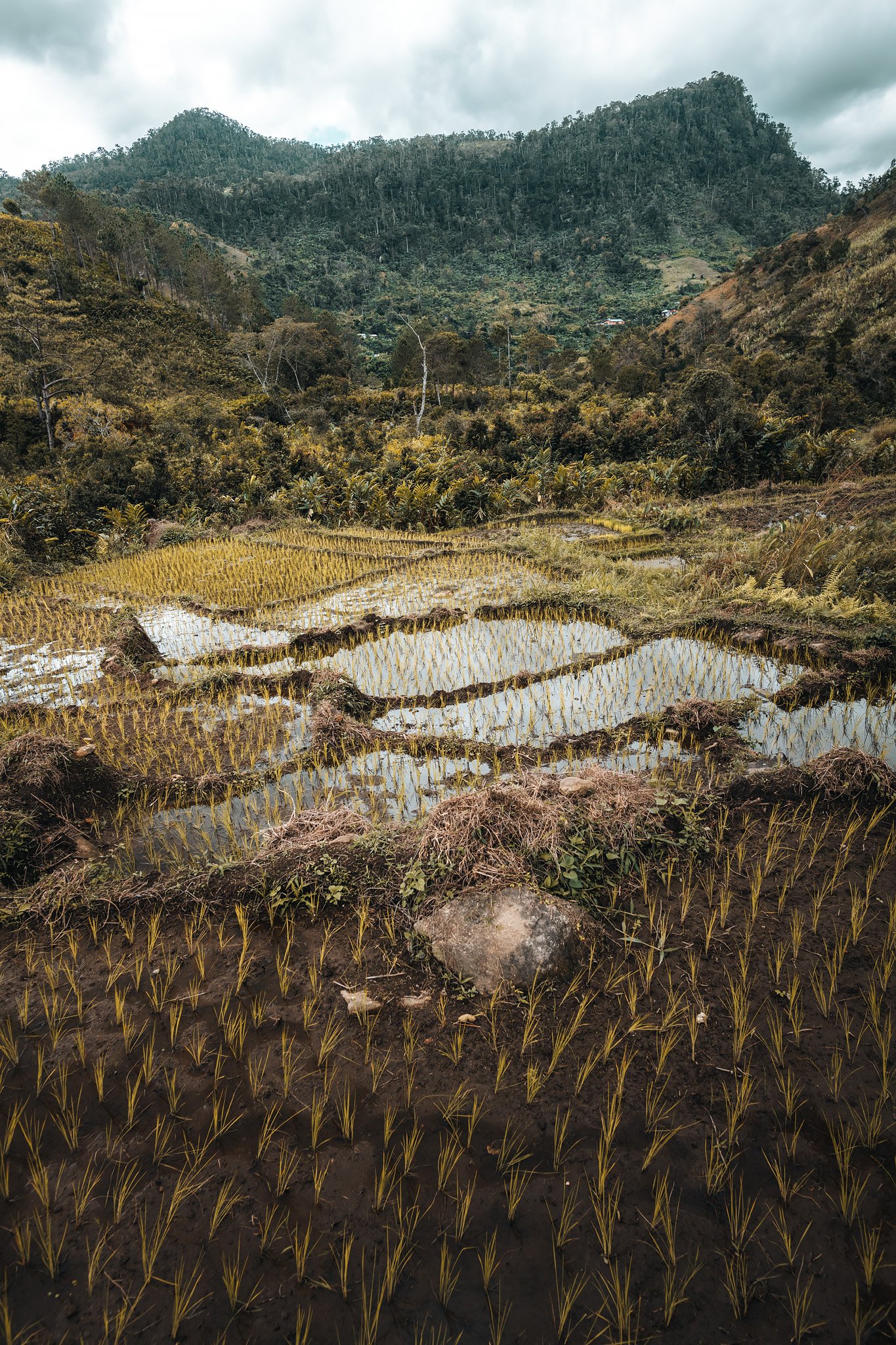
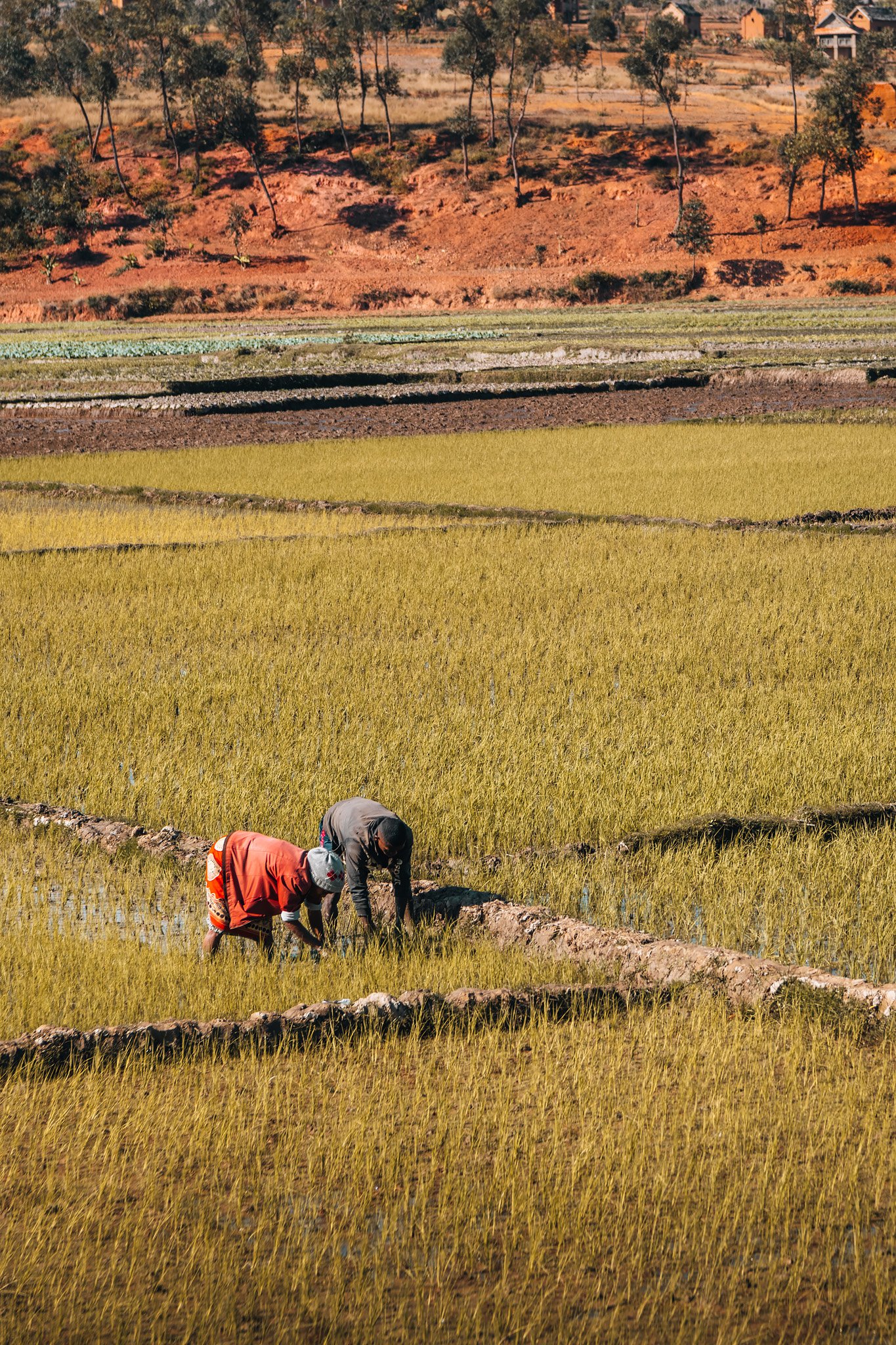
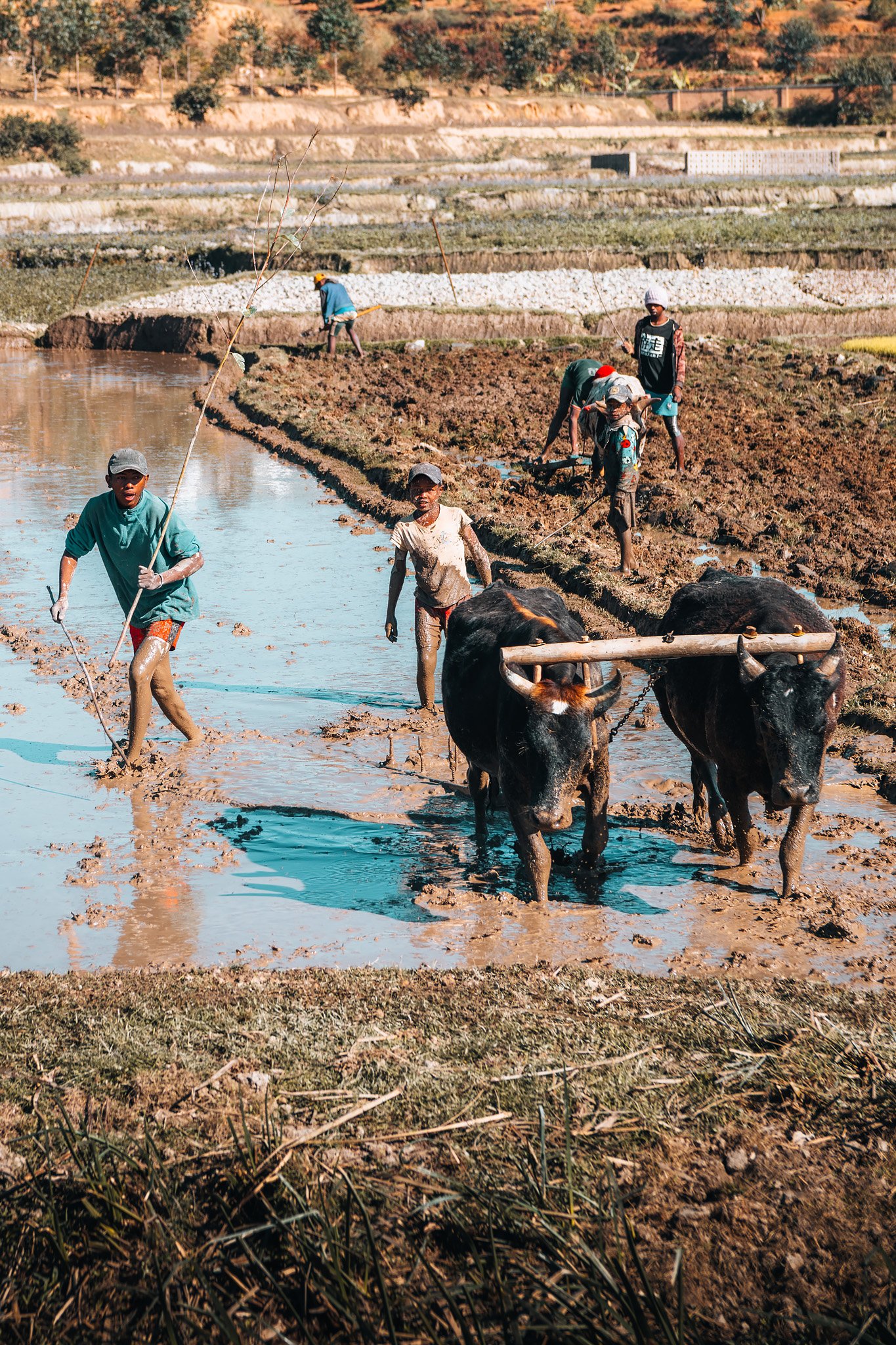
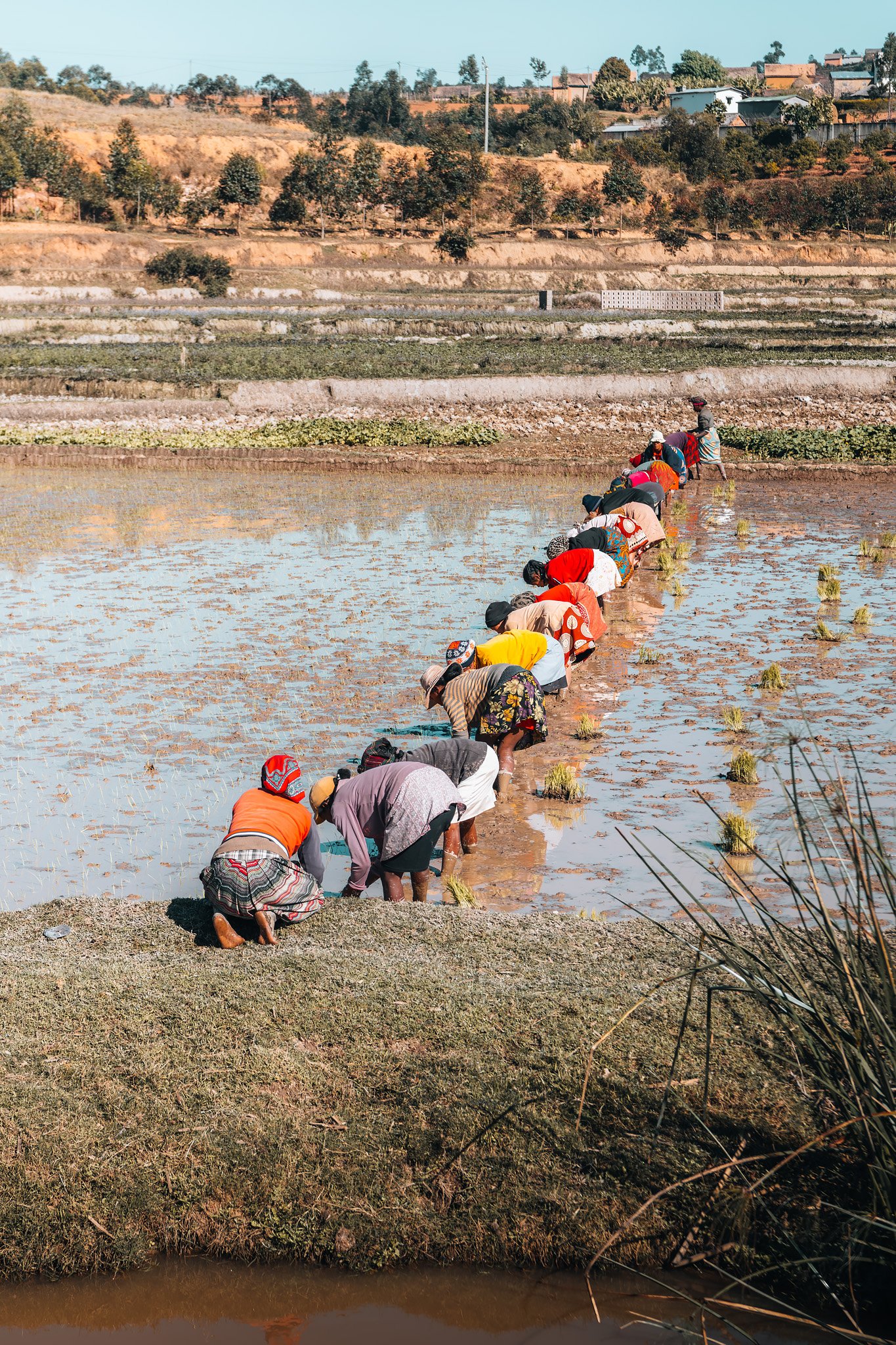
The central Highlands area of Madagascar contains some of the highest population densities anywhere in the country. Most every square metre of land appeared to be cultivated. Hill sides were developed into intricately stepped rice paddies, vegetable gardens and small orchards, and farmers worked extremely small areas using farming methods that have changed very little over centuries. Rice is much more than just Madagascar’s main source of nutrition. Its influence extends into people’s daily routine, local economies and even cultural traditions. Each town we drove through seemed to center around their crops, and even the tiniest valley had been expertly designed to capture precious water.
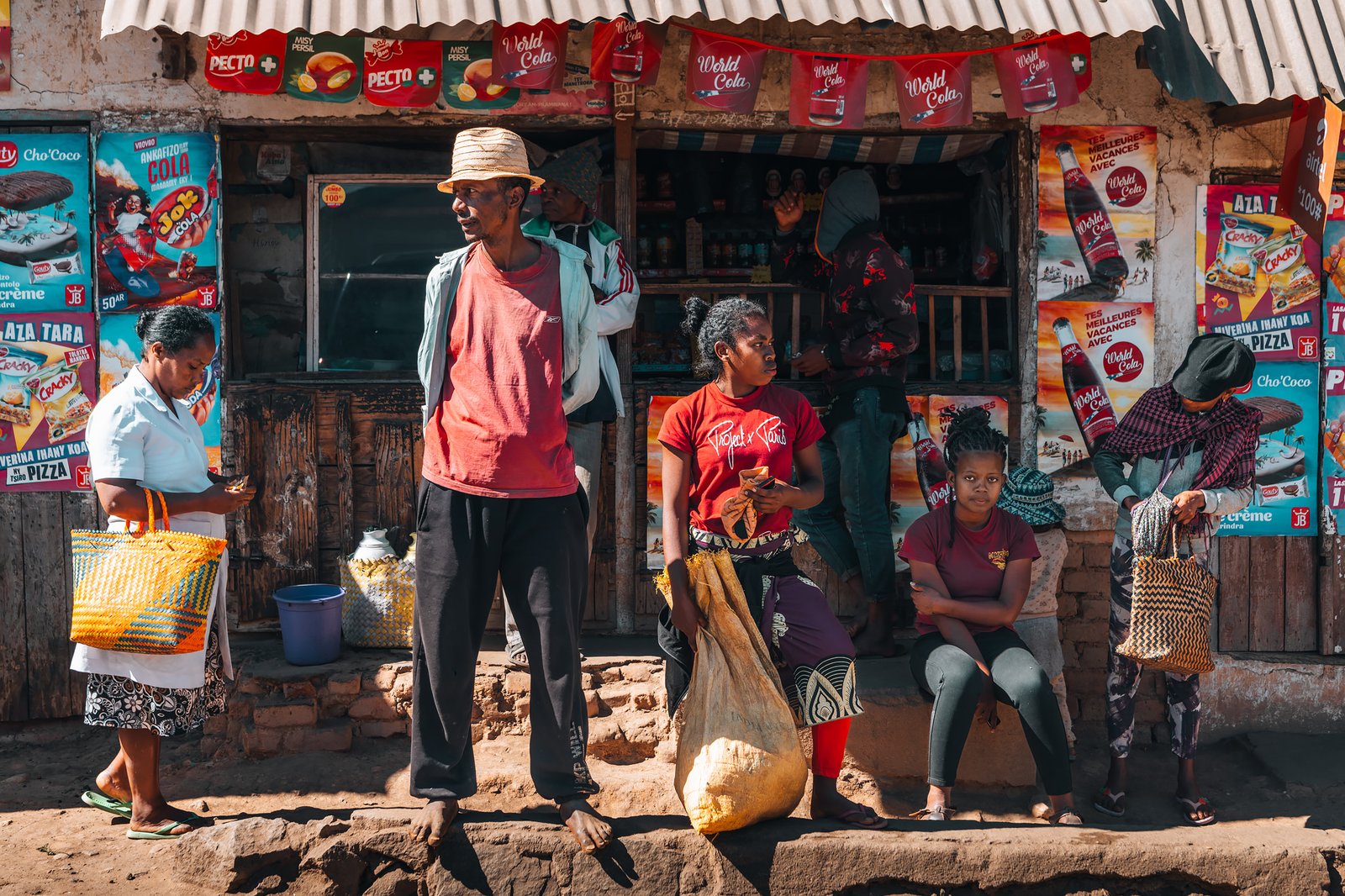
Life was everywhere unlike in the remote and sparsely populated west. School children wearing colorful uniforms strolled along side the road in groups. Women carried baskets filled with produce or bundles of firewood easily on their heads. Road side vendors sold bananas, cassava, Llychee and neat stacks of tomatoes awaiting travelers who pass by. The road provided a window into everyday life in Madagascar.
By the time we reached Ranomafana, the dust that followed us throughout western Madagascar was gone. The air felt different too, much cooler and denser.
A Forest Reborn
Ranomafana, which translates in the local language to “Hot water” or “Hot Spring” owes its existence to similar processes as those which formed Andasibe at the start of our trip.
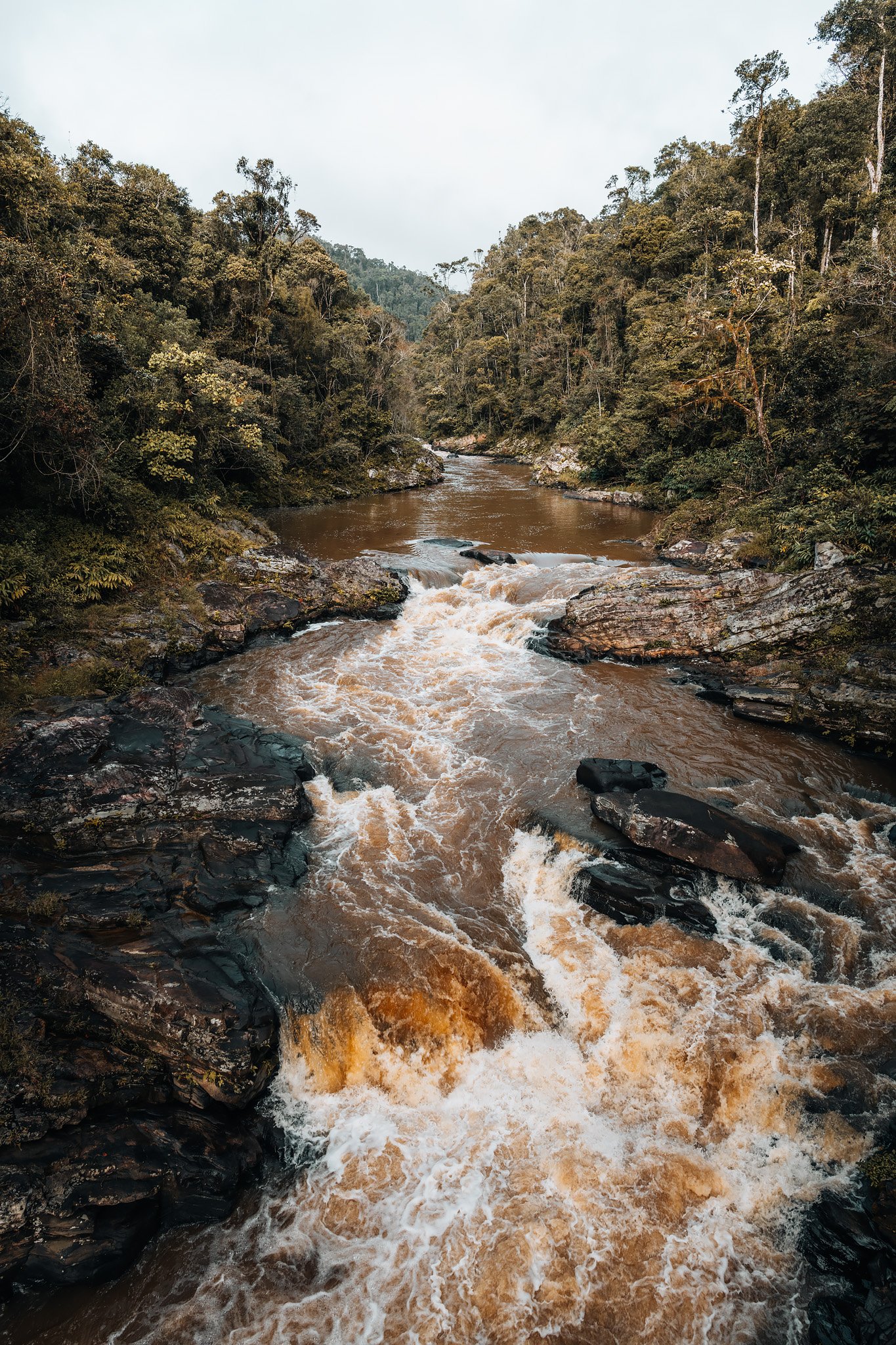
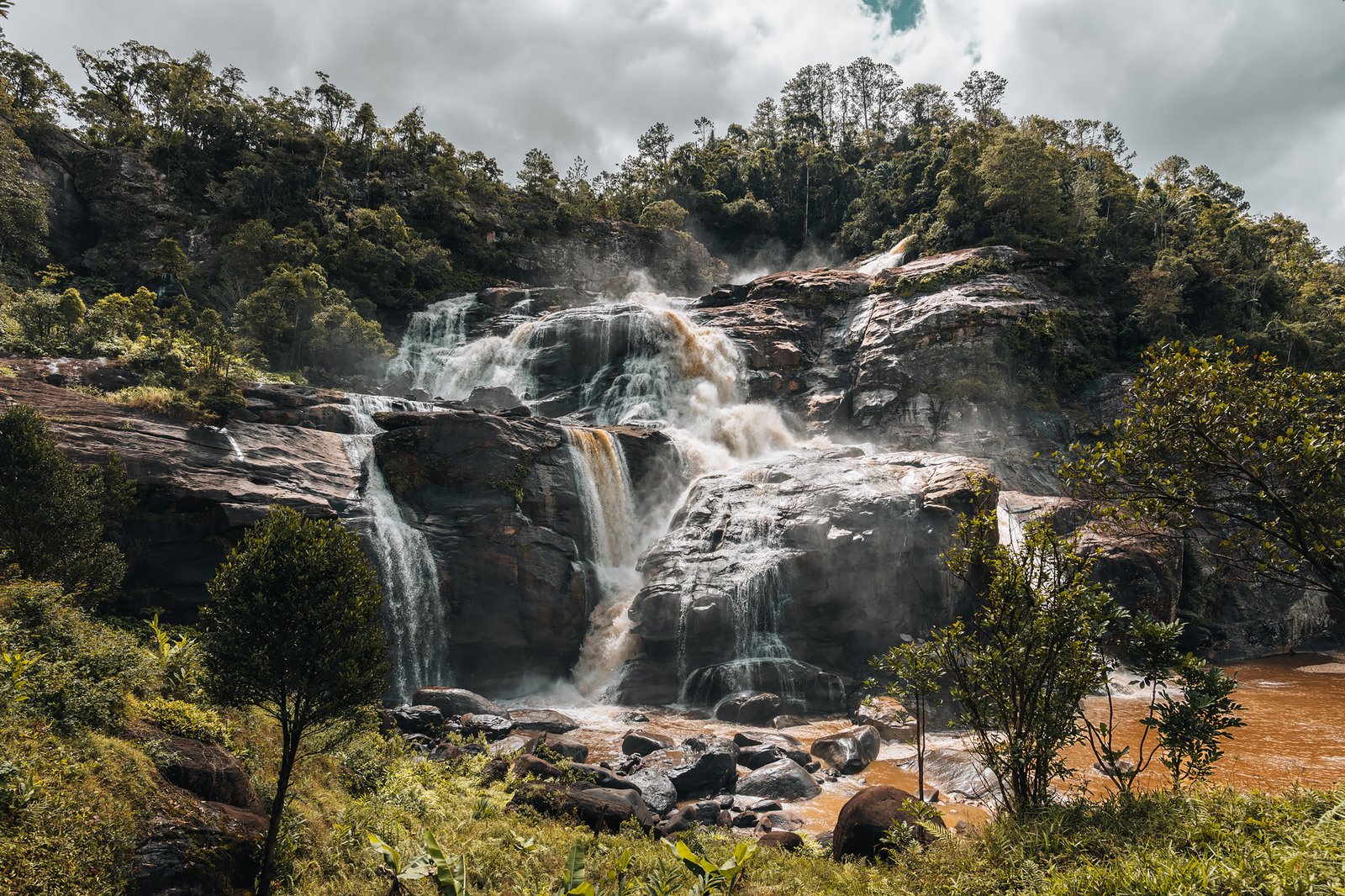
Moist ocean winds flowing inland off the Indian Ocean meet Madagascar’s eastern escarpment, cool as they climb and release tremendous amounts of precipitation. Year after year. Century after century. These processes have supported one of the island’s most fertile rainforest environments.
However, Ranomafana is not merely another protected forest. Its history is quite recent.
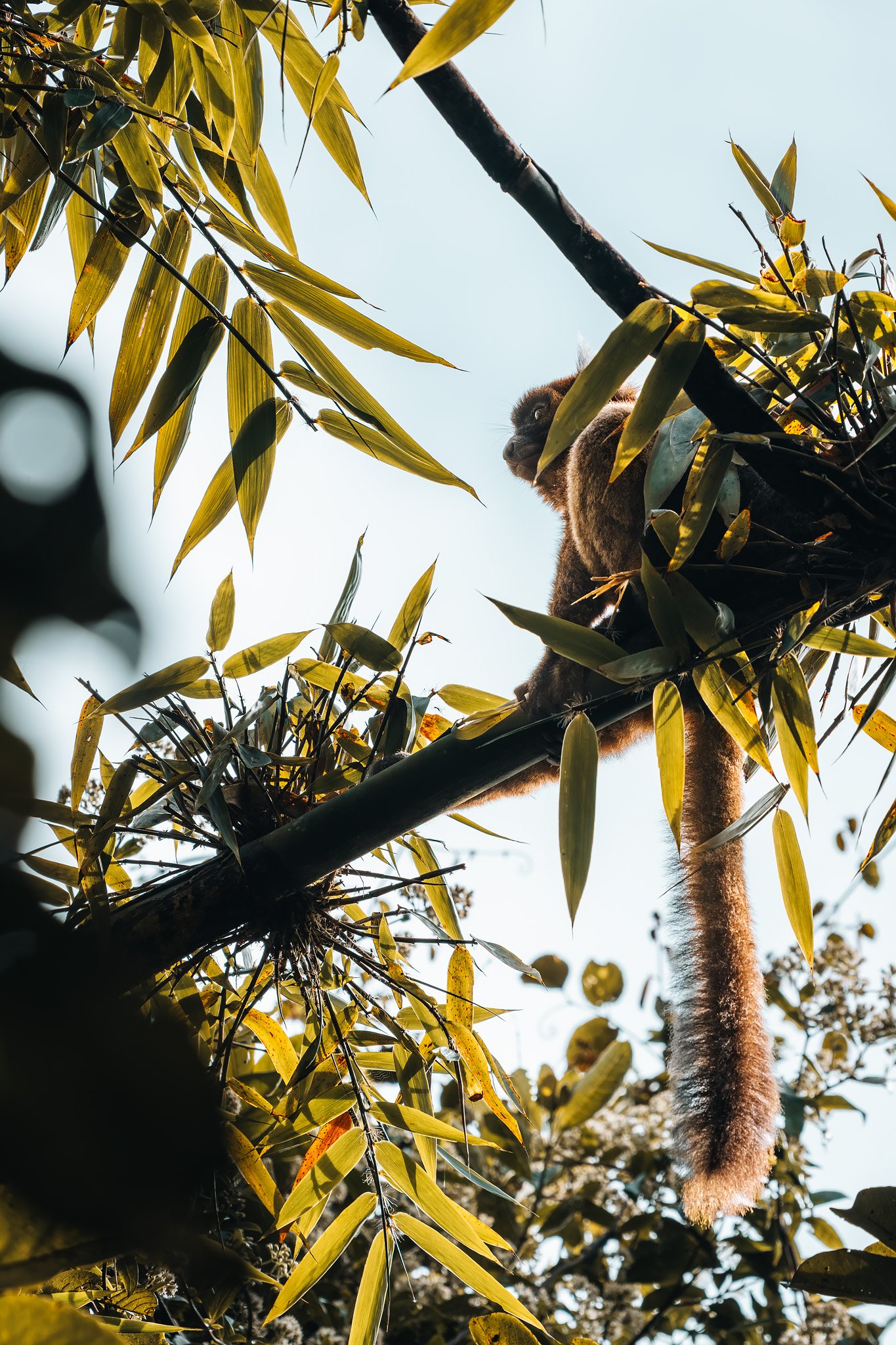
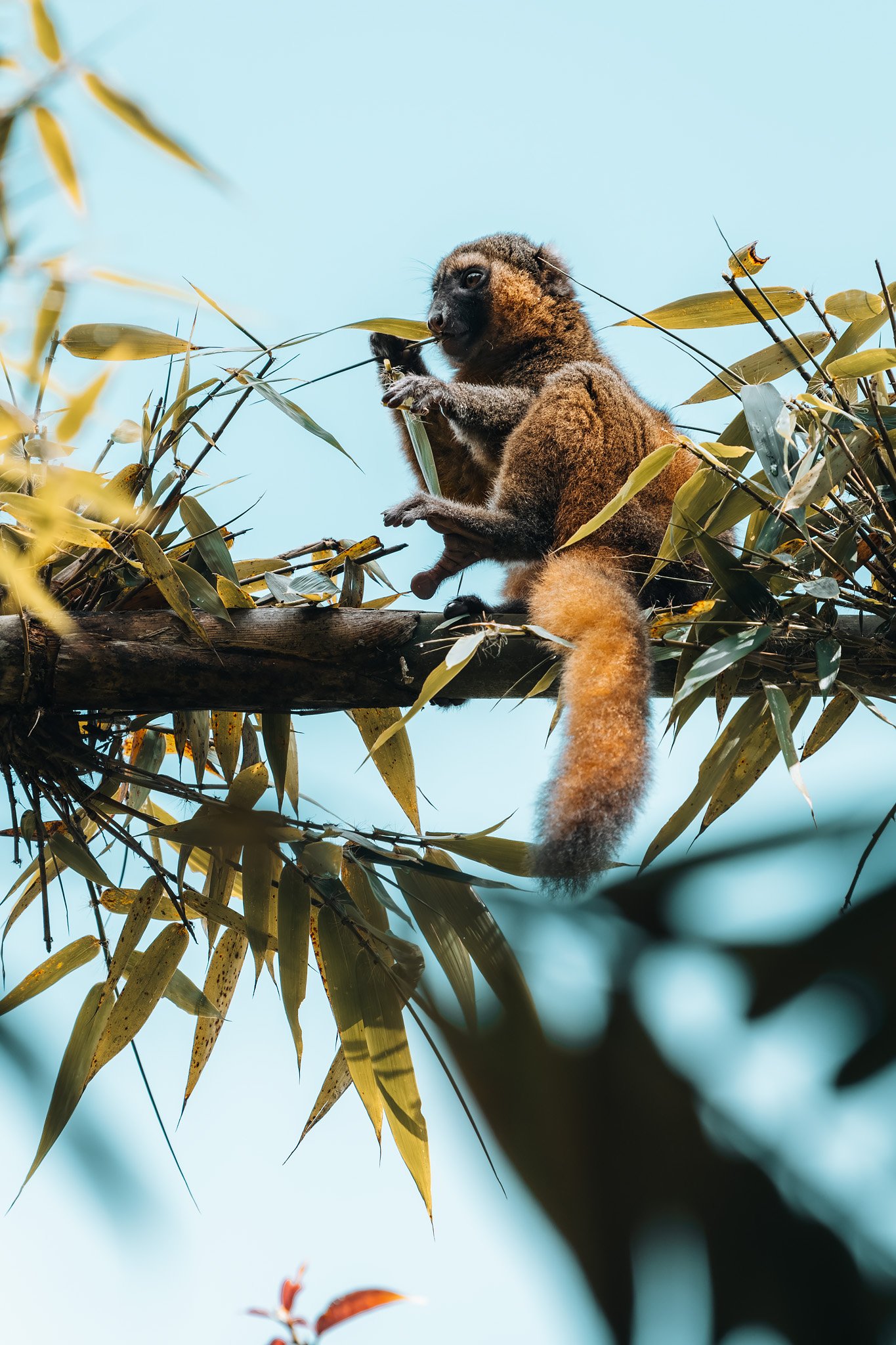
In 1986, scientists made one of the most surprising zoological discoveries of the twentieth century when they identified a hitherto unknown primate inhabiting these forests, The Golden Bamboo Lemur. When Madagascar’s mammals were already thought to be reasonably well studied, finding a completely new lemur species surprised the scientific community and emphasized the biological value of the area.
Not long after that discovery, the Malagasy Government created Ranomafana National Park and protected over 40,000 ha of Montane Rainforest. Today, Ranomafana is part of the UNESCO-designated “Rainforests of the Atsinanana,” recognized as one of the world’s most important Biodiversity Hot Spots.
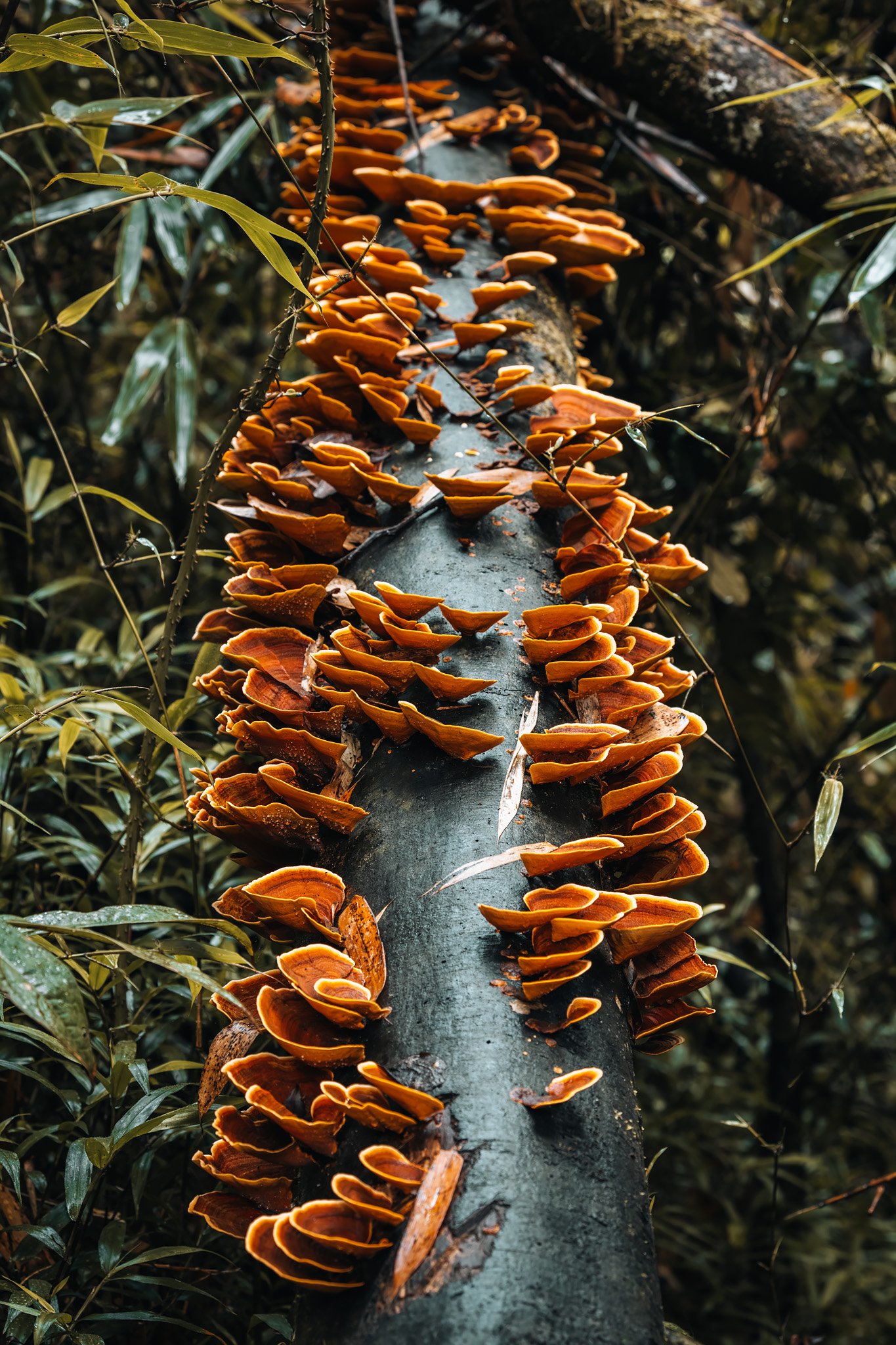
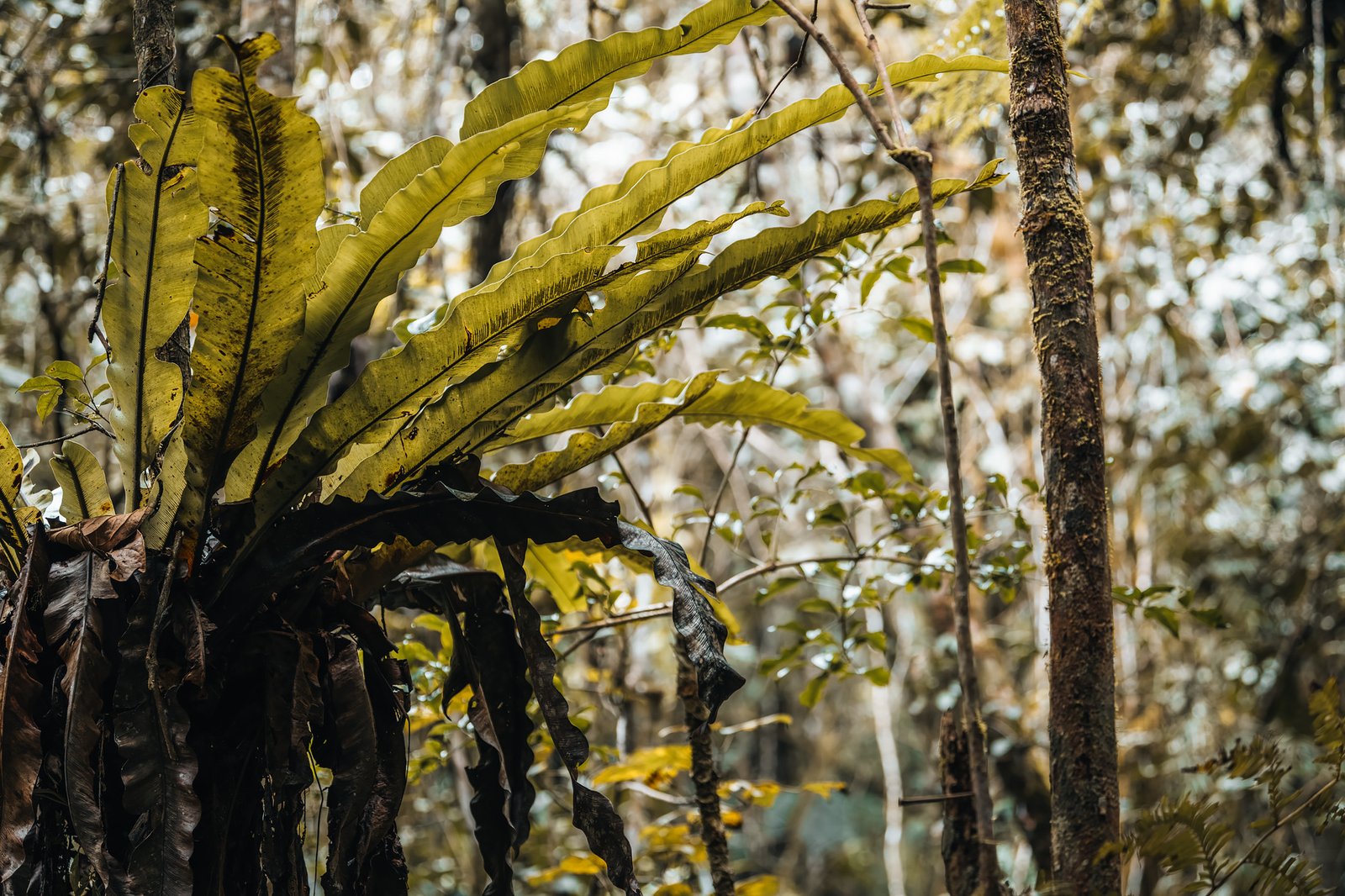
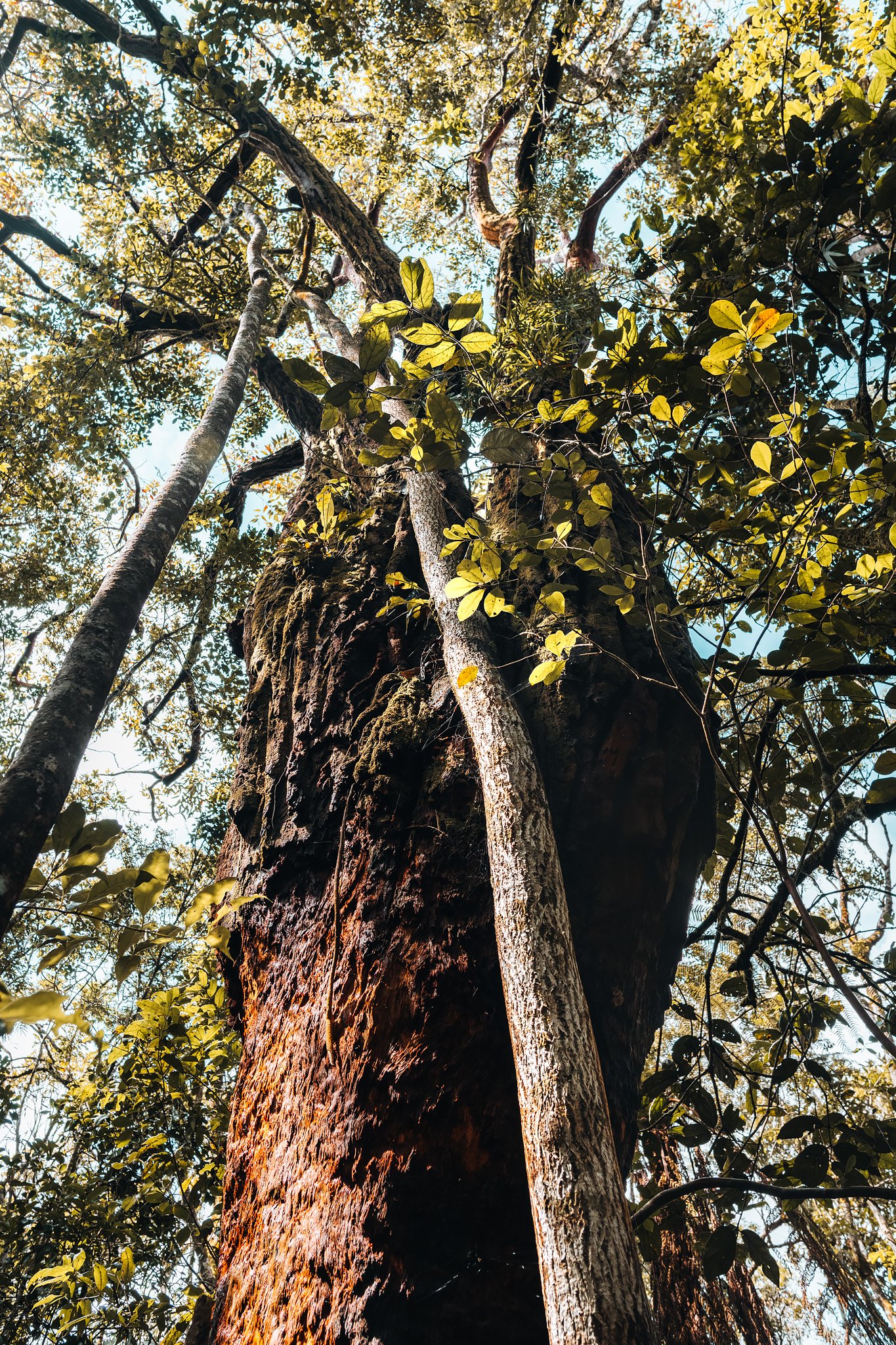
Underneath its canopy it quickly became apparent why. While sunlight penetrated nearly every corner of the forest floor at Kirindy, Ranomafana encloses you underneath layers upon layers of superimposed vegetation. Tree ferns towered above the paths and vines dangled between gigantic trunks coated in mosses, lichens & orchids. Every branch on the forest floor seemed to carry another layer of growth.
None of it appeared dormant, all of it grew.
Rainforests tend to appear disorganized at first glance but all layers perform a specific ecological role. The tallest canopy trees compete for sunlight high above the forest floor and shrubs, ferns and young saplings exist below them in constant shade. Microorganisms (such as bacteria), fungi and countless other organisms rapidly recycle nutrients to ensure that poor mineral-rich soils will sustain incredible levels of biodiversity.
Rather than forming a single, interconnected environment, rainforests form multiple “vertical” worlds stacked above each other. Many animals never descend from the canopy and many live their lives among tree trunks, dense understory or leaf litter covering the ground. In fact, a single tree may provide habitat for dozens of different species without competing directly for the same resources.
This complexity helps explain why Madagascar’s rainforests are among the most biologically diverse locations on Earth.
Searching the Canopy
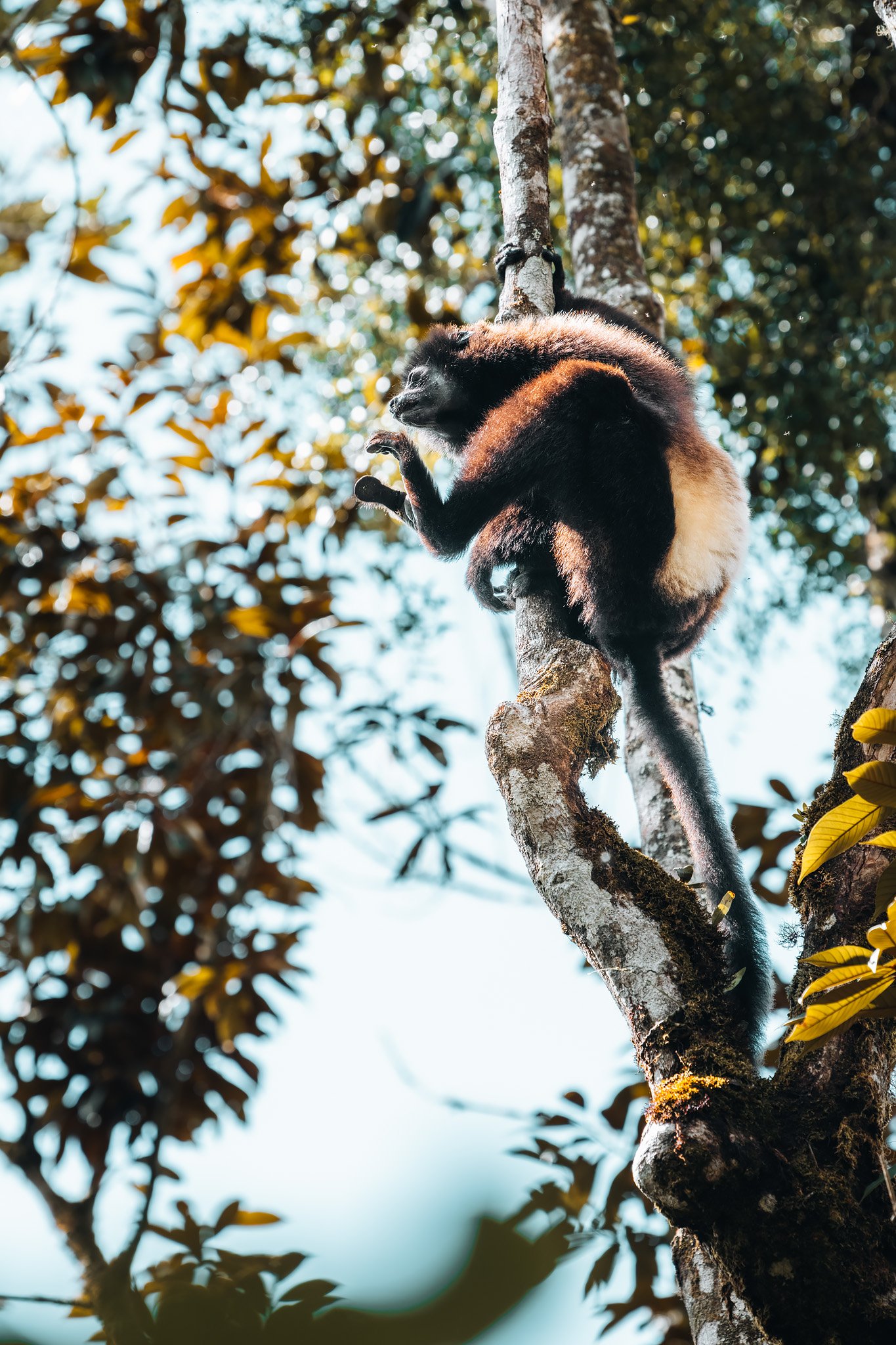
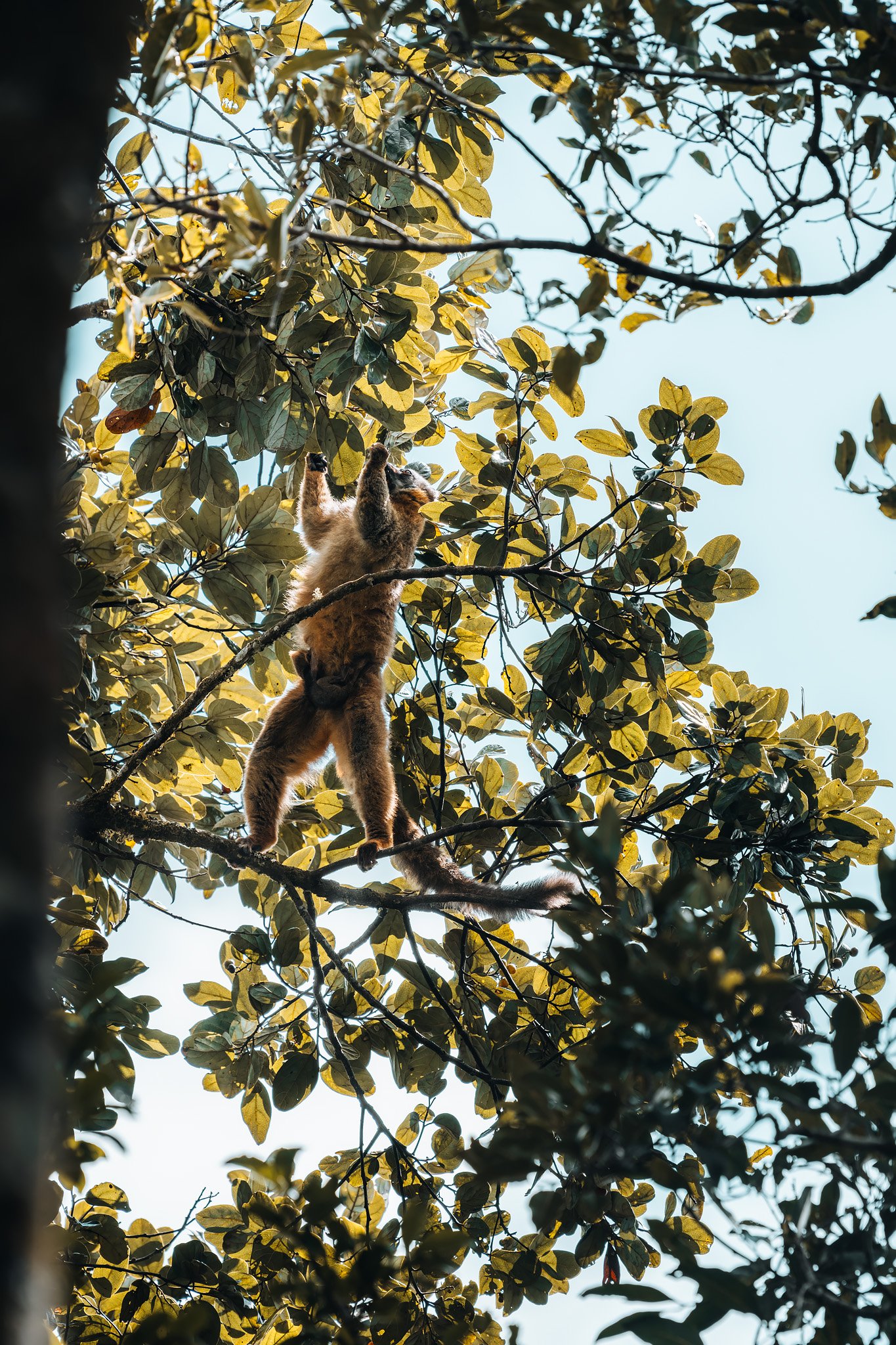
At first we didn’t see anything but leaves. However, as we watched the canopy, we started to notice shapes. A family of Milne-Edward’s Sifakas leaped from one tall tree to another. The way they jumped between the trees was unbelievable. There is a difference between the two species of sifakas. The sifakas of the drier forests of Western Madagascar are thin grayish brown. We had thick black and white coats because we live in cooler temperatures in the Eastern Highlands. The family of sifakas would disappear behind a curtain of foliage and reappear several meters away. This made them harder to track than I thought.
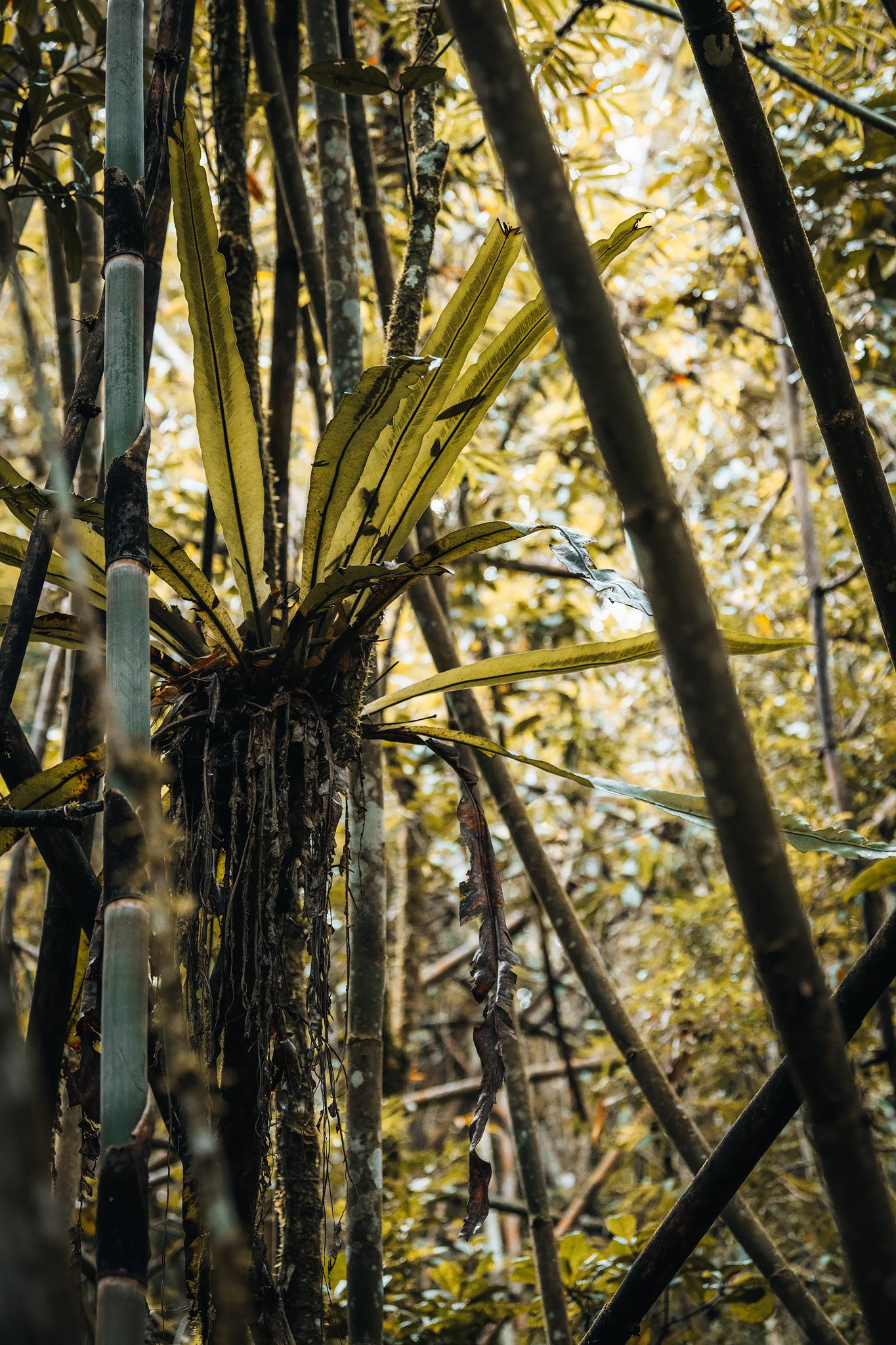
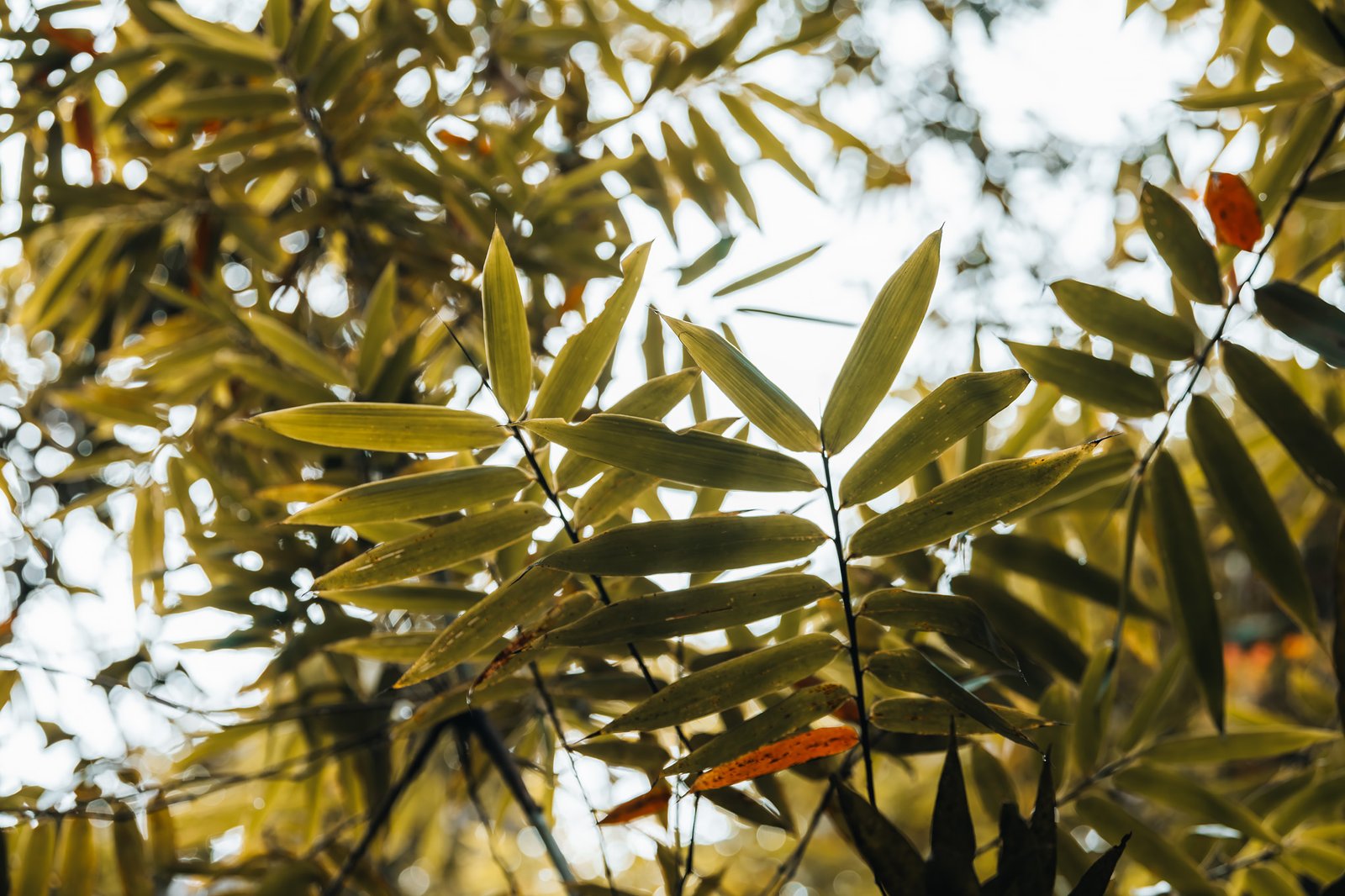
The forest we walked through was just as impressive as the wildlife. Large trees rose into the canopy and disappeared. The canopy was layered with mosses, lichens and ferns growing on top of each other. Giant bird’s nest ferns grew high above us while orchids and climbing vines wrapped around trunks that were hundreds of years old. In some areas large bamboo stalks created green tunnels where the trail would disappear.
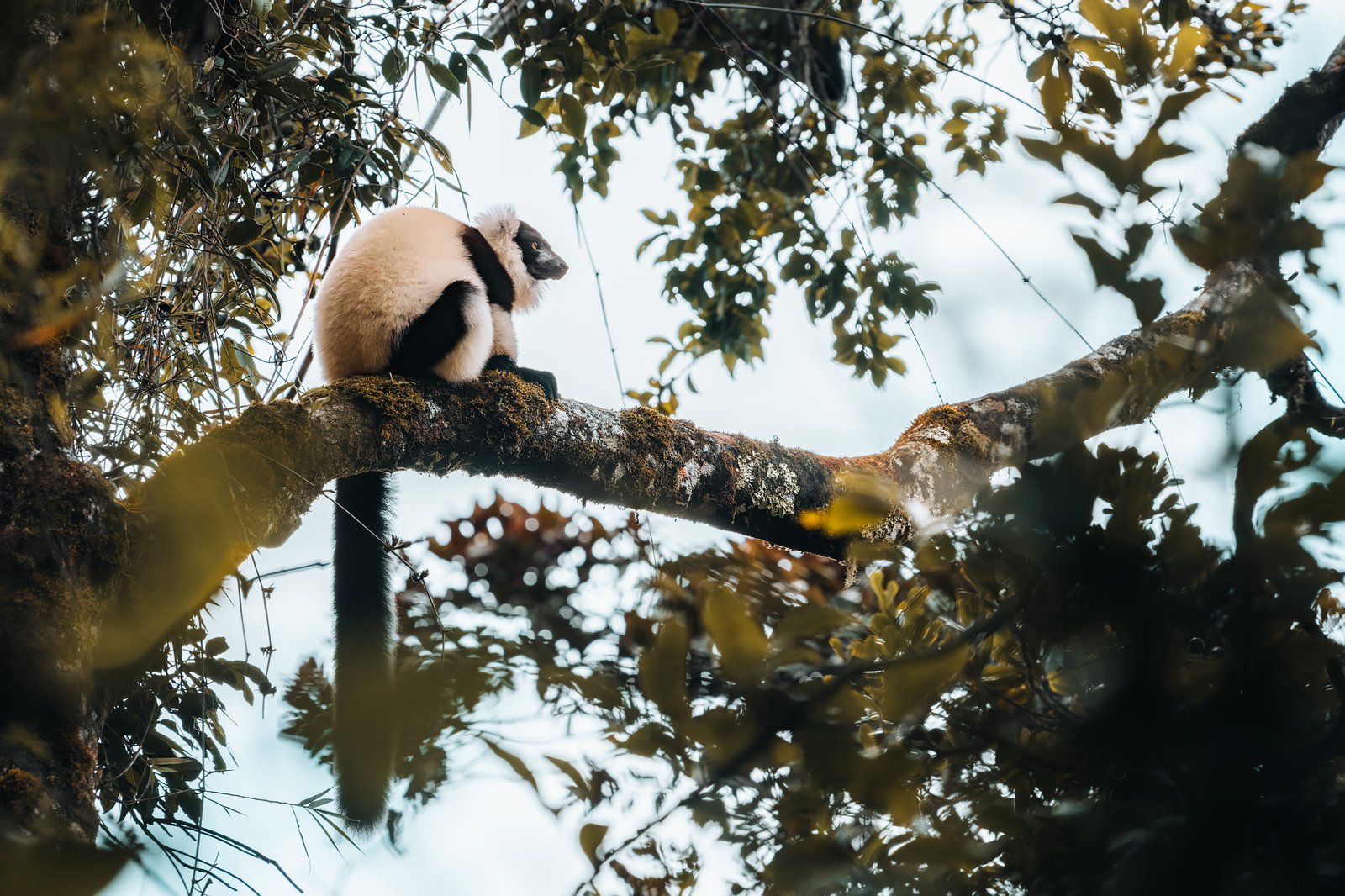
When we were tracking a group of Black-and-white ruffled lemurs, we were able to get close and watch them. They have beautiful coloration on their fur. Because of their size you wouldn’t think they would move well in the canopy. But once again, they moved quickly through the trees and vanished into the forest.
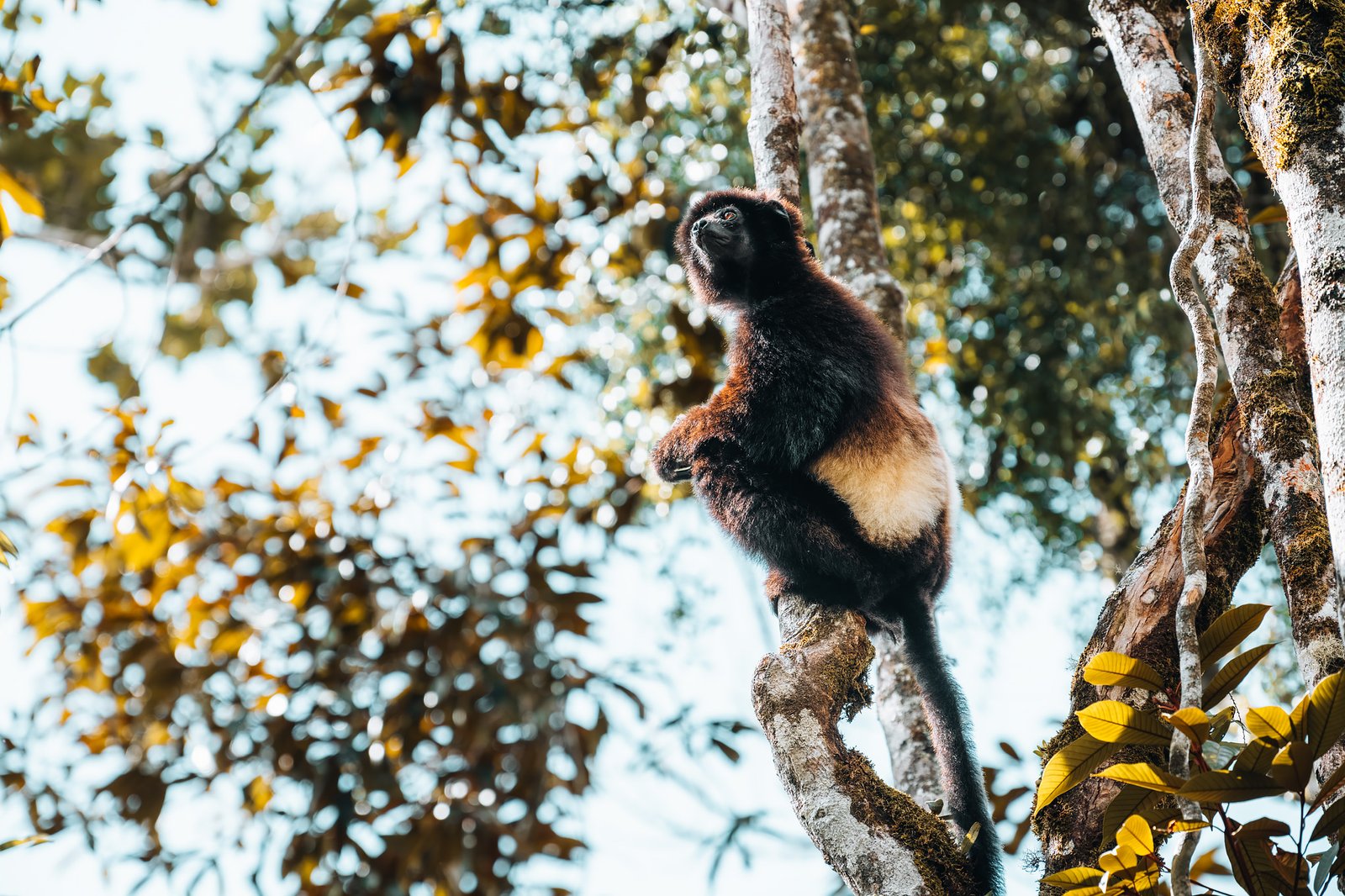
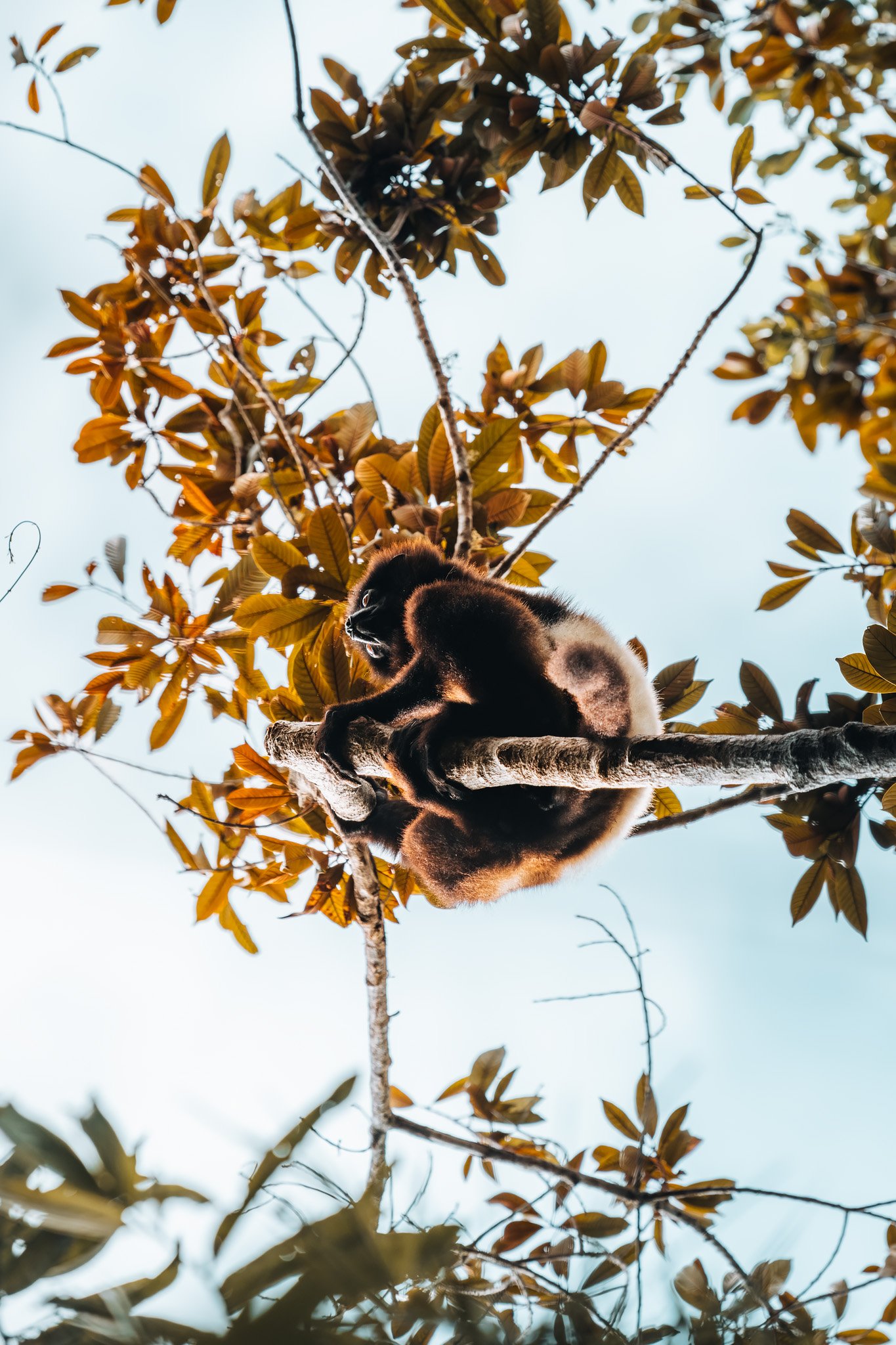
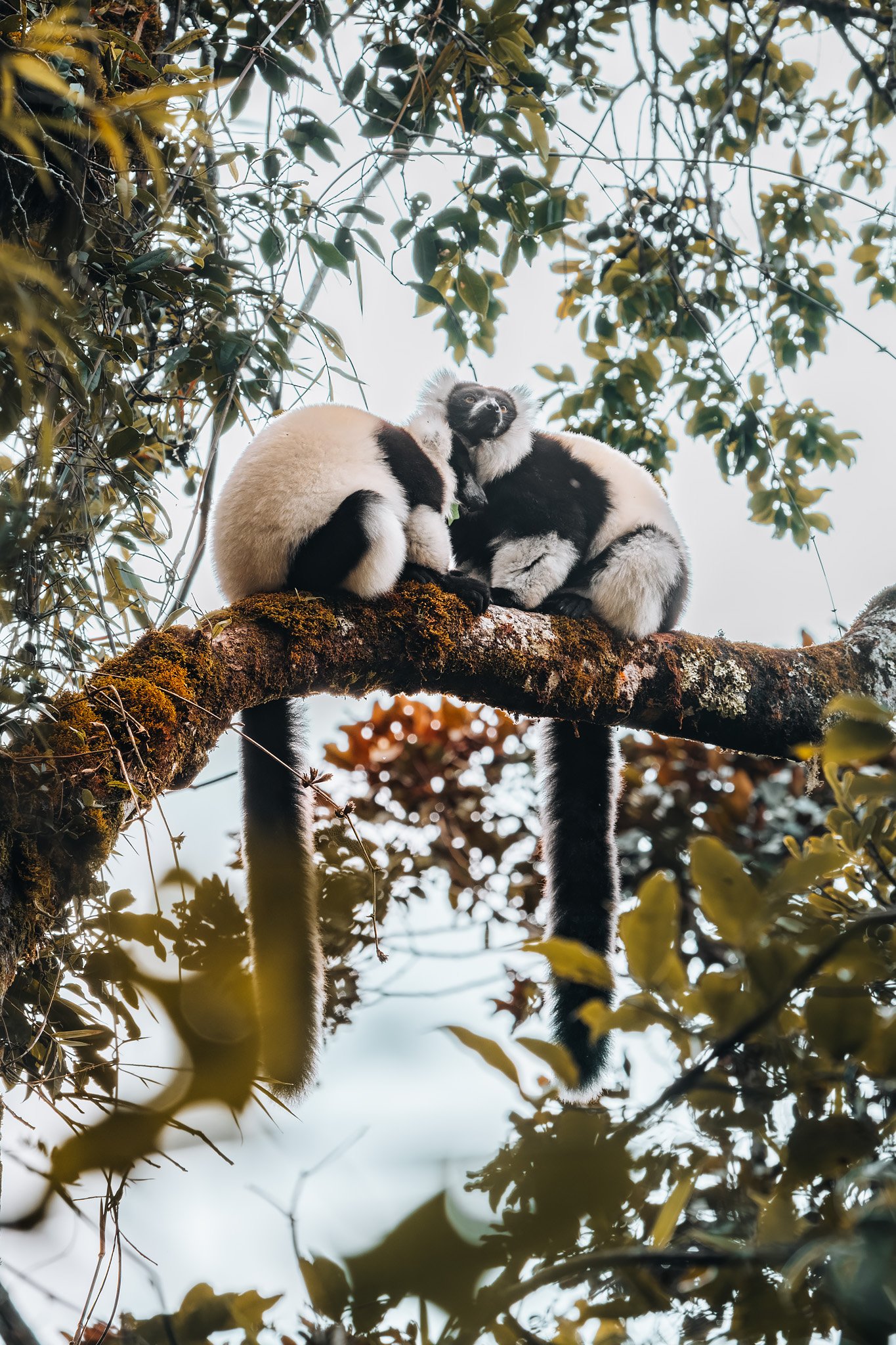
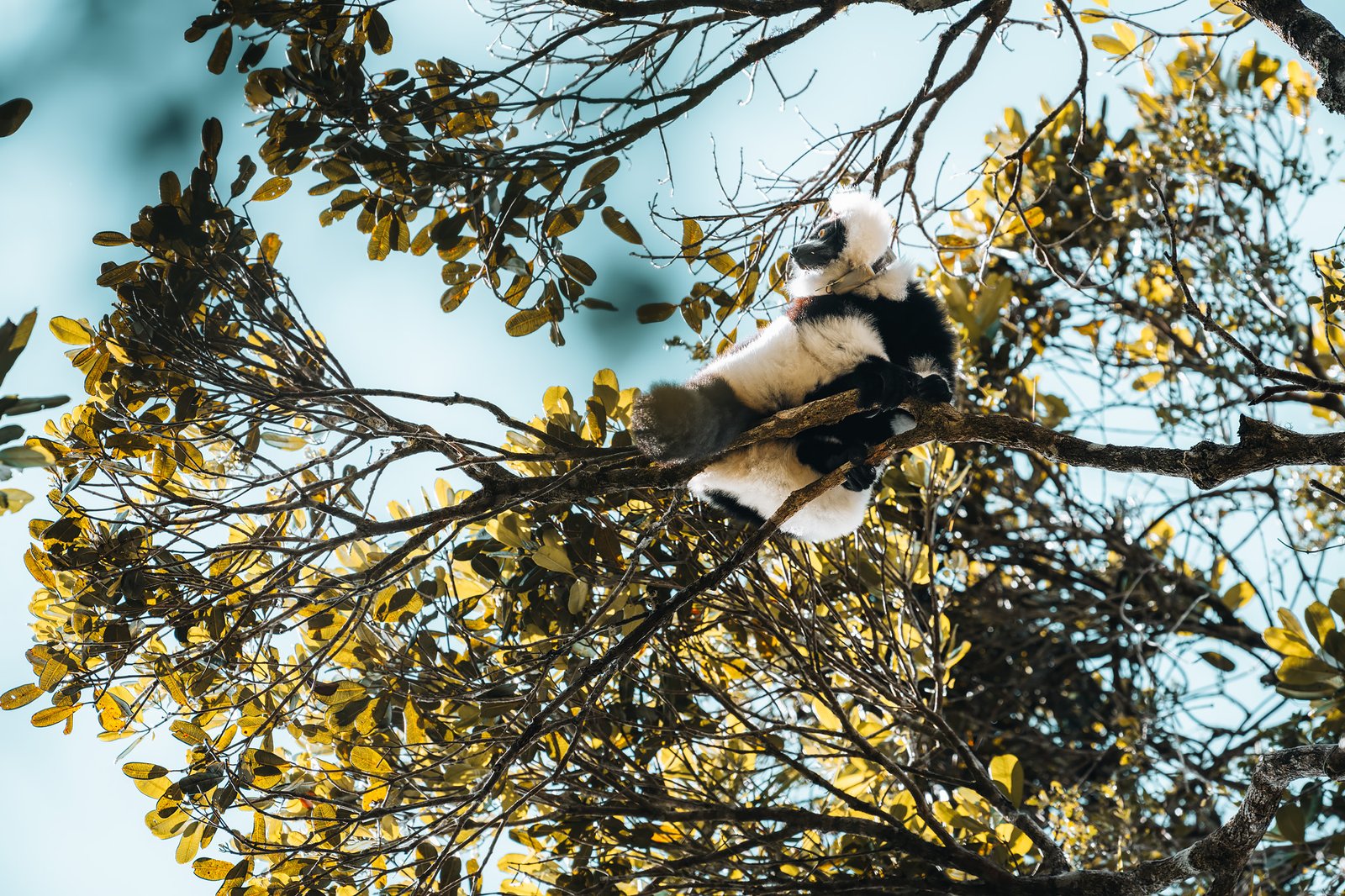
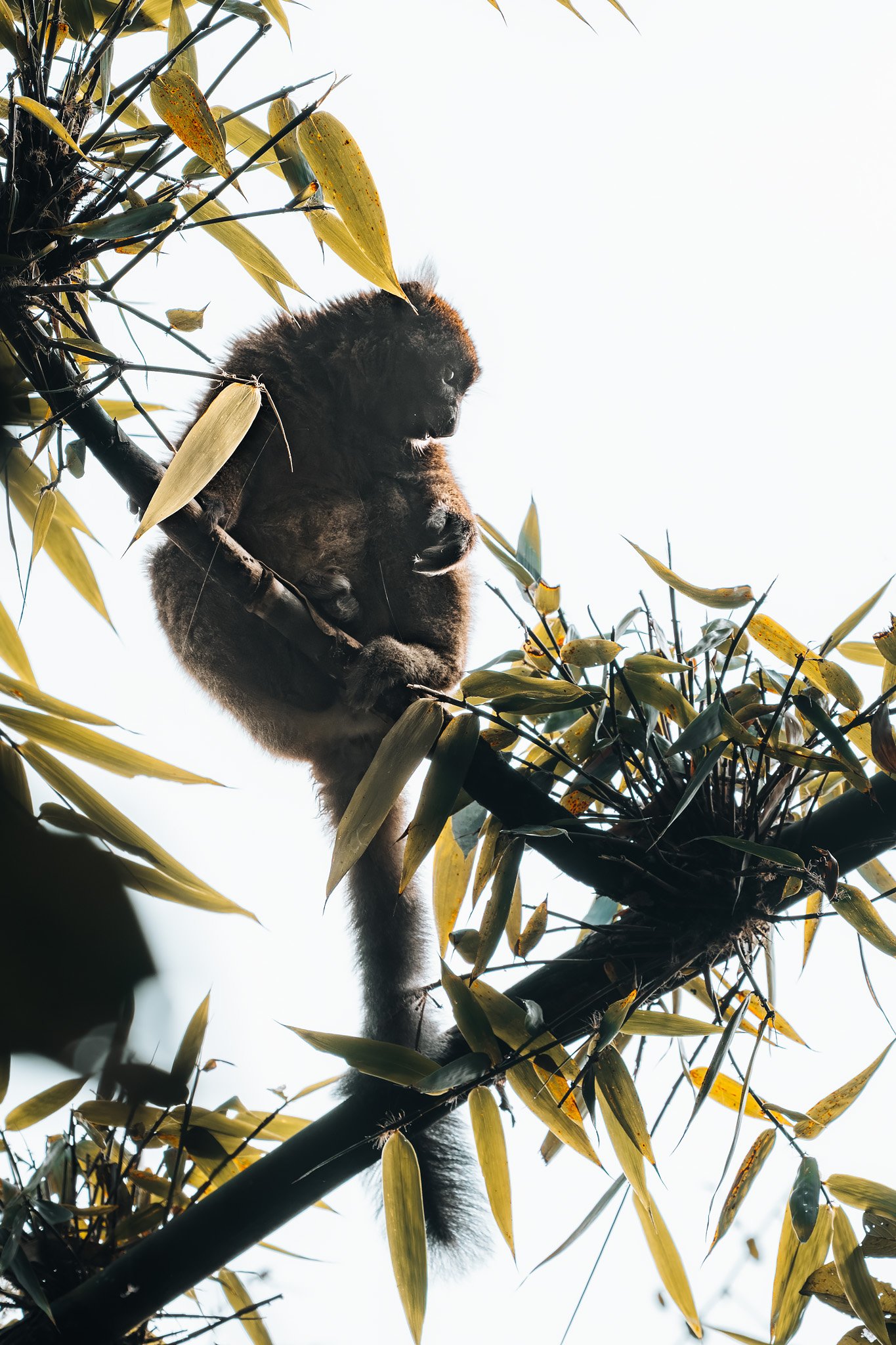
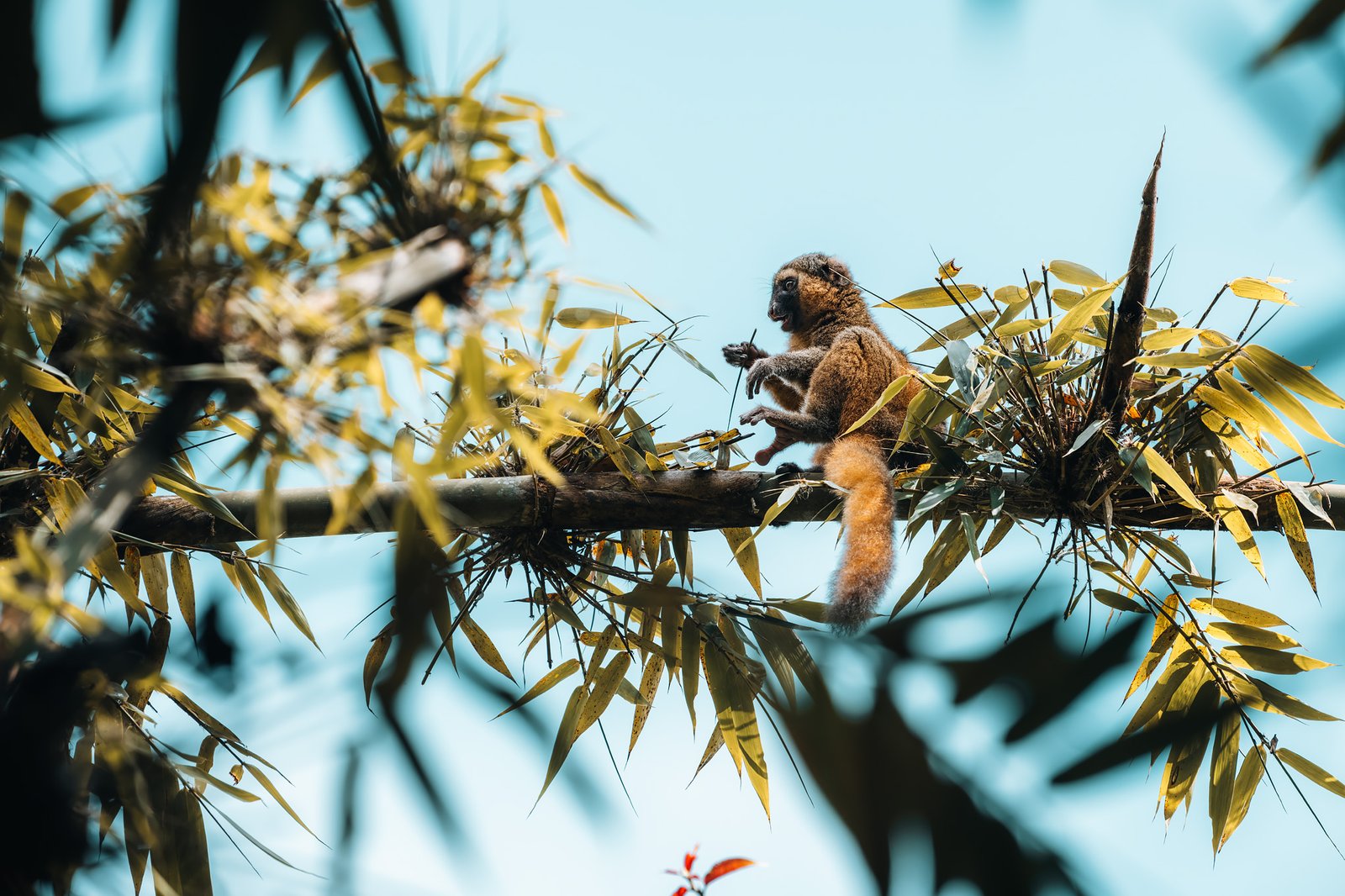
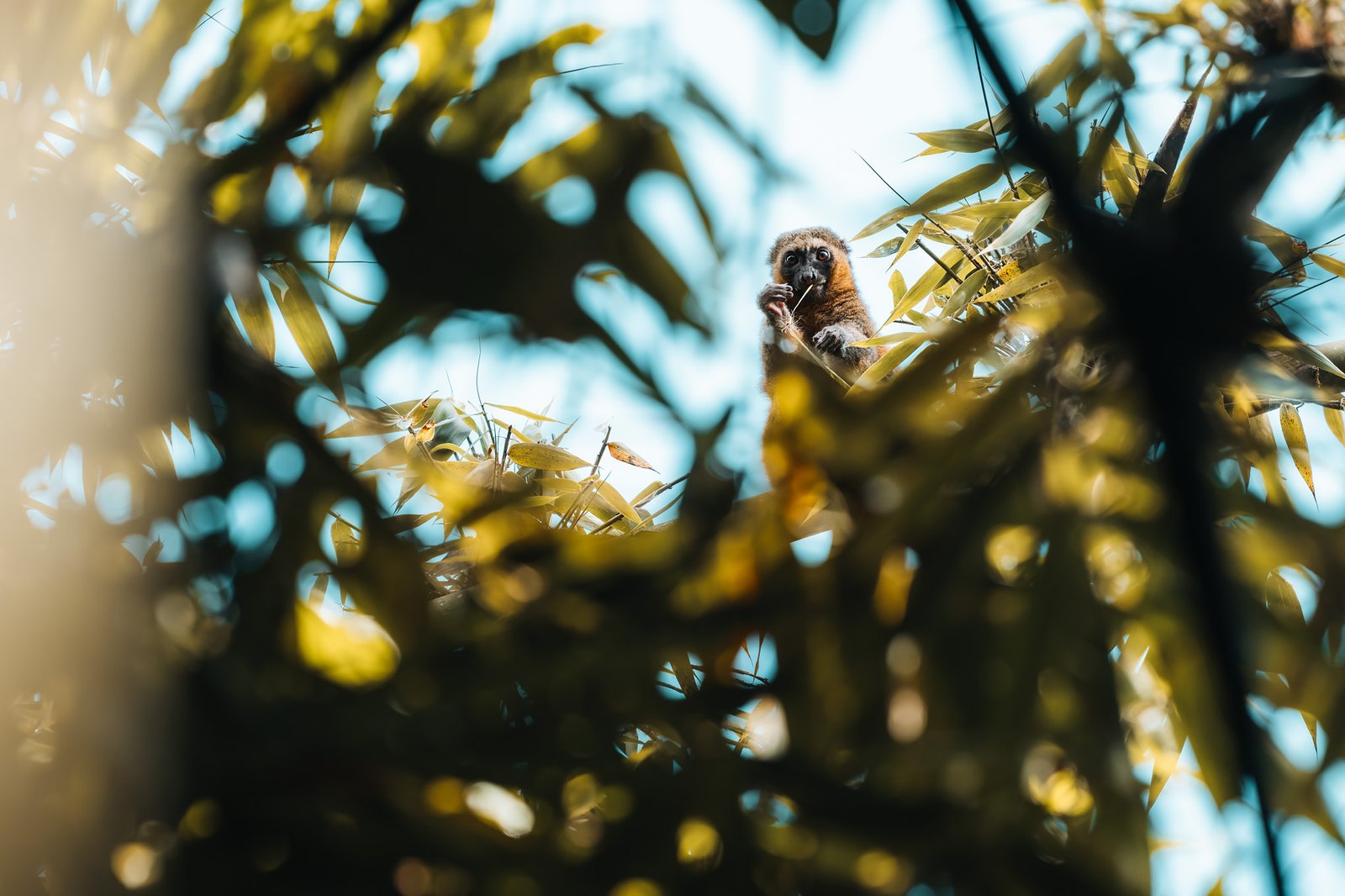
In the late morning we finally found what makes Ranomafana National Park so special. The Golden Bamboo Lemur feeds almost exclusively off of bamboo shoot (that contains a poisonous chemical called cyanide). If any other type of mammal ate this amount of poison it would die immediately. Scientists believe that the golden bamboo lemur can eat amounts of cyanide that are five times higher than what would kill a person. The exact reasons why this happens is still being studied. Watching them eating bamboo it was hard to think about how scientists discovering these lemurs in 1986 ultimately led to creating this protected area.
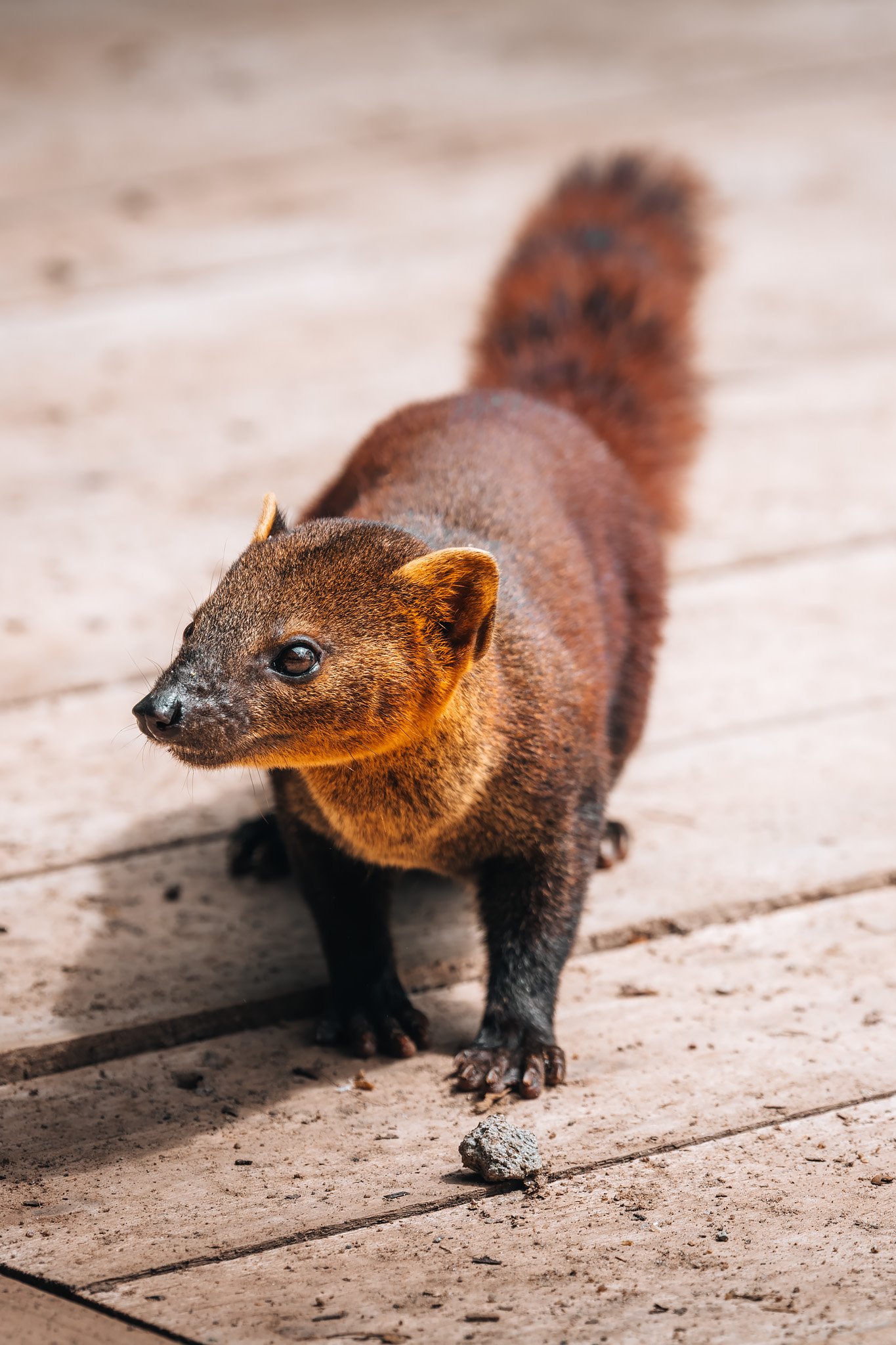
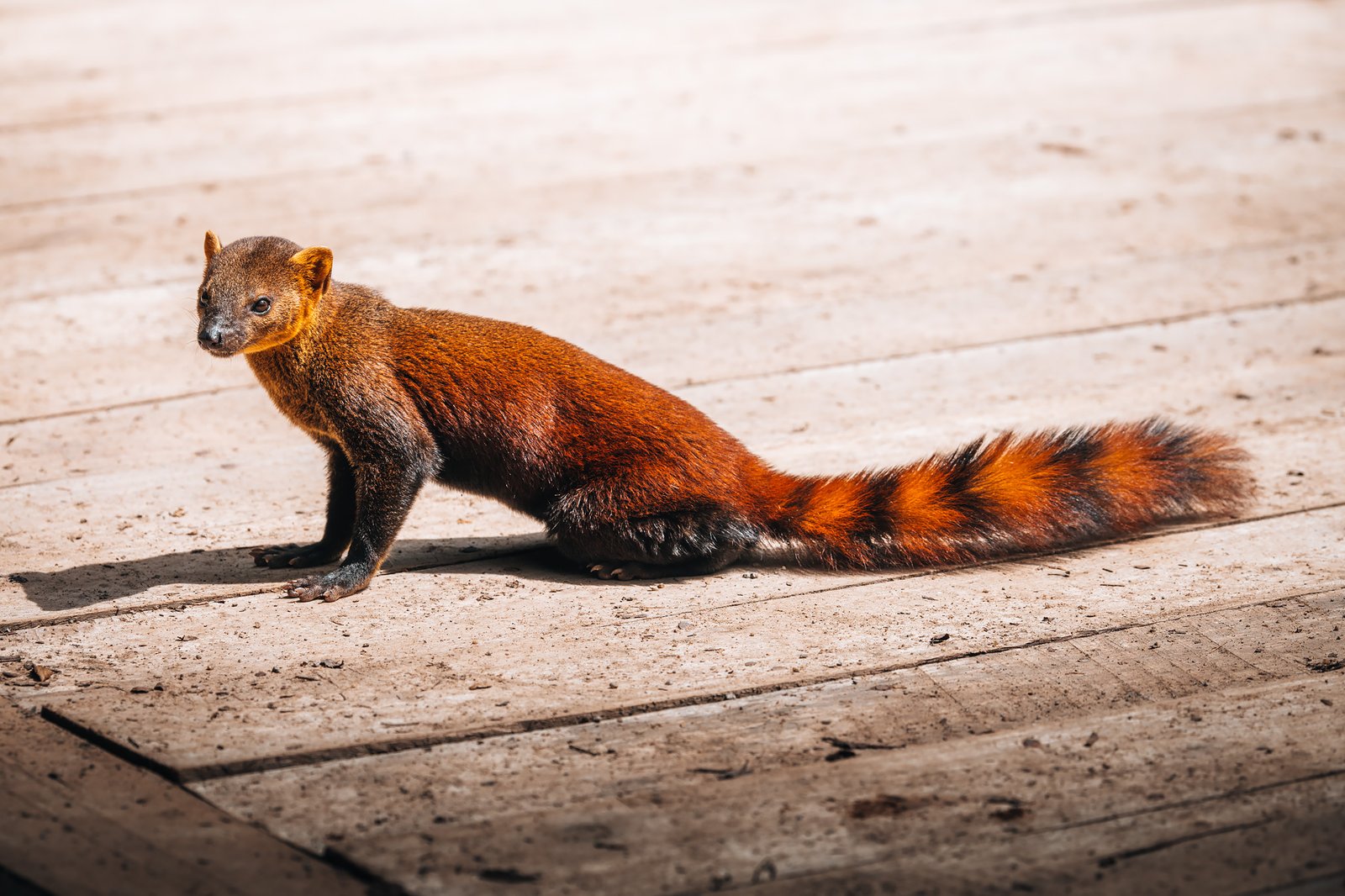
Not every encounter came from looking upwards. As we continued along the trail, a Ring-tailed Mongoose briefly emerged from the undergrowth before disappearing back into the dense vegetation. One of Madagascar’s endemic carnivores, it moved with remarkable speed and confidence, offering only a fleeting glimpse before vanishing.
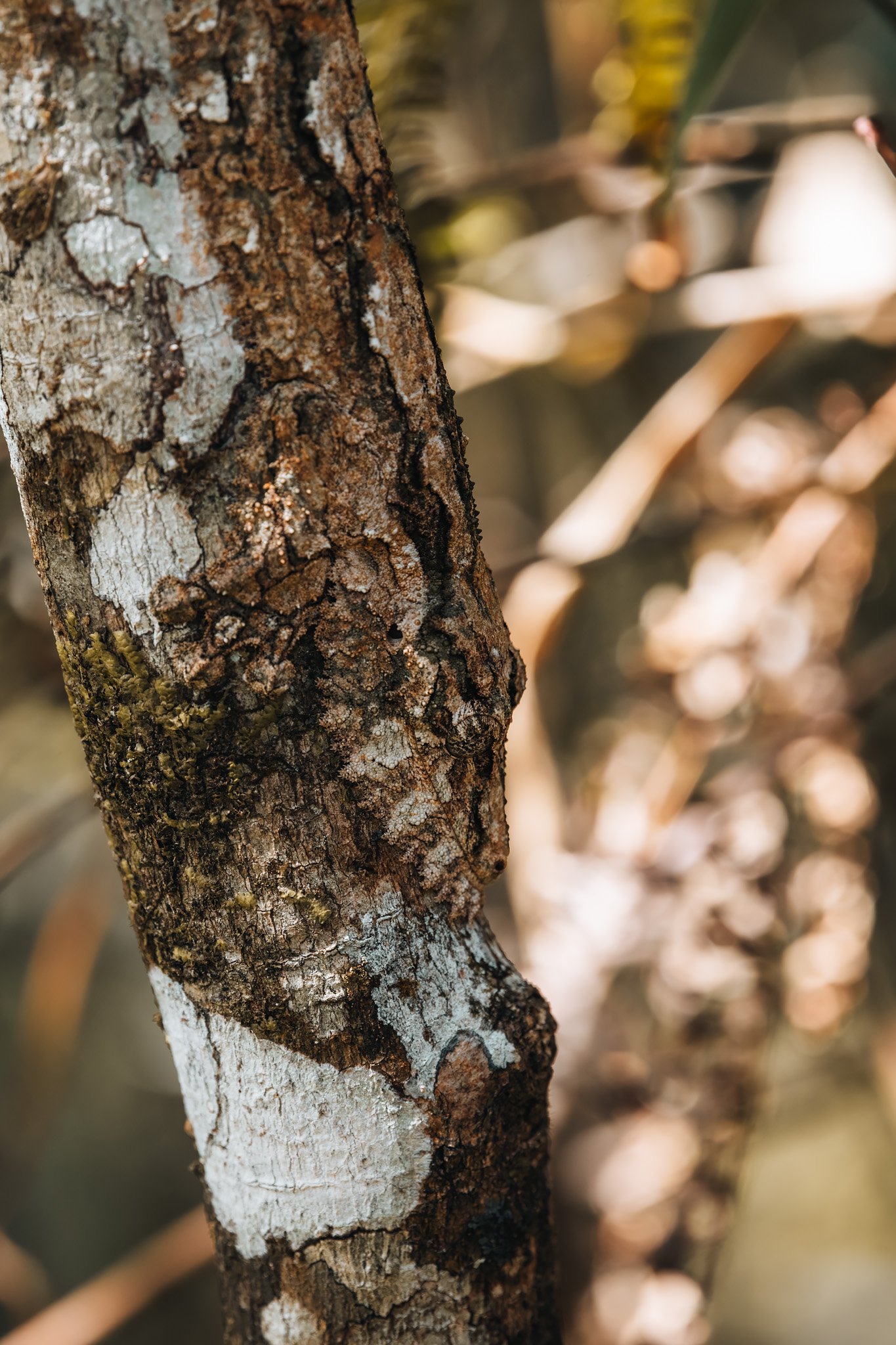
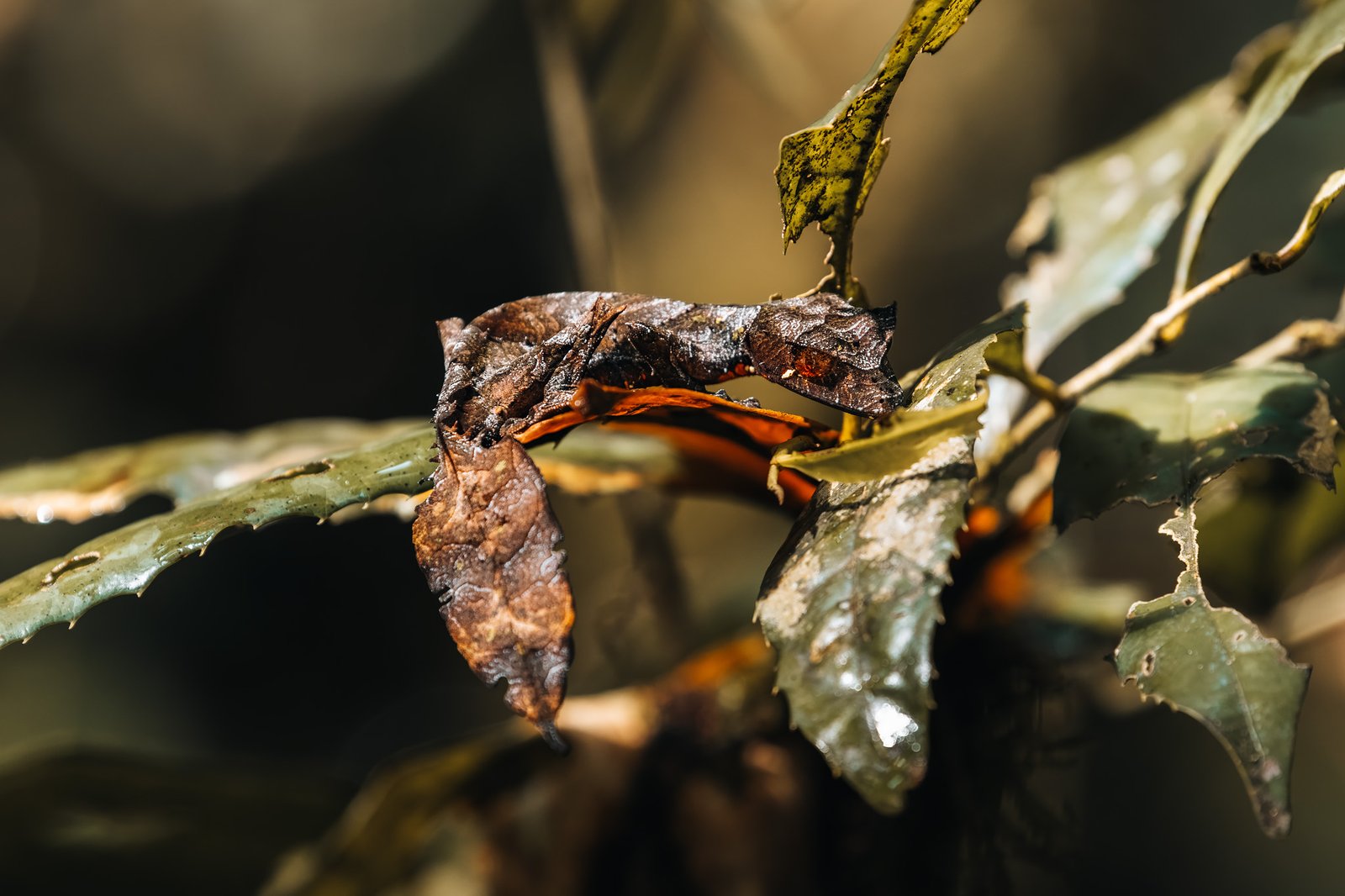
Our guide constantly stopped by tree trunks and pointed to what I thought was just bark. After about three minutes I finally realized there was a gecko hiding under the bark. First we saw a Satanic Leaf-tailed Gecko, then a Mossy Leaf-tailed Gecko. These two species of geckos are experts at blending in with their surroundings. Their flat body shape, wavy edges and tail shaped like a leaf make them almost invisible. Once I was able to find them with my eyes I lost them every time I turned my head away for even a second.
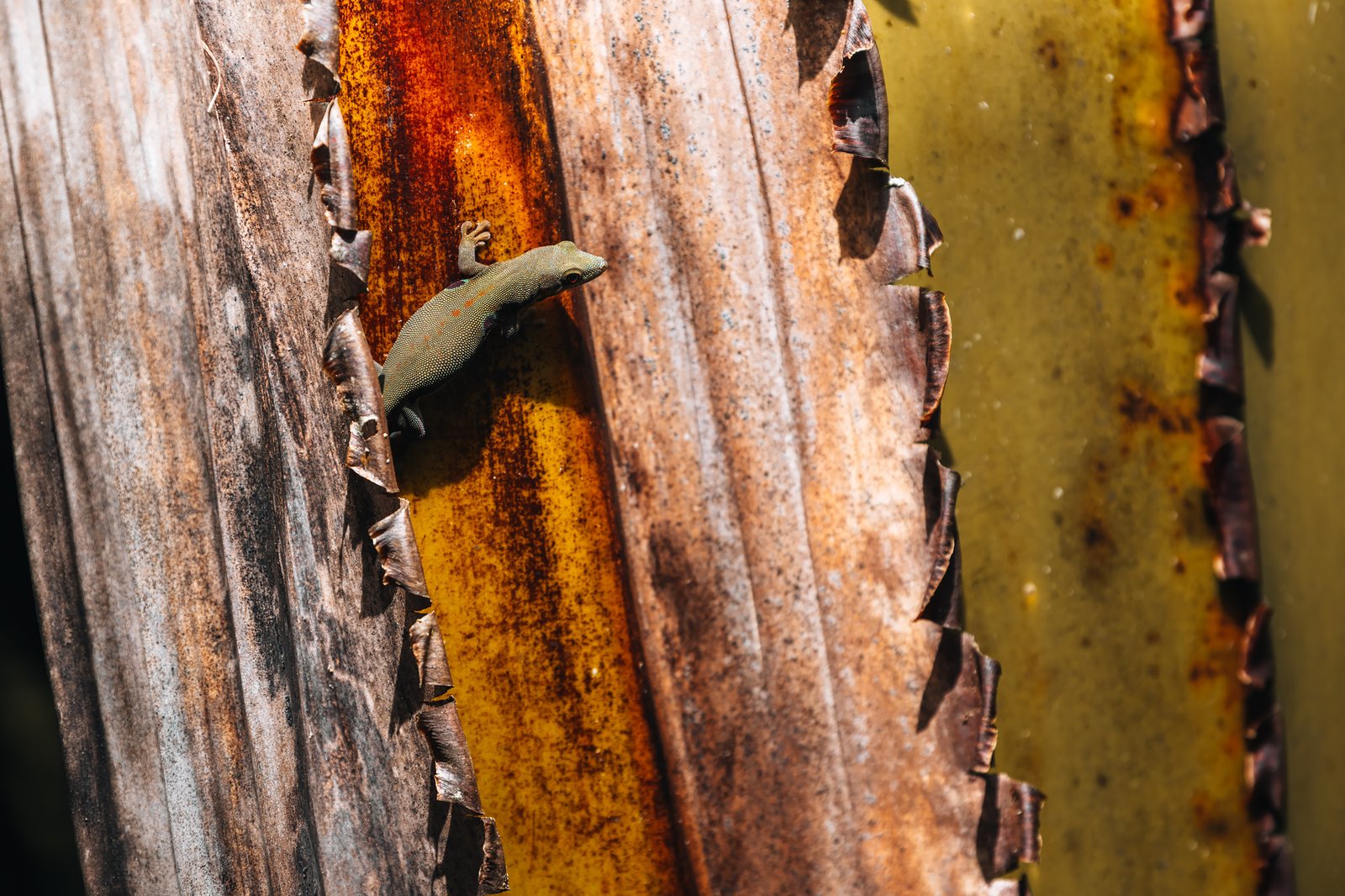
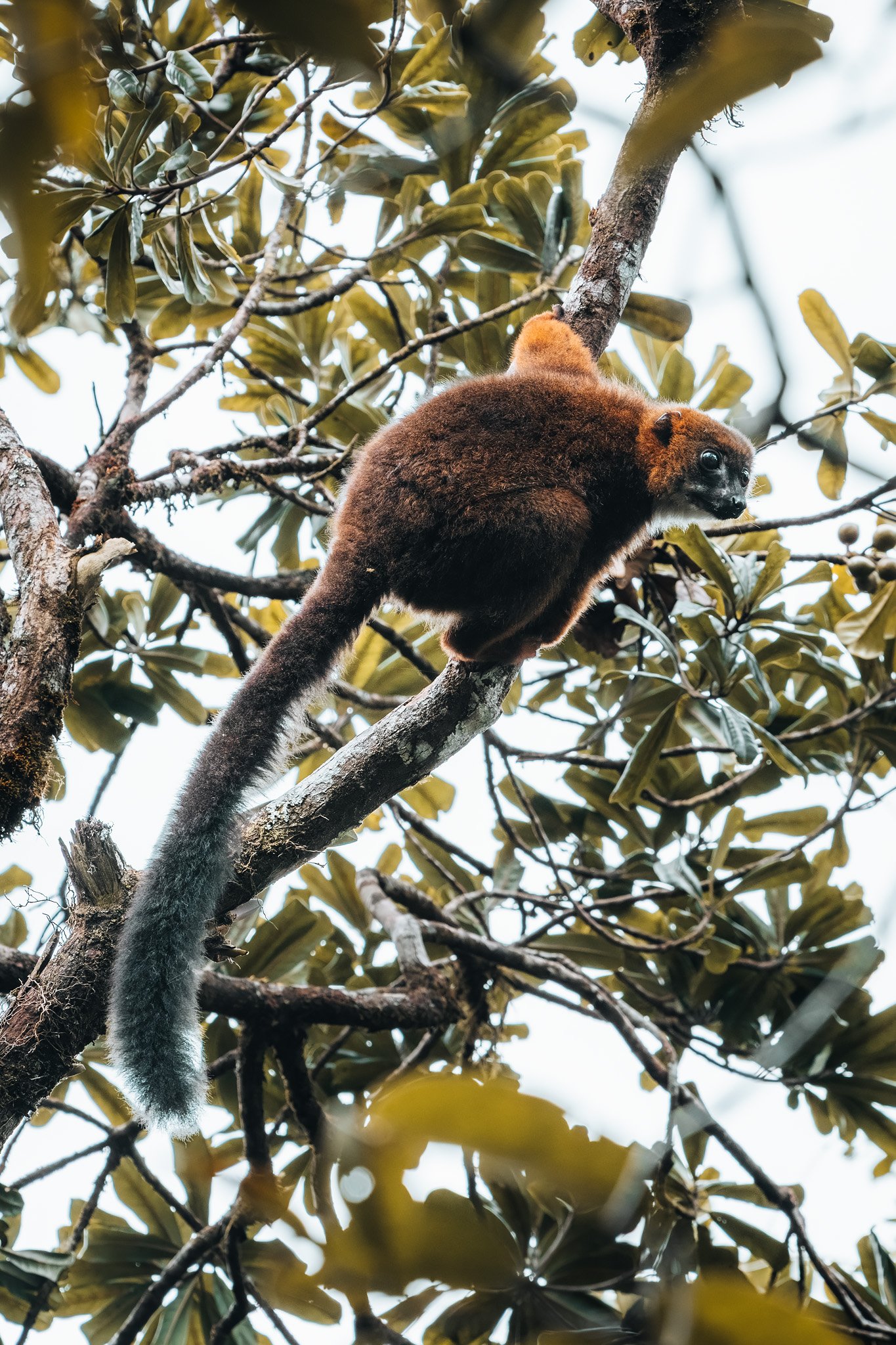
There were many small day geckos that were endemic to Ranomafana basking on warm leaves. Emerald green contrasts with the dark colors of the rainforest. The Red-bellied Lemurs traveled through the mid-canopy and birds flew in and out of branches before disappearing into the dense jungle.
Our guide helped us locate many different animals that we never would have seen if he hadn’t been with us. He was always pointing in the right place and giving us directions on exactly where to look.
The Forest that Never Sleeps
After a short break in one of the hotel’s hot springs and a great dinner, we returned to the forest as dusk fell. This experience reminded me of Kirindy instantly. The atmosphere couldn’t have been more different.
There, our lights shone clearly between leafless trees revealing animals at considerable distances. Here, dense foliage consumed our light within meters. Darkness felt heavier and more intimate.
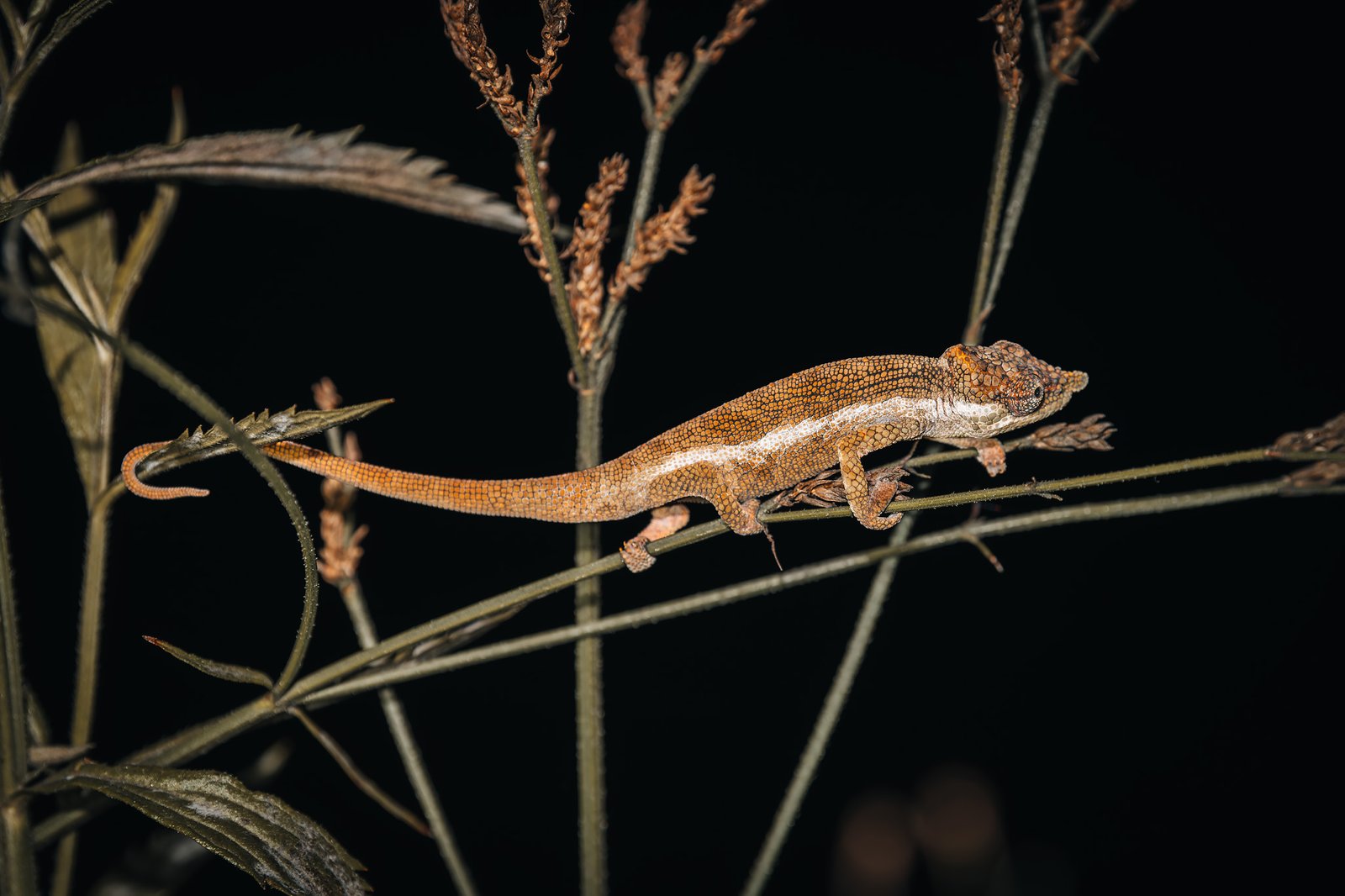
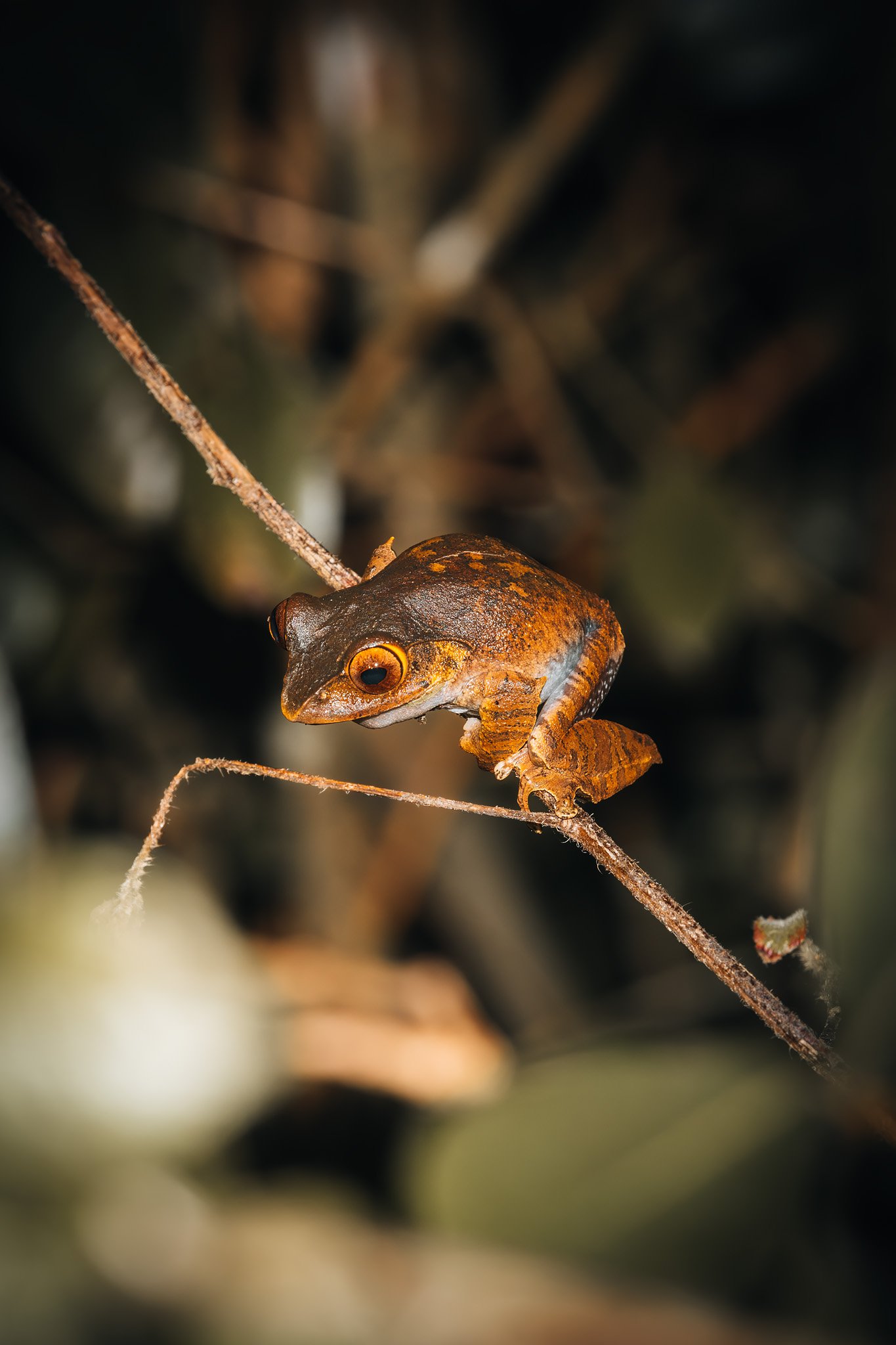
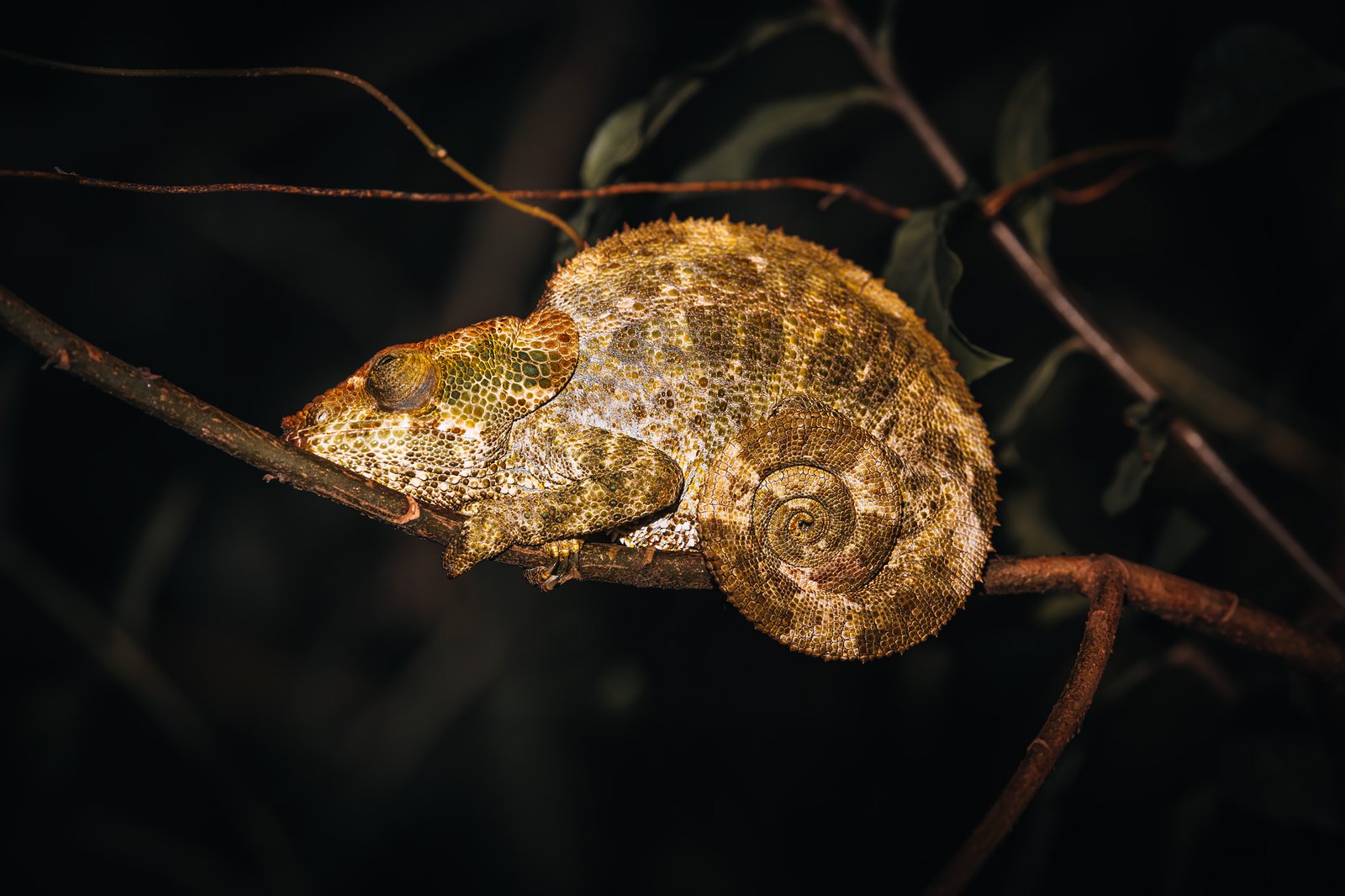
Each noise seemed magnified by the surrounding forest. Tiny frogs emerged adjacent to our path while calling loudly as their voices blended together into nearly constant song emanating beneath the canopy, and chameleons sleeping on thins branches seemed paler due to nocturnal colors causing them to stand out better than during daytime hours.
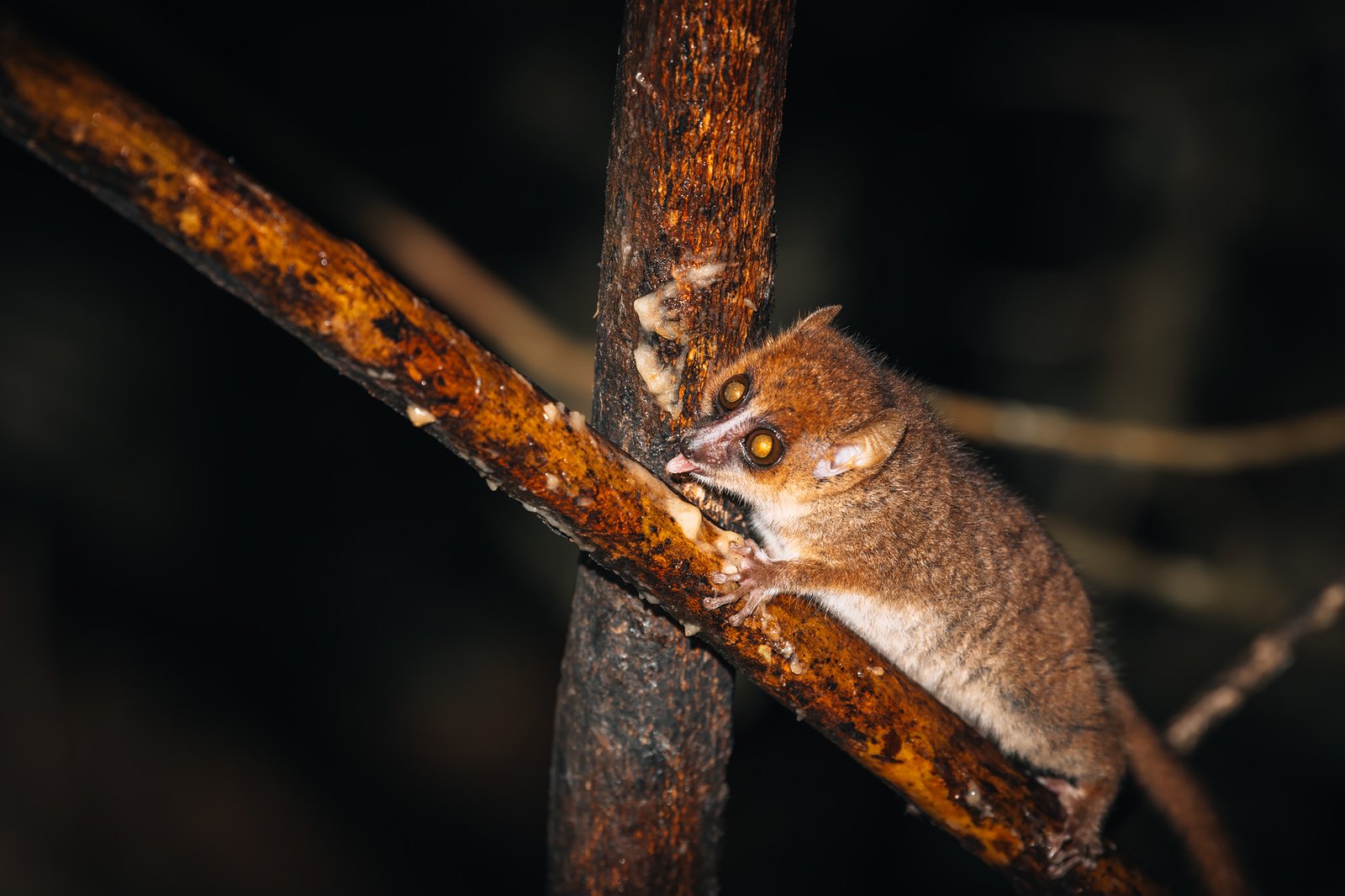
Like the dry forests of Western Madagascar which frequently accompany complete silence with darkness, Ranomafana never stopped moving. Water dripped constantly from leaves overhead. Streams flowed invisibly through narrow valleys, and insects generated a steady base level of sounds while beyond our range of vision mouse lemur vocalizations echoed occasionally through the canopy.
I doubt I could have identified each noise. Perhaps it was this uncertainty which contributed to my impression that the rainforest seemed so full of life! On our way back to our lodge I reflected on how differently Madagascar had changed during our last few weeks.
Andasibe and Ranomafana are not particularly far apart if measuring distance on a map. However ecologically they are two distinctly separate islands. One reason Madagascar has such an impressive amount of diversity is due to the number of extreme dissimilarities in landscape, climate, ecosystems… all contained within a single journey. Almost every week or less it felt as though we entered a completely foreign country; with its own forests, wildlife, geology and daily rhythms.
The next morning we would depart the forest. Before us lay granite walls bordering Tsaranoro Valley, Ring Tailed Lemurs at Anja Community Reserve and another Madagascar that we knew by now never to take lightly.

Madagascar. Part V: Back Across the Highlands
Returning to Morondava was strange, much too familiar. Just a handful of days ago, we had traveled northward on the same road filled with excitement and curiosity, we were on our way to find Kirindy and the limestone labyrinths of Bemaraha. After traveling hundreds of kilometers of corrugated dirt roads, crossing numerous rivers, and experiencing some of the most unique landscapes we had ever seen, the very same road was carrying us southward toward the coast.
Nothing had changed about the landscape, but our experiences had shaped completely the way we looked at everything surrounding us.
One Final Night Beneath the Baobabs
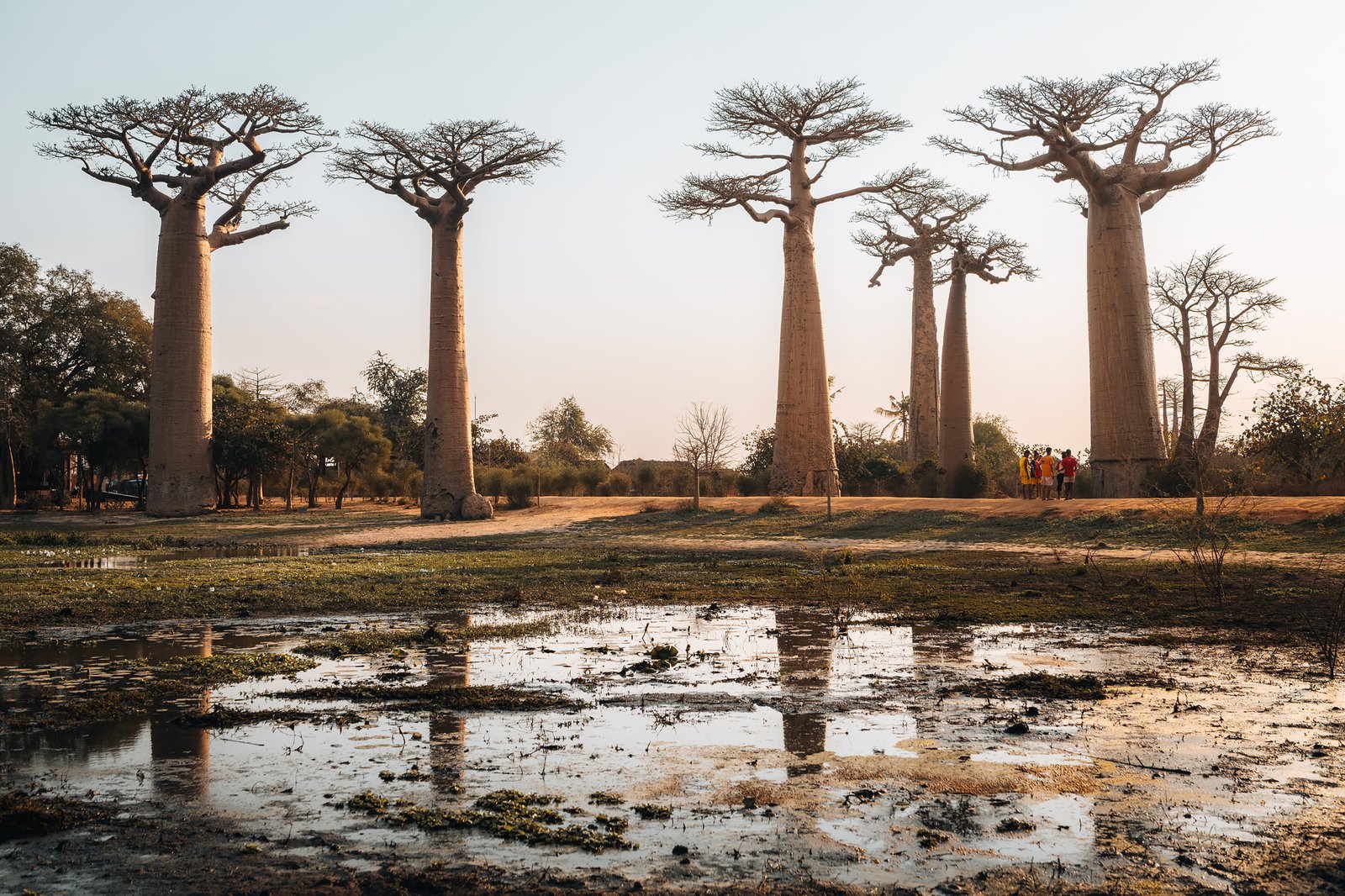
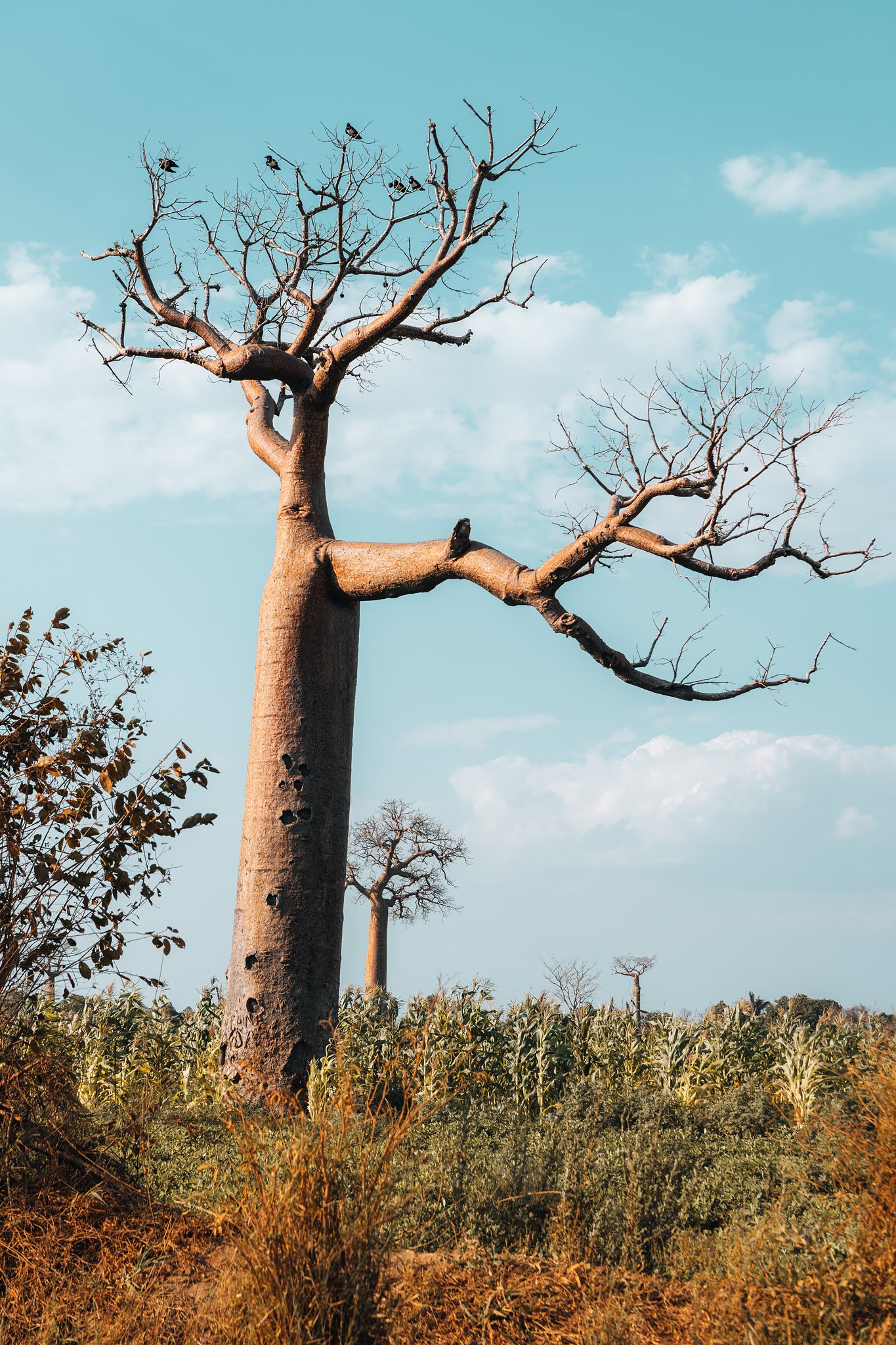
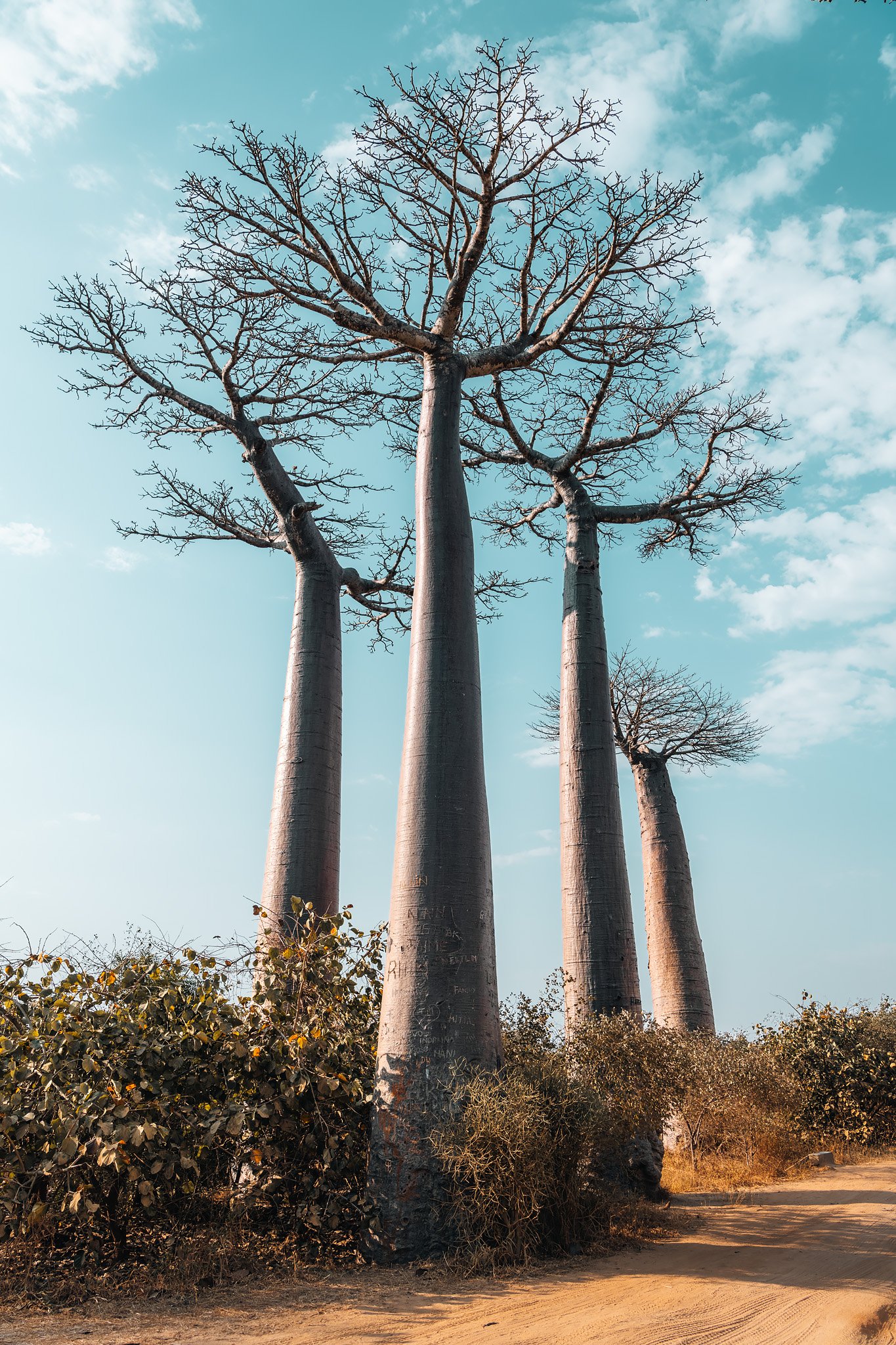
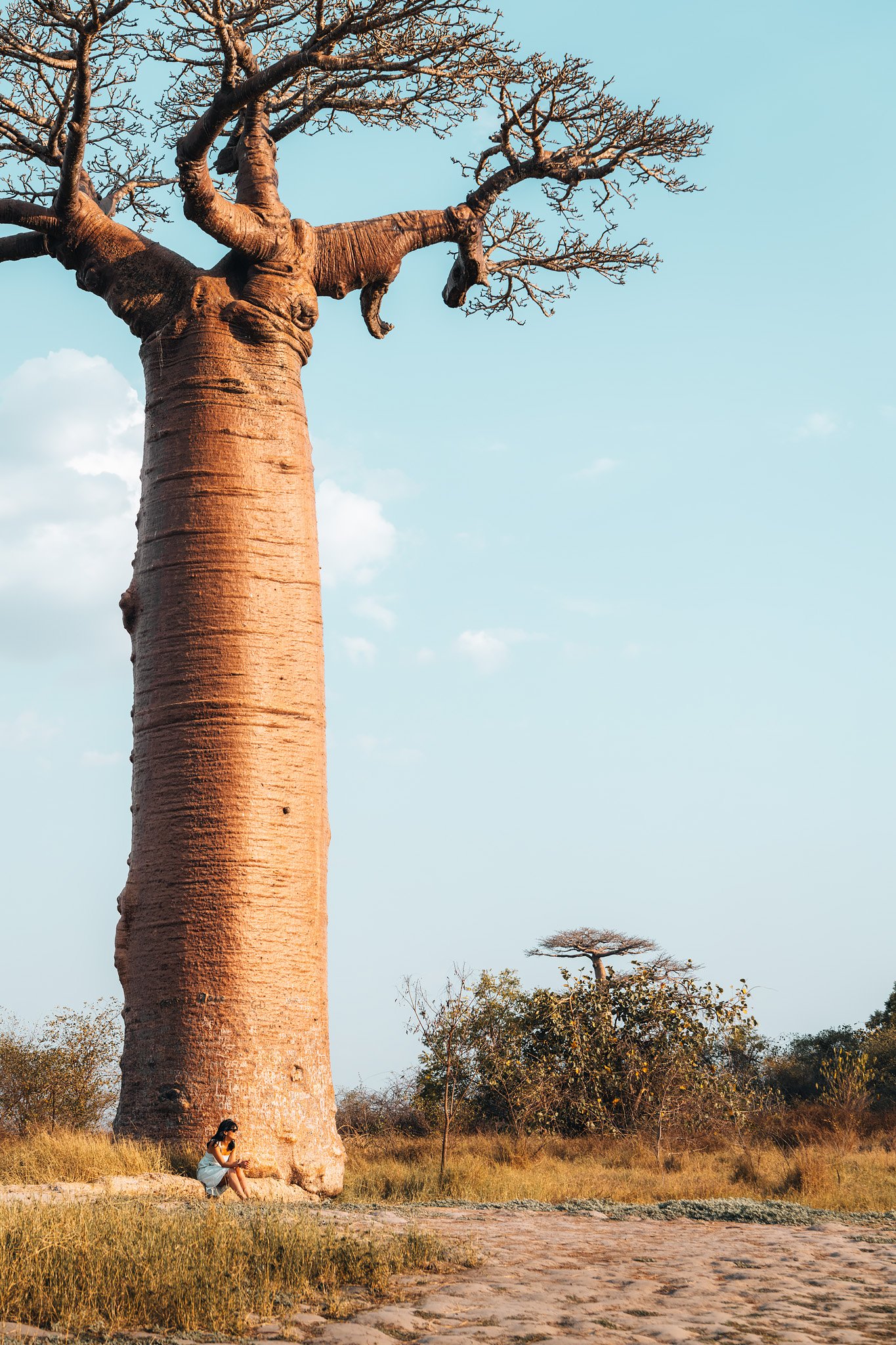
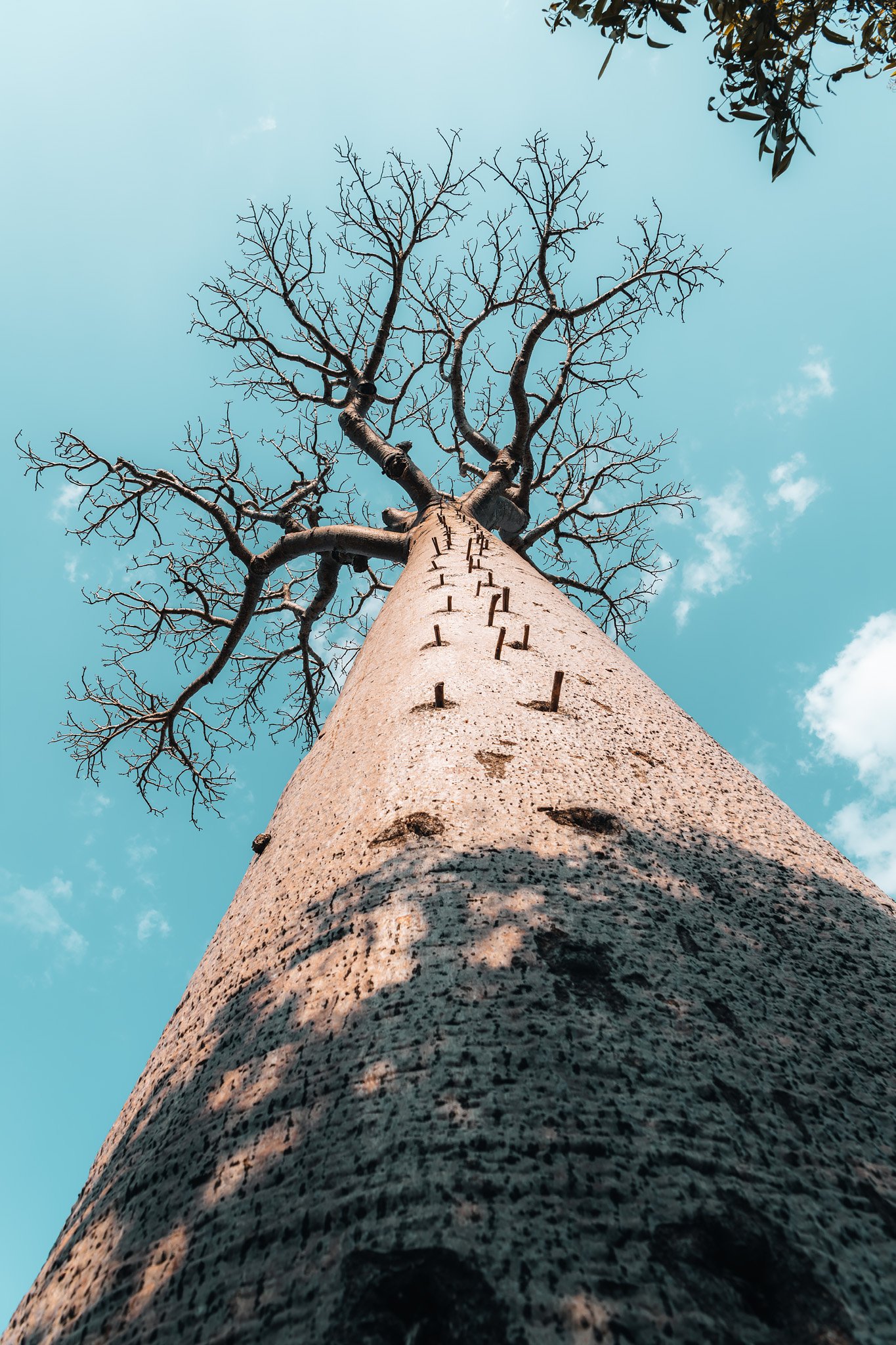
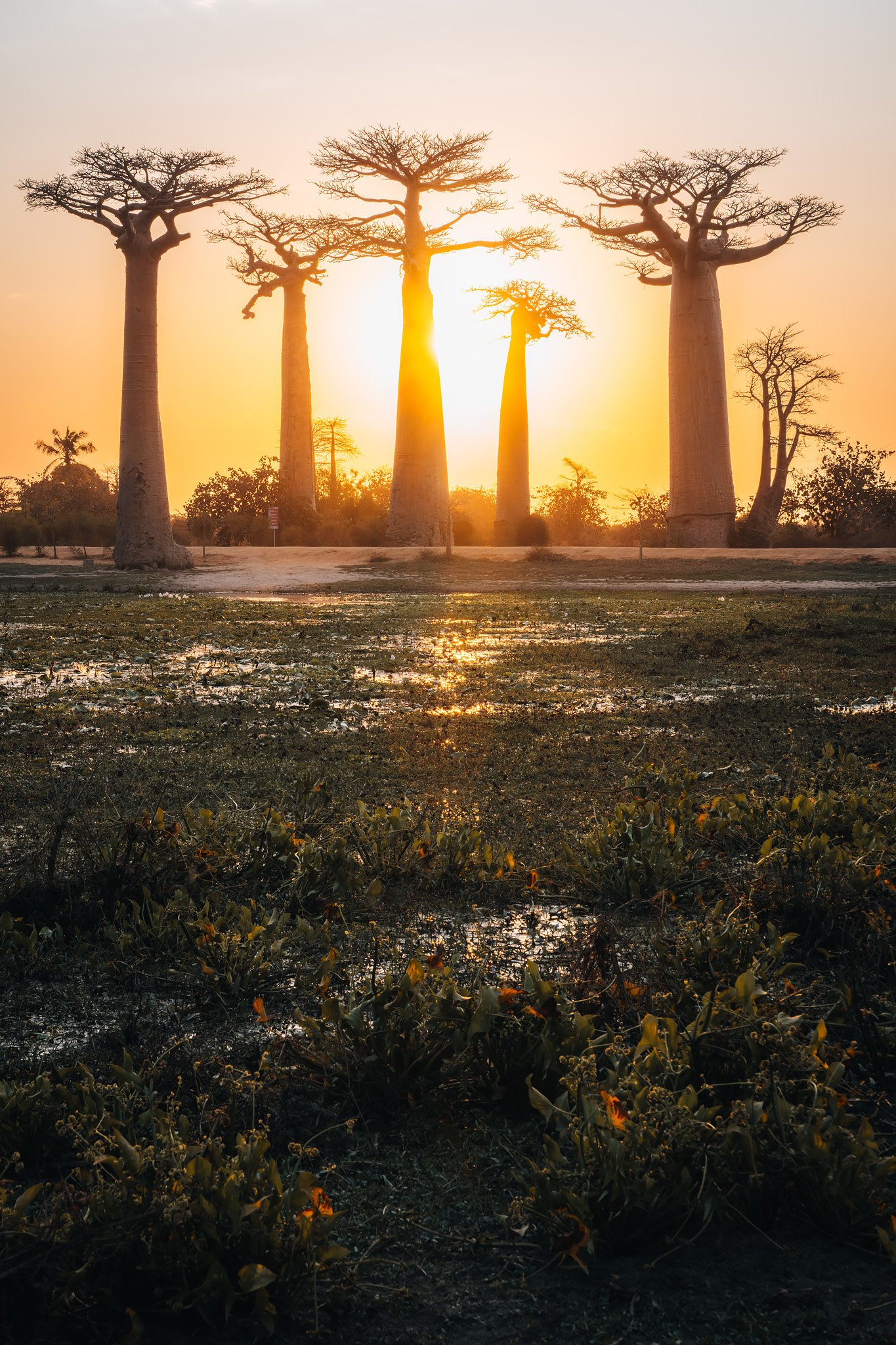
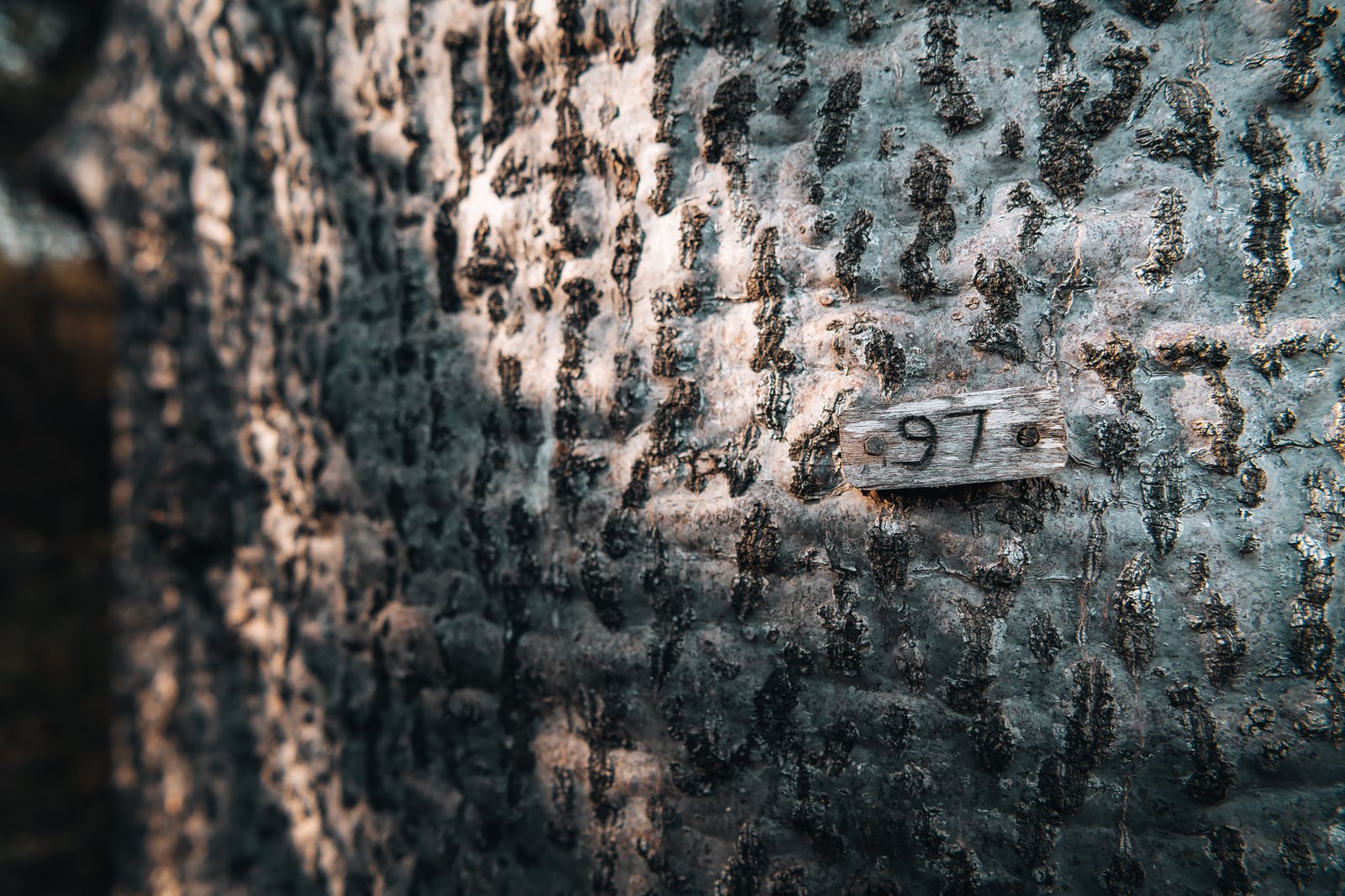
When approaching Morondava, the silhouettes of the baobab trees reappeared on the horizon, once again, and this time we had carefully timed our arrival to enjoy the evening at the very place our travels through Western Madagascar started, The Avenue of the Baobabs.
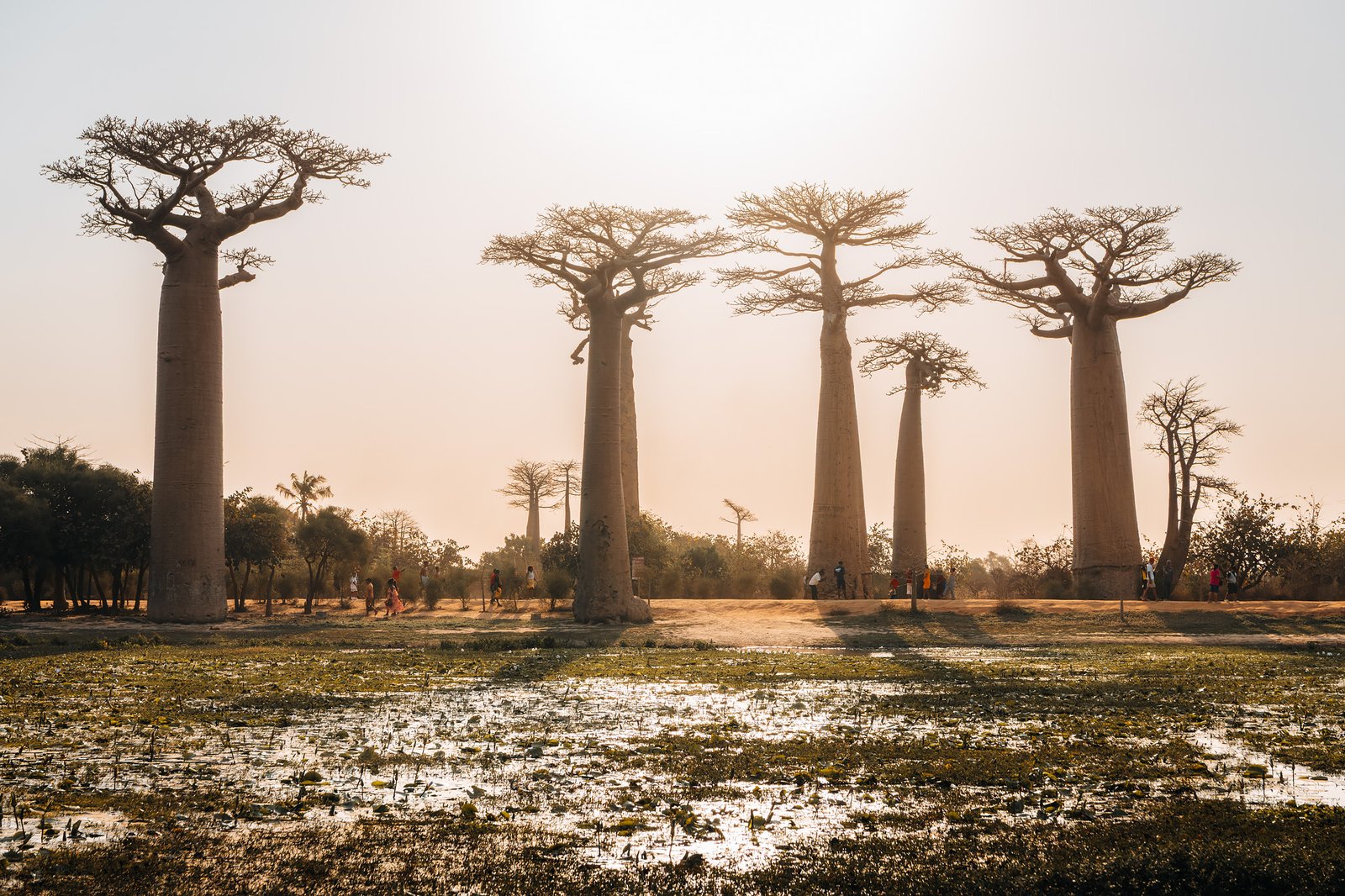
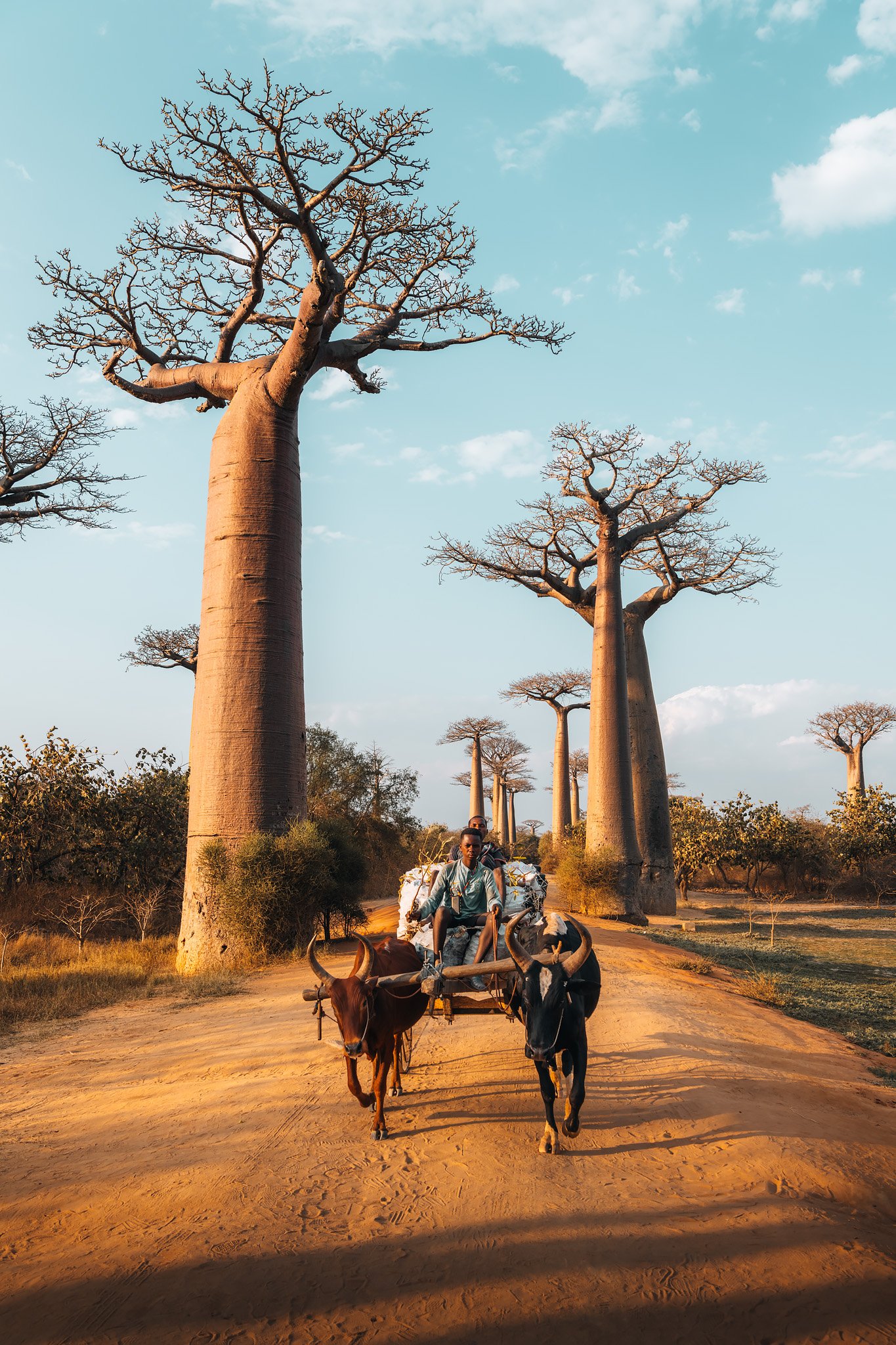
Late afternoon had arrived, and the intense light of day was fading into soft, warm tones. Families began to gather beneath the trees. Photographers were quietly searching for photo opportunities between massive tree trunks. Zebu carts were returning from nearby fields. Motorcycles kicked up clouds of red dust that hung in the air for miles in the soft evening light. In comparison to when we visited a few days prior, what initially seemed like a popular tourist attraction in Madagascar now felt like a normal part of everyday life.
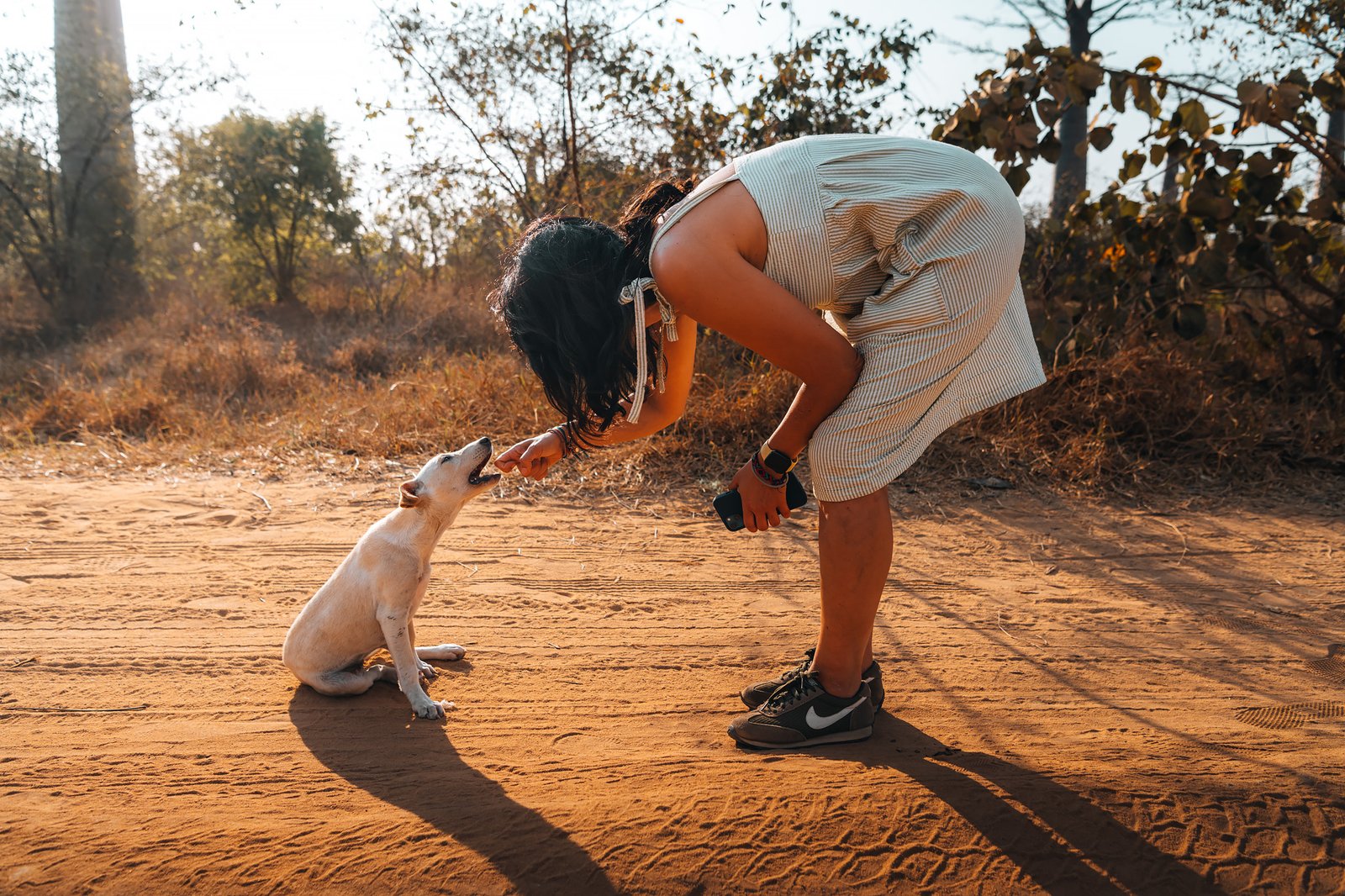
The baobabs were never far from the people who lived close-by. Life went on all around them. Women carried large bundles of firewood easily perched atop their heads. Farmers led their zebus back to their homes before it got dark. Children played chasing each other between trees that were older than European cathedrals.
Perhaps that is why this area will always be remembered. It is not just a beautiful landscape. It is a living landscape.
As the sun slowly set below the horizon, the trunks turned color from light gray to deep orange and ultimately dark silhouette against a brightening western sky.
Nearly an hour of complete silence followed. Looking back, this was one of those places where photography eventually takes a backseat to mere observation, and you can’t help but enjoy one of the most beautiful sunsets in the world.
Leaving Morondava
The next morning we embarked upon one of the longest drives of the entire trip. Our destination was located hundreds of kilometres inland in Madagascar’s Central Highland Plateau.
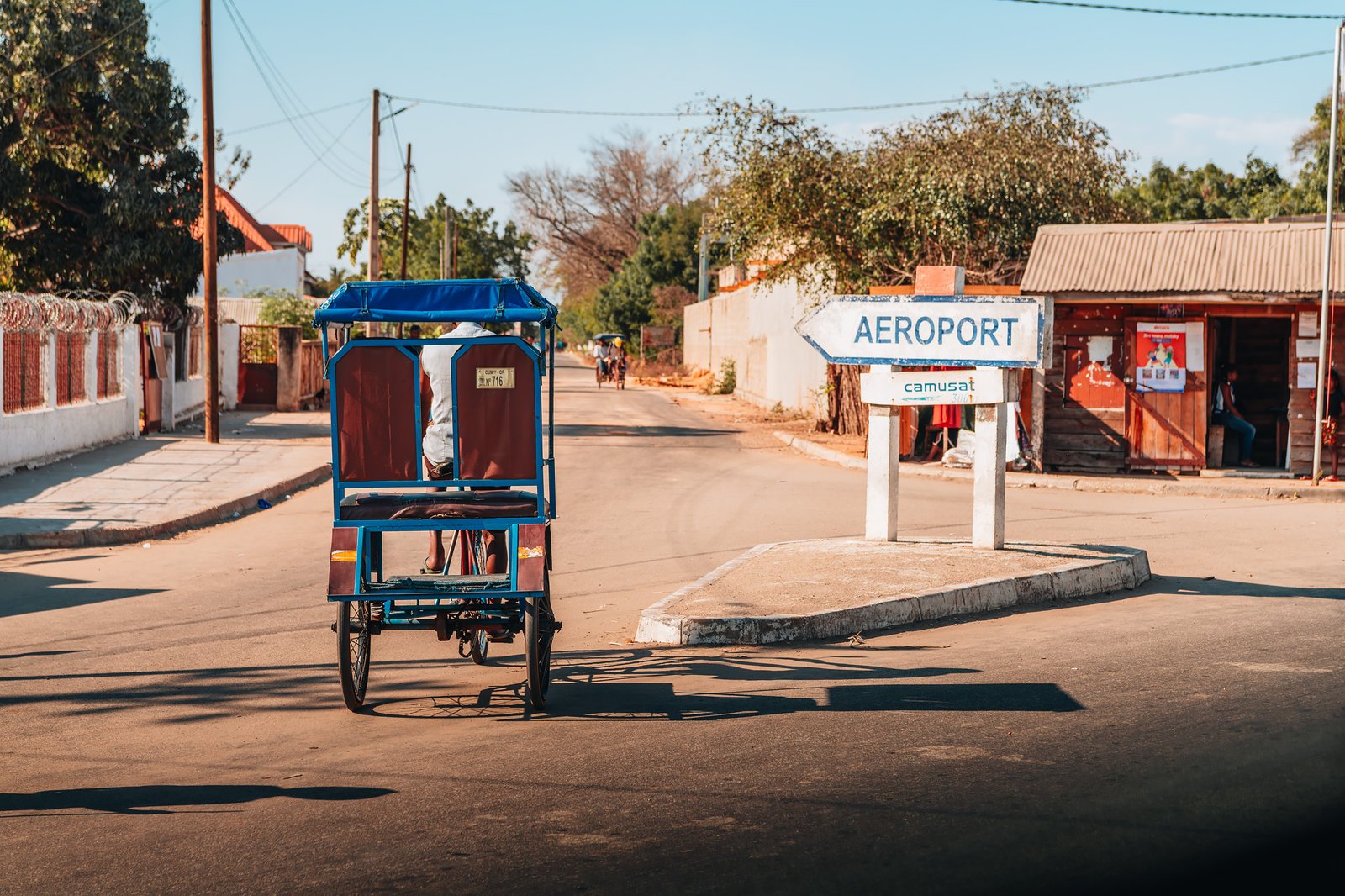
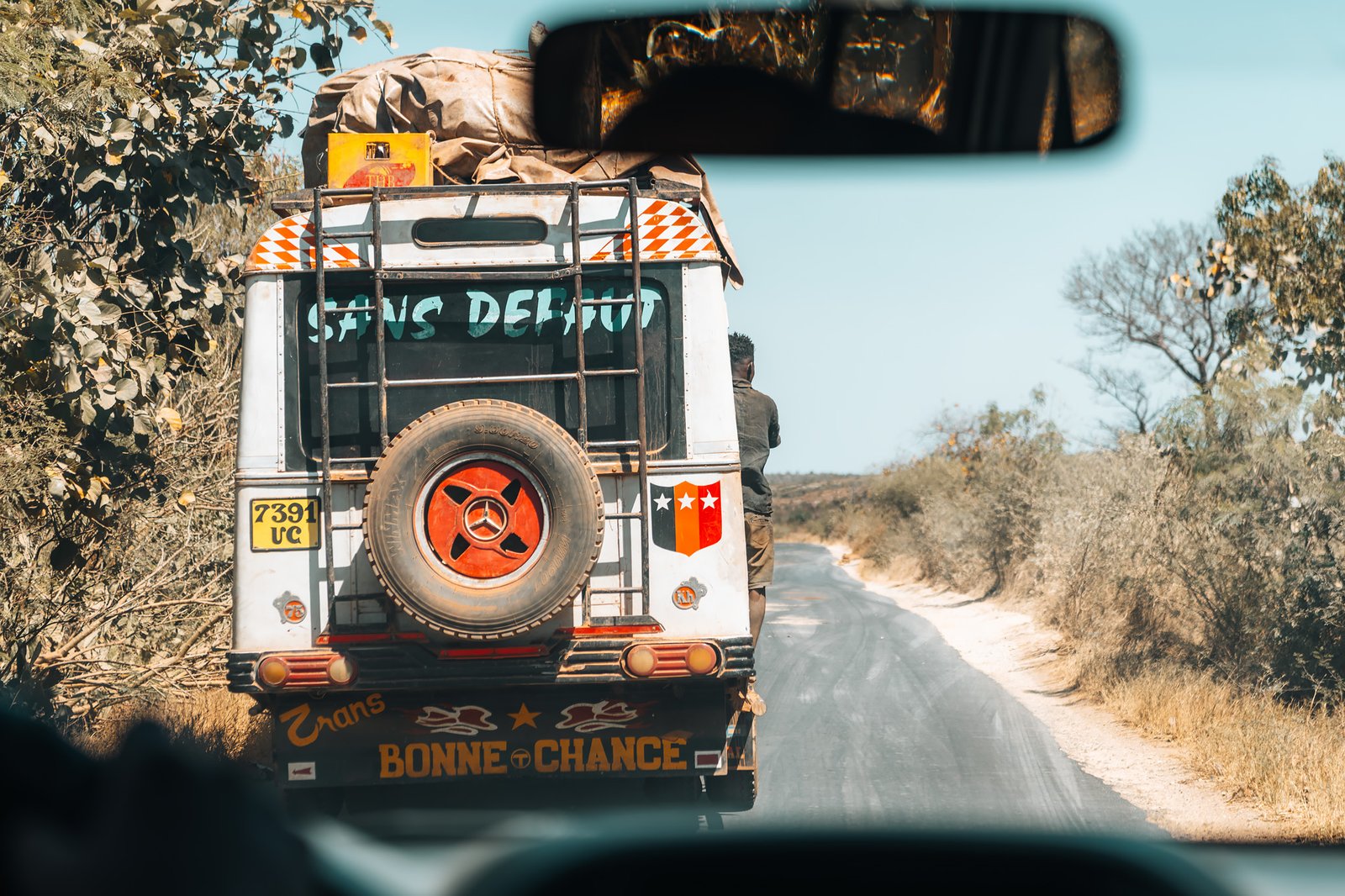
Maps do not provide a true sense of what it means to travel across this massive country. Many times distances that seem reasonable may take an entire day driving. Average speeds remain unexpectedly slow due to constant attention being needed to watch for pot holes, poor roads, construction zones and people, zebu, bicycle, and taxi traffic sharing the same lane of travel. Distance becomes measured in terms of hours versus kilometres.
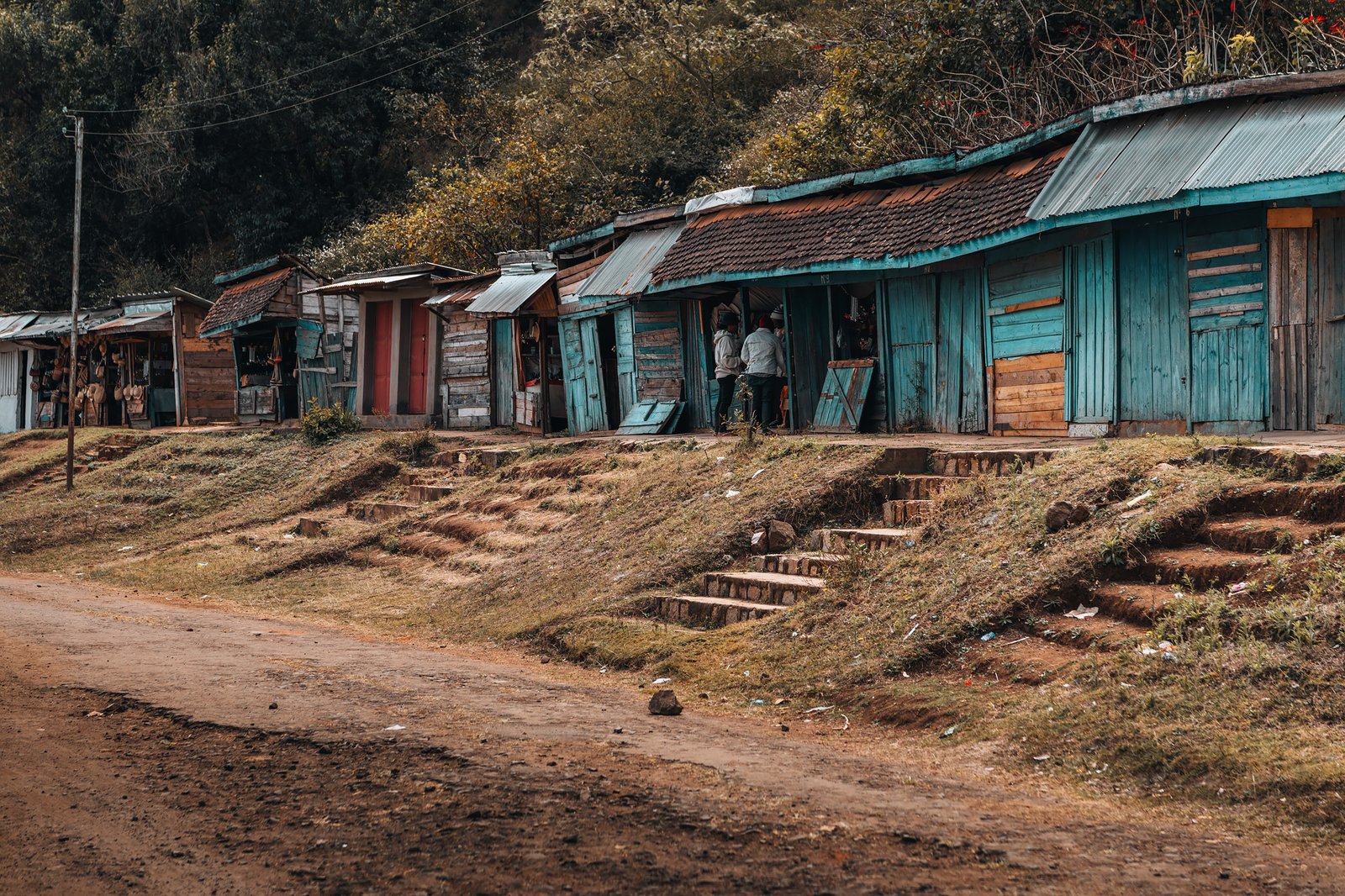
However, these extended periods of travel also show travelers a part of Madagascar that most visitors never see. Small roadside markets appeared constantly. Each market displayed various local produce including bananas, cassava, lychee fruits, charcoal and seasonal fruits laid out in neat piles. Every child encountered us as we drove past waved enthusiastically. Often children called out “bonjour” which faded quickly behind us as we disappeared into a cloud of dust.
Daily routines took place alongside every inch of the road. Clothes were washed by women in nearby streams as they used small bridges to cross over the waterways. Large herds of zebus roamed freely through rice fields. Colorful taxi-brousse vehicles loaded with passengers, luggage and/or animals seemingly defied every physical law in order to accommodate everyone inside.
Madagascar’s roads serve as transportation routes, but they are also where life takes place daily.
The Worst Travel Companion
No, it was not my wife. At that point though I was giving more thought to something besides her and scenic views. I had been feeling ill for several days now. And it wasn’t malaria, it was the cure for it.
Like many travelers to malaria-prone countries, I had taken anti-malarial medications for the duration of my trip, and since the very first pill, I had been feeling worse and worse.
Long drives were considerably less fun than they otherwise would have been.Bouncing down bad roads for hours can be unpleasant enough even without stomach pain, but that was misery.
Fortunately though Rado didn’t seem bothered by either of us stopping every hour or so, as he continued to smile and wait patiently until it was safe to proceed. After traveling together for a week, minor annoyances such as ours were nothing more than another aspect of our journey.
These are some of the aspects that create lasting impressions regarding our trips, both the amazing landscapes we encounter and the more mundane events that remind us how unpredictable long journeys can be.
Back Into The Highlands
Slowly though, our surroundings began to change yet again. Western Madagascar’s dry deciduous forests gradually disappeared as we headed east and entered rolling hills, rice paddies and cooler weather as we ascended into Madagascar’s Central Highland Plateau.
The transformation occurred quite suddenly. Eucalyptus groves replaced baobab trees. Rice terraced hillsides once again dominated the view while brick buildings became more common than wood frame structures characteristic of western Madagascar. We essentially felt as if we were entering a different country.
Madagascar’s incredible biological diversity was one of the dominant themes of our journey so far. In less than two weeks, we had moved from tropical rainforests to dry forests, traversed extensive river plains, discovered limestone karst formations and now found ourselves again among volcanic plateaus developed by farming rather than aridity. Very few islands pack such dramatically varied ecosystems within such limited space.
Fire Lakes & Legends
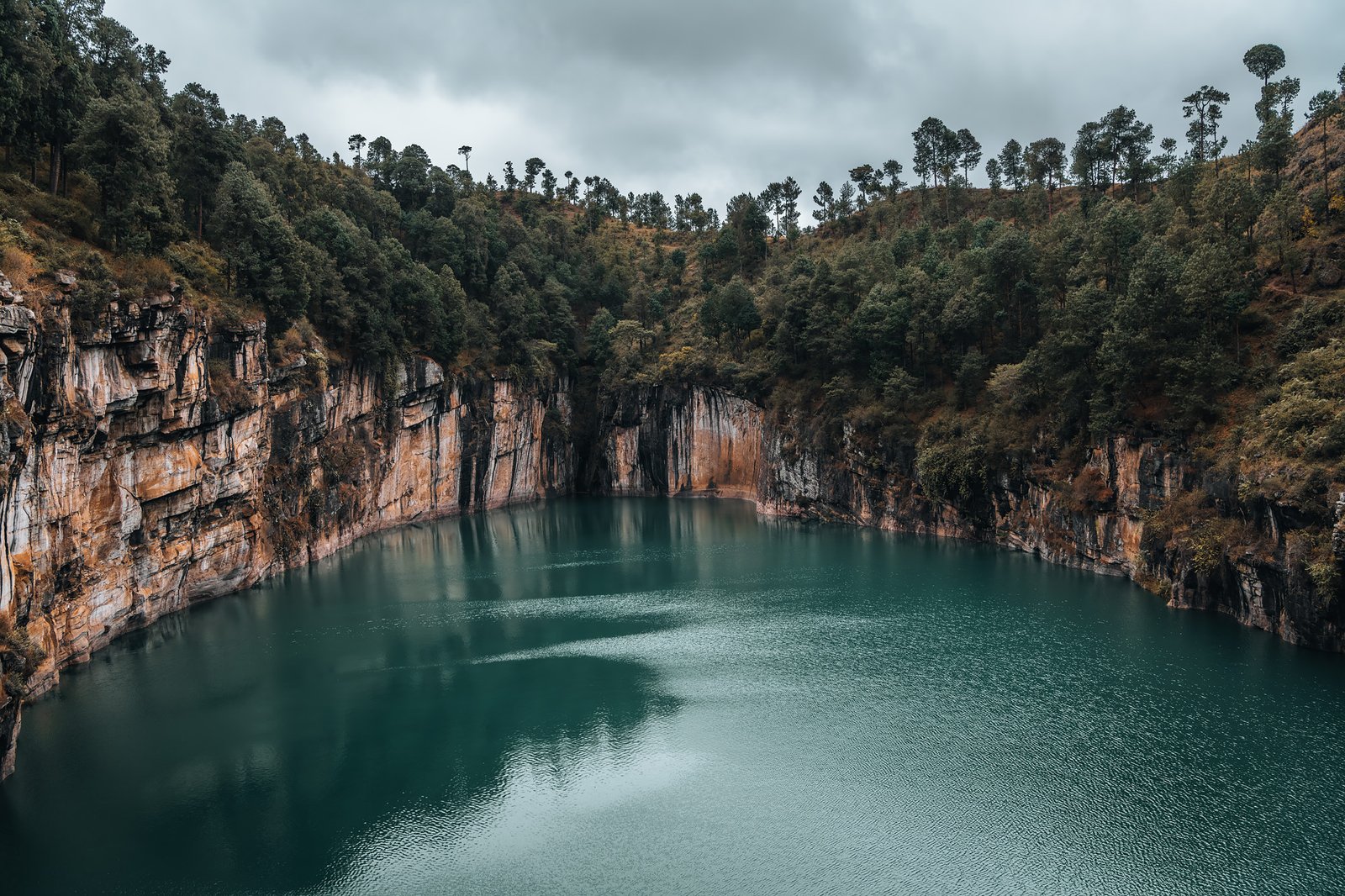
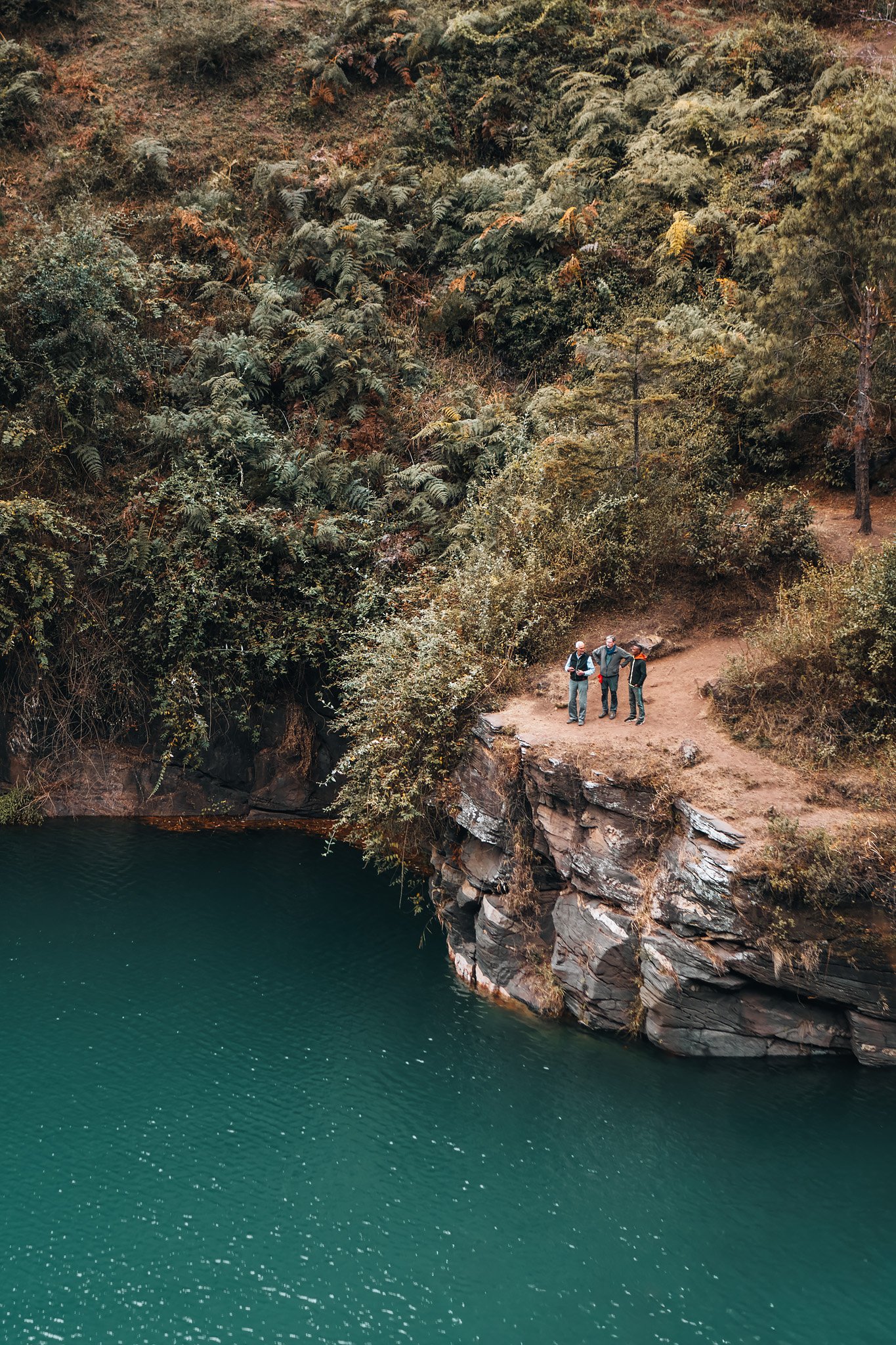
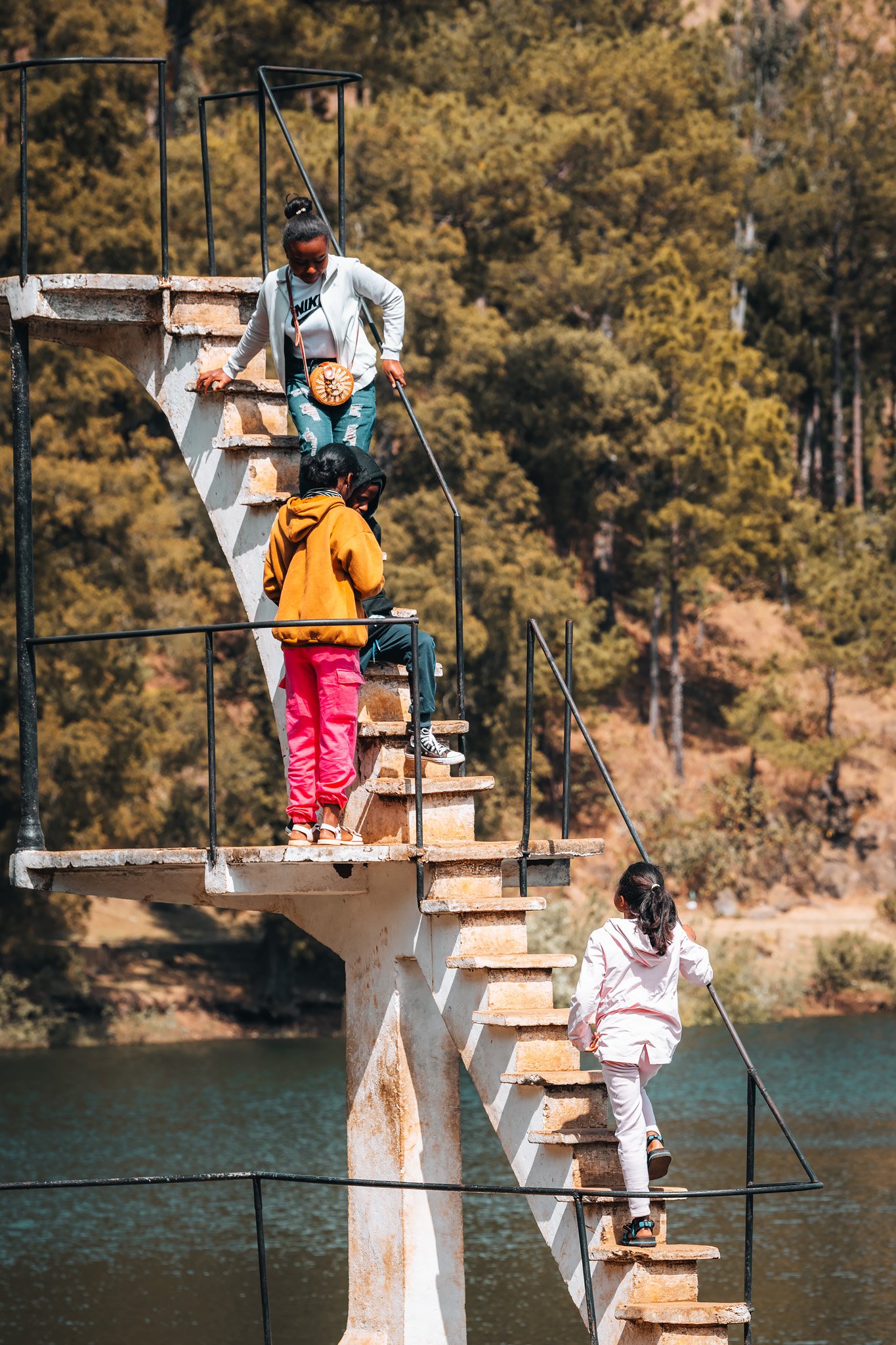
On our last couple of nights before heading off to Ranomafana National Park, we made two final visits in the vicinity of Antsirabe. First we visited Lake Tritriva, possibly Madagascar’s most well-known volcanic caldera lake.
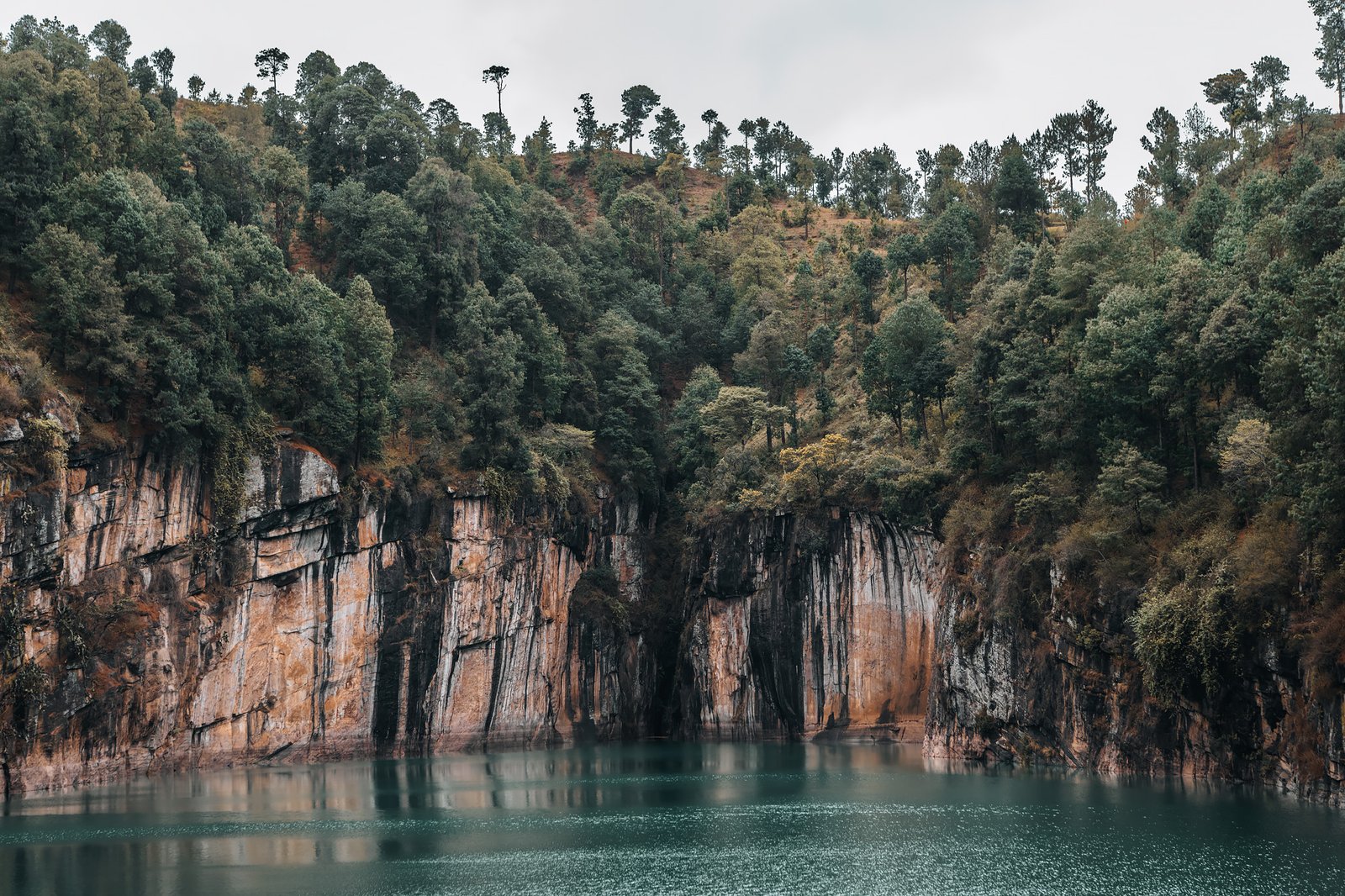
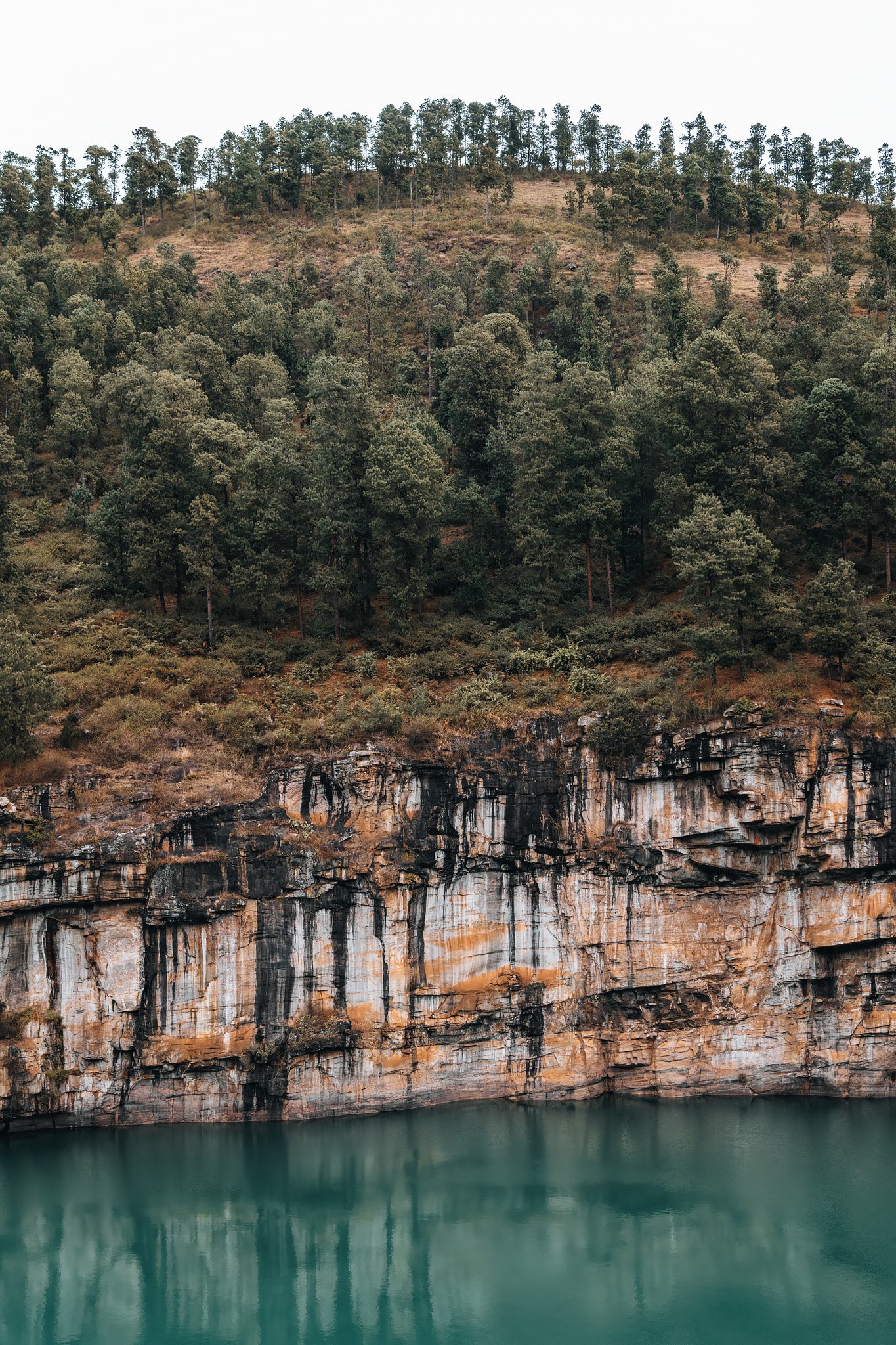
Tucked away amidst pine trees and towering volcanic walls stands a deep blue body of water whose ambiance differs greatly from the broad rivers and vast expanses of barren plains we had just exited behind us. The history of Lake Tritriva includes a tale told by local traditions, two young lovers who couldn’t get married because of their families, and chose to throw themselves into the lake together rather than be separated. The two lovers allegedly became two trees standing side by side on opposite sides of the lake and have remained joined forever in their love for each other.
Today Lake Tritriva is considered still a sacred location. People continue to leave offerings on portions of its shores, there is even zebu sacrifices still. Certain areas continue to hold spiritual value for nearby residents. It is easy to see why this environment has inspired tales for generations whether or not one believes in the legend.
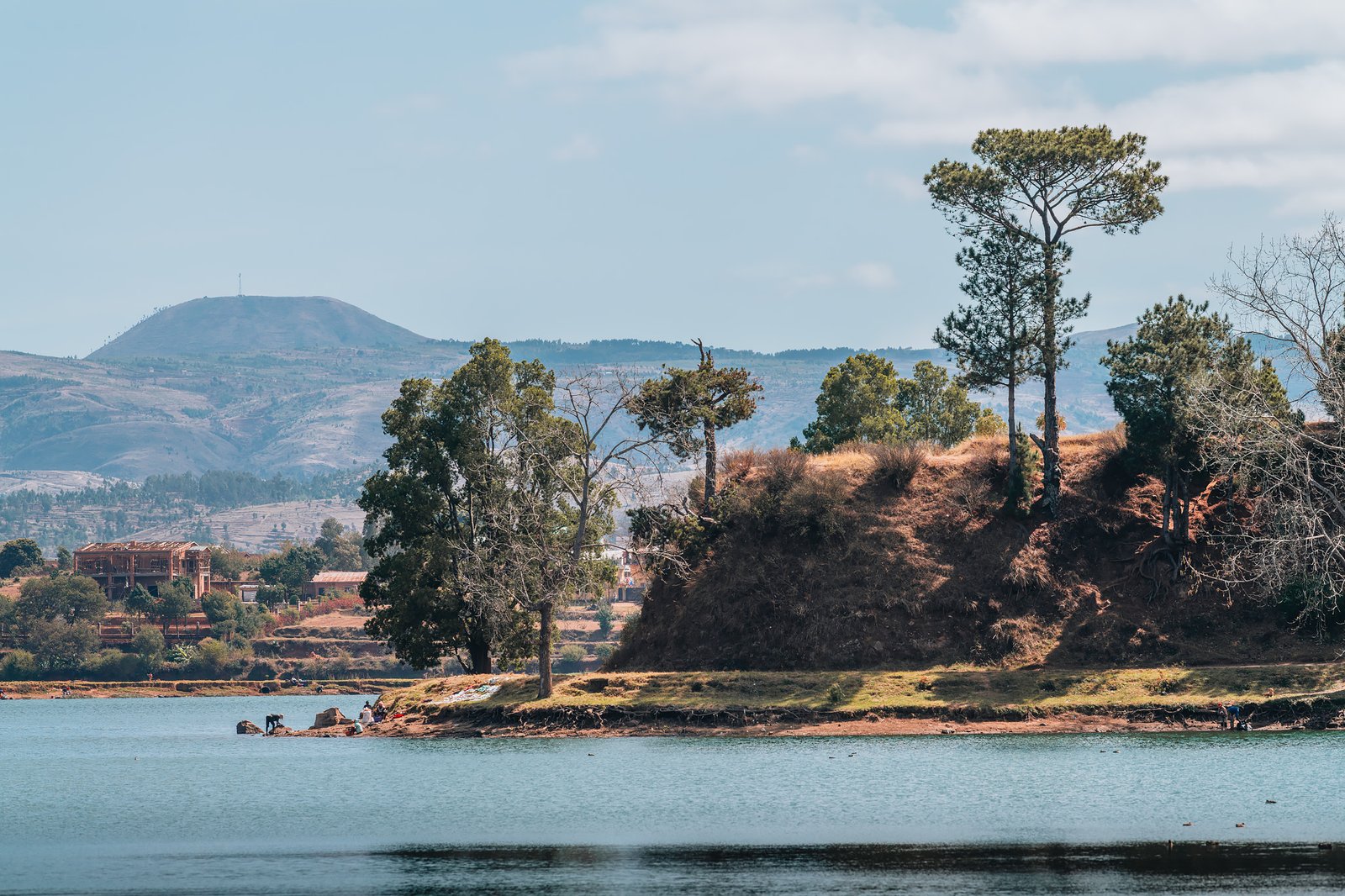
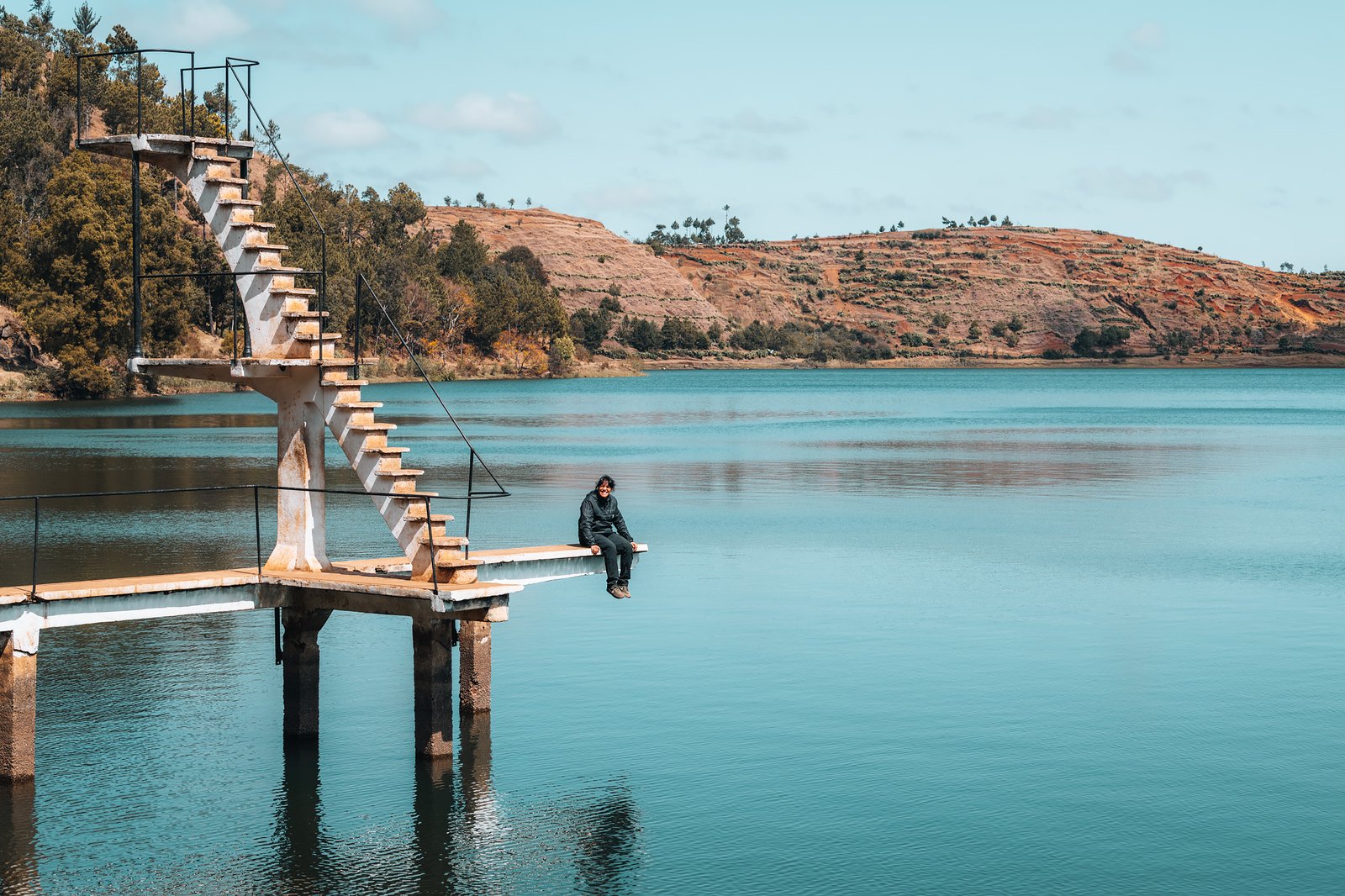
Not far from Lake Tritriva lies Lake Andraikiba. Its ambiance is worlds apart from Lake Tritriva though. Children playfully leaped into the water as families enjoyed the afternoon along its shorelines. Couples strolled hand-in-hand along its lakefront road while vendors sold snacks under eucalyptus trees providing welcome shade.
Together these two lakes exemplify another facet of Madagascar, one shaped by culture, tradition and quiet rhythms of daily life in Madagascar’s central highlands.
Later that evening we returned to Antsirabe for our last night before moving south. It was a very cold night, which gave us a huge relief from western Madagascar’s heat for the first time in many days. It was great to smell damp earth instead of dust for once. Early morning we would head south toward the escarpment dividing Madagascar’s highland plateaus from its eastern rainforests.
Ranomafana waited ahead of us.